Design a Room That Looks Good and Does Good
Sustainable design is not about sacrifice — it is about smarter material choices, longer-lasting furniture, and a design approach that values quality over quantity.
What is Eco-Friendly Room Design: Sustainable & Stylish?
Sustainable design is not about sacrifice — it is about smarter material choices, longer-lasting furniture, and a design approach that values quality over quantity.
See the Transformation
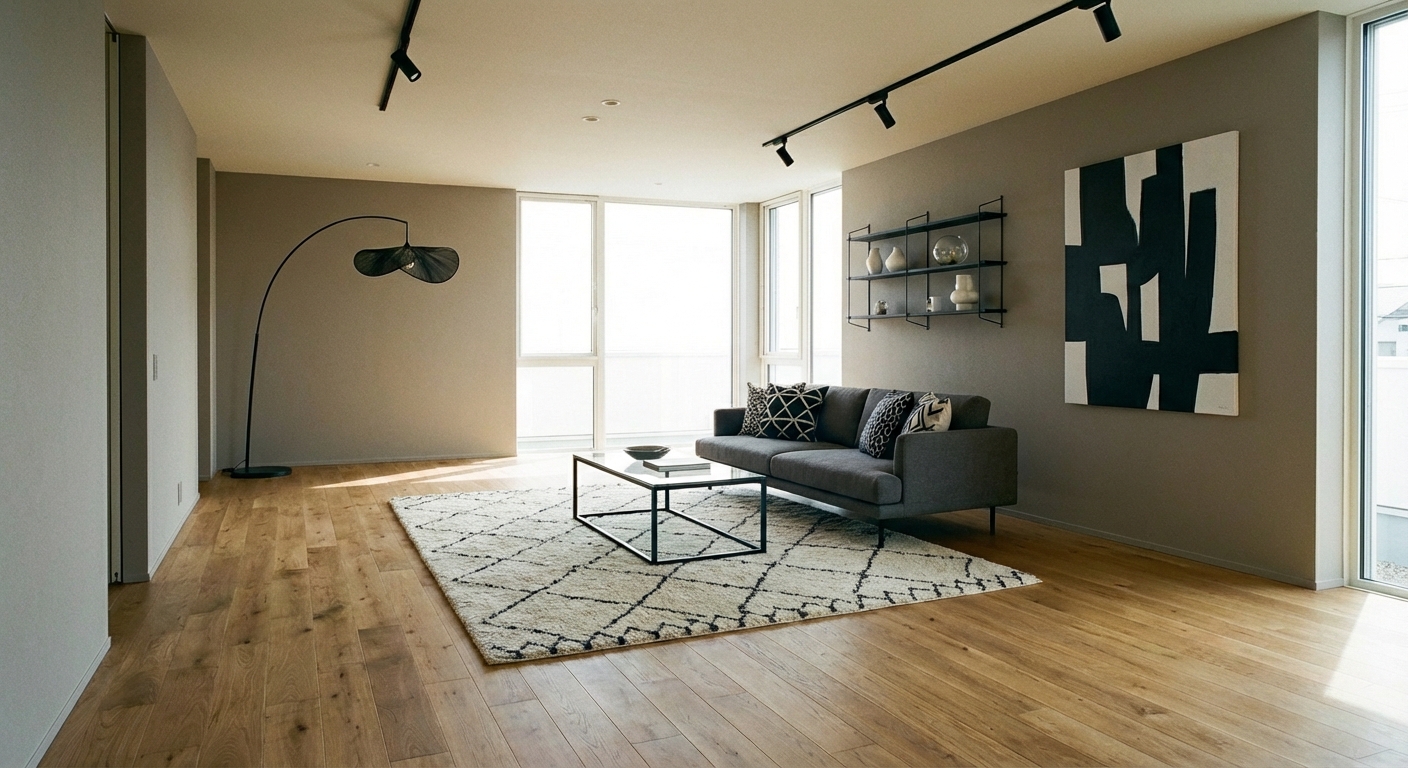
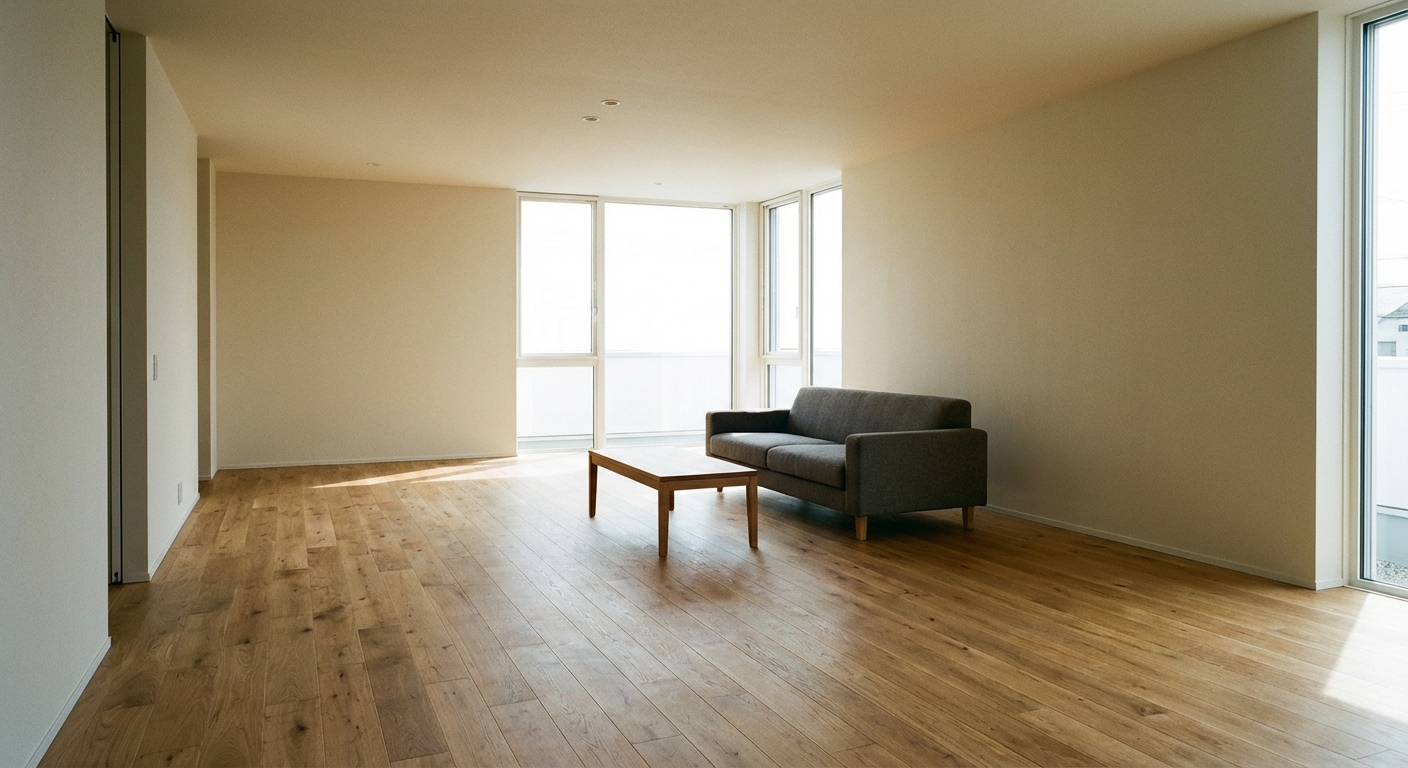
Upload your room photo in the app to see your real transformation
Why It Works
Sustainable room design produces better results because it prioritizes quality over quantity and natural materials over synthetic. Solid wood furniture lasts decades while flat-pack particleboard lasts years. Linen and wool textiles improve with age while polyester pills and degrades. Low-VOC paints improve indoor air quality for everyone in the household. The sustainable approach — buy less, buy better, source secondhand first — naturally produces rooms that feel more curated and personal than fast-furniture alternatives. Going green and achieving great design are not competing goals; they are the same goal.
How to Achieve This Look
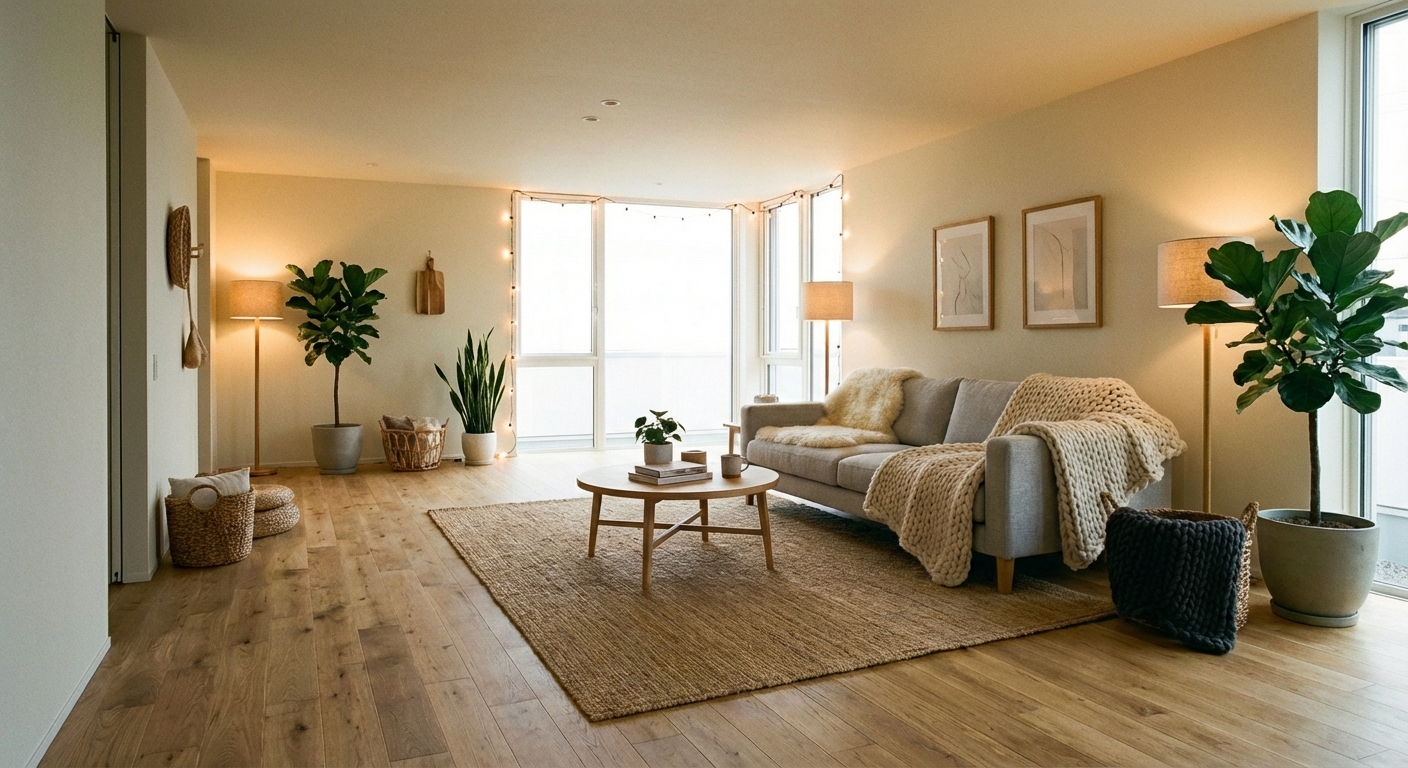
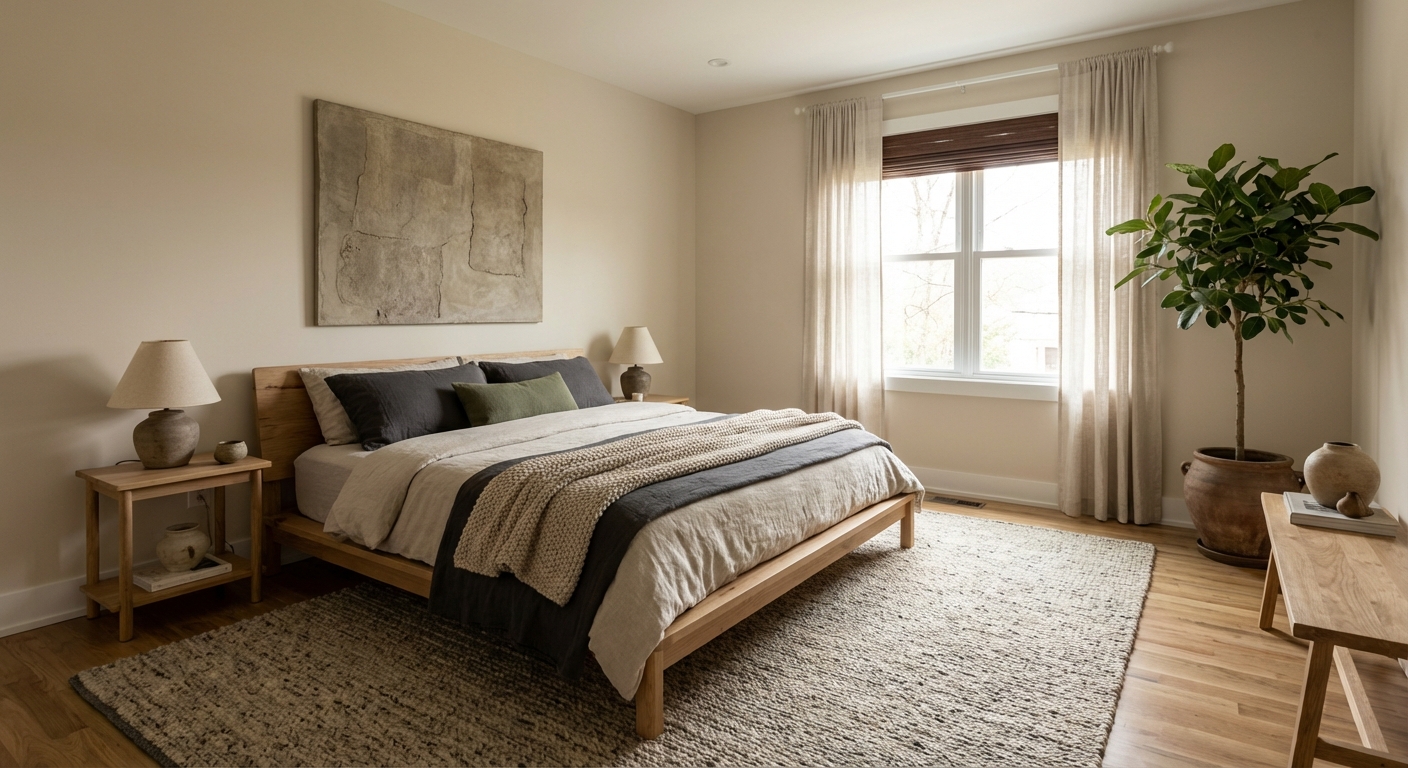
Source furniture secondhand first — thrift stores, estate sales, and online marketplaces offer solid wood pieces that outlast anything new at the same price point. For new purchases, choose FSC-certified wood, natural fiber textiles (linen, cotton, wool, jute), and furniture made with water-based finishes. Use low-VOC or zero-VOC paint for walls. Replace synthetic rugs with natural fiber options — wool, jute, or sisal. Choose LED lighting throughout for energy efficiency. Add houseplants for natural air purification. Avoid fast-furniture retailers and single-use decor trends — invest in pieces you will keep for ten-plus years.
Intero AI helps you visualize a sustainably designed room using natural materials, warm wood tones, and eco-friendly palettes. Upload your room and preview how secondhand furniture, natural textiles, and plant-rich styling create a space that is both beautiful and responsible.
"Finally an app that understands my taste. Every room turned out perfect."
— Priya K.
Frequently Asked Questions
Q1 Is sustainable furniture more expensive?
Not necessarily. Secondhand solid wood furniture often costs less than new flat-pack alternatives and lasts ten times longer. When buying new, sustainable options cost more upfront but the cost-per-year is lower because they do not need replacing every few years.
Q2 What is the most sustainable flooring option?
Bamboo, reclaimed wood, cork, and natural linoleum are the most sustainable choices. Bamboo regenerates rapidly, reclaimed wood reuses existing material, cork is harvested without killing the tree, and linoleum is made from natural linseed oil.
Q3 How do I know if paint is eco-friendly?
Look for low-VOC or zero-VOC labels — VOCs are volatile organic compounds that off-gas harmful chemicals. Brands like Benjamin Moore Natura, Sherwin-Williams Harmony, and Clare paint offer zero-VOC options in full color ranges.
Related searches
These are the next pages people usually open while narrowing this design direction.
Ready to Transform Your Room?
Download Intero and see this design in your space in seconds.
No credit card. No signup. Just results.