japandi vs minimalista: ¿cuál es mejor para tu espacio?
Analizamos las diferencias clave entre los estilos japandi y minimalista para ayudarte a decidir.
$$
Mira la Transformación
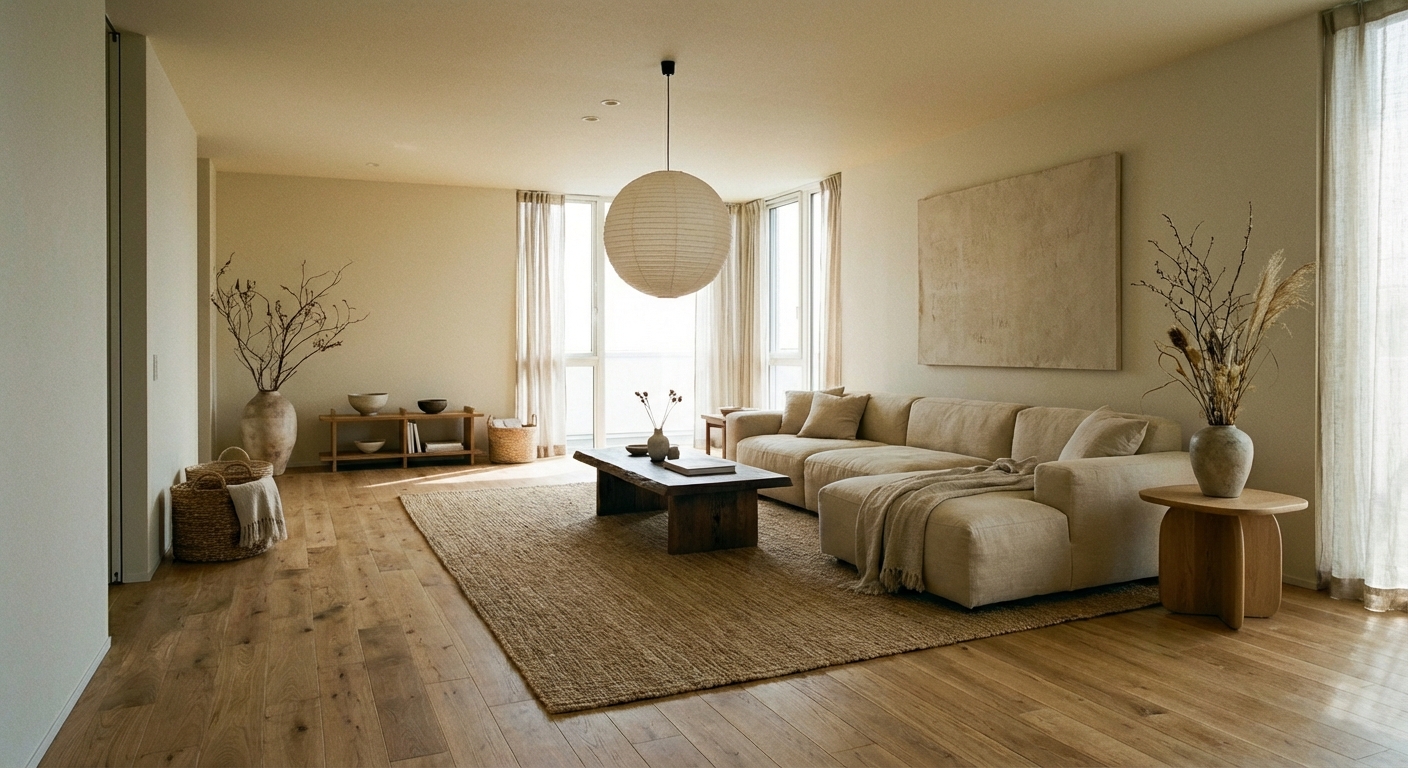
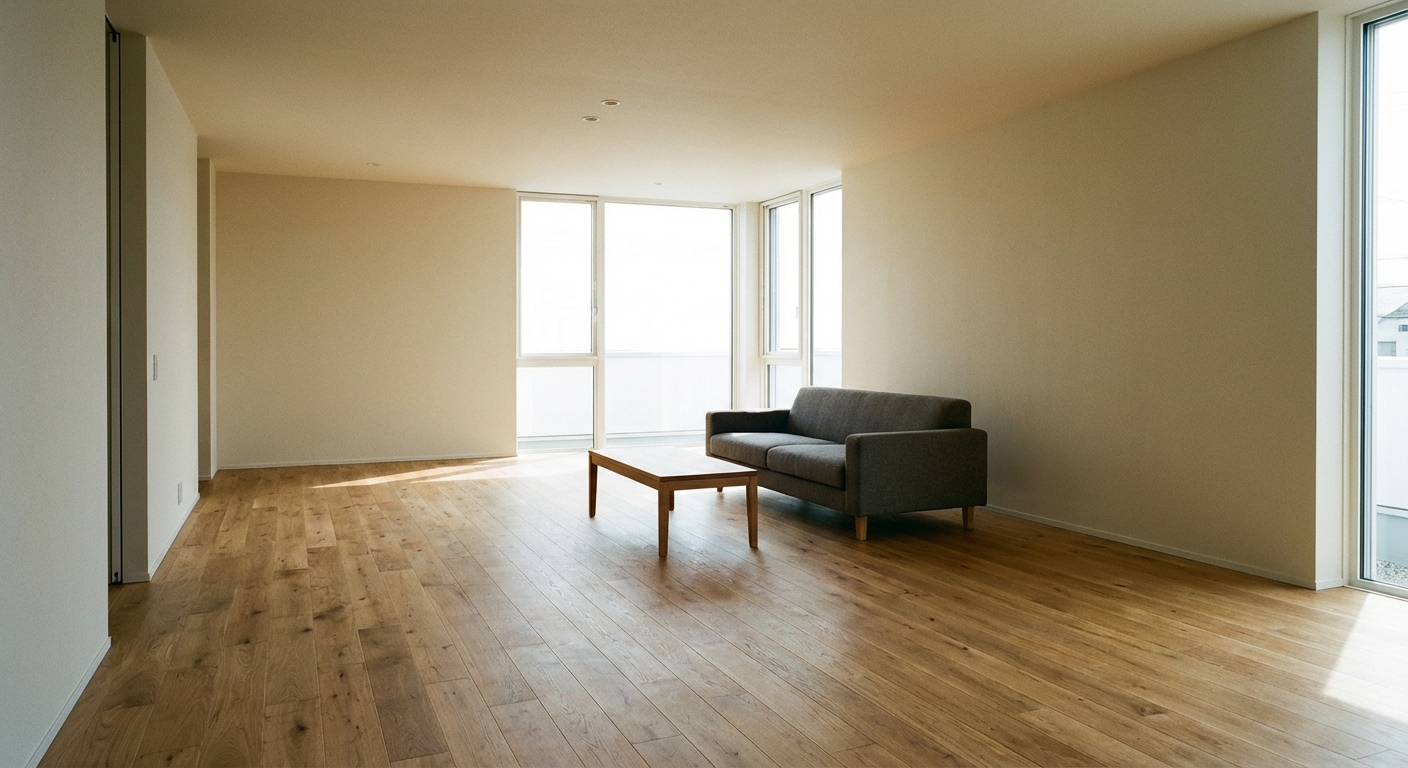
Sube la foto de tu habitación en la app para ver tu transformación real
Paleta de Colores
Por Qué Funciona
Minimalism is a philosophy of radical reduction — white walls, empty surfaces, and only essential objects. It finds beauty in the void. Japandi shares the reduction but fills the remaining space with warmth, texture, and handcrafted imperfection. Where a minimalist room might have a single white shelf with nothing on it, a Japandi room has a wooden shelf with one handmade ceramic bowl. The Japanese concept of wabi-sabi — beauty in imperfection and transience — gives Japandi a humanity that pure minimalism intentionally avoids. Minimalism is intellectual; Japandi is sensory.
Cómo Lograr Este Estilo
- 1
Decide if you prefer warm earthy tones or cool black-and-white
- 2
Japandi: choose handmade ceramics and natural wood with visible grain
- 3
Minimalist: choose polished surfaces and uniform finishes
- 4
Japandi: add warmth through textiles and organic shapes
- 5
Minimalist: reduce to bare essentials with clean geometry
- 6
Both: prioritize open space and intentional object placement
Japandi embraces imperfect handmade pieces; minimalist demands flawless machine-made precision. Your tolerance for irregularity decides the style.
Pruébalo con IA
Layoutly AI lets you preview both Japandi warmth and minimalist purity in your room. Upload a photo and compare the two approaches side by side to determine whether you want the emotional warmth of Japandi or the clean discipline of pure minimalism.
Preguntas Frecuentes
Is Japandi just warmer minimalism?
Partly, but it is more than that. Japandi adds specific Japanese principles — wabi-sabi (beauty in imperfection), kanso (simplicity), and ma (negative space as an element) — that give it a distinct philosophical depth beyond simply being "minimalism with wood."
Which is more livable day to day?
Most people find Japandi more livable because it allows for warmth, texture, and a few personal objects. Pure minimalism requires constant discipline to maintain empty surfaces, which can feel austere in daily life.
Can I transition from minimalist to Japandi?
Easily — add warm wood tones (swap white furniture for walnut or oak), introduce textured natural textiles (linen, wool), and place one handmade ceramic or woven object on each surface. Keep the reduction but add warmth.
¿Listo para Transformar Tu Habitación?
Descarga Layoutly y visualiza este diseño en tu espacio en segundos.