That Awkward Attic? It's the Most Charming Room You're Not Using
Sloped ceilings and odd angles are not obstacles — they are architectural character. These strategies turn attic quirks into cozy, one-of-a-kind rooms.
What is Attic Room Conversion: Working With Sloped Ceilings?
Sloped ceilings and odd angles are not obstacles — they are architectural character. These strategies turn attic quirks into cozy, one-of-a-kind rooms.
See the Transformation
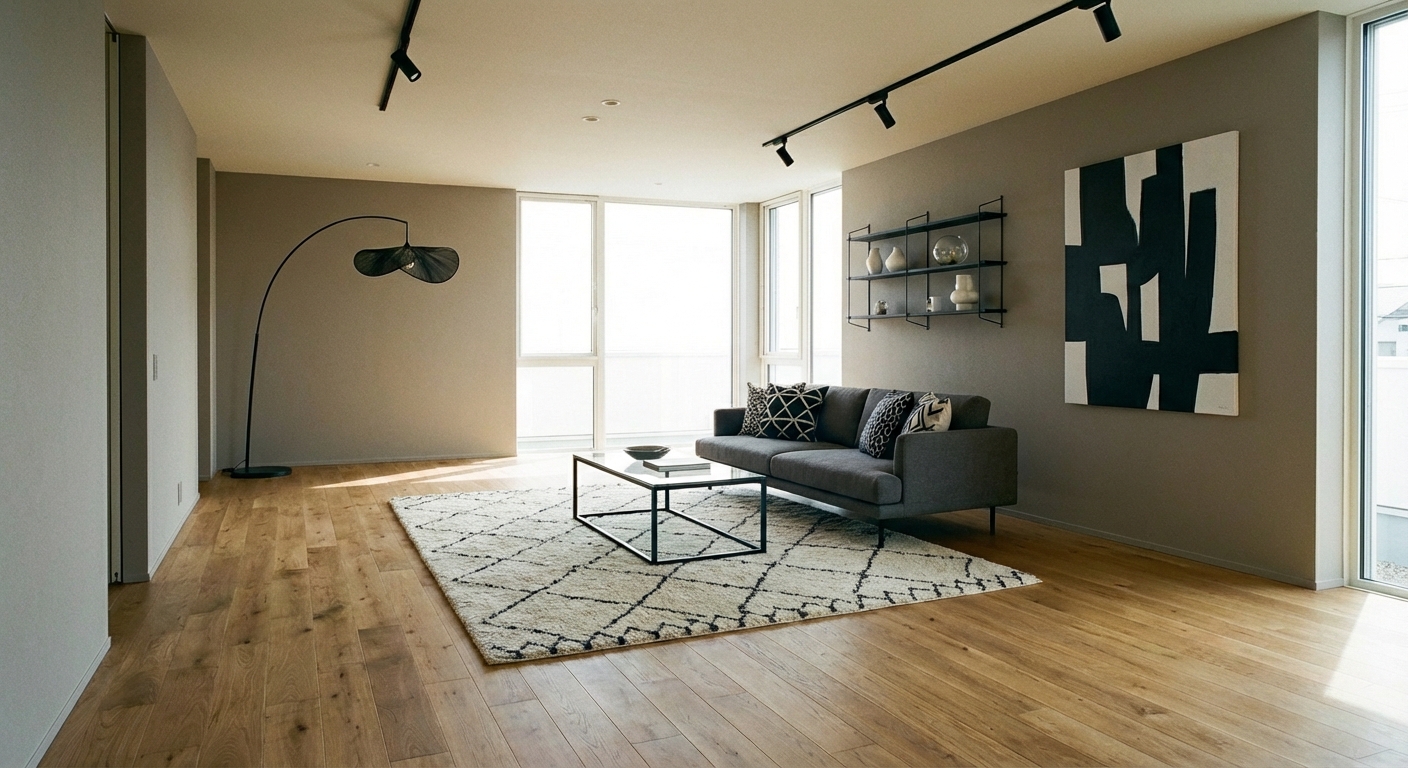
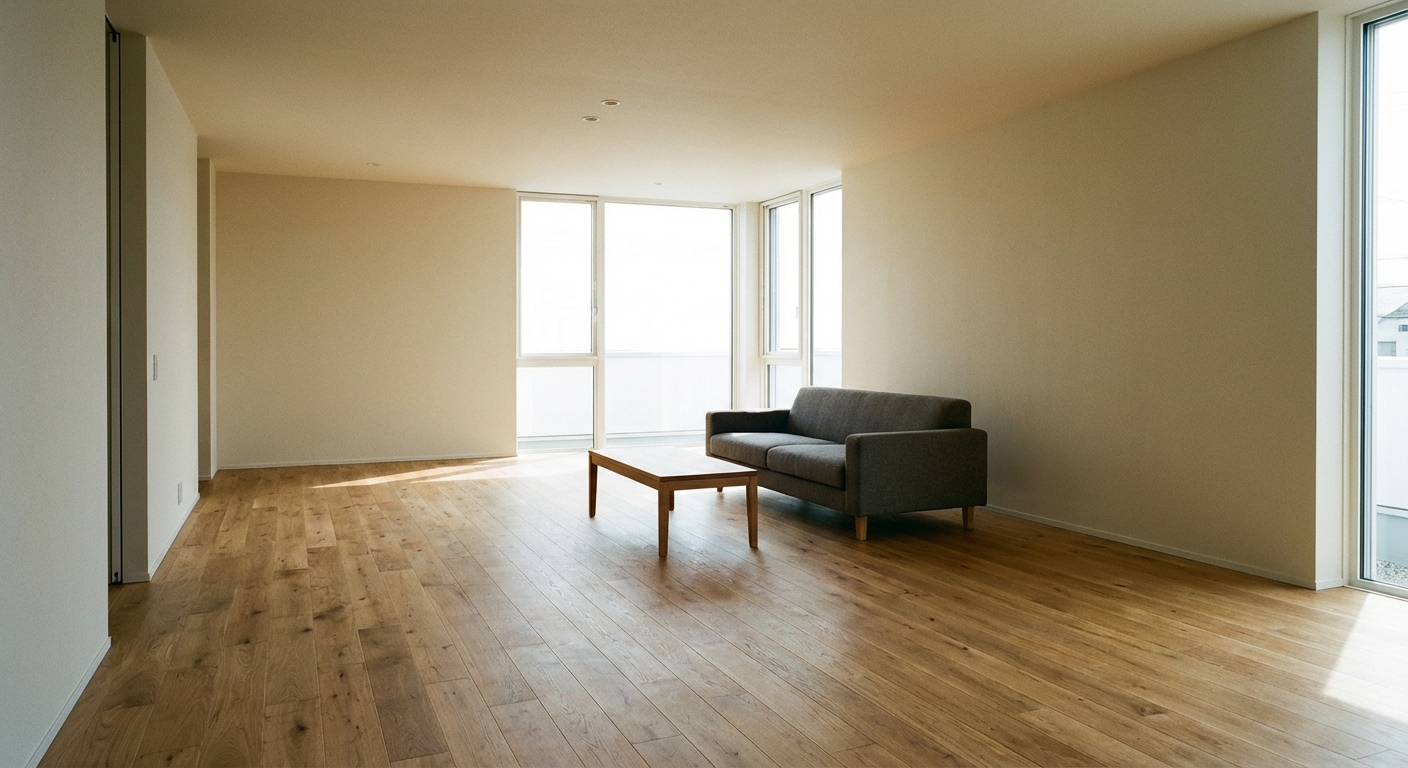
Upload your room photo in the app to see your real transformation
Why It Works
Attics have an inherent coziness that no other room can replicate — the sloped ceiling creates a natural sense of enclosure that feels like a nest or cocoon. The challenge is practical: standing height exists only at the center, knee walls limit furniture placement, and dormers create odd nooks that resist standard layouts. The design solution leans into these constraints. Beds and desks tuck under slopes where standing height is unnecessary. Knee walls become built-in storage. Dormers become window seats or reading nooks. The attic stops being an awkward space and becomes a retreat precisely because of its unusual geometry.
How to Achieve This Look
Place the bed under the lowest point of the slope — you do not need standing height where you sleep. Position desks and seating at the center where headroom is greatest. Build custom storage into knee walls — drawers, cabinets, or bookshelves that use the triangular space behind them. Transform dormers into window seats with storage beneath. Paint everything the same light color — walls, slopes, and ceiling — to unify the irregular surfaces and make the room feel larger. Use low-profile furniture exclusively. Add skylights or solar tubes if natural light is insufficient. Insulate thoroughly — attics are the hottest and coldest spaces in any home.
Attic layouts require creative problem-solving for every angle and slope. Intero AI lets you upload your attic photo and preview different furniture placements, built-in storage ideas, and color schemes that turn your specific attic geometry into a livable, beautiful room.
"I redesigned my entire apartment before buying a single piece of furniture."
— Sarah M.
Frequently Asked Questions
Q1 What is the minimum ceiling height for an attic bedroom?
Building codes typically require at least 7 feet of ceiling height over at least 50% of the floor area. The areas with less than 5 feet of headroom can be used for storage, built-ins, or a bed platform but should not count as living space.
Q2 How do I furnish a room with sloped ceilings?
Place low items — beds, storage, and seating — under the slopes. Keep tall furniture and standing-height activities at the center peak. Custom built-ins that follow the roofline maximize every inch of usable space.
Q3 How do I keep an attic room comfortable year-round?
Proper insulation is essential — spray foam in the roofline is the most effective. Add a mini-split HVAC unit for independent climate control. Operable skylights provide ventilation in summer. Without these, attics will be unbearable in summer and freezing in winter.
Related searches
These are the next pages people usually open while narrowing this design direction.
You Might Also Like
Ready to Transform Your Room?
Download Intero and see this design in your space in seconds.
No credit card. No signup. Just results.