Attic Conversion — Turn Forgotten Space Into the Most Charming Room in the House
That dusty attic with the sloped ceilings and exposed beams is not wasted space — it is a character-rich room waiting to happen. This guide covers every step.
What is Attic Conversion: Unused to Styled?
That dusty attic with the sloped ceilings and exposed beams is not wasted space — it is a character-rich room waiting to happen. This guide covers every step.
See the Transformation
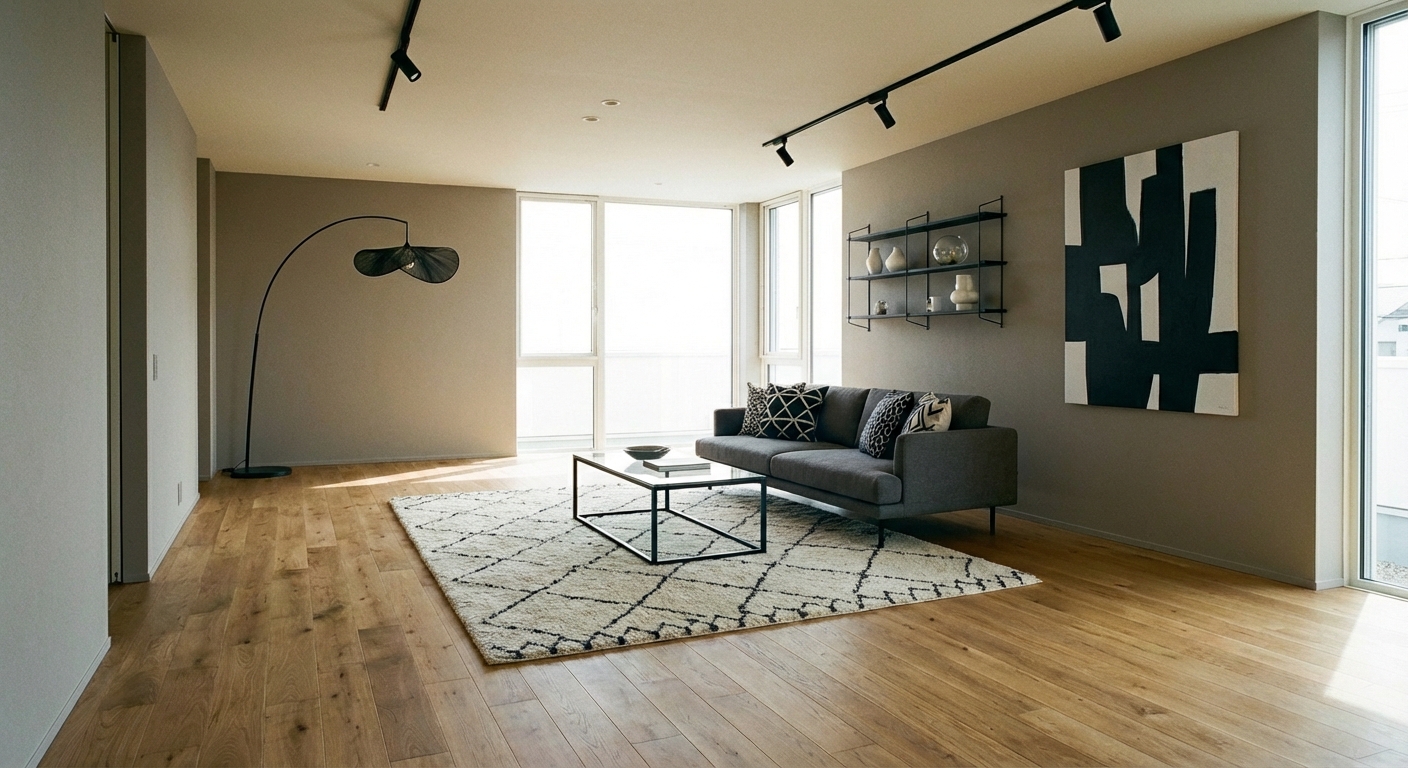
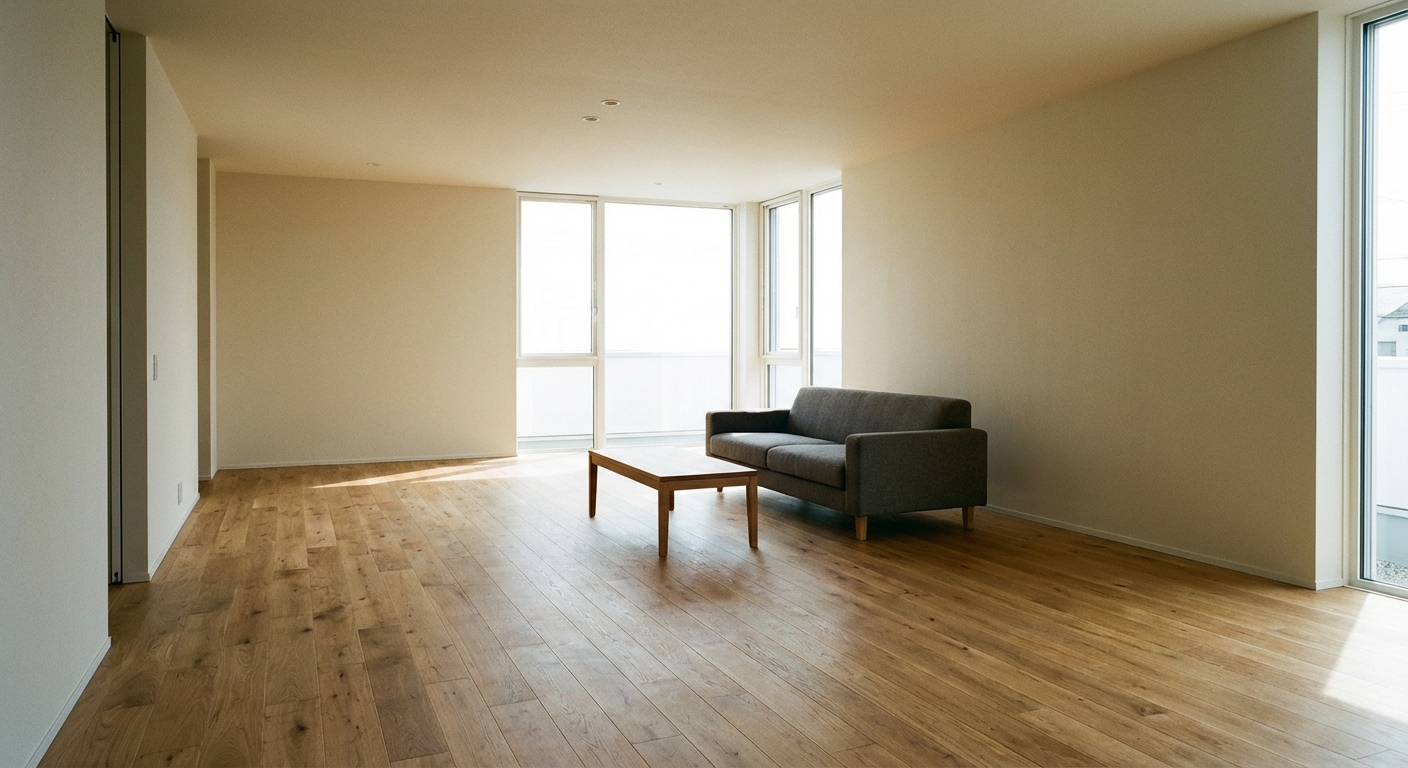
Upload your room photo in the app to see your real transformation
Why It Works
Attic conversions deliver unique rooms that no other space in the home can replicate. The sloped ceilings, exposed structural elements, and tucked-away location create a natural sense of retreat that purpose-built rooms rarely achieve. The architectural constraints that make attics challenging — irregular angles, limited headroom at the edges, dormer windows — become the defining character features when the conversion is done thoughtfully. Exposed beams add rustic charm. Dormers become window seats. Knee walls become built-in storage. The result is a room with more personality per square foot than any other in the house.
Best for
- people ready to test options on a real photo before buying
- anyone planning a real living room where conversation distance, TV glare, and traffic past the sofa matter more than Pinterest perfection
- projects already thinking about cabinets, bed, desk and needing a coherent layout
Skip if
- you will not address conversation distance and only want a filter look
- you refuse to remove anything and only add decor
Common mistakes
The usual attic living room miss is shopping object-by-object with no envelope decision. Details like cabinets, bed, desk only work if the plan respects conversation distance, TV glare, and traffic past the sofa. Another miss: pushing every seat against the walls and calling the empty middle “open”.
Decide this first
fix the primary seating pair and one clear path before decorative chairs. Lock a coherent material story instead of random catalog picks as a short list, then use Intero on a real photo so scale and light are honest before you spend.
How to Achieve This Look
Insulate first — spray foam applied to the underside of the roof deck is the most effective method for attics. Install drywall on walls and the ceiling slope, painting everything the same light color to unify the irregular surfaces. Add skylights or solar tubes if the existing dormers do not provide enough natural light. Install LVP or engineered hardwood flooring over the subfloor. Build custom storage into knee walls — pull-out drawers, cabinets, and bookshelves that use the triangular dead space. Place the bed or desk under the lowest slope where standing height is unnecessary. Position the seating area at the center peak for maximum headroom. Add a mini-split for independent climate control.
Attic conversions require creative spatial problem-solving. Intero AI lets you upload a photo of your raw attic and preview how it would look as a finished bedroom, office, or studio — with proper flooring, painted surfaces, furniture placement, and built-in storage — before starting construction.
Frequently Asked Questions
Q1 How much does an attic conversion cost?
A basic finish with insulation, drywall, flooring, and lighting runs $15,000-$30,000. Adding a bathroom increases the cost by $8,000-$15,000. A high-end conversion with skylights, custom built-ins, and a full bathroom ranges from $40,000-$80,000.
Q2 Do I need a permit for an attic conversion?
In most jurisdictions, yes — converting an attic to living space requires permits for structural, electrical, and building code compliance. Key requirements include minimum ceiling height (7 feet over 50% of floor area), adequate egress windows, and fire safety. Always check local codes before starting.
Q3 What is the best use for a converted attic?
Bedrooms and home offices are the most popular because the private, tucked-away location suits focused activities. Art studios benefit from skylight installation. Guest suites work well because the separation provides both host and guest privacy.
Related searches
These are the next pages people usually open while narrowing this design direction.
You Might Also Like
Ready to See This Style in Your Room?
Download Intero and preview this design on your own room photo.
No credit card. No signup. Just results.
Scan to download
Point your phone camera at a code

