Build a Productive Home Office Without Overspending
A clean desk, good lighting, and an ergonomic chair don't require a designer budget — just smart prioritization.
What is Budget Home Office Setup Ideas?
A clean desk, good lighting, and an ergonomic chair don't require a designer budget — just smart prioritization.
See the Transformation
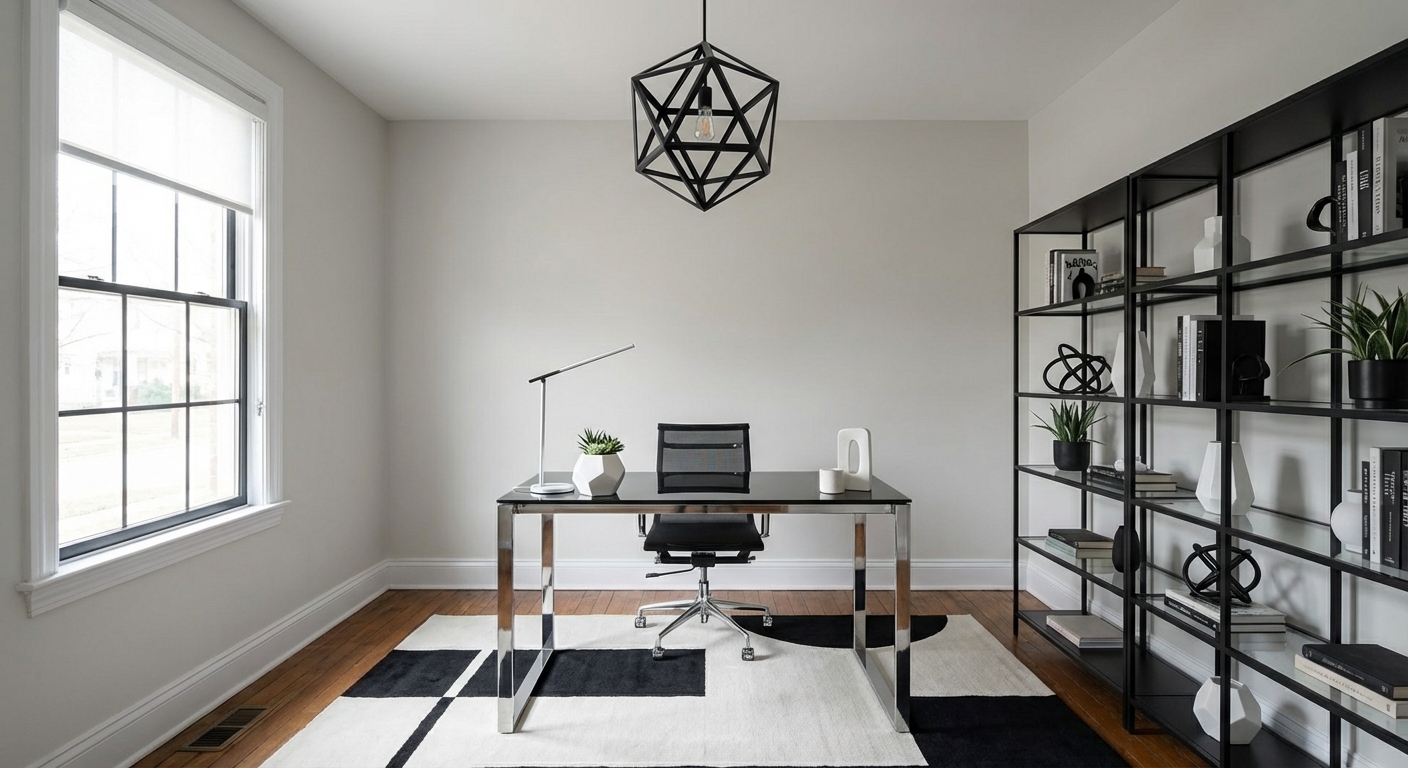
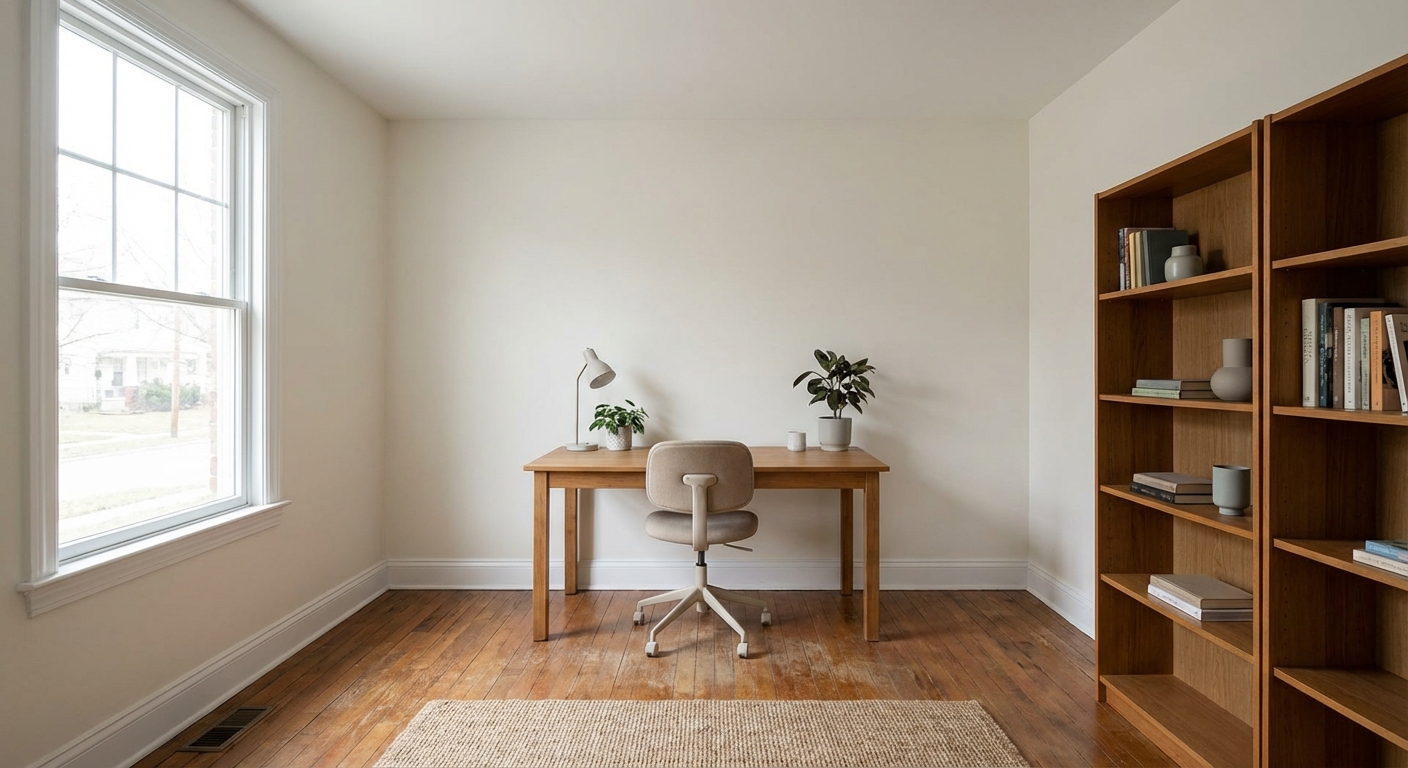
Upload your room photo in the app to see your real transformation
Why It Works
A productive home office needs exactly three things: a surface to work on, a comfortable place to sit, and adequate lighting. Everything else is optional. By focusing your budget on ergonomics (chair and monitor position) and lighting, you create a space that supports 8+ hours of focused work without the distractions of working from a couch or kitchen table.
Best for
- people ready to test options on a real photo before buying
- anyone planning a real home office where camera background, desk depth, and cable discipline matter more than Pinterest perfection
- projects already thinking about lighting, desk and needing a coherent layout
Skip if
- you will not address camera background and only want a filter look
- you refuse to remove anything and only add decor
Common mistakes
People pin budget home office ideas and then shopping object-by-object with no envelope decision. Details like lighting, desk only work if the plan respects camera background, desk depth, and cable discipline. Another miss: a beautiful desk with the router spaghetti in every video call.
Decide this first
frame what the camera sees and plan power before furniture shopping. Lock a coherent material story instead of random catalog picks as a short list, then use Intero on a real photo so scale and light are honest before you spend.
How to Achieve This Look
Prioritize the chair — a used Herman Miller Aeron or Steelcase Leap from Facebook Marketplace or Madison Seating ($300-$500 used vs. $1,200-$2,000 new) is the single best investment. For the desk, IKEA's LAGKAPTEN/ALEX combination ($100-$150) or a secondhand solid-wood desk ($50-$150) works great. Add a $30-$50 monitor arm to free up desk space and improve posture. A desk lamp with adjustable color temperature ($25-$40 from Amazon) prevents eye strain. Organize cables with a $15 cable management tray. Total: $400-$700 for a genuinely ergonomic workspace.
Use Intero to figure out the best desk placement in your room — near a window for natural light, away from distracting sightlines, with enough wall space behind you for video calls. Test different layouts before moving heavy furniture.
Frequently Asked Questions
Q1 What's the most important thing to invest in for a home office?
Your chair. An ergonomic chair prevents back pain, neck strain, and fatigue during long work sessions. A used Herman Miller Aeron ($300-$500 on Facebook Marketplace) will last 15-20 years and is better than any $100 Amazon chair. This is the one item worth stretching your budget for.
Q2 How do I set up a home office in a small space?
A wall-mounted floating desk ($60-$120) or IKEA NORBERG drop-leaf table ($40) works in spaces as small as 3x3 feet. Pair it with a compact ergonomic chair and use vertical wall storage (shelves, pegboard) instead of floor space. Intero can help you visualize office setups in corners, closets, or unused nooks.
Q3 Can I write off home office expenses on my taxes?
If you're self-employed and use the space exclusively for work, yes — you can deduct the home office itself (simplified: $5/sq ft up to 300 sq ft) plus furniture and equipment. W-2 employees generally cannot deduct home office expenses under current tax law. Consult a tax professional for your specific situation.
Related searches
These are the next pages people usually open while narrowing this design direction.
You Might Also Like
Ready to See This Style in Your Room?
Download Intero and preview this design on your own room photo.
No credit card. No signup. Just results.
Scan to download
Point your phone camera at a code

