Coastal vs Mediterranean — Beach House or European Villa?
Both styles draw from waterfront living, but coastal evokes a casual beach house while Mediterranean channels a European villa. The difference is in the details.
What is Coastal vs Mediterranean: Beach House or Villa??
Both styles draw from waterfront living, but coastal evokes a casual beach house while Mediterranean channels a European villa. The difference is in the details.
2/4
See the Transformation
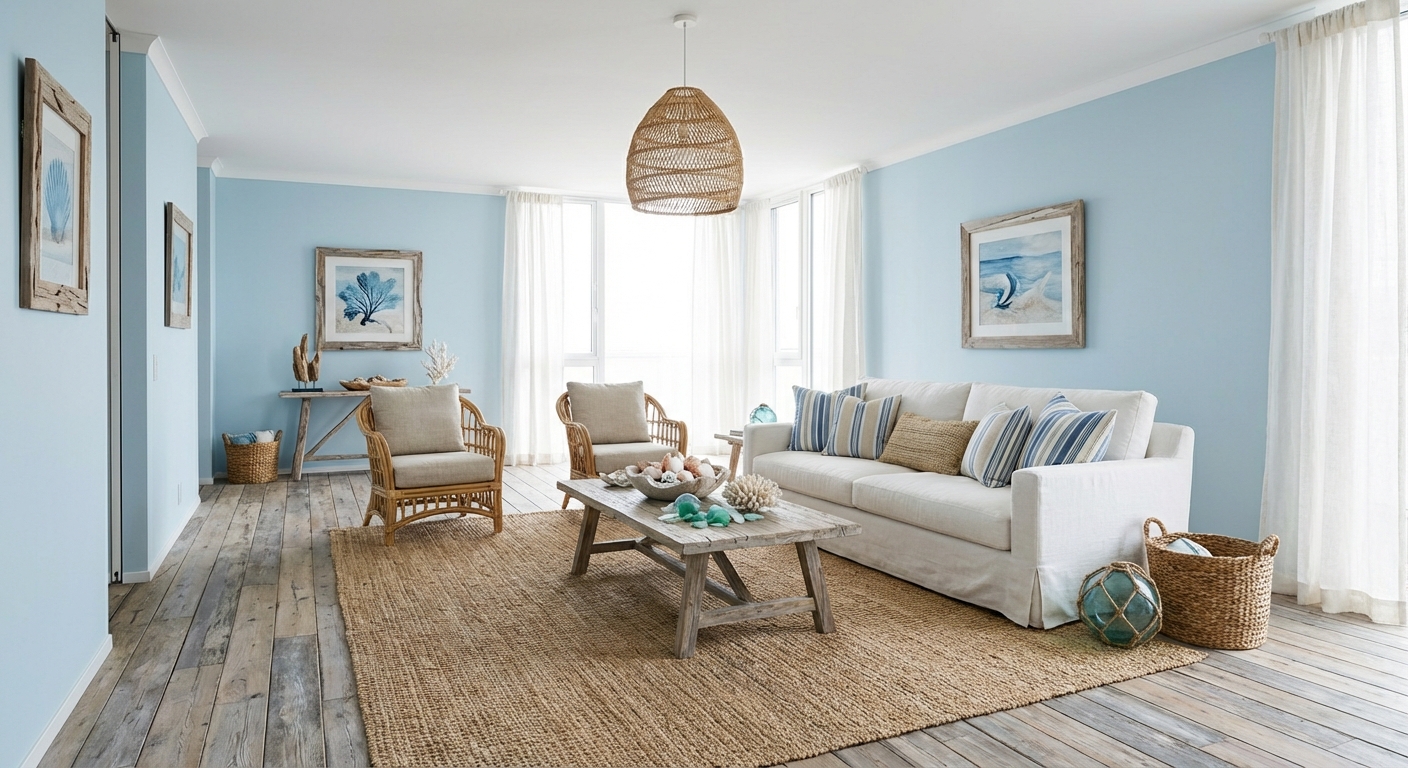
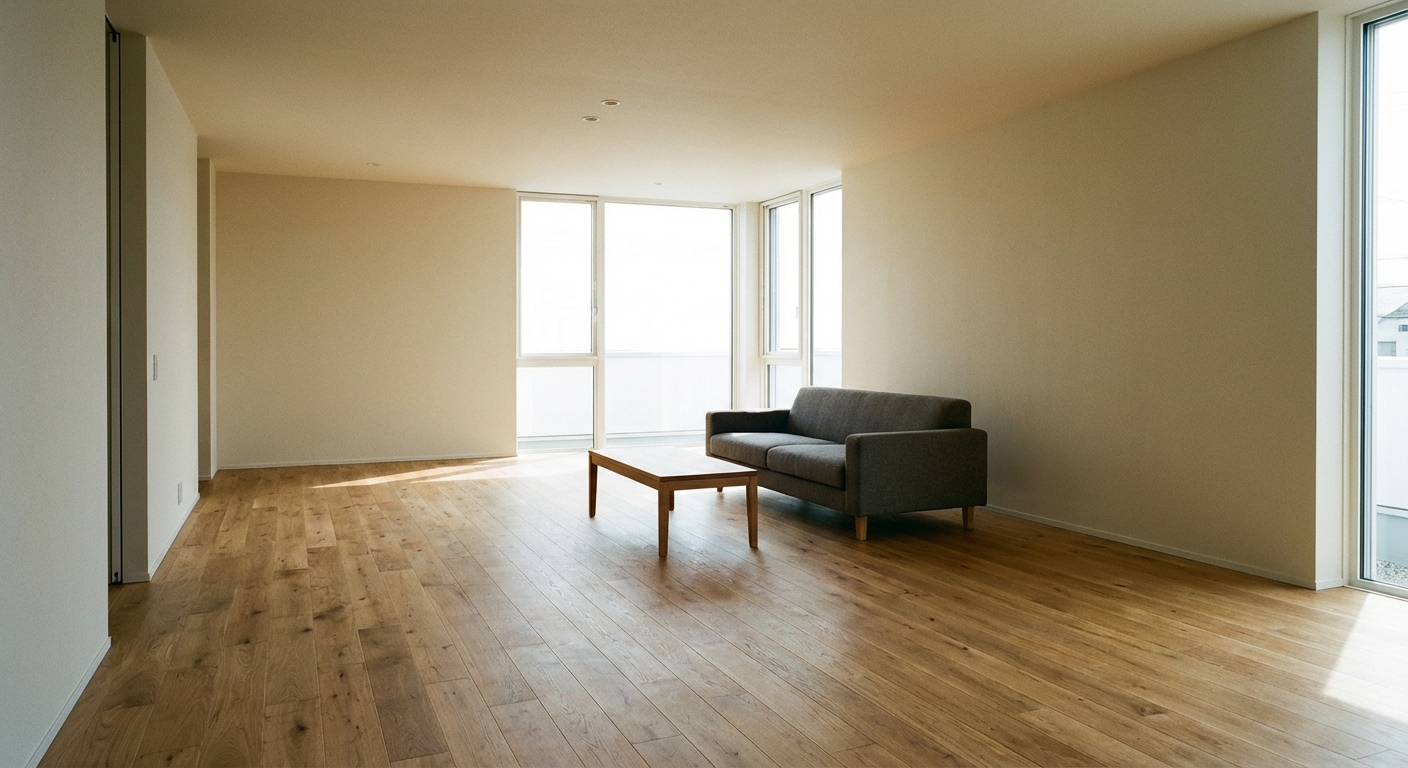
Upload your room photo in the app to see your real transformation
Color Palette
Click any color to copy hex code
Why It Works
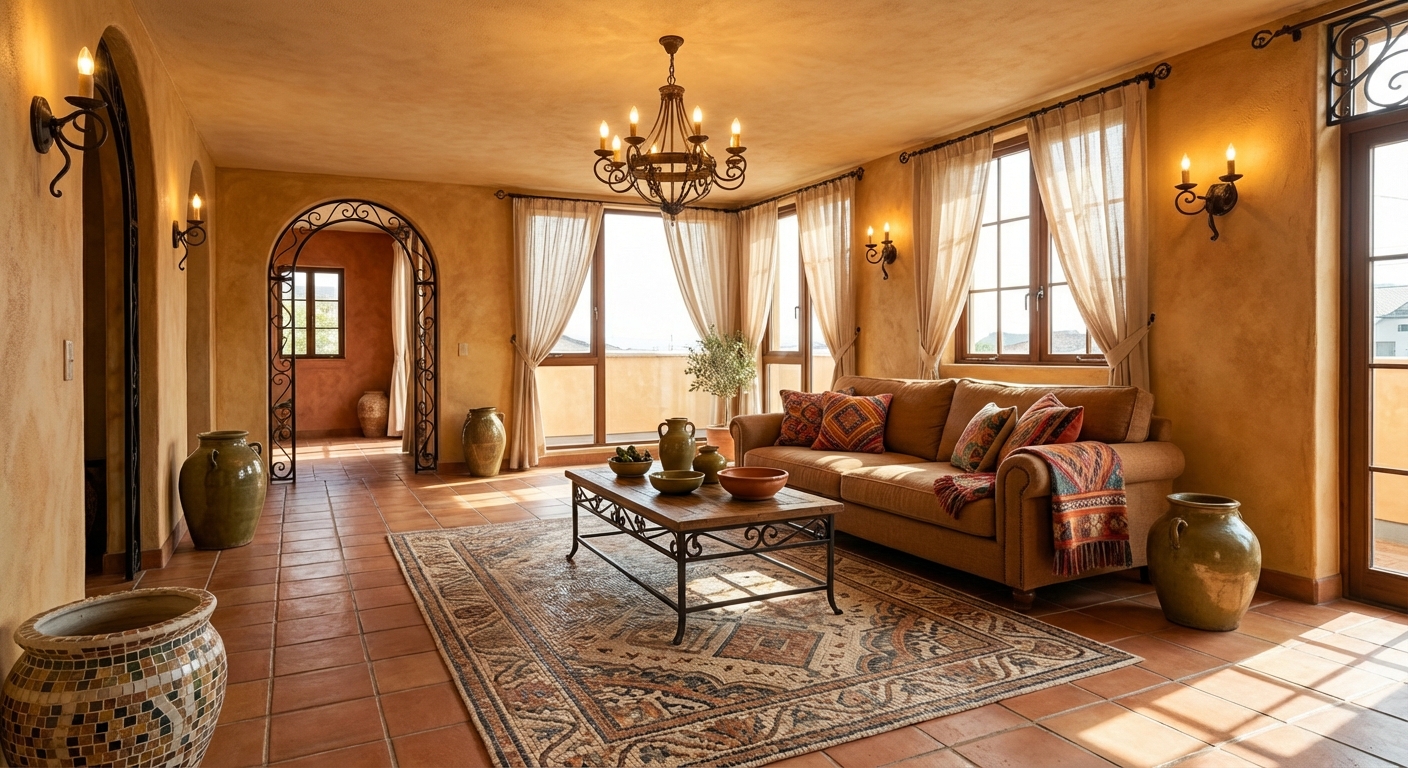
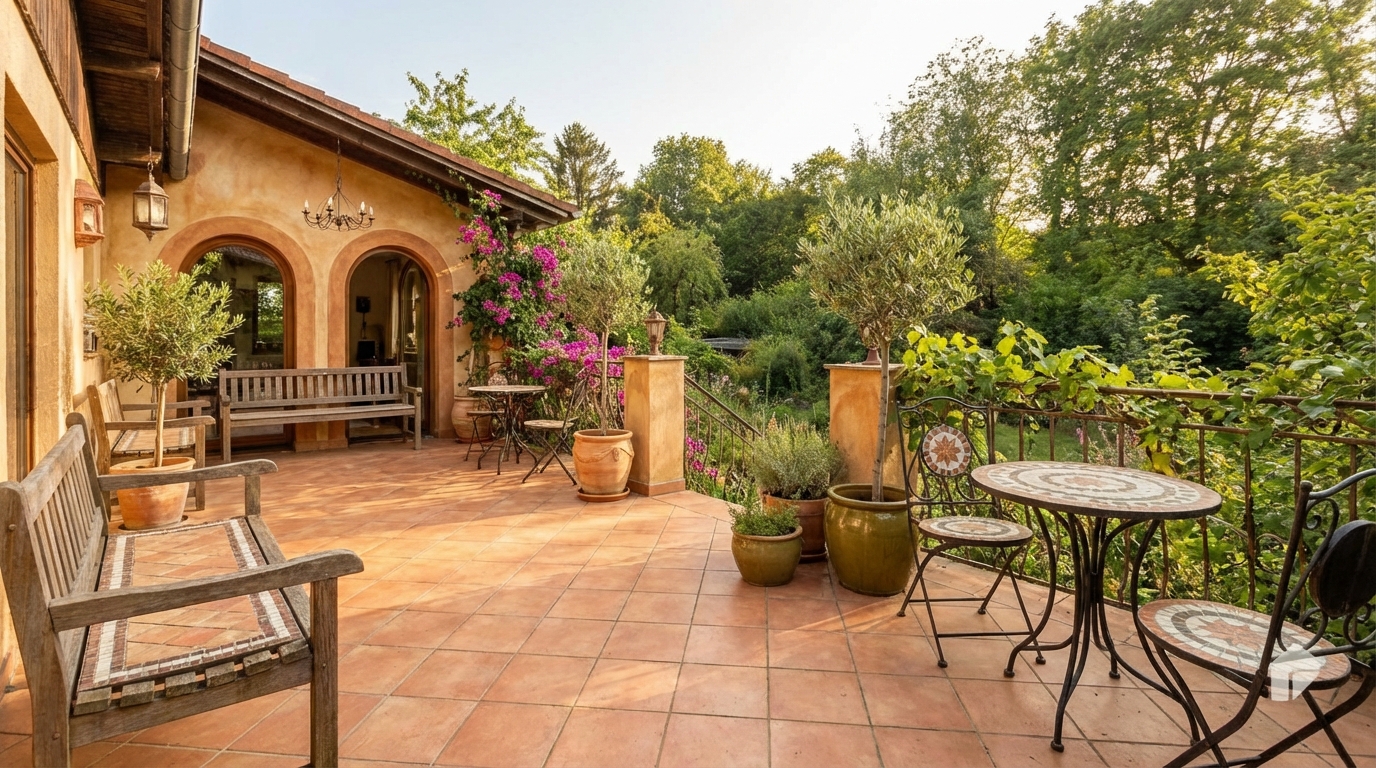
Coastal design captures the casual, sun-bleached aesthetic of an American beach house — whites, blues, weathered wood, and lightweight fabrics create a breezy, relaxed atmosphere. Mediterranean design draws from the stone villas and tile work of Southern Europe — warm terracotta, rich cobalt, wrought iron, and heavy wood create a more substantial, Old World warmth. Coastal is lighter and more casual; Mediterranean is warmer and more formal. Both connect to water and sunlight but express it through very different material palettes.
Best for
- people ready to test options on a real photo before buying
- anyone planning a real living room where conversation distance, TV glare, and traffic past the sofa matter more than Pinterest perfection
- projects already thinking about tile, linen and needing a coherent layout
Skip if
- you will not address conversation distance and only want a filter look
- you need the room finished tomorrow with zero test fits
Common mistakes
In a living room, “coastal” fails when you shopping object-by-object with no envelope decision. Details like tile, linen only work if the plan respects conversation distance, TV glare, and traffic past the sofa. Another miss: pushing every seat against the walls and calling the empty middle “open”.
Decide this first
fix the primary seating pair and one clear path before decorative chairs. Lock a coherent material story instead of random catalog picks as a short list, then use Intero on a real photo so scale and light are honest before you spend.
How to Achieve This Look
- 1
Decide if you prefer cool ocean blues or warm sunset terracottas
- 2
Coastal: use white, blue, and natural textures like rope and jute
- 3
Mediterranean: use terracotta, iron, and textured plaster
- 4
Coastal: keep things casual and breezy
- 5
Mediterranean: embrace ornate details and rich textures
- 6
Both: bring the outdoors in with natural light and greenery
Layout & materials
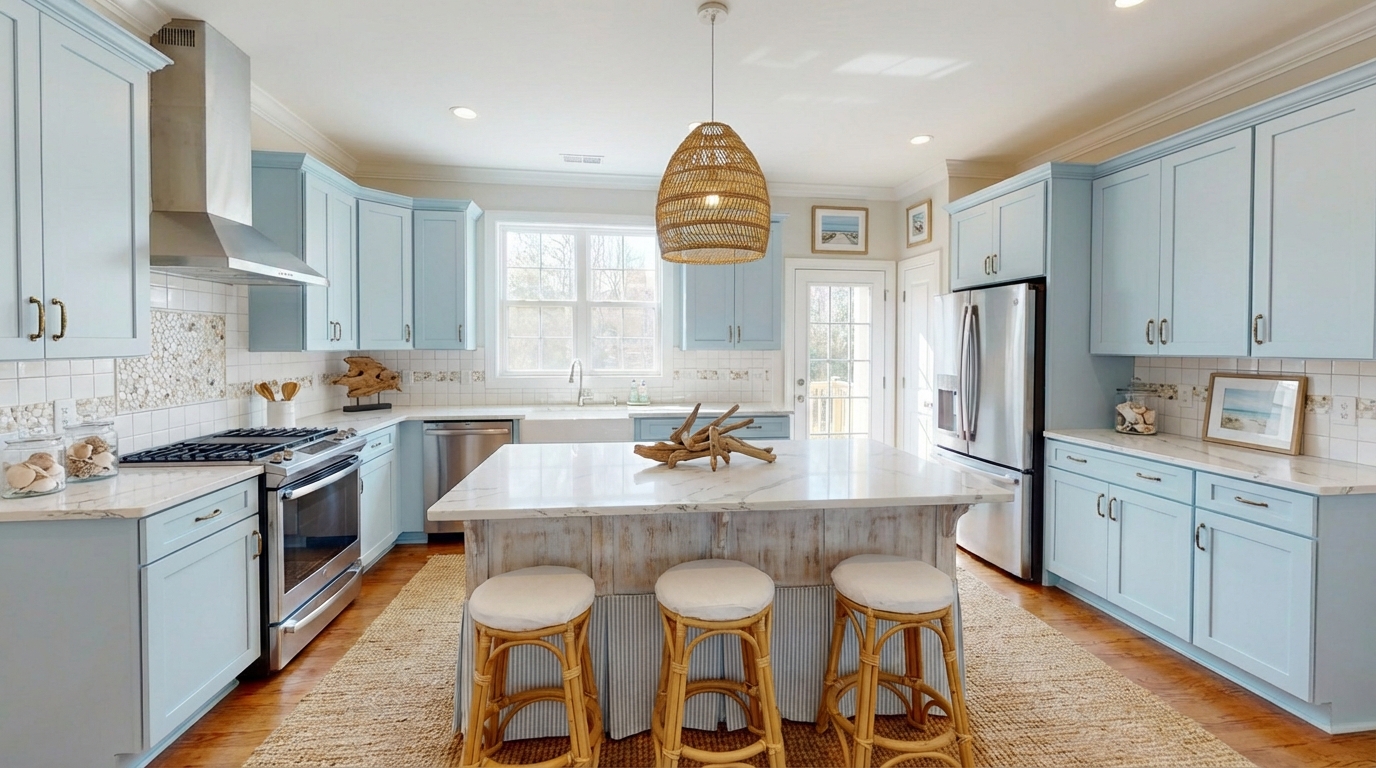
For coastal: use a white and blue palette, add driftwood, rattan, and linen textures, keep things lightweight and casual. For Mediterranean: use terracotta, cobalt, and warm white, add wrought iron, ceramic tiles, and heavy wood furniture. The key differentiator is weight — coastal materials are light and airy; Mediterranean materials are heavy and substantial. Coastal uses jute and cotton; Mediterranean uses iron and stone.
Coastal is a New England beach house; Mediterranean is a Tuscan villa. Both love the sea, but the mood is completely different.
Intero AI helps you decide between coastal casual and Mediterranean warmth by showing both styles in your actual space. Upload a photo and compare the breezy beach house look against the sun-drenched villa aesthetic to see which resonates with your home and lifestyle.
Frequently Asked Questions
Q1 Which style is better for a warm climate?
Both work well, but Mediterranean design is specifically born from warm-climate living. Its thick walls, tile floors, and shaded outdoor spaces are designed to stay cool in heat. Coastal works in any climate where you want beach vibes.
Q2 Can I mix coastal and Mediterranean elements?
Yes — the combination is sometimes called "coastal Mediterranean." Use the warm terracotta and tile of Mediterranean with the lighter, breezier textiles of coastal. The shared blue palette makes mixing natural.
Q3 Which is more expensive to achieve?
Mediterranean design tends to be more costly because it relies on heavier, more expensive materials — natural stone, wrought iron, ceramic tile. Coastal design uses lighter, more affordable materials like cotton, rattan, and painted wood.
Related searches
These are the next pages people usually open while narrowing this design direction.
Design Guides You'll Love
Ready to See This Style in Your Room?
Download Intero and preview this design on your own room photo.
No credit card. No signup. Just results.
Scan to download
Point your phone camera at a code

