Earth Tones — The Palette That Grounds Any Room in Nature
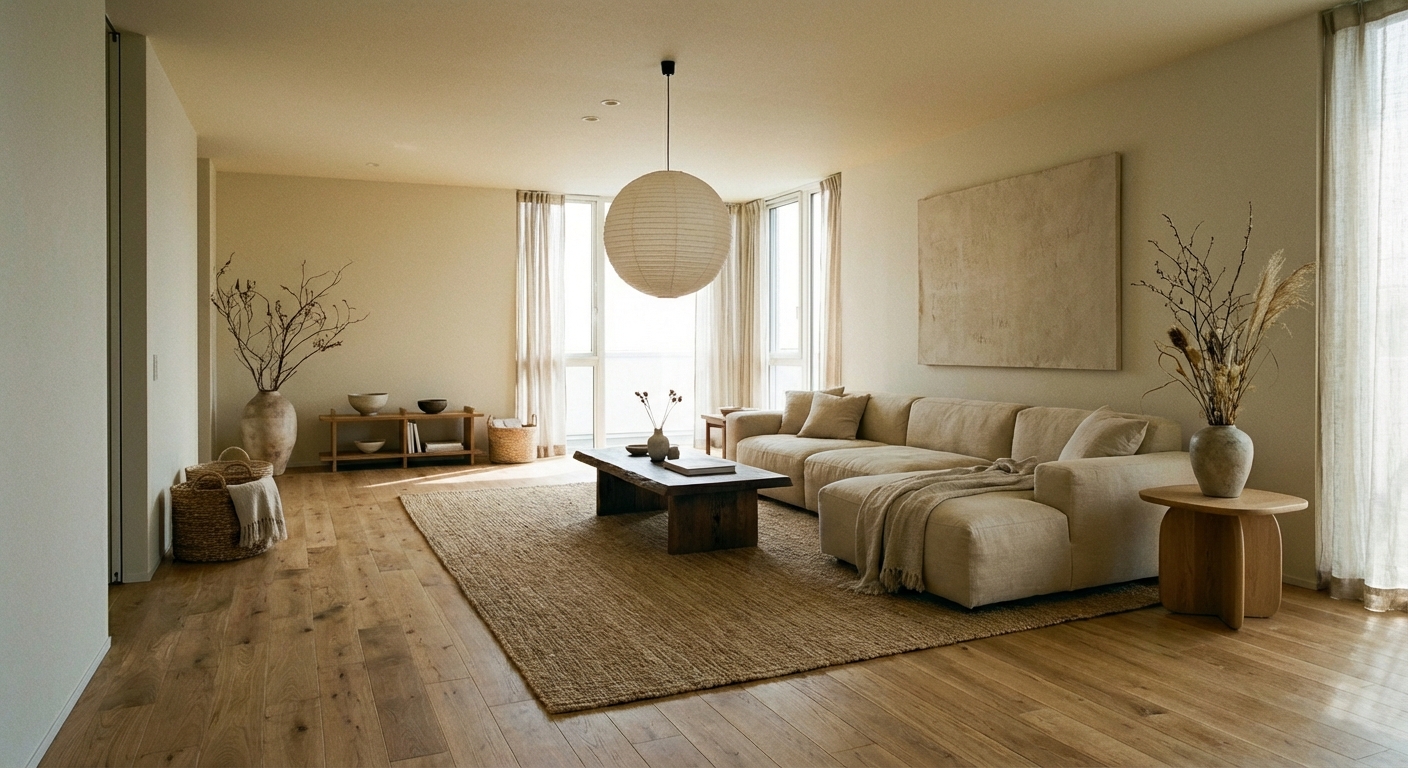
Drawn from the landscape itself — clay, stone, moss, and bark — earth tones create interiors that feel organic, grounded, and eternally in style.
What is Earth Tones Palette for Interior Design?
Drawn from the landscape itself — clay, stone, moss, and bark — earth tones create interiors that feel organic, grounded, and eternally in style.
1/4
See the Transformation
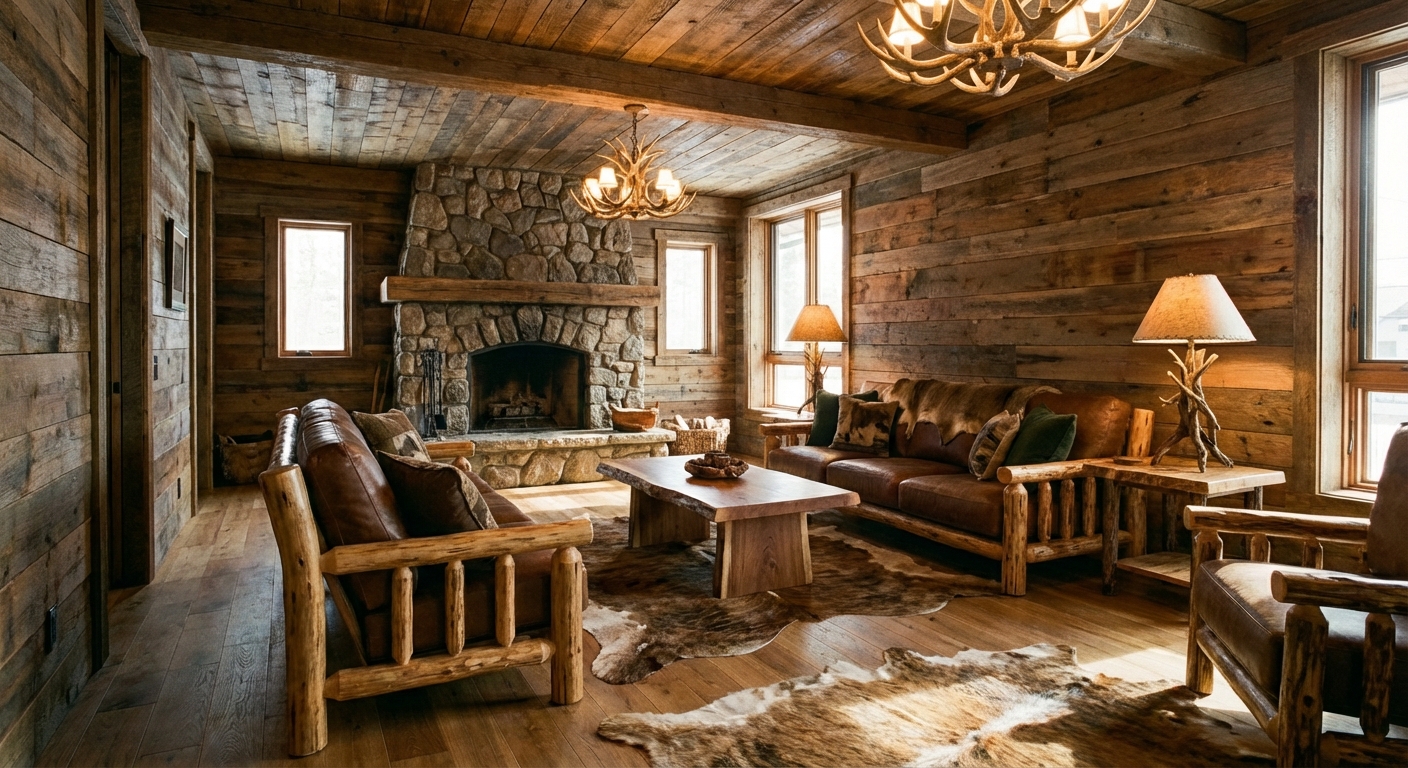
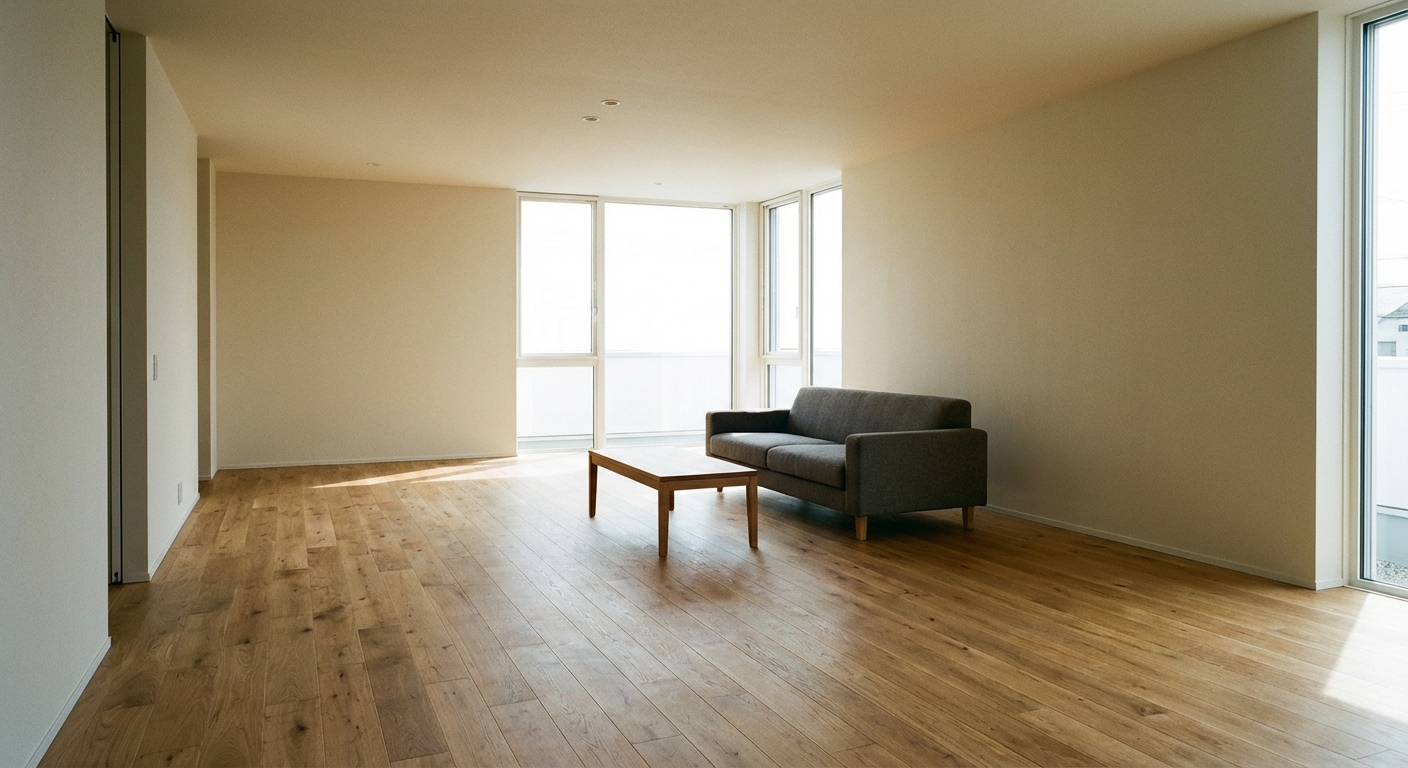
Upload your room photo in the app to see your real transformation
Color Palette
Click any color to copy hex code
Why It Works
Earth tones are the colors of the natural world — terracotta, ochre, olive, clay, sienna, and umber. Humans evolved surrounded by these colors, which is why they register as inherently calming and familiar. Research in biophilic design shows that natural color palettes reduce stress and increase feelings of connection to the environment. The earth tone palette offers remarkable range despite its organic origin: warm reds from clay, greens from foliage, yellows from sand, and browns from soil create a full spectrum that never feels garish. Following the 60-30-10 rule: 60% warm neutral base (cream, sand, or warm white), 30% medium earth tones (terracotta, olive, ochre), and 10% dark anchoring tones (deep brown, charcoal, or black).
Best for
- people ready to test options on a real photo before buying
- anyone planning a real living room where conversation distance, TV glare, and traffic past the sofa matter more than Pinterest perfection
- projects already thinking about linen, curtains, tile and needing a coherent layout
Skip if
- you will not address conversation distance and only want a filter look
- you refuse to remove anything and only add decor
Common mistakes
People pin earth living room ideas and then shopping object-by-object with no envelope decision. Details like linen, curtains, tile only work if the plan respects conversation distance, TV glare, and traffic past the sofa. Another miss: pushing every seat against the walls and calling the empty middle “open”.
Decide this first
fix the primary seating pair and one clear path before decorative chairs. Lock a coherent material story instead of random catalog picks as a short list, then use Intero on a real photo so scale and light are honest before you spend.
How to Achieve This Look
- 1
Choose a warm cream or sand for the base wall color
- 2
Introduce terracotta through pottery, cushions, or a rug
- 3
Add olive green via plants, textiles, or painted furniture
- 4
Use warm brown leather or wood as an anchoring element
- 5
Layer ochre and amber accents through throws and art
- 6
Keep metals warm — brushed brass, aged copper, or matte bronze
Layout & materials
Start with walls in warm white or sand to let the earth tones shine through furniture and textiles. Introduce terracotta through pottery, cushions, or a statement accent wall. Layer olive green through plants, upholstery, or linen curtains. Add ochre and sienna in smaller doses through throws, art, and accessories. Materials should reinforce the palette: natural wood, stone, terracotta tile, jute, linen, and leather. Avoid high-gloss finishes — matte and textured surfaces align with the organic character. Metallics should be warm and aged: brushed brass, aged copper, or blackened iron rather than polished chrome.
Earth tones are forgiving — almost any combination works because they all share warm, natural undertones.
Earth tones require careful balancing — too much brown feels muddy, too much terracotta feels dated. Intero AI lets you test different earth-tone combinations in your room, adjusting the ratio of warm reds to cool greens to find a palette that feels rich and layered rather than monotone.
Frequently Asked Questions
Q1 Are earth tones outdated?
Earth tones cycle in and out of trend lists, but natural colors are timeless. The current earth-tone revival (starting around 2020 and continuing through 2026) favors richer, more saturated versions — deep terracotta rather than pale beige, and true olive rather than sage.
Q2 How do I add earth tones without repainting?
Start with textiles: terracotta cushions, an olive throw, and an ochre rug can shift an entire room toward earth tones. Add natural materials — a wooden tray, ceramic vases in clay tones, and woven baskets. Plants are the easiest and cheapest earth-tone addition.
Q3 What design styles pair best with earth tones?
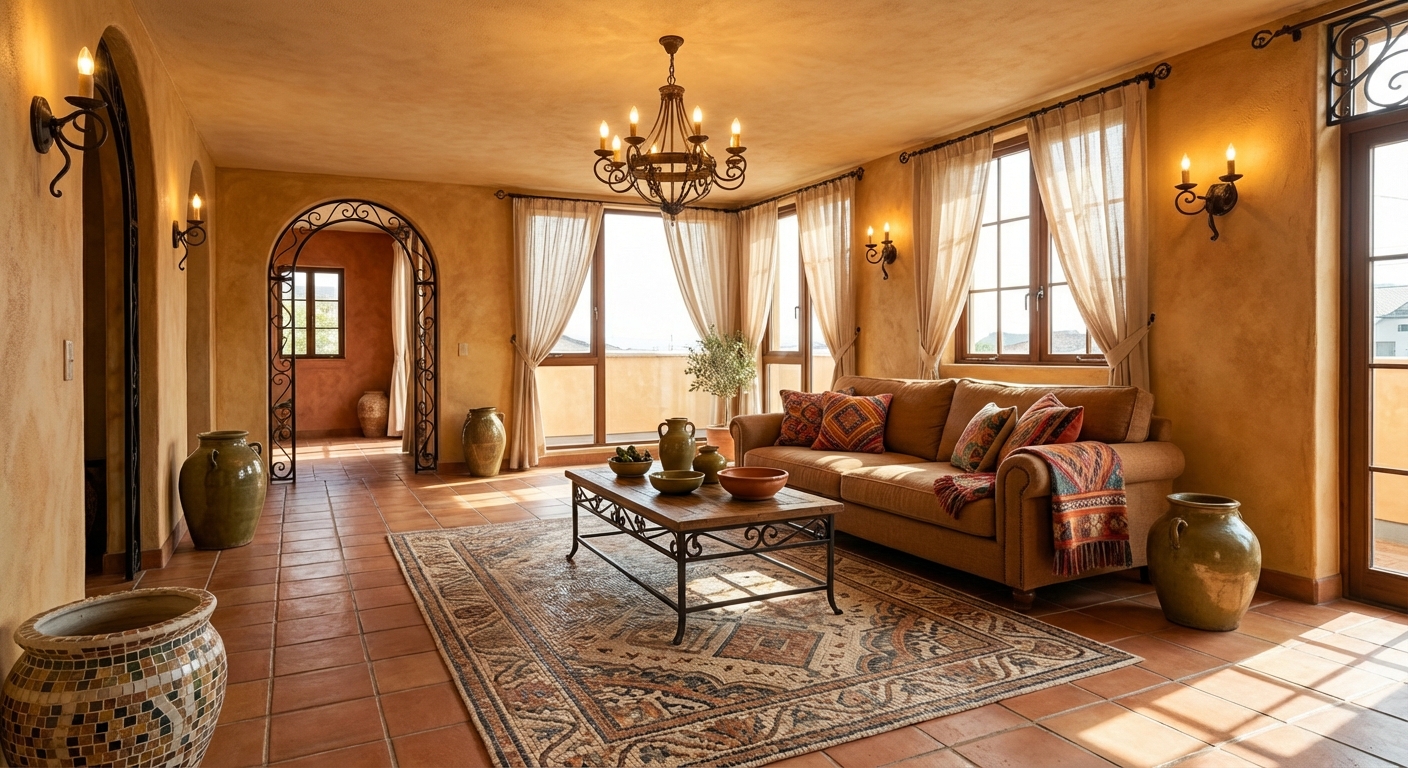
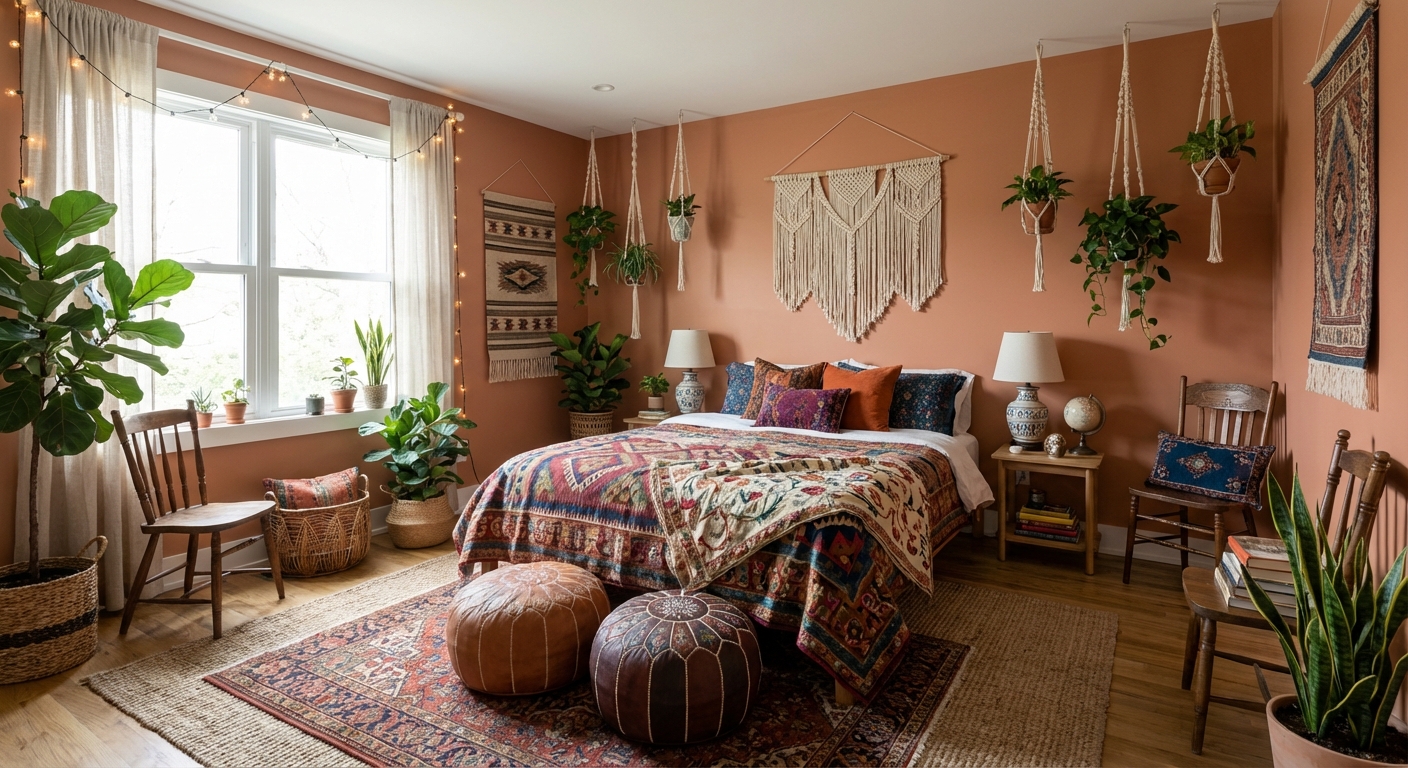
Mediterranean, bohemian, Japandi, and rustic styles naturally use earth tones. Modern and minimalist spaces benefit from earth tones as warming accents against a neutral base. Even Scandinavian design has embraced muted earth tones as an evolution of its traditionally cooler palette.
Related searches
These are the next pages people usually open while narrowing this design direction.
Ready to See This Style in Your Room?
Download Intero and preview this design on your own room photo.
No credit card. No signup. Just results.
Scan to download
Point your phone camera at a code

