Design a Galley Kitchen That Punches Way Above Its Square Footage
Professional chefs prefer galley layouts for a reason — everything is within arm is reach. Your home galley kitchen deserves the same efficiency.
What is Galley Kitchen Design Ideas?
Professional chefs prefer galley layouts for a reason — everything is within arm is reach. Your home galley kitchen deserves the same efficiency.
See the Transformation
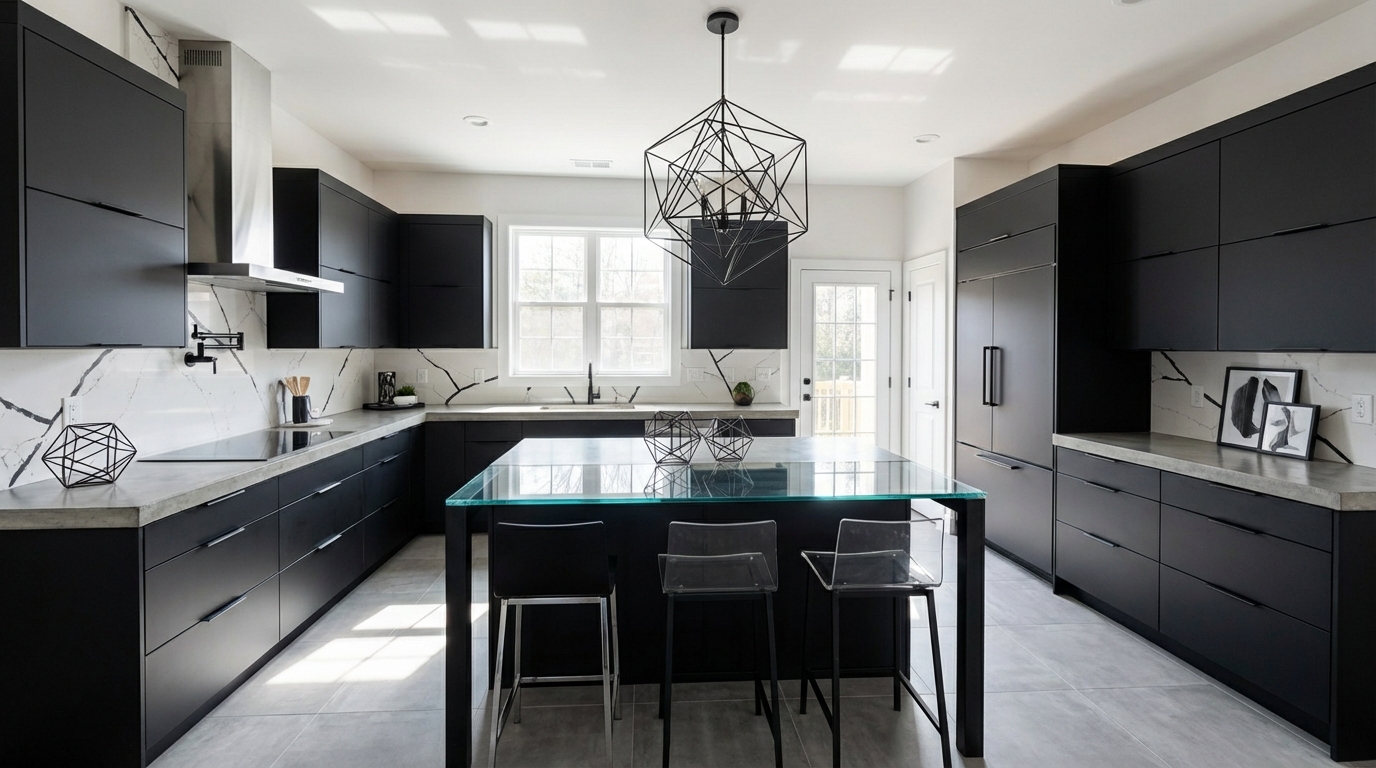
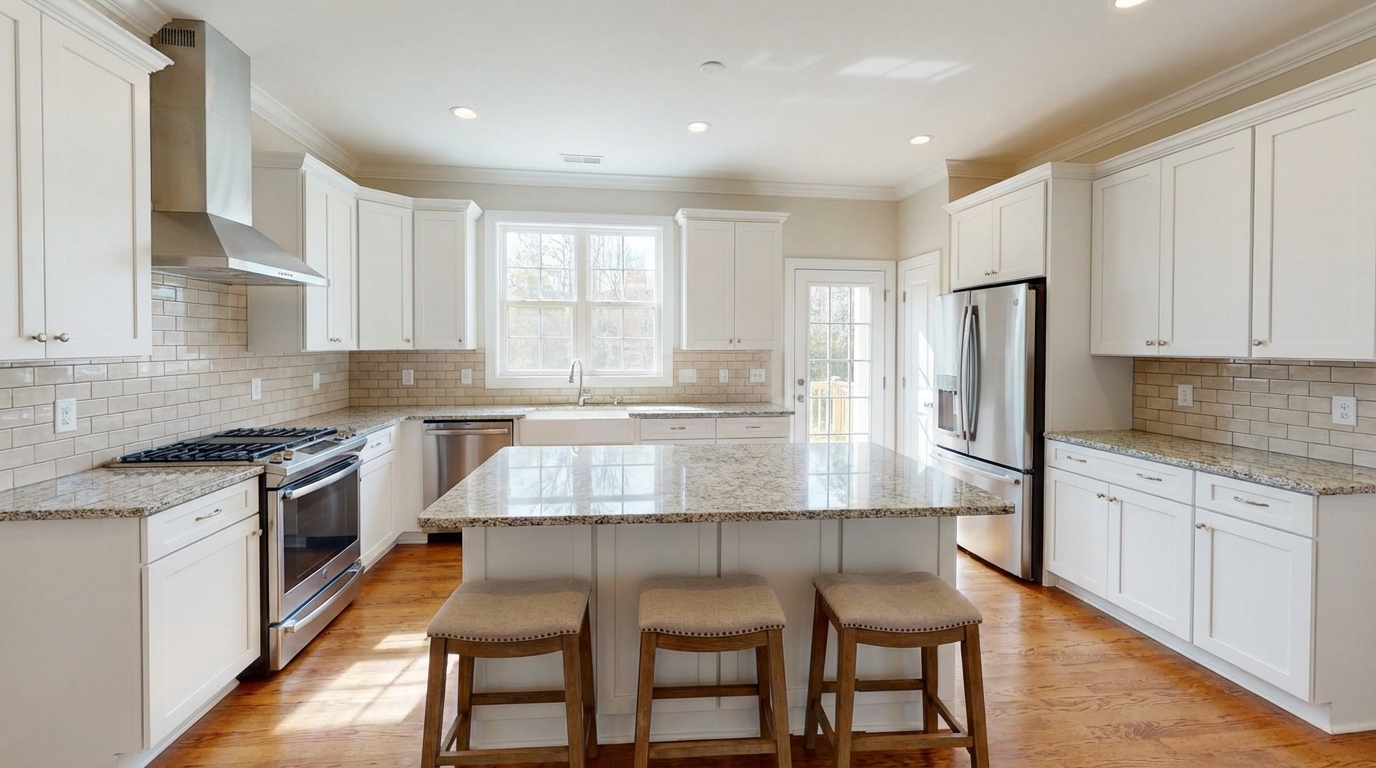
Upload your room photo in the app to see your real transformation
Why It Works
Galley kitchens are the most efficient cooking layout because the parallel counter arrangement puts everything within two steps. Professional restaurant kitchens universally use this layout for a reason — there is zero wasted movement. The two-wall design maximizes counter and cabinet storage relative to floor space, making it ideal for apartments and smaller homes. The perceived downside (narrow corridor) is actually an advantage for cooking: you pivot between prep, cooking, and cleaning without walking across the room.
Best for
- people ready to test options on a real photo before buying
- anyone planning a real kitchen where prep landing space, cook zone, and where dirty dishes actually stack matter more than Pinterest perfection
- projects already thinking about cabinet, cabinets and needing a coherent layout
Skip if
- you will not address prep landing space and only want a filter look
- you need the room finished tomorrow with zero test fits
Common mistakes
People pin galley kitchen ideas and then shopping object-by-object with no envelope decision. Details like cabinet, cabinets only work if the plan respects prep landing space, cook zone, and where dirty dishes actually stack. Another miss: pretty islands with zero landing zone next to the range or fridge.
Decide this first
map prep → cook → clean and keep counters clear in the photo you upload. Lock a coherent material story instead of random catalog picks as a short list, then use Intero on a real photo so scale and light are honest before you spend.
How to Achieve This Look
Ensure at least 42 inches between the two counter runs (48 inches if two people cook simultaneously). Place the sink on one side and the range on the opposite for the shortest work triangle possible. Use every vertical inch: cabinets to the ceiling with a rolling library ladder or step stool for high storage. Light colors and reflective surfaces (glossy backsplash, light countertops) prevent the corridor from feeling dark. If the galley is closed at one end, consider adding a window or pass-through to borrow visual space. Replace some upper cabinets with open shelving on one wall to reduce the corridor-like feel.
Galley kitchens are unforgiving of poor layout choices — the wrong appliance placement or oversized fixture makes the narrow space feel even tighter. Upload your galley kitchen to Intero and test different configurations. See how removing upper cabinets on one wall opens the space, or whether a lighter countertop color makes the kitchen feel wider.
Frequently Asked Questions
Q1 How do you make a galley kitchen feel less narrow?
Light colors on walls and cabinets (white or light gray), reflective backsplash (subway tile, glass), under-cabinet lighting, and removing upper cabinets on one wall in favor of open shelving. If the galley is open at one end, extend the sight line into the adjacent room. Avoid dark flooring — it shrinks the perceived width.
Q2 What width should a galley kitchen be?
The corridor between counters should be at least 42 inches (3.5 feet) for a single cook and 48 inches (4 feet) for two people working simultaneously. Total room width including counters typically runs 7-12 feet. Below 42 inches of corridor width, the kitchen becomes frustrating to use and may not meet building codes.
Q3 Can you add an island to a galley kitchen?
Only if the corridor width exceeds 60 inches after the island is placed (maintaining 36-42 inches of clearance on each side). In most galley kitchens, a narrow rolling cart (18-24 inches deep) works better than a fixed island. Position it against one counter when not in use and pull it into the center for extra prep space when cooking.
Related searches
These are the next pages people usually open while narrowing this design direction.
You Might Also Like
Ready to See This Style in Your Room?
Download Intero and preview this design on your own room photo.
No credit card. No signup. Just results.
Scan to download
Point your phone camera at a code

