Design a Home Bar That Makes Going Out Feel Optional
From a dedicated wet bar to a converted closet cocktail station — a home bar elevates everyday entertaining without leaving the house.
What is Home Bar Design Ideas?
From a dedicated wet bar to a converted closet cocktail station — a home bar elevates everyday entertaining without leaving the house.
See the Transformation
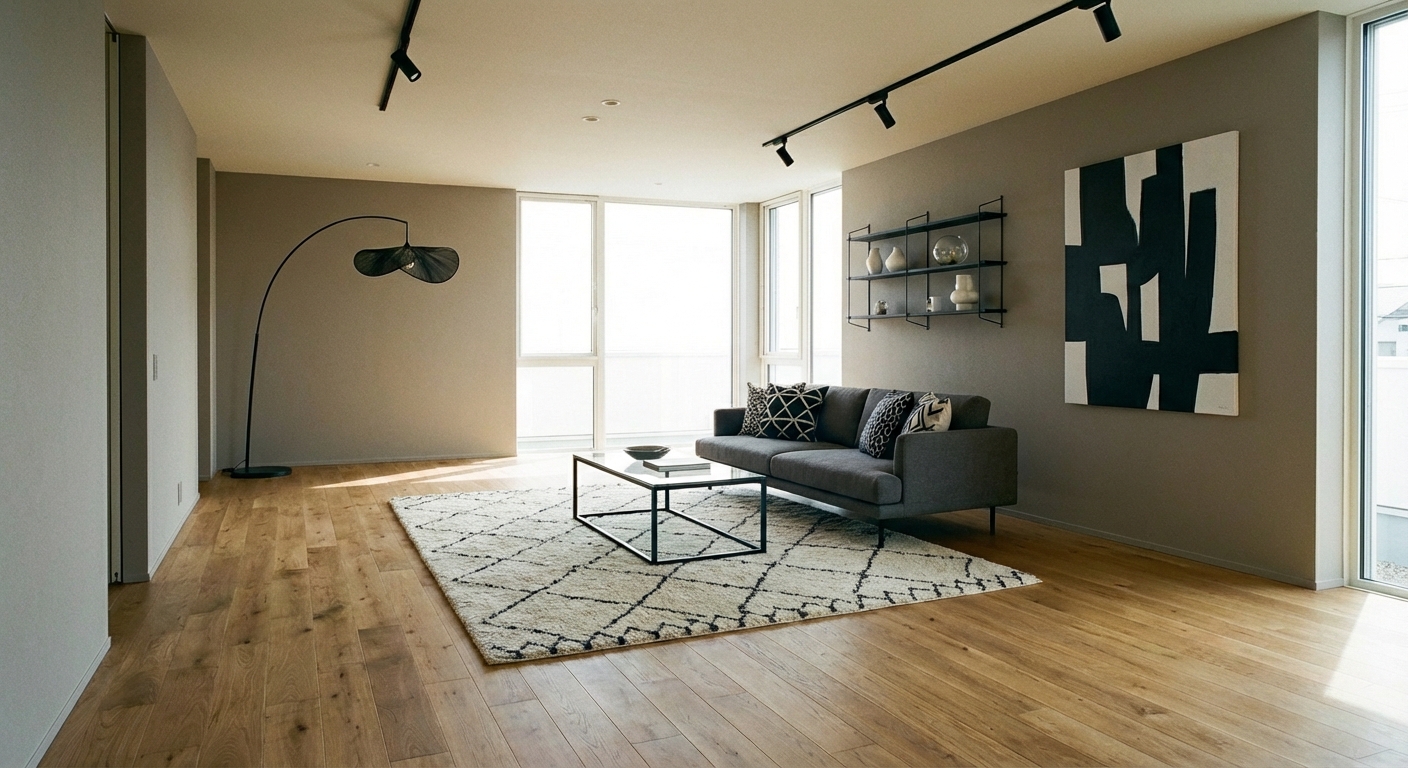
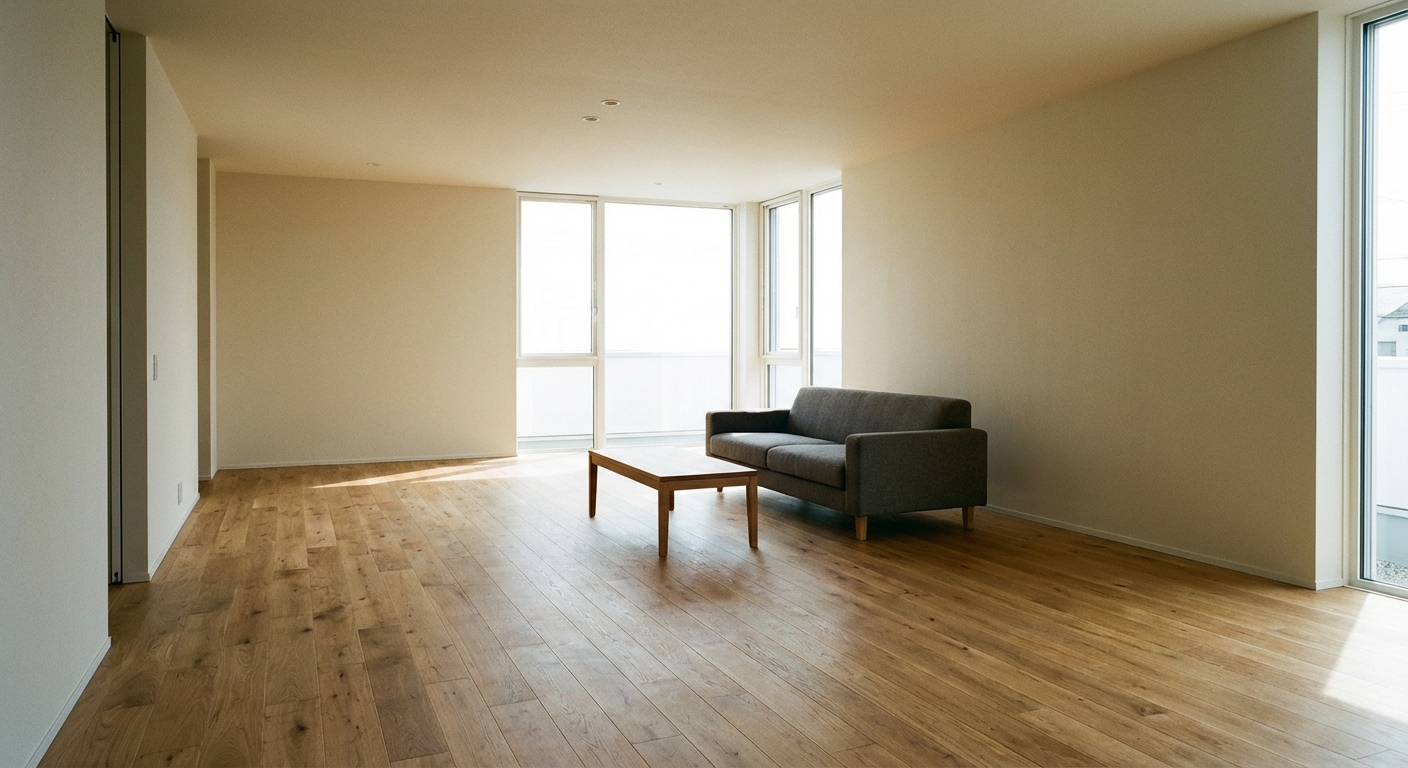
Upload your room photo in the app to see your real transformation
Why It Works
A home bar works because it transforms the act of making a drink from a kitchen task into a social experience. The dedicated space — with proper glassware, tools, and spirits on display — elevates a Tuesday gin and tonic into an intentional ritual. For entertaining, a bar creates a natural gathering point that draws guests away from the kitchen and into a social zone. The display aspect also adds visual interest: a well-curated bar shelf is as decorative as any bookcase.
Best for
- people ready to test options on a real photo before buying
- anyone planning a real living room where conversation distance, TV glare, and traffic past the sofa matter more than Pinterest perfection
- projects already thinking about cabinet and needing a coherent layout
Skip if
- you will not address conversation distance and only want a filter look
- you need the room finished tomorrow with zero test fits
Common mistakes
The usual home living room miss is shopping object-by-object with no envelope decision. Details like cabinet only work if the plan respects conversation distance, TV glare, and traffic past the sofa. Another miss: pushing every seat against the walls and calling the empty middle “open”.
Decide this first
fix the primary seating pair and one clear path before decorative chairs. Lock a coherent material story instead of random catalog picks as a short list, then use Intero on a real photo so scale and light are honest before you spend.
How to Achieve This Look
Determine your bar type based on available space and plumbing access. A wet bar (with sink) needs plumbing but handles proper cocktail making. A dry bar (cabinet/cart) works anywhere and suits wine-and-spirits service. For a dedicated bar area, use a counter at 42 inches height (bar standard) with 2-3 stools. Install glass shelving with LED backlighting to display bottles — the backlit bottle wall is the signature element. Include a small under-counter refrigerator or wine cooler. For the countertop, dark stone or butcher block creates a pub-like atmosphere. Add a brass or copper bar rail on the counter edge for authentic bar character. Open shelving for glassware adds visual depth and makes grabbing glasses effortless.
A home bar can range from a converted closet to a full basement pub — the design approach differs dramatically by scale and location. Upload your space to Intero and visualize different bar configurations. See how a bar fits into your living room corner, basement, or dining area. Test different counter materials, shelving arrangements, and lighting approaches before building.
Frequently Asked Questions
Q1 How much space do you need for a home bar?
A bar cart or cabinet-style dry bar works in as little as 2x3 feet. A built-in bar with counter seating needs a minimum of 4 feet of counter width (for 2 stools) and 3 feet of depth. A full wet bar with sink, refrigerator, and storage typically requires 6-10 linear feet of counter. Allow 24 inches of counter width per stool.
Q2 What is the difference between a wet bar and a dry bar?
A wet bar has a sink and running water, making it self-sufficient for mixing cocktails, cleaning glasses, and dumping ice. A dry bar is a serving station without plumbing — a cabinet, cart, or counter with bottle and glass storage. Wet bars require plumbing installation ($1,000-$3,000) but offer full functionality. Dry bars can go anywhere at any budget.
Q3 How much does it cost to build a home bar?
A bar cart setup runs $200-$800. A built-in dry bar with cabinetry and counter costs $2,000-$8,000. A full wet bar with plumbing, under-counter refrigerator, and custom finishes typically costs $5,000-$20,000. A full basement pub with seating, multiple taps, and entertainment systems can exceed $30,000. Intero helps you visualize the result before committing to the investment.
Related searches
These are the next pages people usually open while narrowing this design direction.
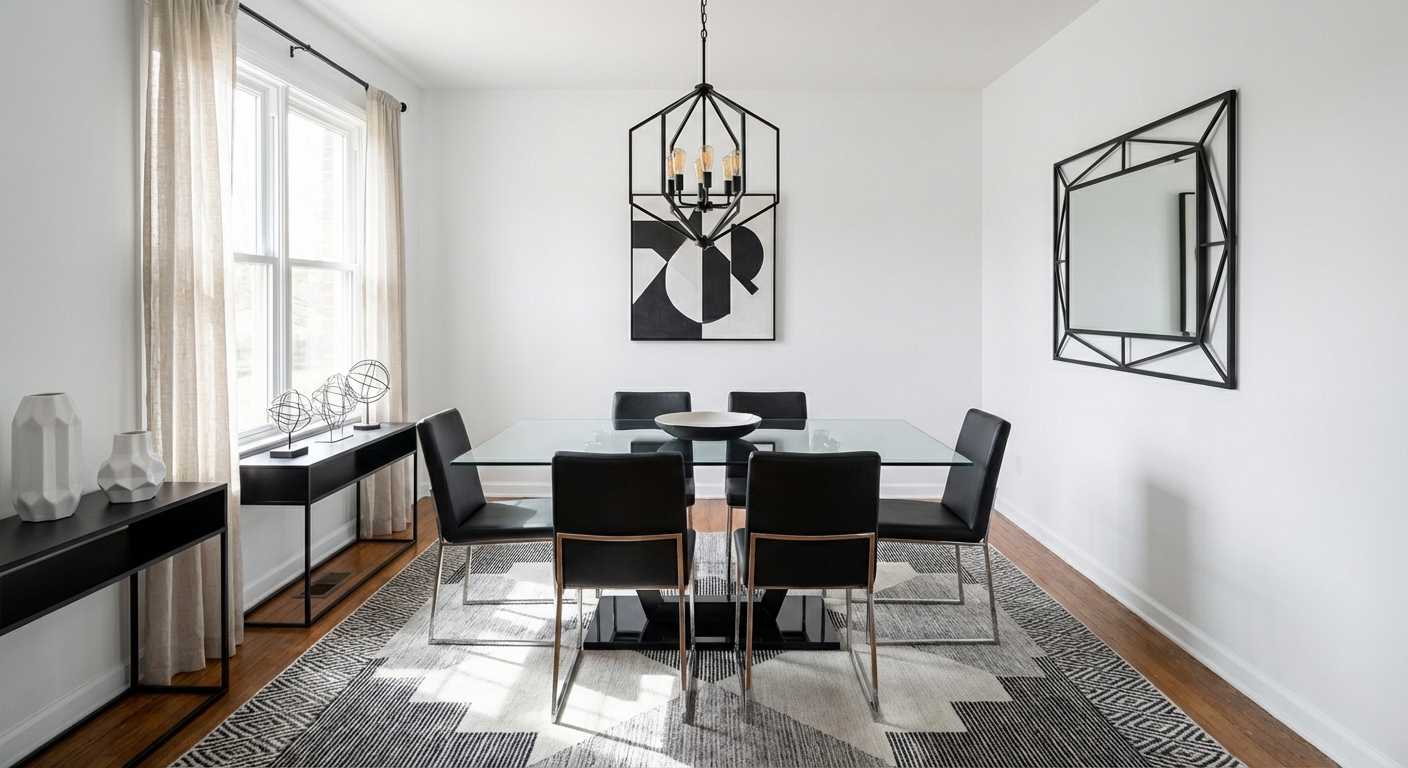
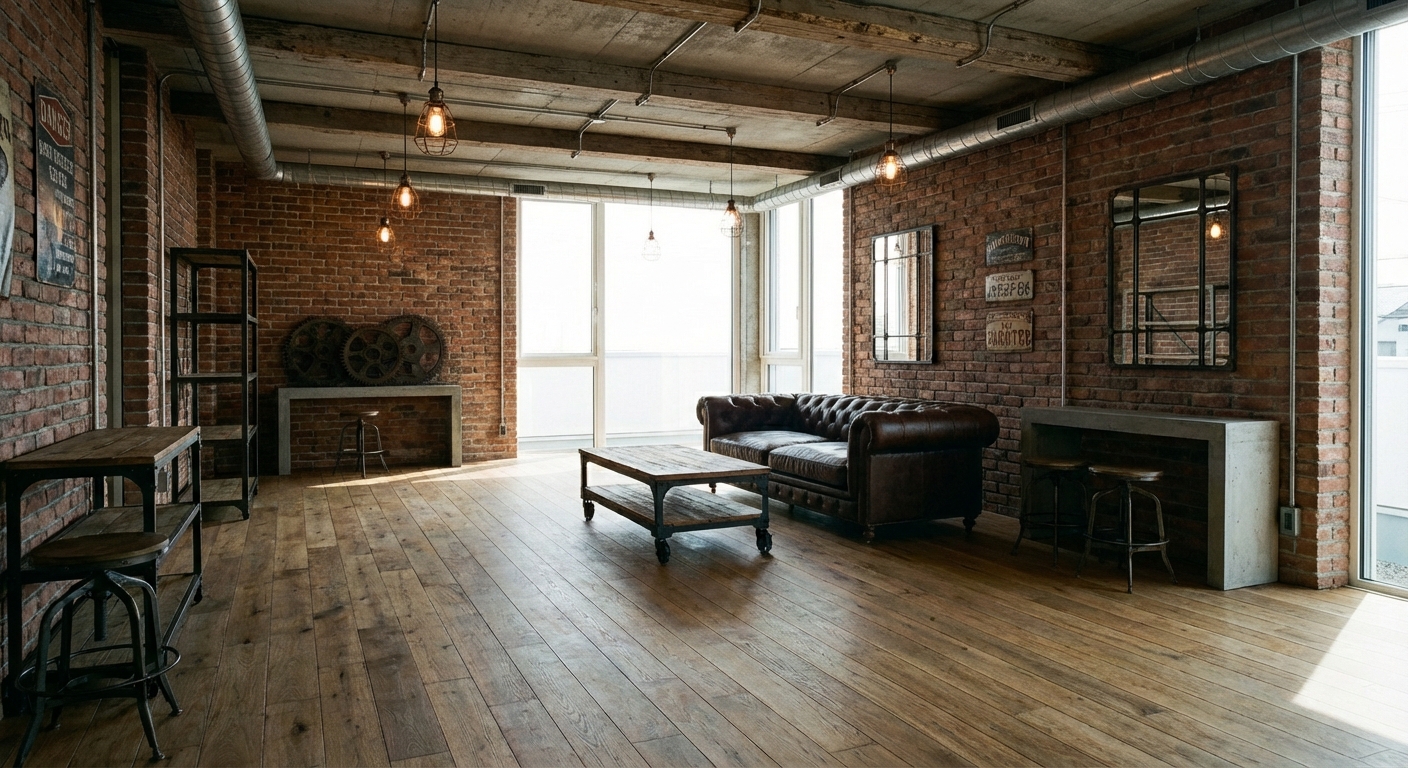
Ready to See This Style in Your Room?
Download Intero and preview this design on your own room photo.
No credit card. No signup. Just results.
Scan to download
Point your phone camera at a code

