How to Create an Indoor Garden That Thrives — Not Just Survives
An indoor garden is more than a collection of houseplants. It is a designed environment where plants flourish and humans experience the restorative power of nature daily.
What is How to Create an Indoor Garden or Plant Room?
An indoor garden is more than a collection of houseplants. It is a designed environment where plants flourish and humans experience the restorative power of nature daily.
See the Transformation
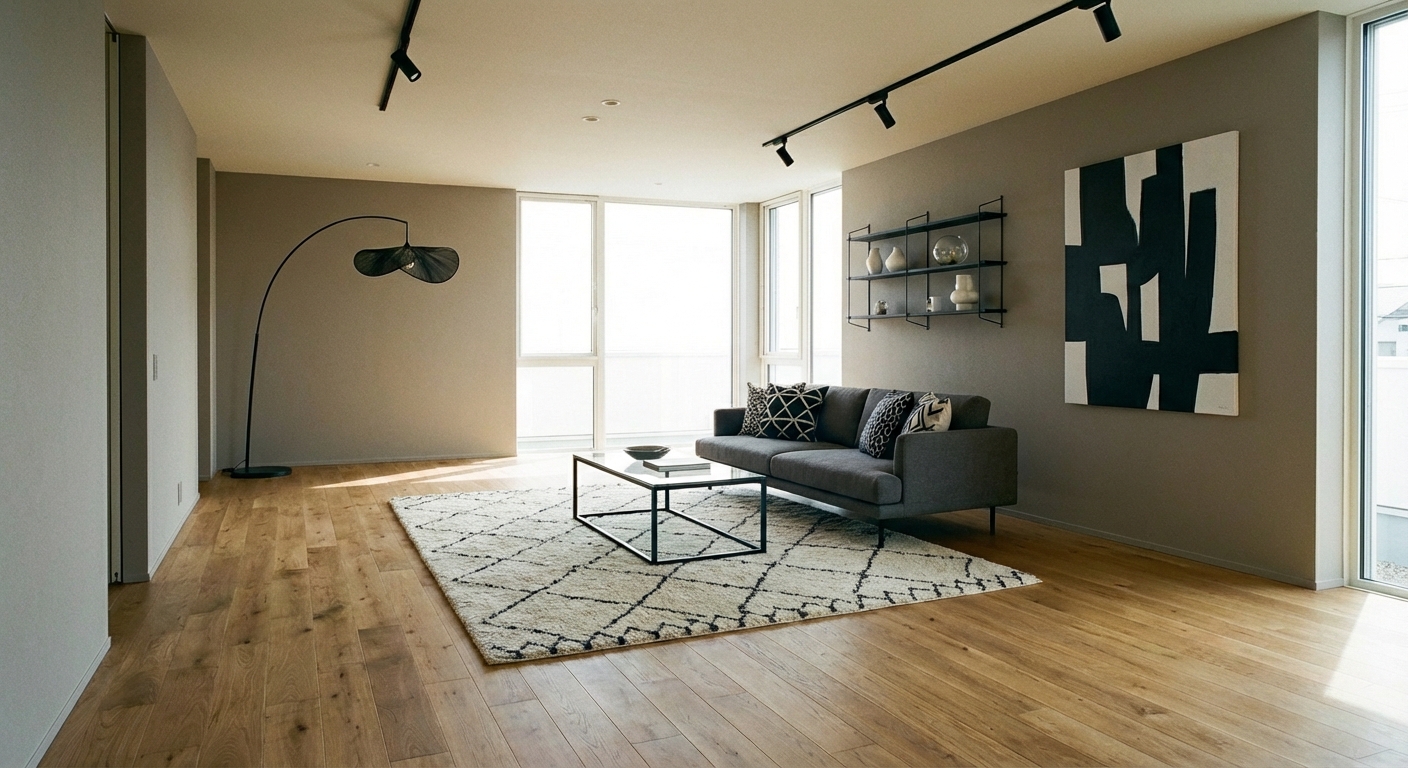
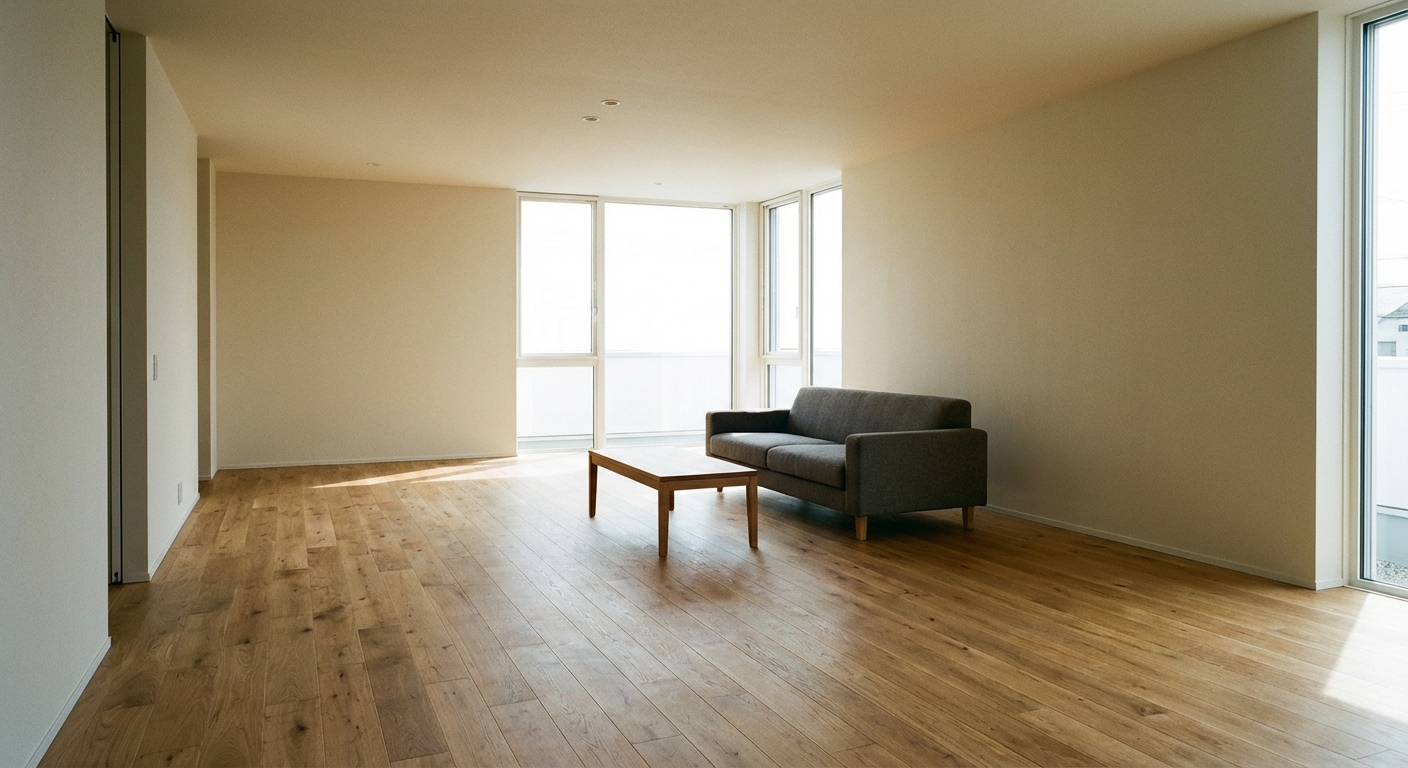
Upload your room photo in the app to see your real transformation
Why It Works
Indoor gardens deliver measurable wellness benefits: improved air quality, reduced stress hormones, increased humidity (beneficial in heated or air-conditioned homes), and the psychological boost of caring for living things. The design works by creating conditions where plants actually thrive — not the slow decline that most houseplants experience in typical rooms. Proper light (supplemented with grow lights if natural light is insufficient), adequate humidity (grouping plants increases local humidity), and organized watering systems turn the survival game into a flourishing garden. The visual impact of massed greenery — plants grouped together rather than scattered individually — creates an immersive biophilic experience that single potted plants cannot achieve.
How to Achieve This Look
Choose a room or zone with the best available light — a south or west-facing window, a sunroom, or a bright corner. Group plants by light and water needs: high-light tropicals (monstera, bird of paradise, fiddle-leaf fig) near windows, medium-light plants (pothos, philodendron, peace lily) in bright indirect zones, and low-light species (snake plant, ZZ plant) in darker corners. Install shelving at multiple heights to create a vertical garden effect. Add grow lights for any areas without adequate natural light — full-spectrum LED grow lights provide what sun-deprived plants need. Place a pebble tray (tray with water and pebbles) beneath plant groupings to boost local humidity. Use a consistent watering schedule and invest in a moisture meter to prevent over and under-watering. Add a small bench or chair to create a sitting spot within the garden — the space should invite lingering, not just maintenance.
Intero AI helps you plan the indoor garden layout for your specific light conditions and room dimensions. Preview different plant arrangements, shelving configurations, and display strategies to create a garden that looks lush and designed rather than like a random plant collection.
"Saved thousands on interior design fees. The AI suggestions were spot-on."
— James R.
Frequently Asked Questions
Q1 What are the best plants for an indoor garden?
For visual impact: monstera deliciosa, bird of paradise, fiddle-leaf fig, and rubber plant provide large-scale drama. For trailing displays: pothos, string of pearls, and trailing philodendron cascade beautifully from shelves. For low maintenance: snake plant, ZZ plant, and pothos tolerate neglect. Mix sizes and leaf shapes for the most natural, garden-like effect.
Q2 Do I need grow lights for an indoor garden?
If your space receives less than four hours of bright indirect light, yes. Full-spectrum LED grow lights ($30-100 for a quality panel) supplement natural light and enable plant health in rooms that would otherwise kill most species. Place lights 12-24 inches above plants for 10-12 hours daily.
Q3 How do I prevent an indoor garden from damaging floors and furniture?
Use saucers under every pot, pebble trays to catch overflow, and waterproof liners under plant groupings. Wipe leaves regularly to prevent dust and water spots on nearby surfaces. Keep trailing plants trimmed before they contact walls or furniture. Elevate plants on stands to improve airflow underneath.
Related searches
These are the next pages people usually open while narrowing this design direction.
You Might Also Like
Ready to Transform Your Room?
Download Intero and see this design in your space in seconds.
No credit card. No signup. Just results.