The Complete Guide to Biophilic Interior Design
Biophilic design is not just about adding plants. It is a science-backed framework for creating spaces that improve health, reduce stress, and reconnect us with nature.
What is Complete Guide to Biophilic Design?
Biophilic design is not just about adding plants. It is a science-backed framework for creating spaces that improve health, reduce stress, and reconnect us with nature.
See the Transformation
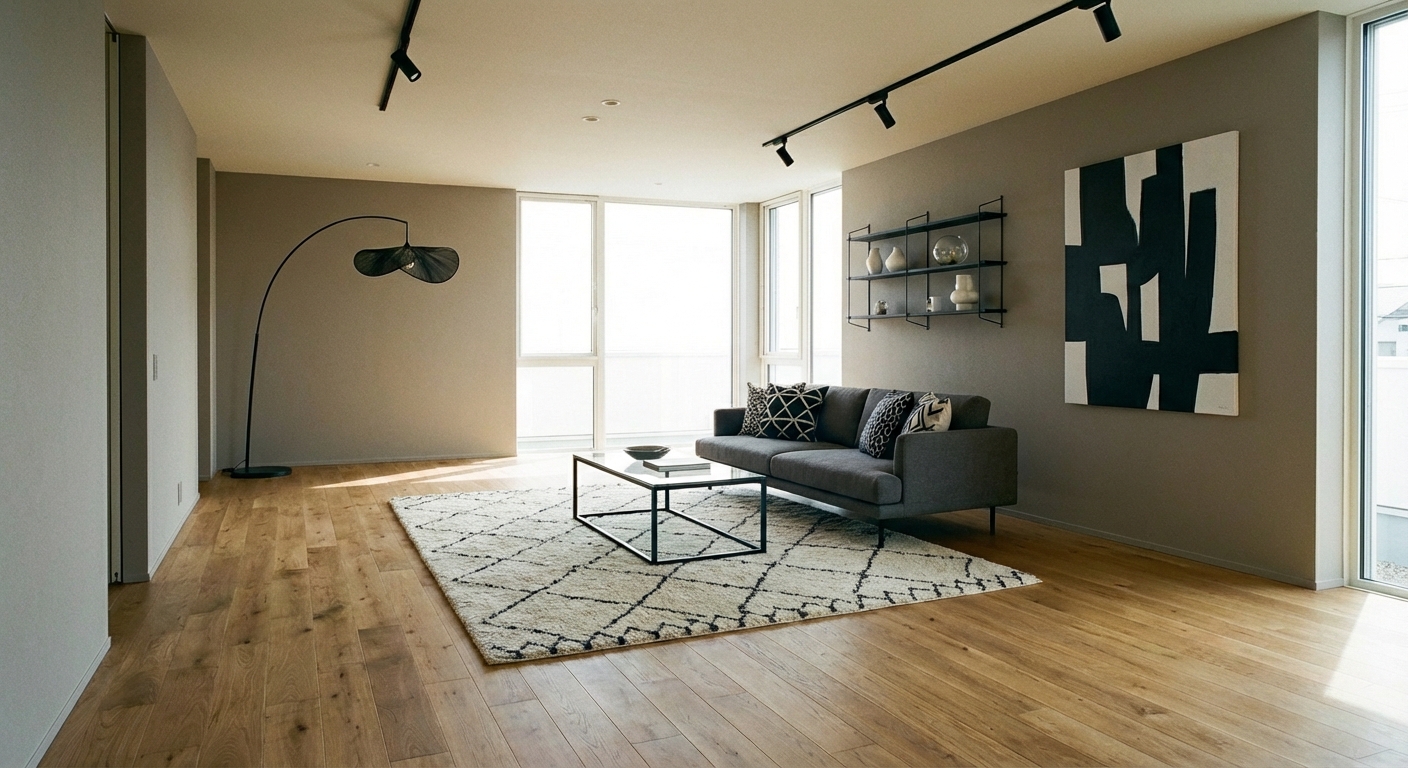
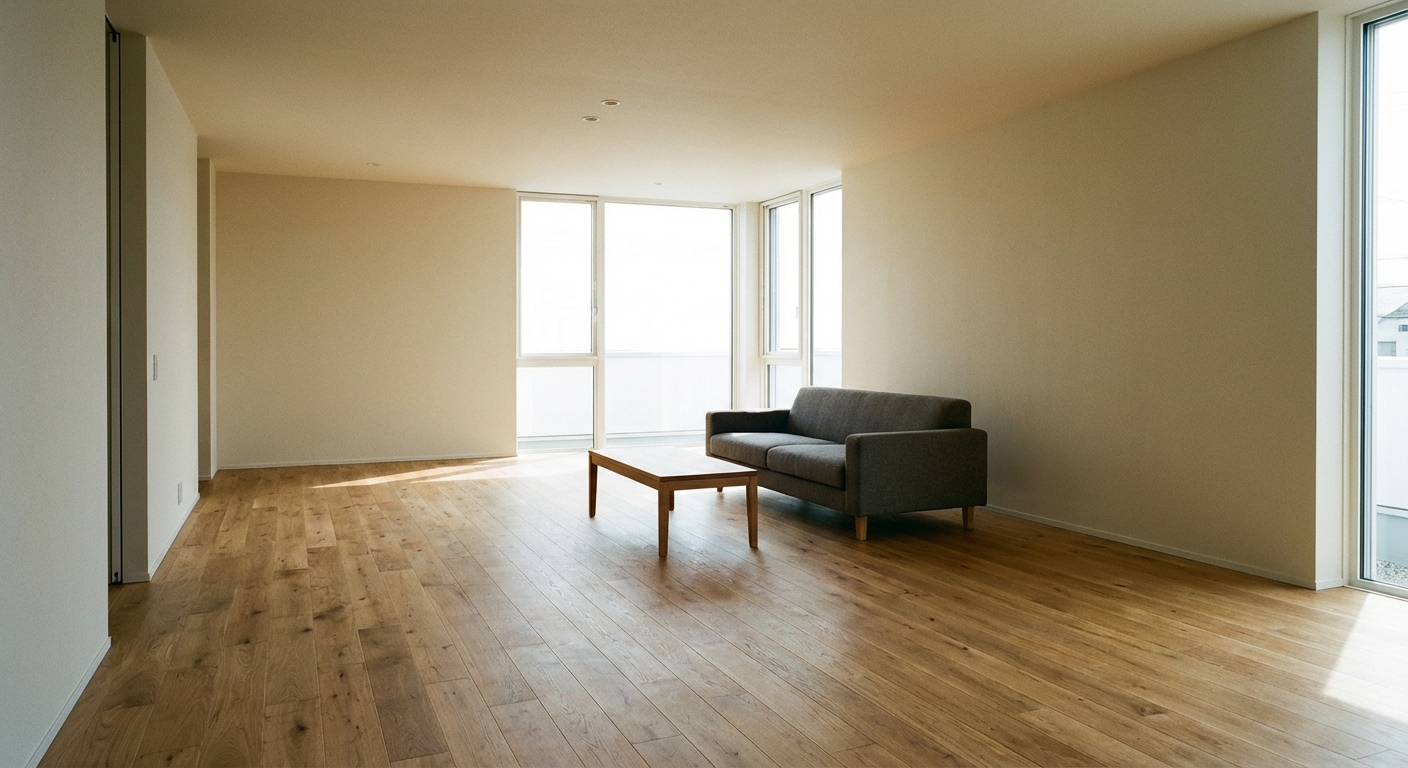
Upload your room photo in the app to see your real transformation
Why It Works
Biophilic design is based on the biophilia hypothesis, proposed by biologist E.O. Wilson in 1984, which argues that humans have an innate need to connect with nature and living systems. Decades of research have validated this: spaces designed with biophilic principles reduce blood pressure by up to 15%, lower cortisol levels, accelerate healing times in hospitals, and improve cognitive performance and creativity in workplaces. The 14 Patterns of Biophilic Design, published by Terrapin Bright Green, provide a framework that goes far beyond potted plants. The patterns include visual connection to nature (views, plants), non-visual connection (natural sounds, air flow, scents), non-rhythmic sensory stimuli (moving water, flickering light), thermal and airflow variability, presence of water, dynamic and diffuse light, and spatial patterns like prospect-and-refuge (the instinct to seek spaces where you can see broadly but feel protected). This is design rooted in evolutionary psychology rather than aesthetic preference.
Best for
- people ready to test options on a real photo before buying
- anyone planning a real living room where conversation distance, TV glare, and traffic past the sofa matter more than Pinterest perfection
- projects already thinking about lighting and needing a coherent layout
Skip if
- you will not address conversation distance and only want a filter look
- you need the room finished tomorrow with zero test fits
Common mistakes
The usual complete living room miss is shopping object-by-object with no envelope decision. Details like lighting only work if the plan respects conversation distance, TV glare, and traffic past the sofa. Another miss: pushing every seat against the walls and calling the empty middle “open”.
Decide this first
fix the primary seating pair and one clear path before decorative chairs. Lock a coherent material story instead of random catalog picks as a short list, then use Intero on a real photo so scale and light are honest before you spend.
How to Achieve This Look
Start with light: maximize natural light through sheer window treatments, light-colored walls that reflect daylight, and mirrors positioned to bounce light deeper into rooms. Add living elements at multiple scales: large floor plants, medium tabletop plants, and small terrariums or propagation vases. Use natural materials with visible texture: wood with grain, stone with veining, woven fibers that show their construction. Incorporate water where possible — a tabletop fountain, an indoor water wall, or at minimum the sound of water through a small feature. Use nature-derived color palettes: greens, earth tones, sky blues, and sunset warm tones. Integrate natural patterns: fractal geometry (found in ferns, branching trees, and river networks) in art, textiles, or architectural details. Create prospect-and-refuge zones: window seats with overhead canopies, reading nooks with views, and alcoves with plant overhangs. Vary light throughout the day with dimmable warm lighting that mimics natural light cycles.
Biophilic design involves spatial decisions — light angles, plant placement, material combinations — that are hard to predict from a product photo. Intero AI lets you visualize biophilic transformations in your room: see how living walls, natural materials, and reconfigured light change the feel of your space before investing in permanent changes.
Frequently Asked Questions
Q1 Do I need to fill my home with plants for biophilic design?
Plants are one element of biophilic design, not the whole framework. Natural materials (wood, stone), natural light, water features, nature-inspired color palettes, views of the outdoors, and nature-patterned textiles all contribute. A plant-free room with natural materials, good light, and nature views can be more biophilic than a room full of plants on a windowless wall.
Q2 Is biophilic design backed by real science?
Yes — extensively. Peer-reviewed studies show biophilic environments reduce stress hormones, improve healing times, boost productivity, and enhance mood. Hospitals, schools, and workplaces increasingly adopt biophilic principles based on measurable health and performance outcomes.
Q3 Can I practice biophilic design in an apartment?
Absolutely. Maximize whatever natural light you have, add plants suited to your light levels (pothos, snake plants, and ZZ plants tolerate low light), use natural materials for furniture and textiles, play nature sounds, and display nature photography or art. Even small biophilic additions measurably improve well-being.
Q4 What is the difference between biophilic design and just decorating with nature?
Decorating with nature is aesthetic — adding plants and wood because they look nice. Biophilic design is intentional and research-backed — it considers light patterns, spatial configurations, sensory variety, and evolutionary psychology to create spaces that measurably improve human health. The former is a style choice; the latter is a design framework.
Related searches
These are the next pages people usually open while narrowing this design direction.
You Might Also Like
Ready to See This Style in Your Room?
Download Intero and preview this design on your own room photo.
No credit card. No signup. Just results.
Scan to download
Point your phone camera at a code

