How to Create a Meditation Space That Quiets Your Mind Before You Sit
A dedicated meditation space is not about religion or trend — it is about having one spot in your home designed specifically to lower your stress. Even a corner works.
What is How to Create a Meditation & Zen Space at Home?
A dedicated meditation space is not about religion or trend — it is about having one spot in your home designed specifically to lower your stress. Even a corner works.
See the Transformation
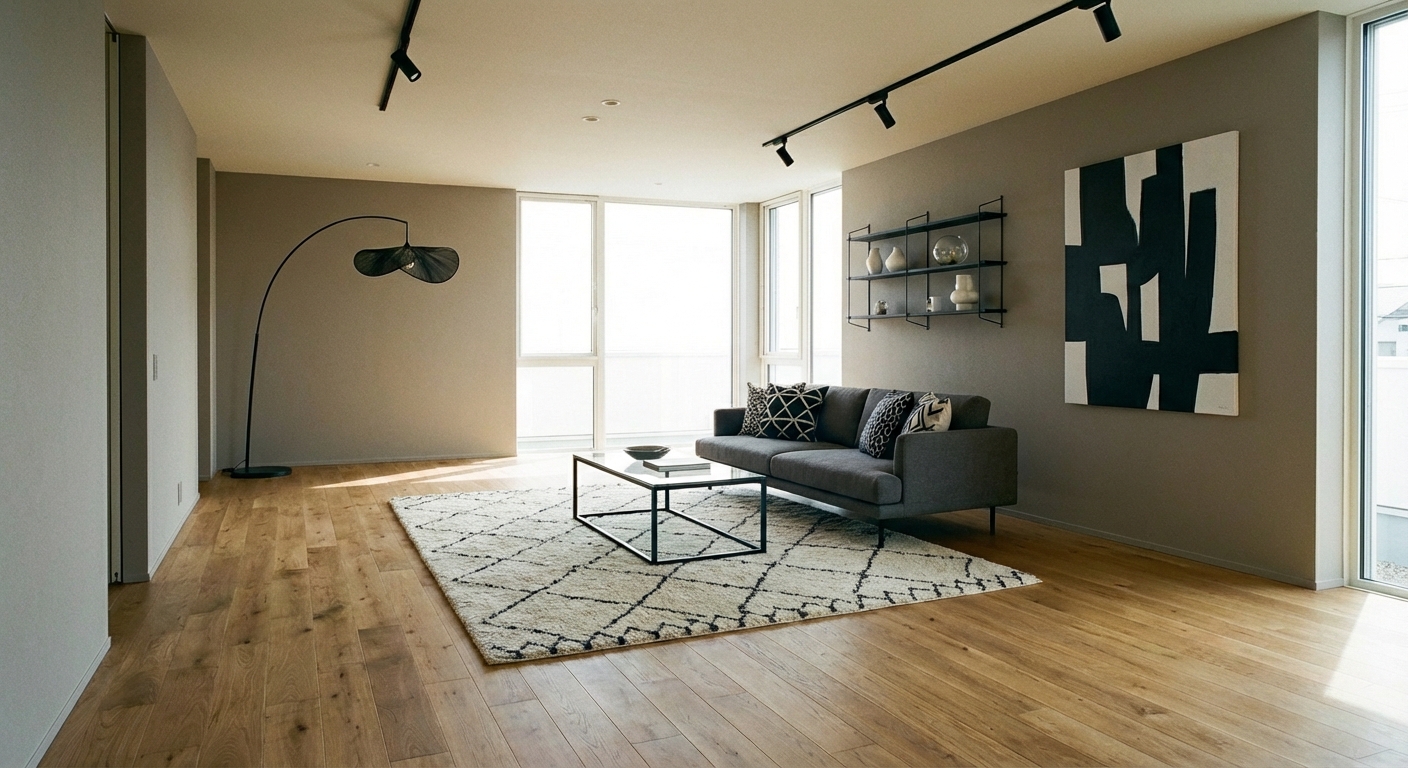
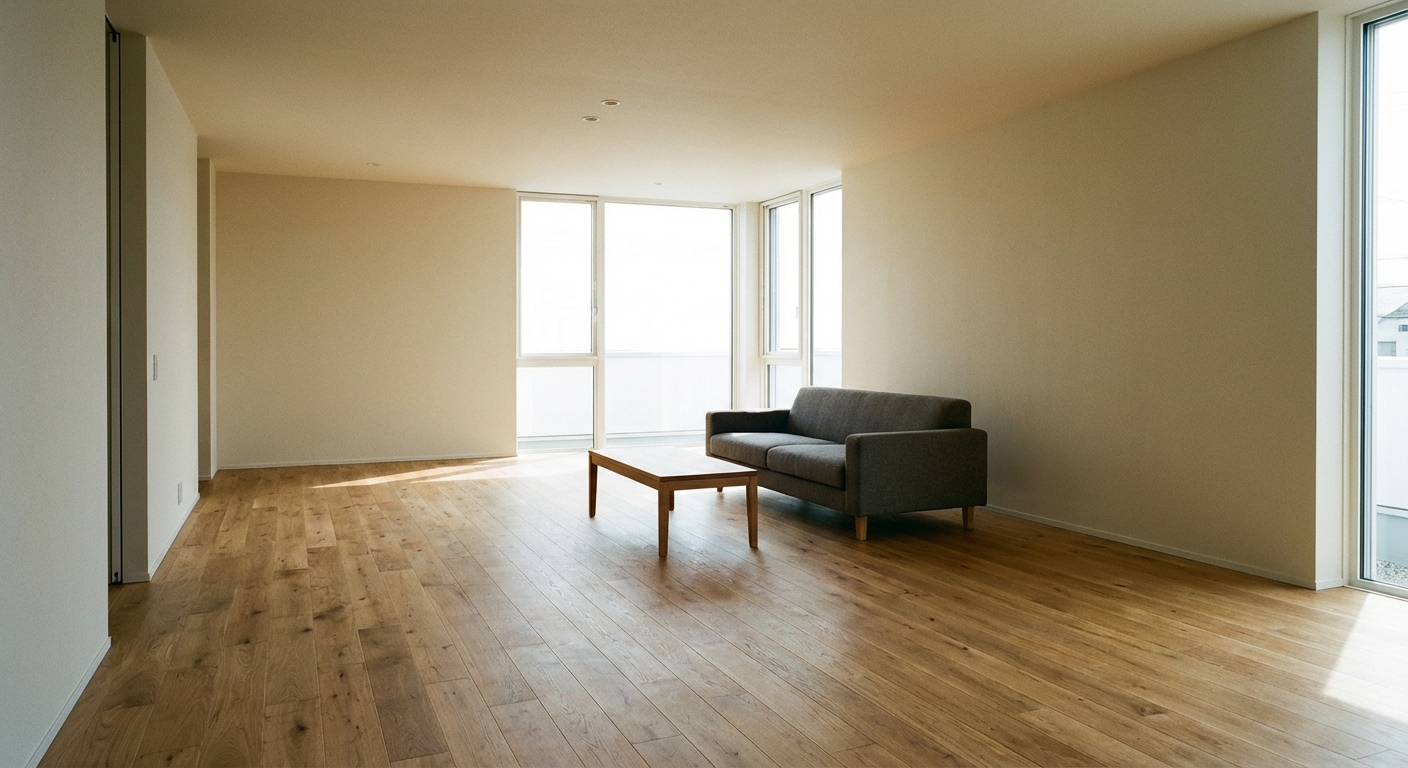
Upload your room photo in the app to see your real transformation
Why It Works
Meditation spaces work through environmental conditioning — the brain associates the specific location with the practice, making it easier to enter a calm state each time you return. A dedicated spot, even a 3x3-foot corner, eliminates the setup friction that prevents regular practice. The design principles of a meditation space align with minimalism taken to its therapeutic extreme: absolute visual simplicity, natural materials, soft indirect lighting, and nothing that demands mental processing. The space itself becomes a cue that tells your nervous system to downshift.
Best for
- people ready to test options on a real photo before buying
- anyone planning a real living room where conversation distance, TV glare, and traffic past the sofa matter more than Pinterest perfection
- projects already thinking about lighting, rug and needing a coherent layout
Skip if
- you will not address conversation distance and only want a filter look
- you need the room finished tomorrow with zero test fits
Common mistakes
The usual how living room miss is shopping object-by-object with no envelope decision. Details like lighting, rug only work if the plan respects conversation distance, TV glare, and traffic past the sofa. Another miss: pushing every seat against the walls and calling the empty middle “open”.
Decide this first
fix the primary seating pair and one clear path before decorative chairs. Lock a coherent material story instead of random catalog picks as a short list, then use Intero on a real photo so scale and light are honest before you spend.
How to Achieve This Look
Choose the quietest corner of your home — away from traffic, screens, and kitchen noise. Clear the area completely: a meditation space should contain almost nothing. Add a comfortable floor cushion (zafu) or meditation bench as the focal object. Place a small, low table or shelf nearby for a candle, incense, or a single meaningful object. Use a natural fiber mat or rug to define the boundary of the space. Keep colors muted and natural: whites, warm beiges, soft greens, or natural wood. Add one plant for life and breath symbolism. Ensure the lighting can be soft — a candle, a dimmed lamp, or natural indirect light. Eliminate all clutter and technology from sight. The space should feel empty enough that your mind follows suit.
Intero AI helps you identify the ideal spot in your home for a meditation space and preview how minimal design elements — a floor cushion, a plant, soft lighting — transform an ordinary corner into a calming retreat.
Frequently Asked Questions
Q1 How much space do I need for a meditation area?
As little as a 3x3-foot corner — enough for a cushion and a small table. A dedicated room is a luxury, not a necessity. What matters is that the space is quiet, clutter-free, and consistently available for practice.
Q2 What should a meditation space contain?
The minimum: a comfortable seat (zafu cushion, bench, or folded blanket), soft lighting (candle or dimmed lamp), and nothing else. Optional additions: one plant, a small incense holder, a meaningful object, and a natural fiber rug to define the space. Resist the urge to add more.
Q3 Can I create a meditation space in a shared apartment?
Yes — a corner of the bedroom works well. Use a folding screen or curtain to create a visual boundary. Store your cushion and candle in a basket when not in use. The act of setting up and taking down can become part of the practice ritual.
Related searches
These are the next pages people usually open while narrowing this design direction.
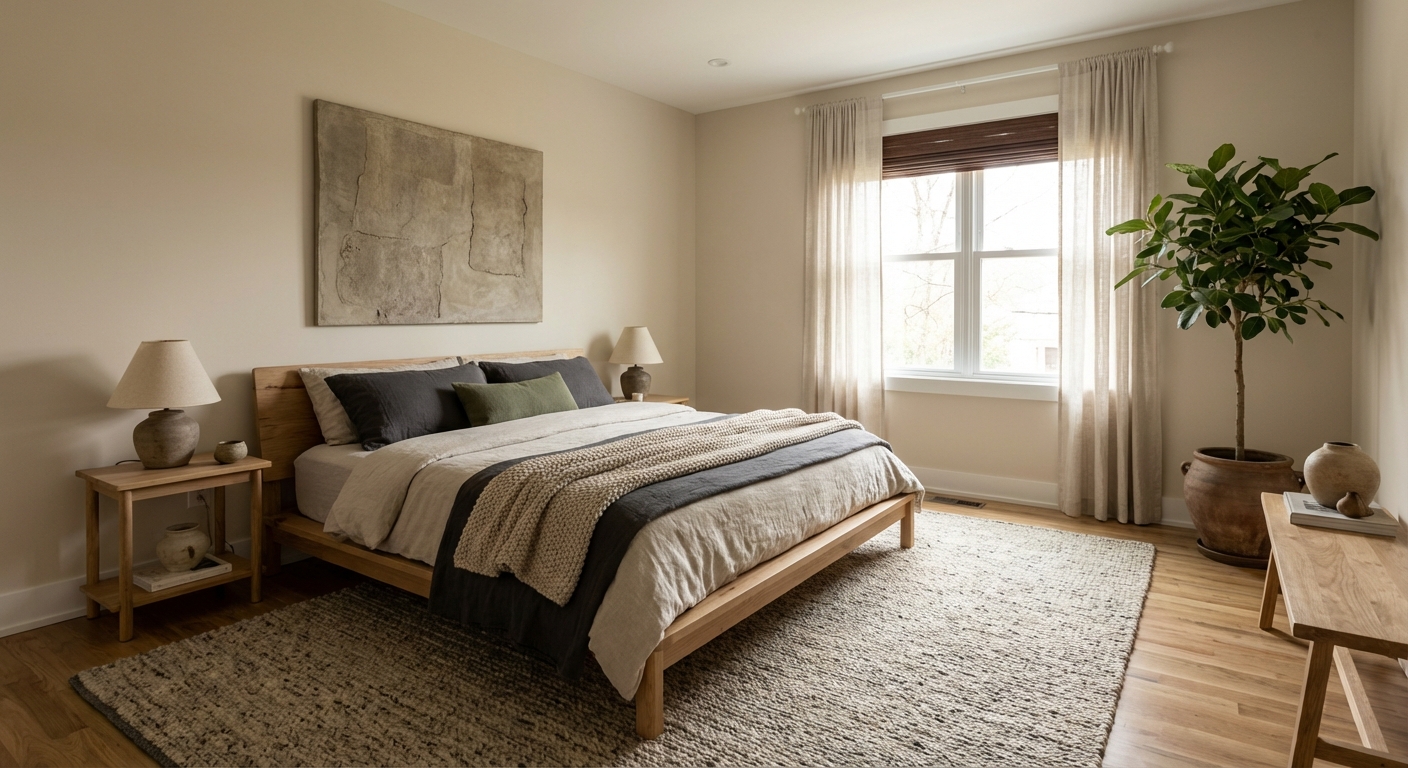
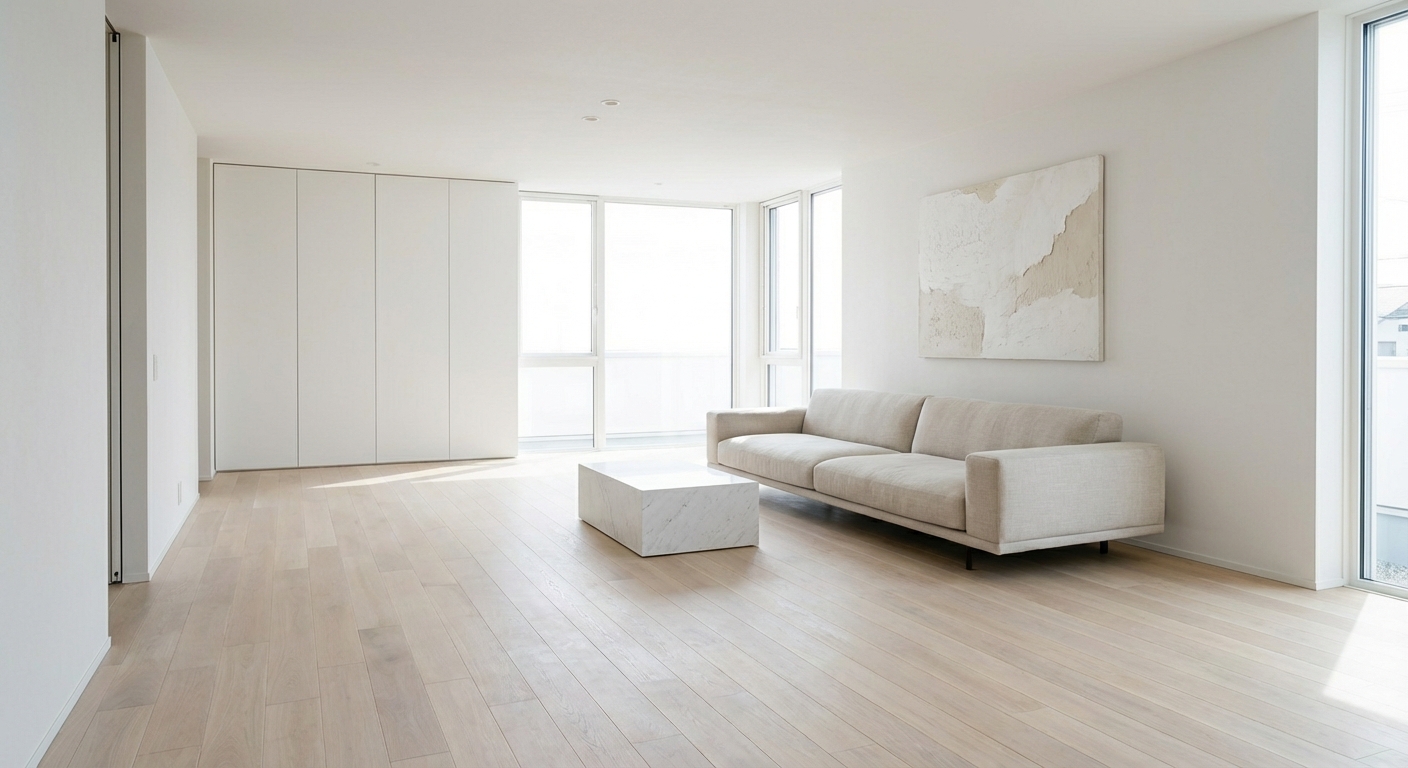
Ready to See This Style in Your Room?
Download Intero and preview this design on your own room photo.
No credit card. No signup. Just results.
Scan to download
Point your phone camera at a code

