How to Design a Home Gym You Will Not Abandon by February
Most home gyms fail because they feel like punishment — a corner of cold concrete with a dusty treadmill. Design it like a space you want to be in, and you will actually show up.
What is How to Design a Home Gym That You Will Actually Use?
Most home gyms fail because they feel like punishment — a corner of cold concrete with a dusty treadmill. Design it like a space you want to be in, and you will actually show up.
See the Transformation
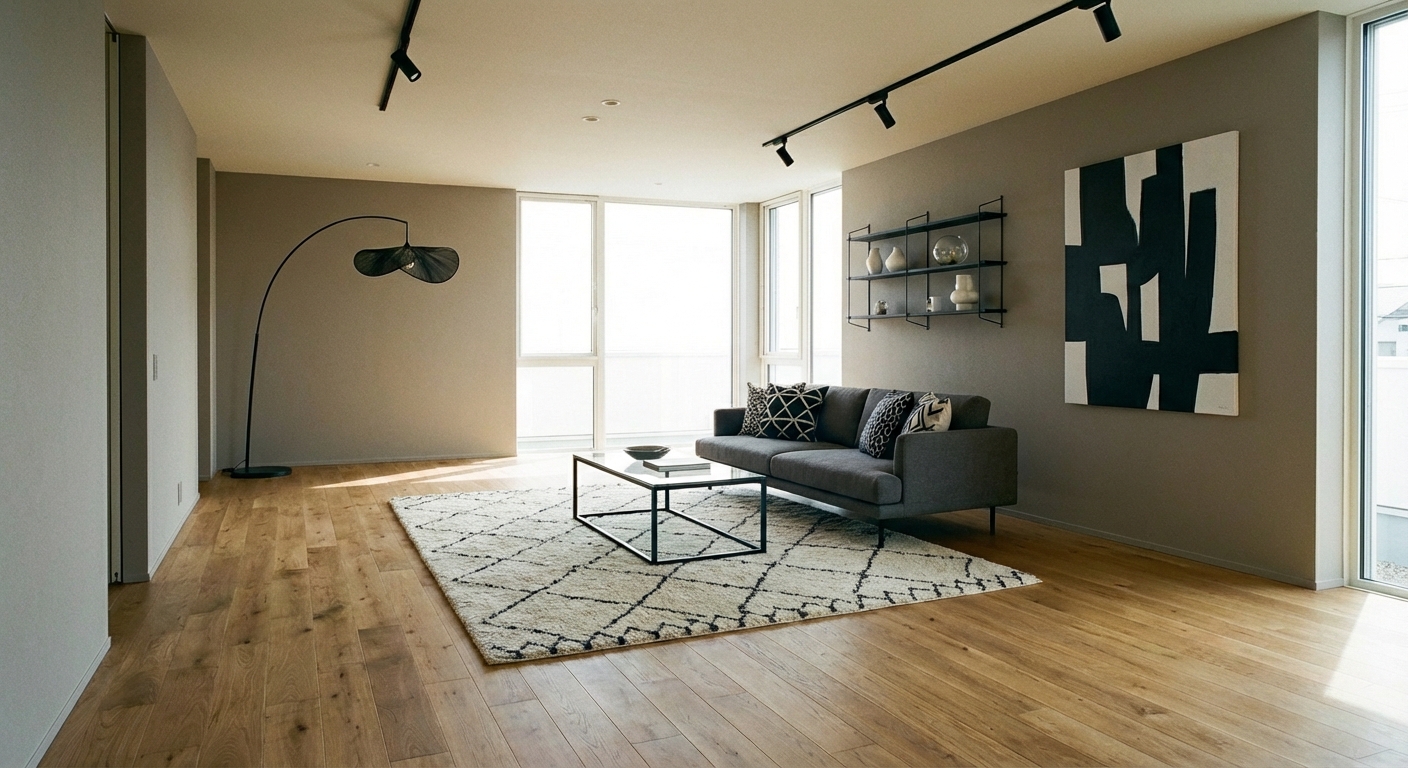
Upload your room photo in the app to see your real transformation
Why It Works
Home gym adherence correlates directly with how the space feels, not how much equipment it contains. A well-lit, well-ventilated room with a quality floor, a mirror, and a Bluetooth speaker gets used more than a dark basement packed with commercial machines. The design priorities are: flooring that protects joints and floors, adequate ventilation for comfort, a mirror for form checking and spatial perception, good lighting that energizes rather than depresses, and enough clear floor space for dynamic movements. Equipment is secondary to environment.
How to Achieve This Look
Install rubber gym flooring — interlocking tiles ($1-$3 per square foot) protect both your joints and the subfloor. Add a large wall mirror to check form and make the space feel twice as big. Ensure good ventilation: a fan, open window, or portable air circulator prevents the space from becoming stuffy. Install bright, cool-temperature lighting (4000-5000K) for energy. Mount a Bluetooth speaker or TV for motivation. Start with minimal equipment: a set of adjustable dumbbells, a pull-up bar, a yoga mat, and resistance bands cover most workout needs in minimal space. Add a rack or wall mount to organize equipment visually. Paint the walls a motivating color — bright white, energetic blue, or charcoal accent wall.
Intero AI helps you plan a home gym layout that maximizes equipment placement and movement space. Upload your garage, basement, or spare room photo and preview different equipment configurations, flooring options, and design treatments that transform the space into a gym you will love using.
"Finally an app that understands my taste. Every room turned out perfect."
— Priya K.
Frequently Asked Questions
Q1 How much space do I need for a home gym?
A minimum of 6x6 feet works for bodyweight exercises, yoga, and light dumbbells. A 10x10 space fits a full free-weight setup with a bench and rack. A 12x20 space accommodates a complete gym with cardio equipment. Start small and expand based on what you actually use.
Q2 What is the best flooring for a home gym?
Interlocking rubber tiles are the standard — they absorb impact, protect the subfloor from dropped weights, reduce noise, and are easy to install and replace. Three-quarter-inch thickness works for most activities; use one-inch tiles under a squat rack.
Q3 What home gym equipment should I buy first?
Adjustable dumbbells (replace an entire dumbbell rack), a pull-up bar (doorframe or wall-mounted), a yoga mat, and resistance bands. This minimal setup covers strength training, flexibility, and bodyweight work for under $300.
Related searches
These are the next pages people usually open while narrowing this design direction.
You Might Also Like
Ready to Transform Your Room?
Download Intero and see this design in your space in seconds.
No credit card. No signup. Just results.