Basements Don't Have to Feel Like Basements — Here's How
Low ceilings, no windows, and concrete floors define the basement challenge. The right design overcomes all three and creates a space that feels genuinely comfortable.
What is Basement Room Design: Make It Feel Inviting?
Low ceilings, no windows, and concrete floors define the basement challenge. The right design overcomes all three and creates a space that feels genuinely comfortable.
See the Transformation
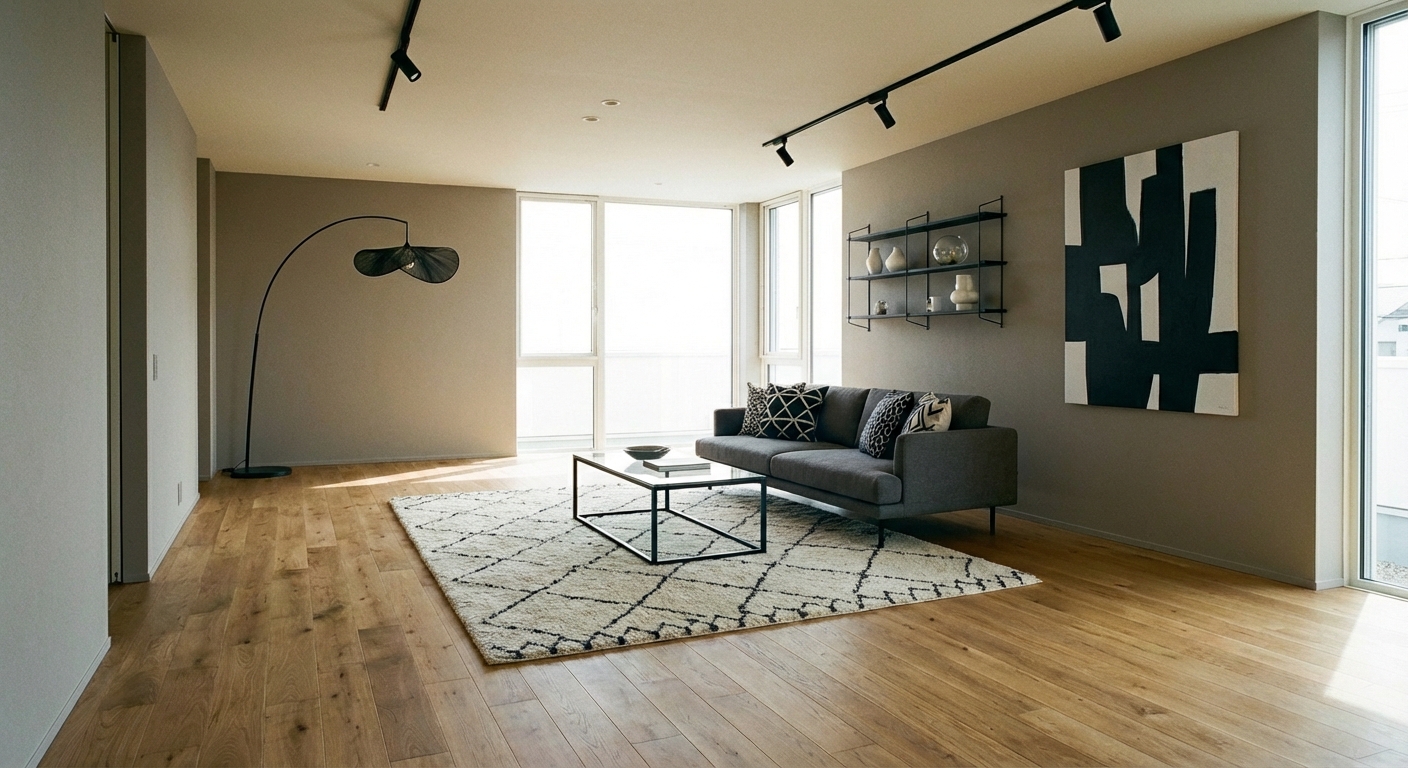
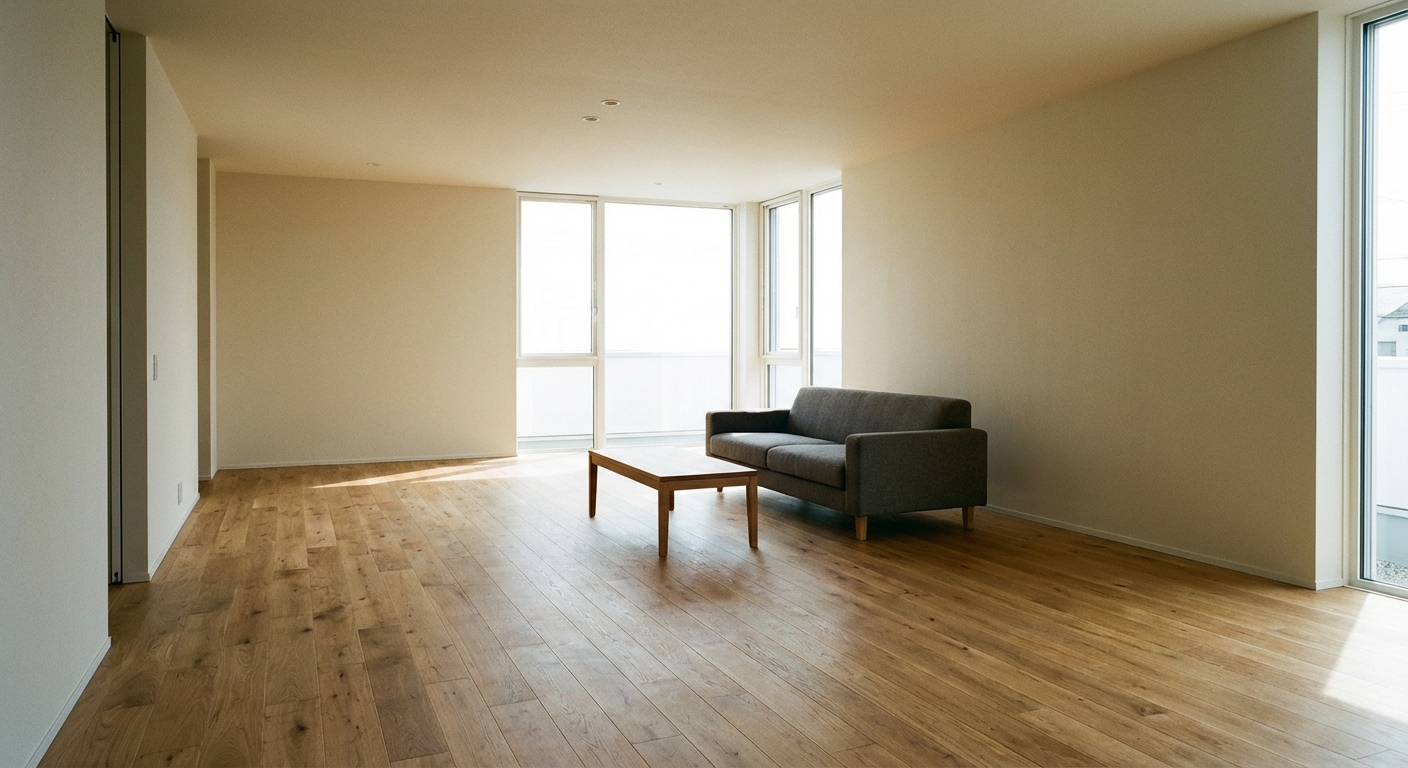
Upload your room photo in the app to see your real transformation
Why It Works
Basements feel unwelcoming because they trigger subconscious discomfort signals: low ceilings create claustrophobia, lack of natural light disrupts circadian cues, concrete surfaces feel cold and industrial, and the below-grade location itself carries a "not real living space" stigma. Overcoming this requires addressing each signal directly. Full-spectrum lighting simulates daylight. Warm materials on floors and walls replace the cold concrete feel. Low-profile furniture maximizes the perception of ceiling height. And furnishing the space with the same quality and intention as an above-grade room erases the psychological gap between basement and living area.
How to Achieve This Look
Install layered full-spectrum lighting — recessed cans with 5000K bulbs for ambient light, supplemented by table lamps and sconces at 2700K for evening warmth. Cover concrete floors with luxury vinyl plank, engineered wood, or at minimum large area rugs with thick pads. Paint walls in light, warm colors — soft white, warm cream, or pale sage. Use low-profile furniture to maximize the gap between furnishings and ceiling. Add a dehumidifier to control moisture and prevent musty odors. Create a focal point: a media wall, fireplace, or large artwork gives the eye a destination and makes the room feel purposeful. Include plants that tolerate low light — pothos, snake plants, and ZZ plants add life without needing windows.
Intero AI helps you envision your basement as a finished living space. Upload a photo and preview warm paint colors, new flooring, layered lighting, and furniture arrangements that transform the space from storage to sanctuary.
"I redesigned my entire apartment before buying a single piece of furniture."
— Sarah M.
Frequently Asked Questions
Q1 How do I deal with low ceilings in a basement?
Use low-profile furniture — platform sofas, short coffee tables, and armless chairs. Install recessed or flush-mount lighting instead of hanging fixtures. Paint the ceiling white to make it recede visually. Avoid tall bookshelves or cabinets that accentuate the low height.
Q2 How do I prevent a basement from feeling damp?
Run a dehumidifier continuously, ensure proper drainage around the foundation, and use moisture-resistant materials for flooring and walls. Luxury vinyl plank and mold-resistant drywall are designed for below-grade environments.
Q3 What is the best use for a finished basement?
Media rooms, home gyms, game rooms, and guest suites are the most popular and practical uses. The natural darkness and sound insulation of a basement actually make it ideal for a home theater or music room.
Related searches
These are the next pages people usually open while narrowing this design direction.
You Might Also Like
Ready to Transform Your Room?
Download Intero and see this design in your space in seconds.
No credit card. No signup. Just results.