How to Design a Mudroom That Catches the Chaos Before It Enters
A mudroom is your home first line of defense against daily clutter. Get the storage, surfaces, and flow right, and the rest of your house stays cleaner.
What is How to Design a Functional Mudroom?
A mudroom is your home first line of defense against daily clutter. Get the storage, surfaces, and flow right, and the rest of your house stays cleaner.
See the Transformation
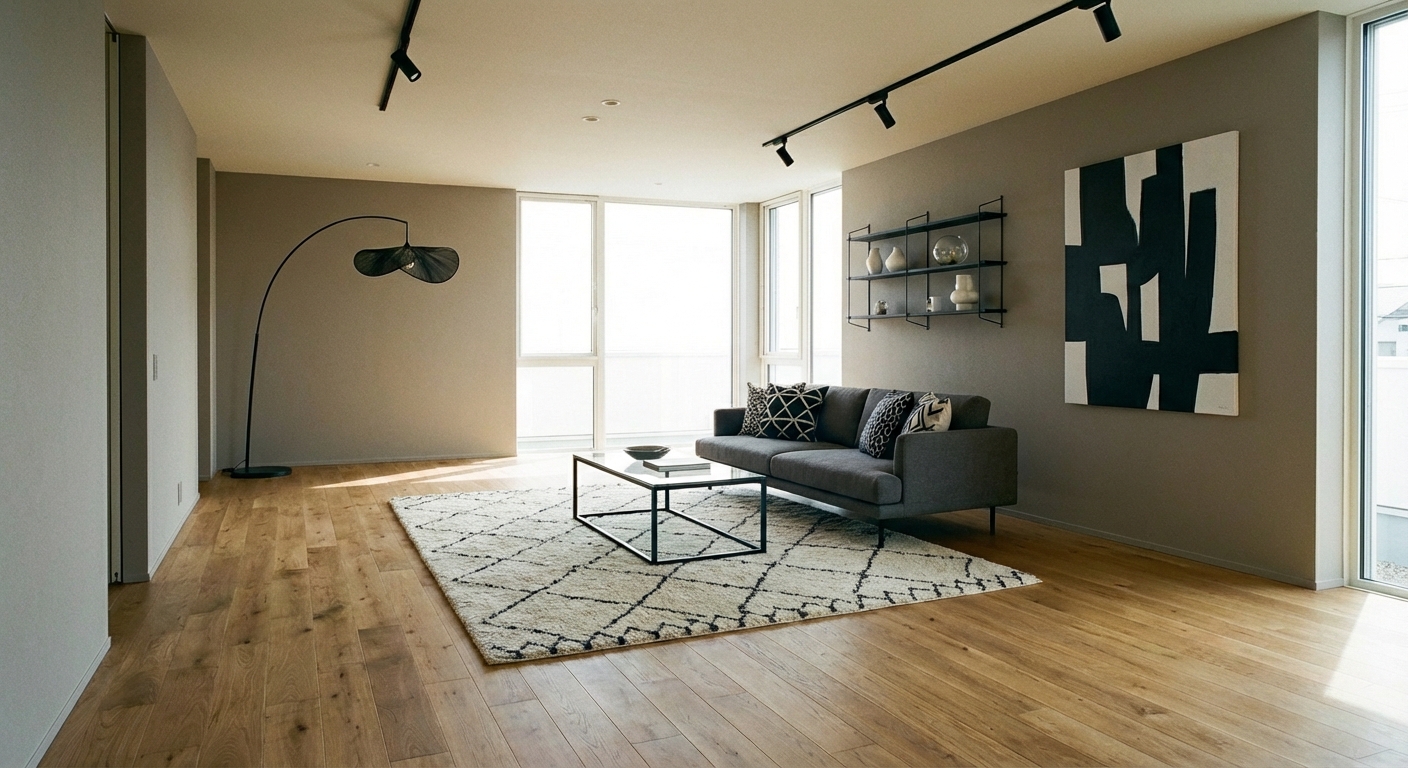
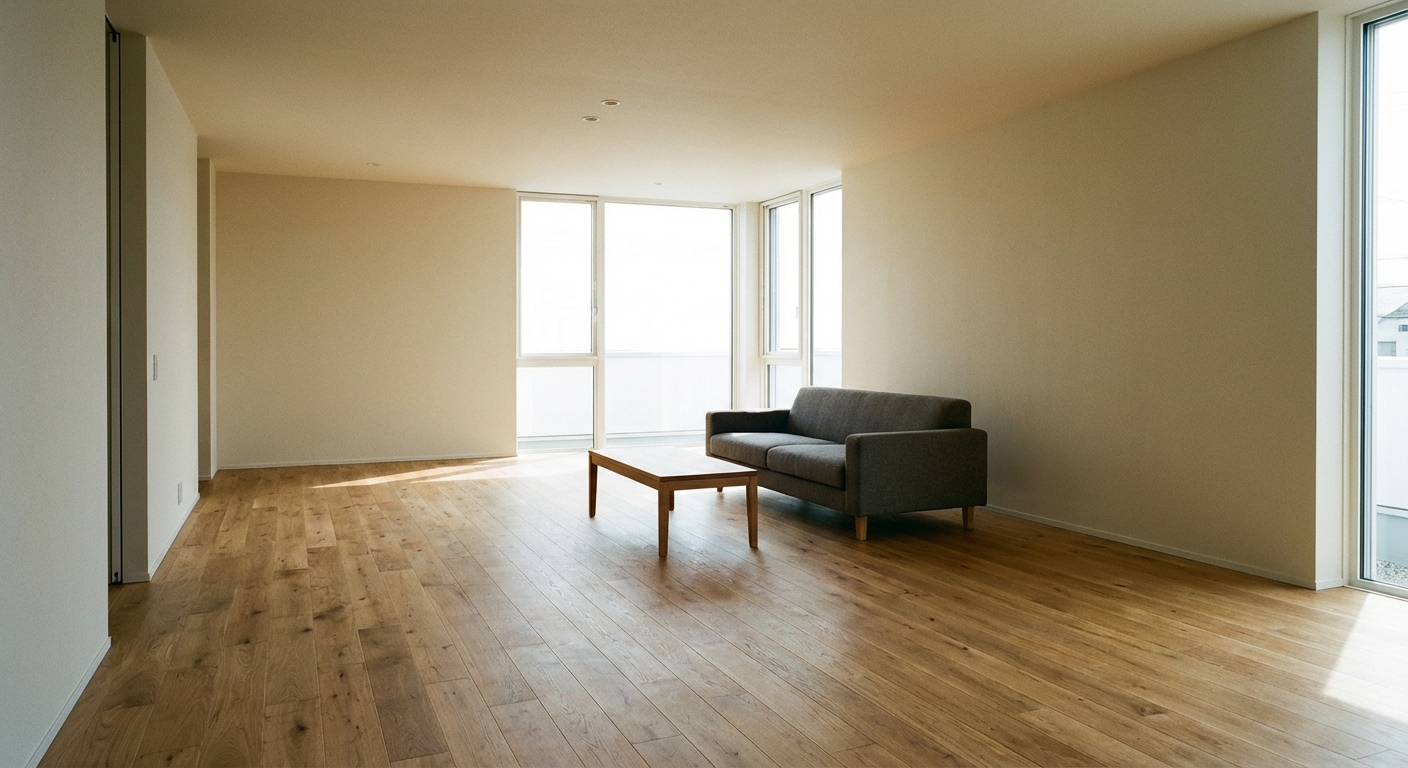
Upload your room photo in the app to see your real transformation
Why It Works
Mudrooms succeed because they intercept mess at the threshold. Without one, shoes pile at the front door, coats drape over chairs, backpacks land on kitchen counters, and keys disappear daily. A designated landing zone with a place for everything means family members drop, hang, and store their daily gear in one spot — and the rest of the house stays clean. The design principle is simple: every item that enters and leaves the house daily needs a designated home within arm reach of the entry.
How to Achieve This Look
Assign every family member a section: a hook for coats and bags, a cubby or locker for shoes and gear, and a small shelf or basket for daily items like keys and sunglasses. Install hooks at 48 inches for adults and 36 inches for kids so everyone can reach theirs independently. Add a bench for sitting while putting on shoes — with storage underneath for out-of-season footwear. Use a boot tray or washable mat under the shoe area to catch mud and water. Include a small shelf or wall-mounted organizer for mail, chargers, and grab-and-go items. If space is tight, a wall of hooks, a narrow bench, and a shoe tray accomplish the essentials in as little as 24 inches of depth.
Intero AI helps you design a mudroom that fits your specific entry space — whether it is a full room, a hallway nook, or just a wall beside the door. Upload a photo and preview different storage configurations, bench styles, and organizational systems.
"Finally an app that understands my taste. Every room turned out perfect."
— Priya K.
Frequently Asked Questions
Q1 Can I create a mudroom without a dedicated room?
Yes — a mudroom is a function, not a room. A 24-inch-deep section of a hallway, garage entry wall, or laundry room corner can serve as a mudroom with hooks, a narrow bench, and a shoe tray. Wall-mounted solutions minimize footprint.
Q2 What is the best flooring for a mudroom?
Tile, luxury vinyl plank, or sealed concrete — anything waterproof and easy to mop. Avoid carpet and unsealed wood, which trap moisture and dirt. A patterned tile hides dirt between cleanings better than solid colors.
Q3 How do I keep a mudroom organized with kids?
Give each child their own labeled cubby or section at their height. Use picture labels for pre-readers. Keep the system simple: one hook for coat, one cubby for shoes, one basket for gear. The fewer steps required, the more likely kids will actually use it.
Related searches
These are the next pages people usually open while narrowing this design direction.
Ready to Transform Your Room?
Download Intero and see this design in your space in seconds.
No credit card. No signup. Just results.