How to Design an Entryway That Sets the Tone for Your Entire Home
Your entryway is the first and last thing people see. A well-designed entry creates a warm first impression, handles daily clutter, and transitions smoothly into the rest of your home.
What is How to Design a Welcoming Entryway?
Your entryway is the first and last thing people see. A well-designed entry creates a warm first impression, handles daily clutter, and transitions smoothly into the rest of your home.
1/4
See the Transformation
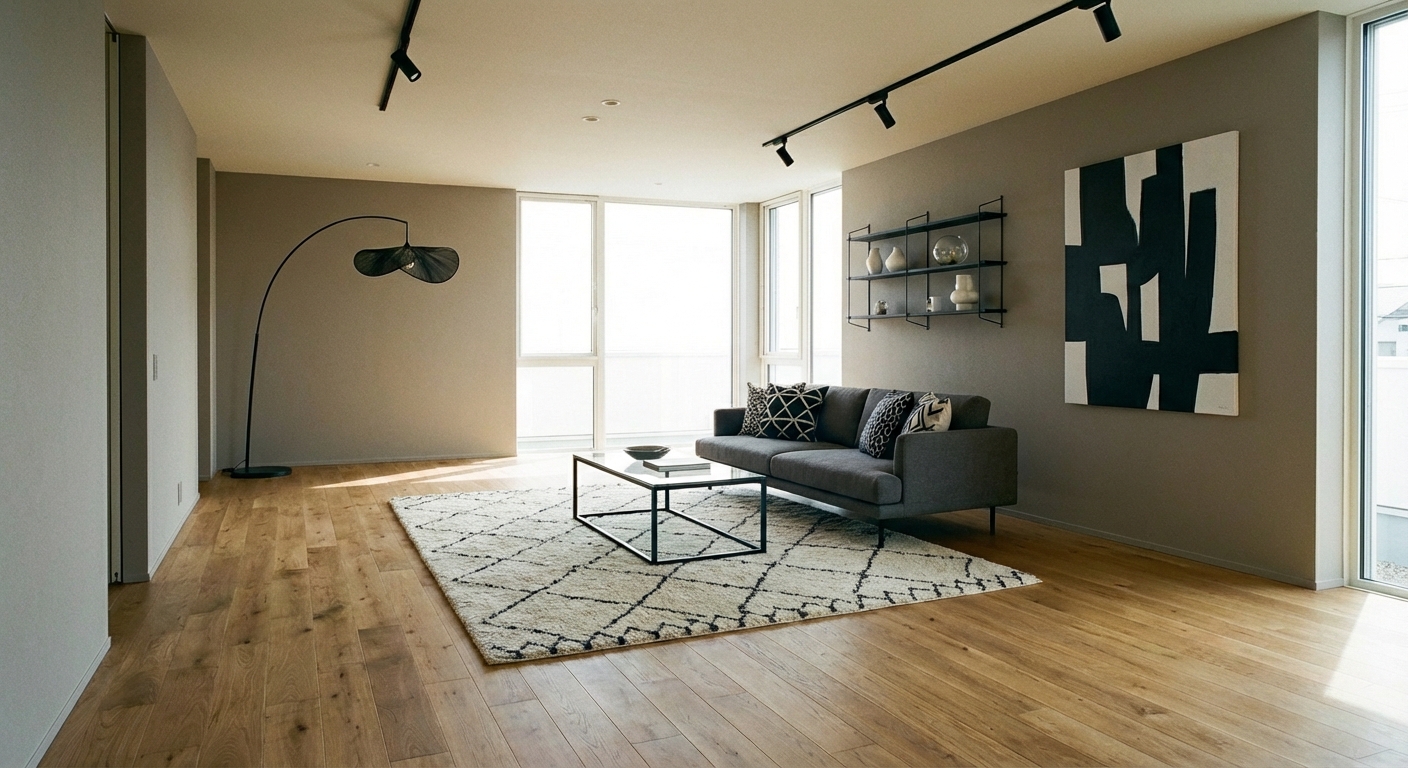
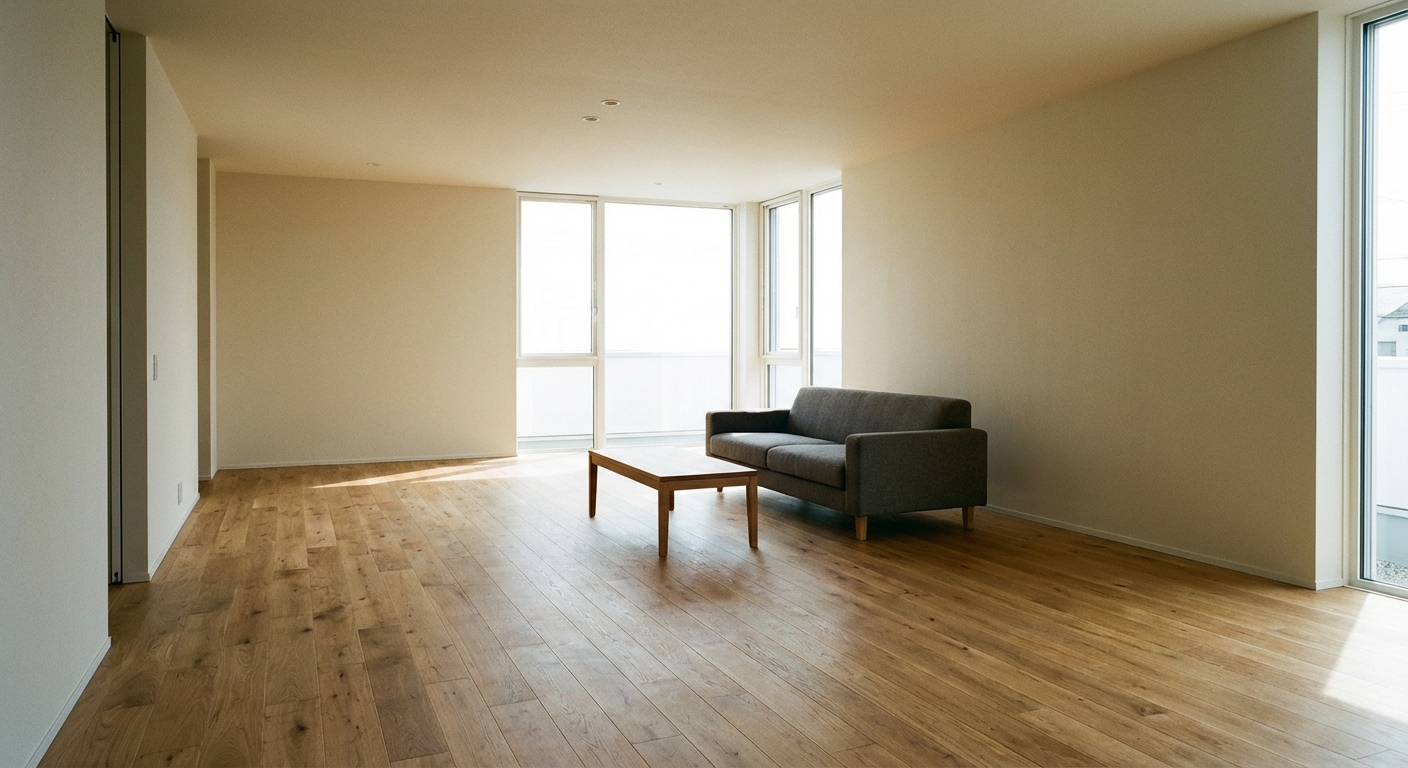
Upload your room photo in the app to see your real transformation
Color Palette
Click any color to copy hex code
Why It Works
Entryways set the emotional tone for the entire home — a cluttered, dark entry makes the rest of the house feel chaotic regardless of how well-designed it is. A good entryway solves two problems simultaneously: it provides functional landing zones for keys, shoes, coats, and bags, and it creates a visual introduction to your design style. When both functions are addressed, the entryway serves as a decompression zone between the outside world and your personal space.
Best for
- people ready to test options on a real photo before buying
- anyone planning a real living room where conversation distance, TV glare, and traffic past the sofa matter more than Pinterest perfection
- projects already thinking about cabinet, rug and needing a coherent layout
Skip if
- you will not address conversation distance and only want a filter look
- you need the room finished tomorrow with zero test fits
Common mistakes
The usual how living room miss is shopping object-by-object with no envelope decision. Details like cabinet, rug only work if the plan respects conversation distance, TV glare, and traffic past the sofa. Another miss: pushing every seat against the walls and calling the empty middle “open”.
Decide this first
fix the primary seating pair and one clear path before decorative chairs. Lock a coherent material story instead of random catalog picks as a short list, then use Intero on a real photo so scale and light are honest before you spend.
How to Achieve This Look
- 1
Add a narrow console table or floating shelf for drop-zone function
- 2
Hang a mirror above to check your appearance on the way out
- 3
Install hooks or a minimal coat rack on the wall
- 4
Place a tray or bowl for keys, wallet, and sunglasses
- 5
Add a small lamp or wall sconce for welcoming light
- 6
Include a small rug or boot tray to protect the floor
Layout & materials
Start with function: every entryway needs a surface for keys and mail (console table or floating shelf), a place for shoes (bench with storage, shoe cabinet, or tray), and hooks or a rack for coats and bags. Add a mirror — it makes the space feel larger, provides a last-look spot before leaving, and reflects light from the door. Layer in style with a statement light fixture, a small rug or runner, and one piece of art or a plant. For small entryways, a wall-mounted floating shelf, three hooks, and a narrow mirror accomplish everything without consuming floor space.
A narrow console table, a mirror above it, and a tray for keys is the complete entryway formula — it works in any size space.
Intero AI helps you design an entryway that balances function and style in your specific space. Upload a photo and preview different console tables, mirror placements, and storage solutions to find the configuration that makes your entry both welcoming and practical.
Frequently Asked Questions
Q1 How do I design an entryway in a small apartment?
Use a wall-mounted floating shelf instead of a console table, add three coat hooks, and lean a mirror against the wall. A small tray on the shelf catches keys and a narrow runner defines the entry zone — all without consuming floor space.
Q2 What is the most important entryway feature?
A surface for landing daily essentials — keys, wallet, mail. Without it, these items end up scattered throughout the house. A console table, floating shelf, or even a small wall-mounted tray solves this instantly.
Q3 Should an entryway match the rest of the house?
The entryway should introduce your home design language — same color family, similar materials, consistent style. It does not need to be identical to interior rooms, but it should feel like a natural transition rather than a jarring shift.
Related searches
These are the next pages people usually open while narrowing this design direction.
You Might Also Like
Ready to See This Style in Your Room?
Download Intero and preview this design on your own room photo.
No credit card. No signup. Just results.
Scan to download
Point your phone camera at a code

