How to Design a Walk-In Closet That Looks and Functions Like a Boutique
A well-designed walk-in closet is not about size — it is about zone planning, visibility, and accessibility. These strategies work for closets of any dimension.
What is How to Design a Walk-In Closet That Works?
A well-designed walk-in closet is not about size — it is about zone planning, visibility, and accessibility. These strategies work for closets of any dimension.
See the Transformation
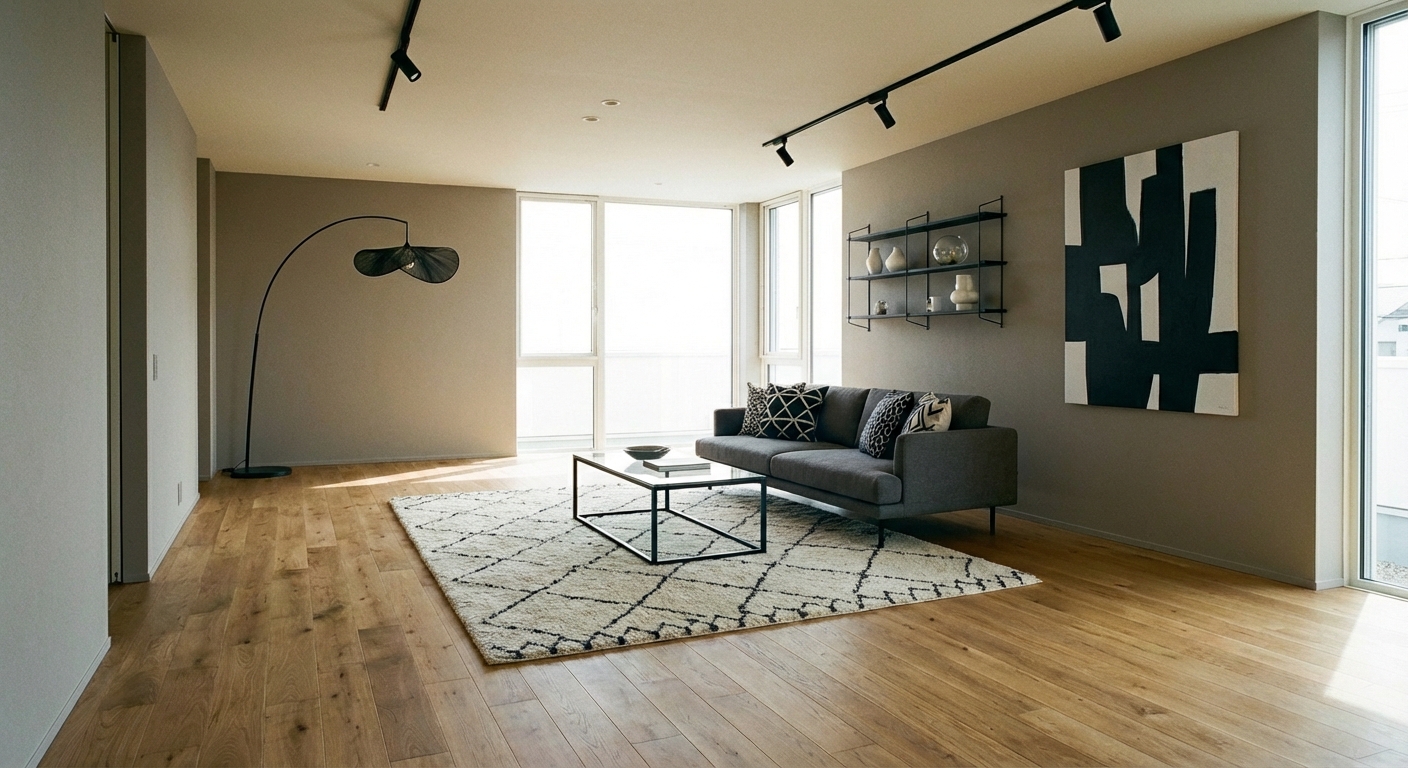
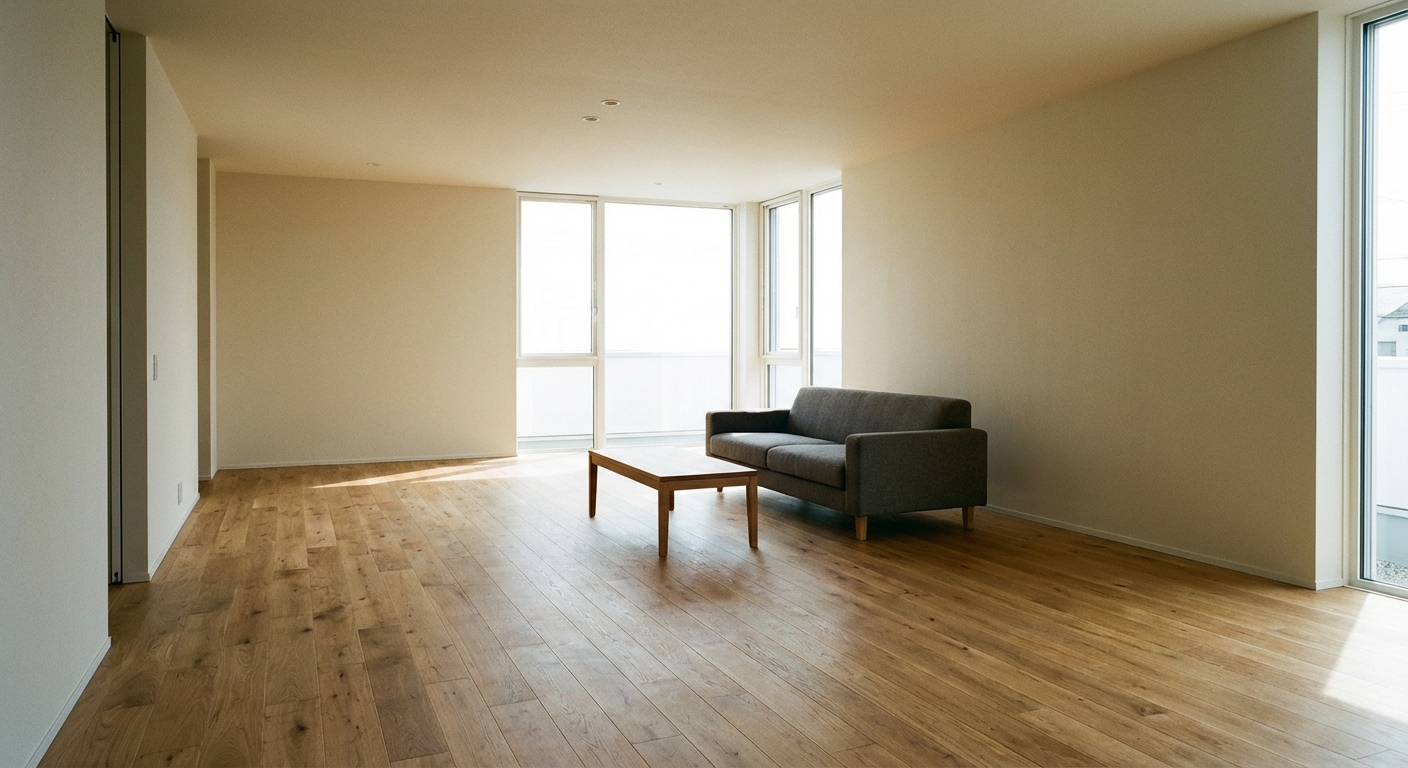
Upload your room photo in the app to see your real transformation
Why It Works
Walk-in closets fail when they rely on a single hanging rod and a shelf — this wastes vertical space and forces everything into a compressed horizontal line. The solution is zone-based storage that assigns different areas to different categories: a double-hang section for shirts and folded pants, a long-hang section for dresses and coats, dedicated shelving for shoes, drawers for accessories and undergarments, and a visible display area for frequently worn items. When every category has a home, getting dressed becomes effortless and the closet stays organized naturally.
How to Achieve This Look
Map your wardrobe by category: count your hanging items (short vs. long), folded items, shoes, and accessories. Assign zones accordingly. Install double-hang rods where possible — most shirts and jackets need only 40 inches of vertical clearance, leaving room for a second rod below. Add a shoe shelf or cubbies at eye level for visibility — shoes stored on the floor disappear. Include a dresser or drawer unit for items that do not hang: underwear, socks, scarves, and jewelry. Install good lighting — LED strip lights inside the closet eliminate the shadow zone that makes dark clothing look identical. Add a full-length mirror and a small stool or ottoman if space permits.
Intero AI helps you plan your walk-in closet layout for your specific dimensions and wardrobe needs. Upload a photo and preview different shelving configurations, hanging arrangements, and organizational systems to maximize every square foot.
"Saved thousands on interior design fees. The AI suggestions were spot-on."
— James R.
Frequently Asked Questions
Q1 What is the minimum size for a walk-in closet?
A functional walk-in closet can be as small as 5x5 feet — enough for a hanging rod on two walls and a shelf. The standard comfortable size is 7x10 feet, which allows for a U-shaped layout with full zone separation. Width matters more than depth for usability.
Q2 Are custom closet systems worth the cost?
Mid-range custom systems ($1,500-$4,000 from IKEA PAX or similar) offer excellent value by maximizing every inch. High-end custom ($5,000-$15,000+) adds luxury finishes but not necessarily better organization. DIY wire systems ($200-$500) work well for smaller budgets.
Q3 How do I organize a shared walk-in closet?
Divide the closet down the center — each person gets one side. Mirror the layout on each side for visual symmetry. Shared items like luggage and seasonal storage go on the highest shelves. A shared island or dresser in the center works if the closet is 8 feet or wider.
Related searches
These are the next pages people usually open while narrowing this design direction.
Ready to Transform Your Room?
Download Intero and see this design in your space in seconds.
No credit card. No signup. Just results.