How to Style Bookshelves That Look Curated, Not Cluttered
A well-styled bookshelf is equal parts library and gallery. These techniques turn a stuffed shelf into a design feature that tells your story.
What is How to Style a Bookshelf Like a Designer?
A well-styled bookshelf is equal parts library and gallery. These techniques turn a stuffed shelf into a design feature that tells your story.
See the Transformation
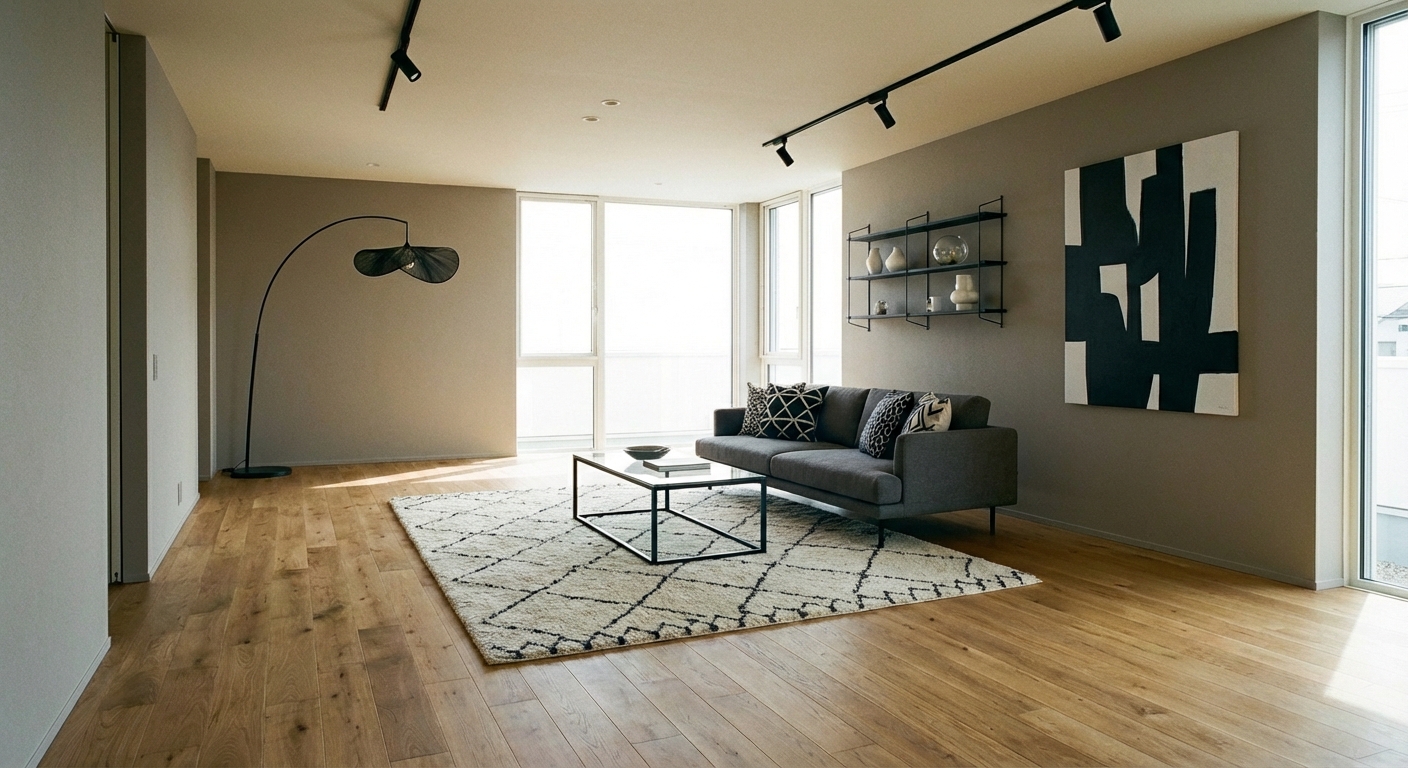
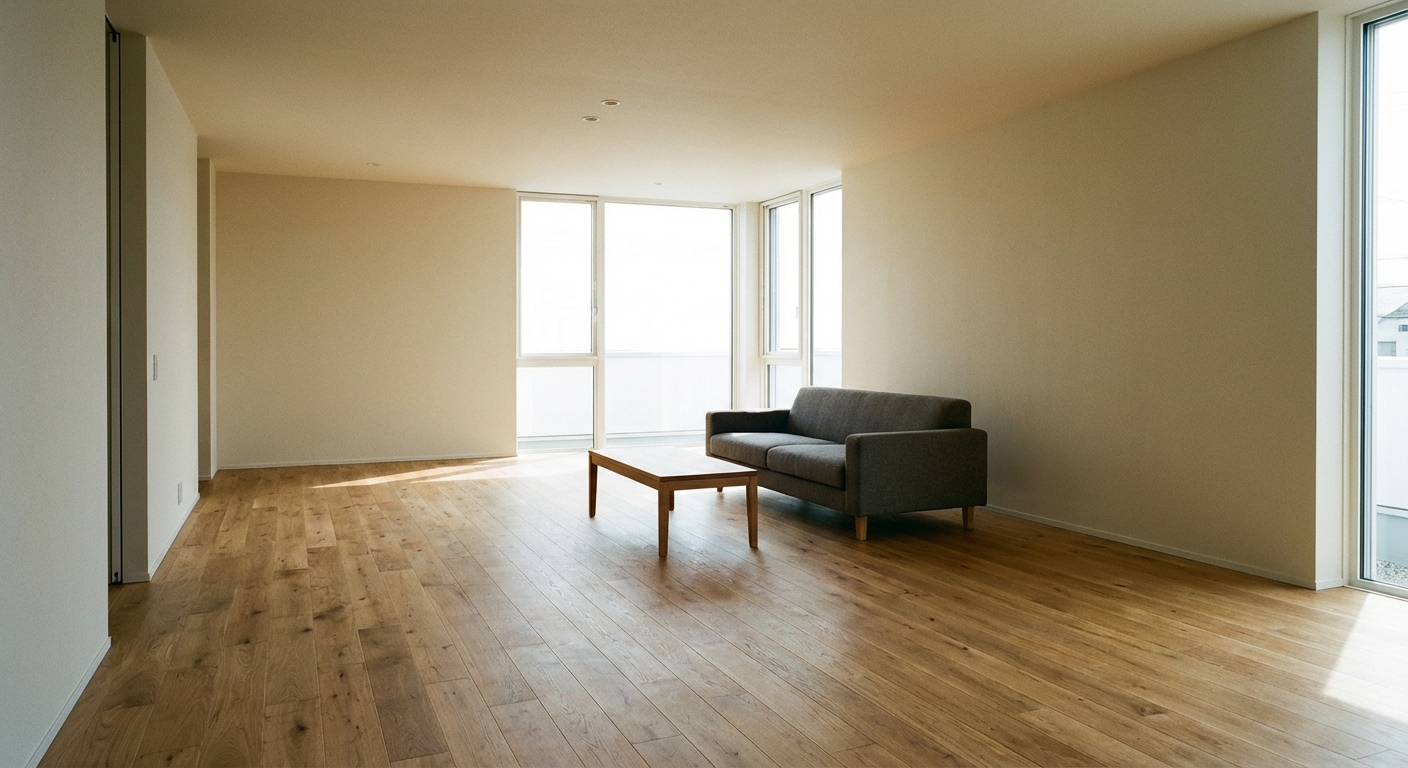
Upload your room photo in the app to see your real transformation
Why It Works
Bookshelves are the most visible storage in any room, and their styling sets the tone for the entire space. Shelves packed edge-to-edge with random spines feel chaotic. Shelves with only decorative objects feel staged and unlived-in. The sweet spot — and the technique designers use — is mixing books with curated objects, varying vertical and horizontal orientations, and leaving strategic breathing room. This approach works because it creates rhythm: the eye moves from book spines to a decorative object to a plant to more books, finding interest at every stop without fatigue.
Best for
- people ready to test options on a real photo before buying
- anyone planning a real living room where conversation distance, TV glare, and traffic past the sofa matter more than Pinterest perfection
- projects that will change layout and light, not only accessories
Skip if
- you will not address conversation distance and only want a filter look
- you refuse to remove anything and only add decor
Common mistakes
People pin how living room ideas and then shopping object-by-object with no envelope decision. Respect conversation distance, TV glare, and traffic past the sofa before finishes. Another miss: pushing every seat against the walls and calling the empty middle “open”.
Decide this first
fix the primary seating pair and one clear path before decorative chairs. Lock a coherent material story instead of random catalog picks as a short list, then use Intero on a real photo so scale and light are honest before you spend.
How to Achieve This Look
Start by removing everything. Sort books into groups by color, size, or subject. Rebuild shelf by shelf: start with an anchor item on each shelf (a larger object, a horizontal book stack, or a bookend group). Add books in groups of three to seven, some vertical with bookends and some stacked horizontally. Layer in objects between book groups: a small sculpture, a framed photo, a candle, a small plant, or a collected item. Vary heights within each shelf — tall, medium, and short items create visual rhythm. Leave 20-30% of each shelf empty for breathing room. Step back frequently to check the overall composition. The top shelf and eye-level shelves get the most attention, so prioritize your best items there.
Bookshelf styling involves balancing dozens of objects across multiple shelves — it is hard to judge the overall composition up close. Intero AI lets you preview different arrangements and object placements on your bookshelves from across the room to find the layout that feels curated rather than cluttered.
Frequently Asked Questions
Q1 How many objects versus books should be on a bookshelf?
A 70/30 split — 70% books and 30% objects and empty space — creates the most natural, lived-in look. Pure books feels like a library (fine if that is the goal), and too many objects feels like a gift shop. The objects provide visual breaks that make the books more interesting.
Q2 Should I organize books by color?
Color-organized bookshelves create a stunning visual effect and photograph beautifully. The tradeoff is that finding a specific book becomes harder. A compromise: organize by subject or genre within color groupings, so you get the visual impact while maintaining some findability.
Q3 What objects work best on bookshelves?
Small sculptures, framed photos, candles, small plants (pothos cuttings in a vase work perfectly), decorative boxes, and collected items (shells, crystals, vintage objects). Choose objects that vary in height, material, and shape. Avoid clutter — each object should feel like a deliberate choice.
Related searches
These are the next pages people usually open while narrowing this design direction.
You Might Also Like
Ready to See This Style in Your Room?
Download Intero and preview this design on your own room photo.
No credit card. No signup. Just results.
Scan to download
Point your phone camera at a code

