The Complete Guide to Japandi Style
Japandi fuses the meditative calm of Japanese minimalism with the functional warmth of Scandinavian design. The result is spaces that feel intentional, serene, and deeply livable.
$$
See the Transformation
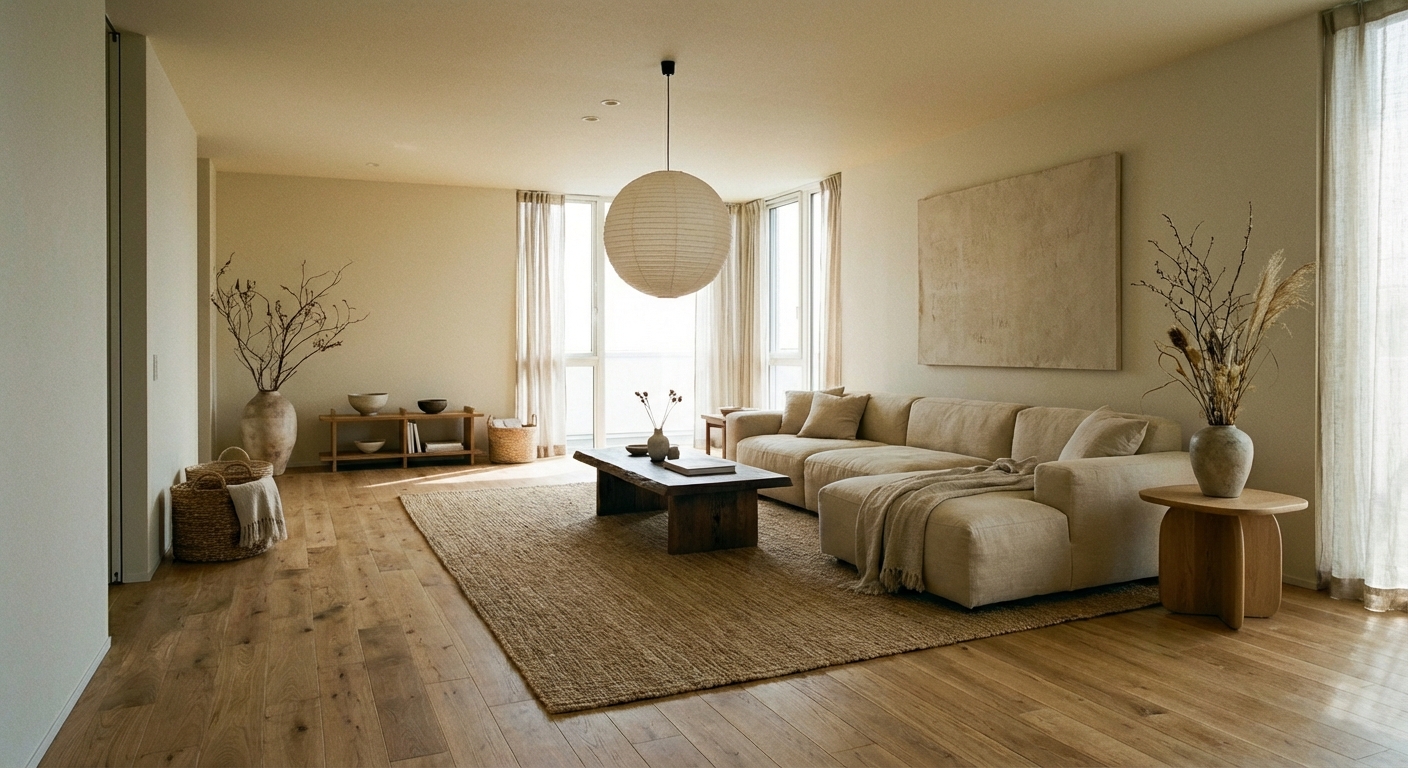
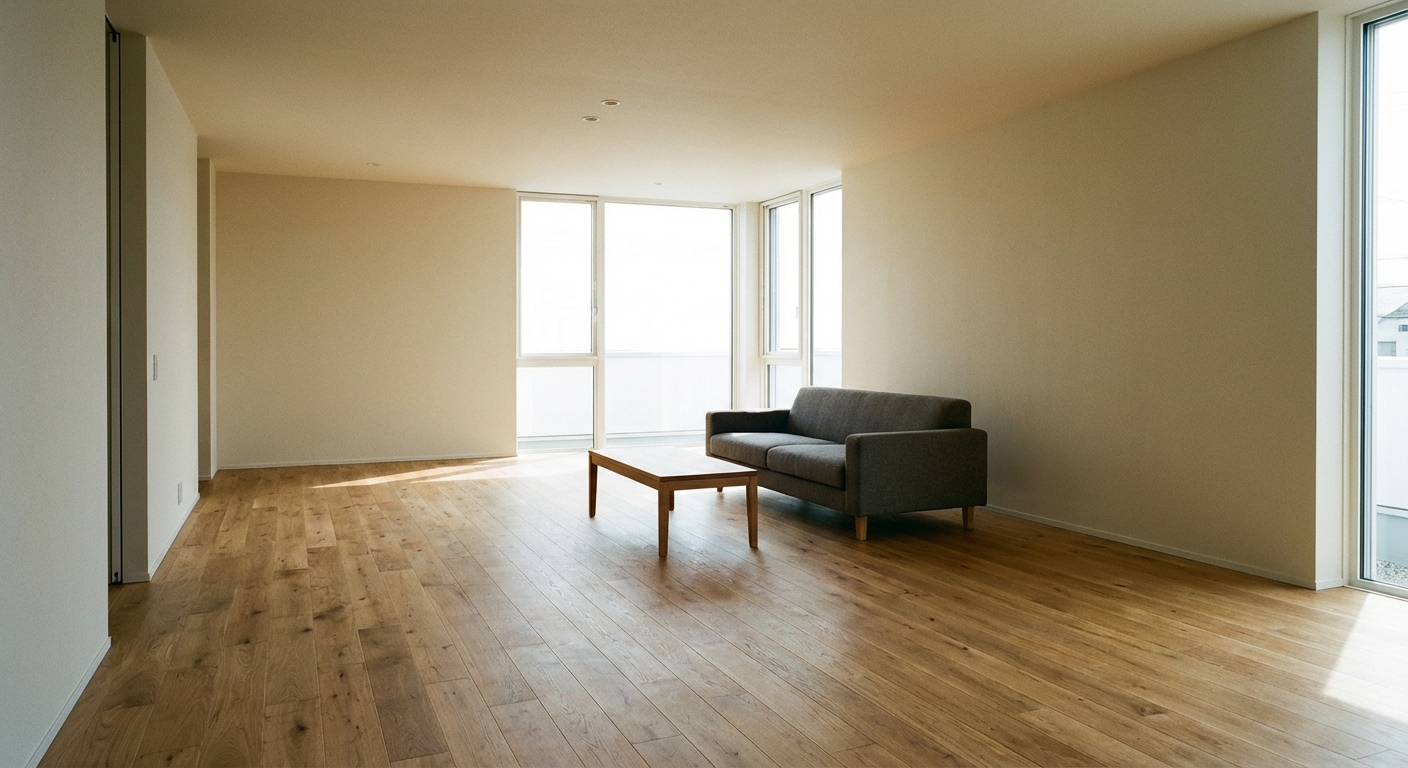
Upload your room photo in the app to see your real transformation
Color Palette
Why It Works
Japandi is not simply mixing Japanese and Scandinavian furniture. It is the convergence of two philosophies that share surprising common ground: the Japanese concept of wabi-sabi — finding beauty in imperfection and transience — and the Scandinavian principle of hygge — creating warmth and comfort in everyday life. Both cultures value craftsmanship, natural materials, and functional simplicity, but they arrive at these values from different directions. Japanese design emphasizes restraint, asymmetry, and empty space as a deliberate element. Scandinavian design emphasizes democratic access to beauty, cozy layering, and organic warmth. Japandi takes the best of both: the intentionality and calm of Japanese spaces with the approachable warmth of Nordic interiors. The fusion works because it addresses the two most common criticisms of each style — Japanese minimalism can feel austere, and Scandinavian coziness can feel cluttered. Japandi finds the middle path.
How to Achieve This Look
- 1
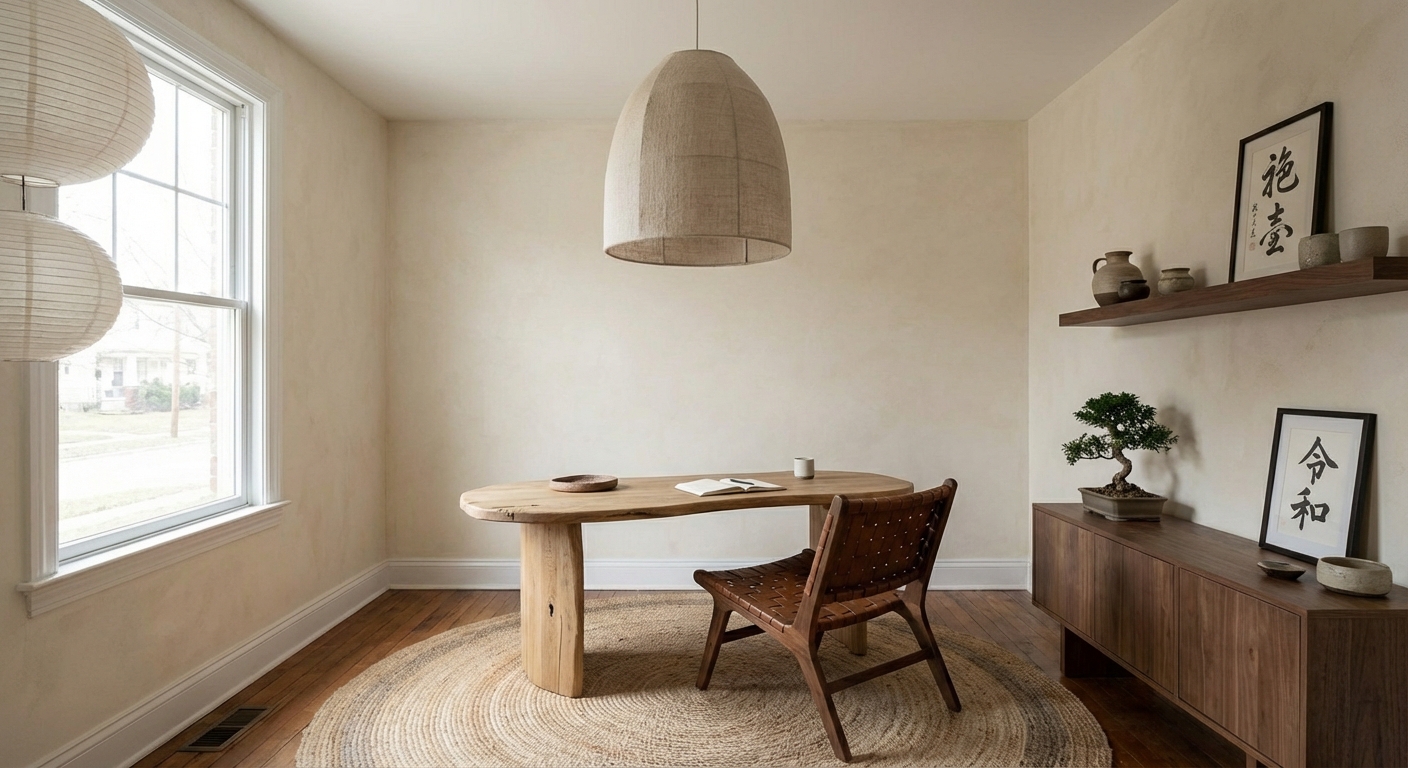
Choose a warm off-white or pale greige for walls
- 2
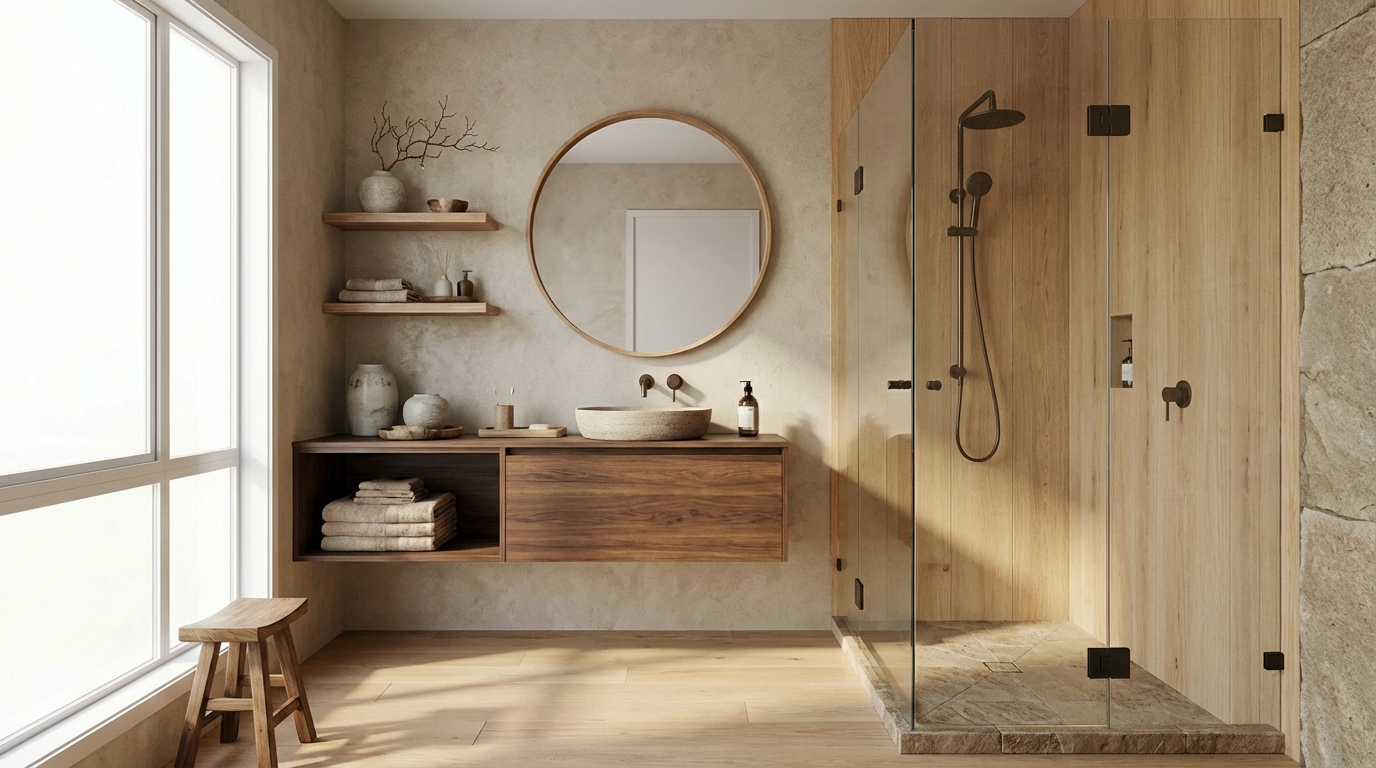
Select furniture in dark walnut or oak with clean lines
- 3
Limit decor to a few handcrafted, imperfect objects
- 4
Use low-profile furniture inspired by Japanese floor living
- 5
Add indoor plants in simple stoneware pots
- 6
Keep negative space intentional — empty space is part of the design
Embrace one imperfect handmade ceramic or irregular wood piece as the room centerpiece — wabi-sabi values the beauty of imperfection.
Try It with AI
Japandi is one of the most nuanced styles to execute because the balance between warm and minimal is highly personal. Layoutly AI lets you test different levels of Japandi styling in your room — adjust the warmth, the density of objects, and the color palette to find your ideal equilibrium between Japanese restraint and Scandinavian comfort.
How They Compare
Frequently Asked Questions
How is Japandi different from minimalism?
Minimalism prioritizes radical reduction and often uses industrial materials like concrete and steel. Japandi is warm and nature-focused — it uses wood, ceramics, and linen extensively. A minimalist room may have bare white walls; a Japandi room has textured plaster, a handmade vase, and a woven throw.
What materials define Japandi style?
Natural wood (oak, walnut, ash), handmade ceramics and pottery, linen and cotton textiles, bamboo, rattan, natural stone, and washi paper or rice paper for lighting. Every material should feel organic and show the hand of its maker.
Is Japandi expensive to achieve?
Japandi emphasizes quality over quantity — fewer pieces, but each one thoughtfully chosen. Individual items may cost more (handmade ceramics, solid wood furniture), but you need far fewer of them. The overall budget can be comparable to other styles if you resist the urge to fill space.
What plants work in Japandi interiors?
Sculptural, singular plants work best: bonsai trees, fiddle-leaf figs, snake plants, or a single branch of cherry blossom in a ceramic vase. Avoid clusters of small plants. The plant should feel like a deliberate presence, not a collection.
Can Japandi work in a modern apartment?
Perfectly. Japandi actually thrives in modern apartments because the clean architecture provides a neutral backdrop. Focus on warm wood furniture, neutral textiles, and a few handmade accessories. The style makes small spaces feel larger through intentional emptiness.
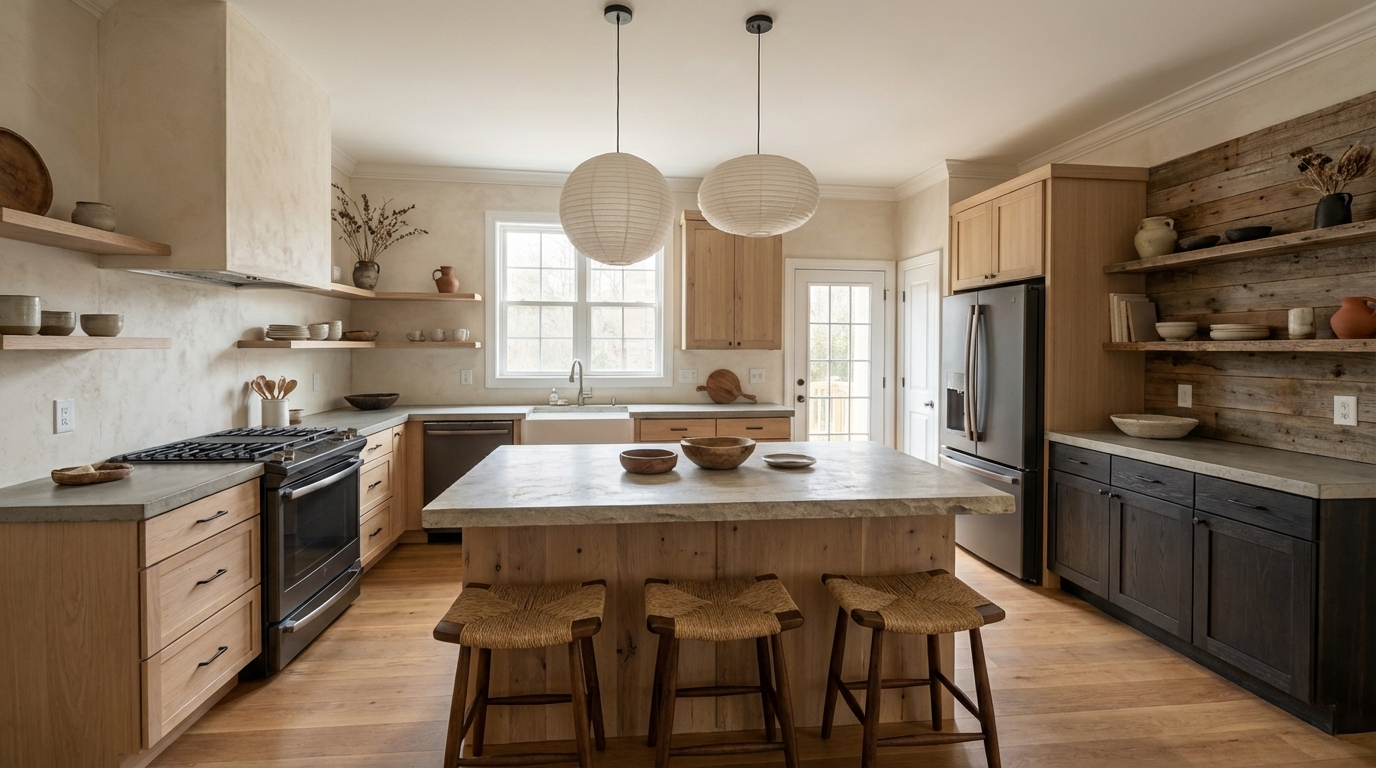
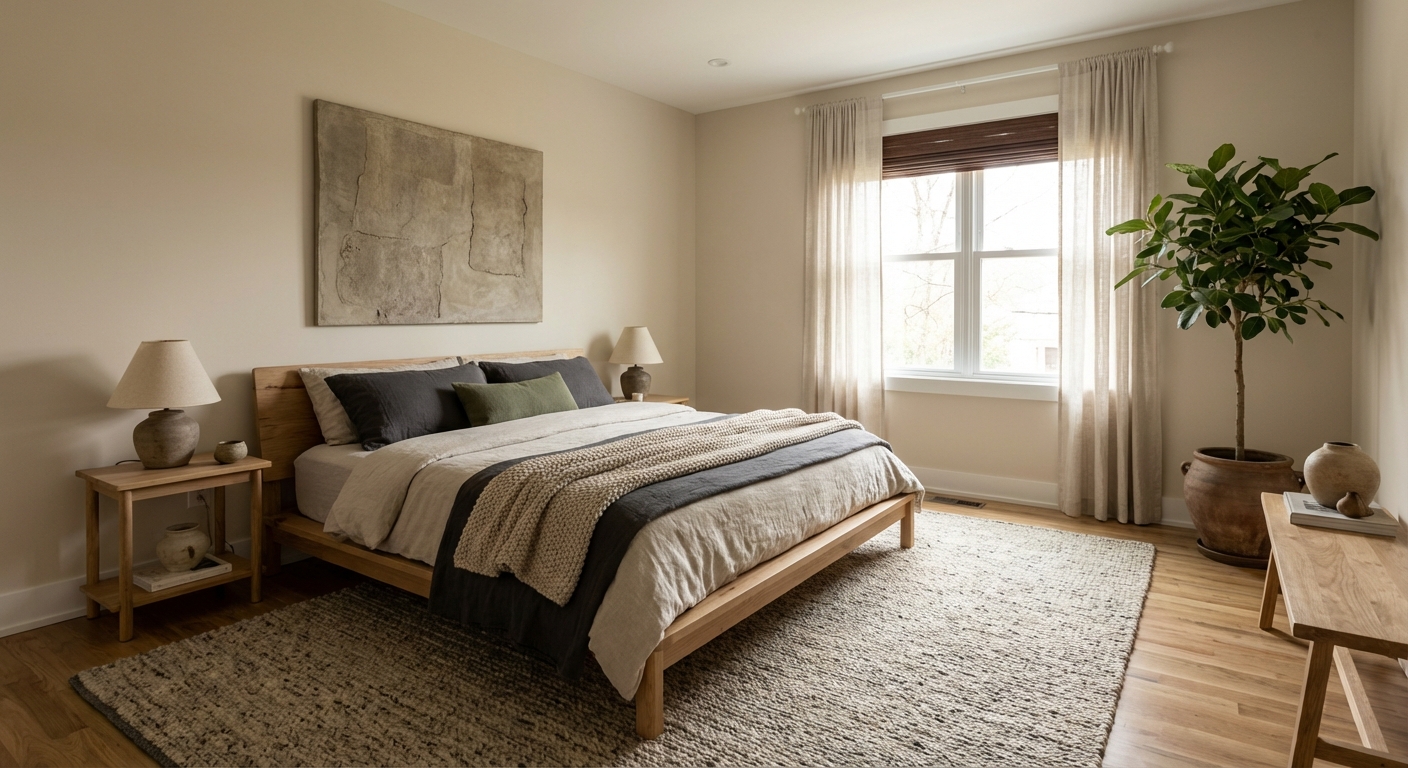
Ready to Transform Your Room?
Download Layoutly and see this design in your space in seconds.