Kids Room Makeover — Fun, Functional, and Built to Grow
The best kids rooms are not themed playgrounds — they are adaptable spaces that inspire creativity, support organization, and evolve as your child grows.
What is Kids Room Makeover Ideas?
The best kids rooms are not themed playgrounds — they are adaptable spaces that inspire creativity, support organization, and evolve as your child grows.
2/4
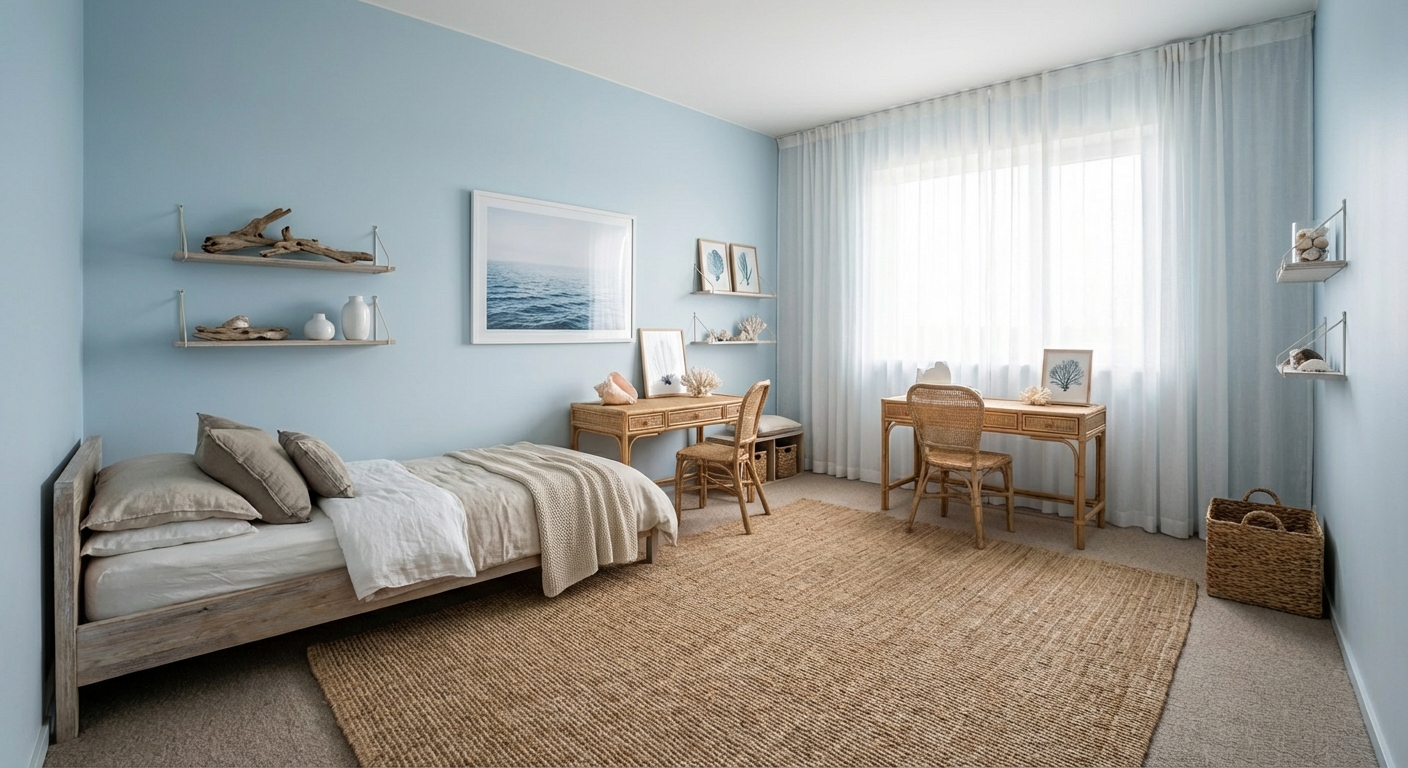
See the Transformation
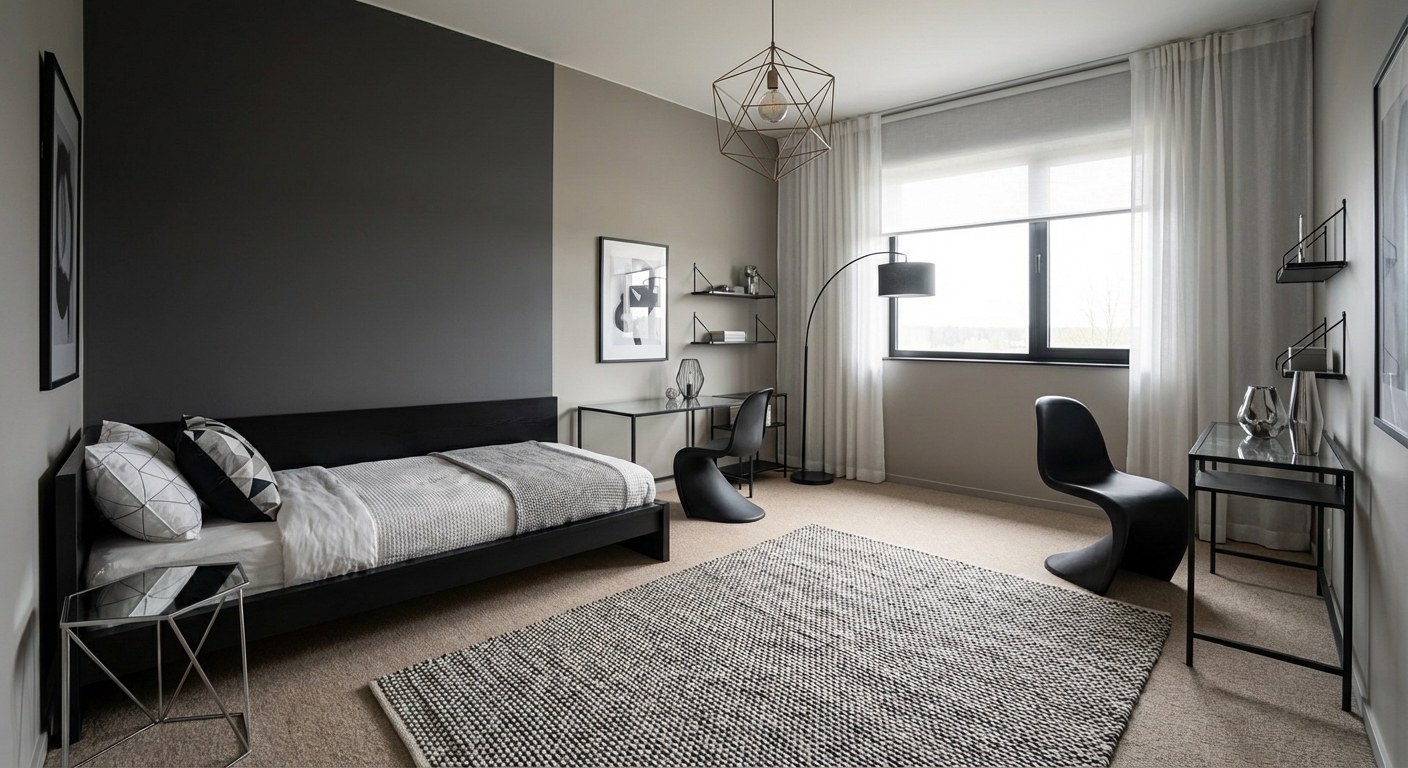
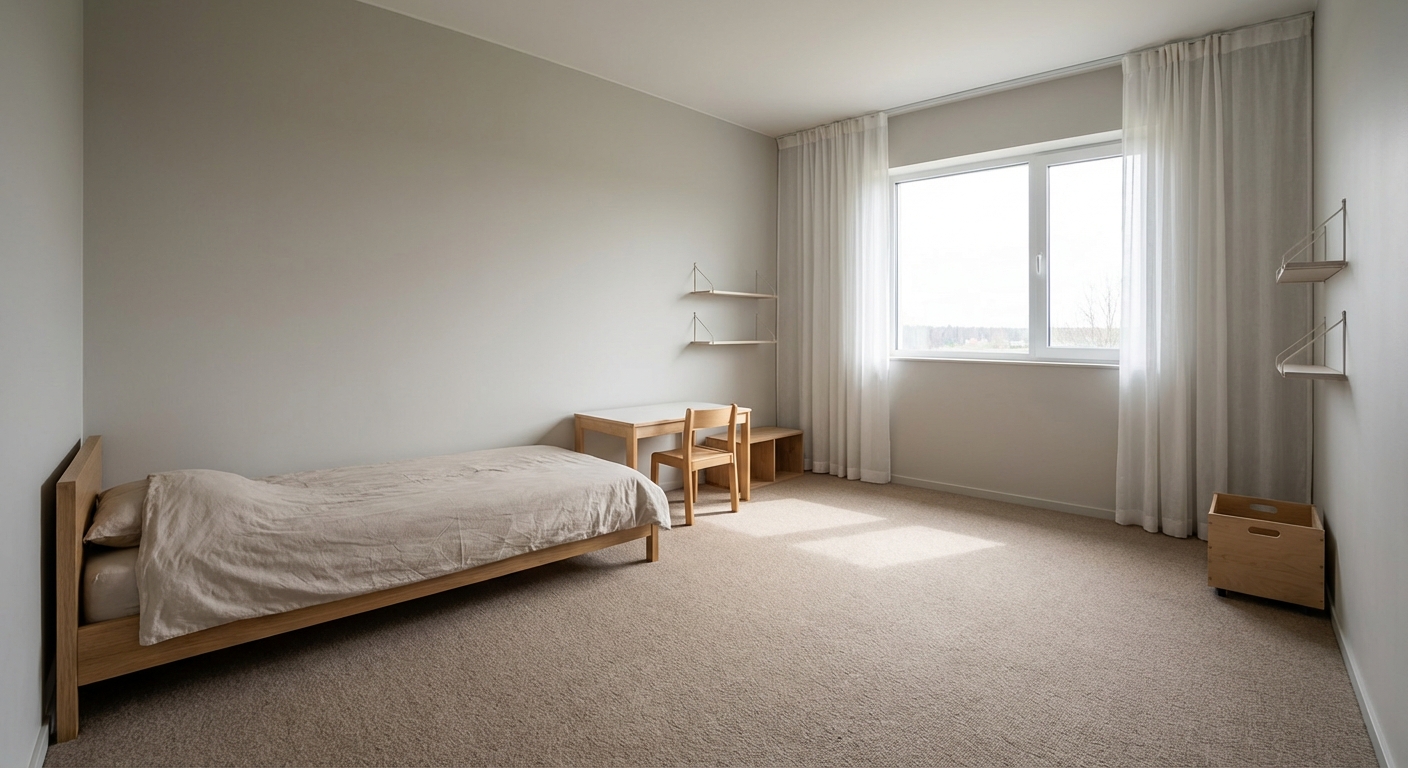
Upload your room photo in the app to see your real transformation
Color Palette
Click any color to copy hex code
Why It Works
Kids rooms fail when they are designed for a specific age — the dinosaur mural that delights a four-year-old embarrasses an eight-year-old. Successful kids room transformations create a neutral, adaptable foundation that can evolve through accessories rather than renovation. The most common issues are: chaotic toy storage that makes cleanup impossible, a room designed for sleep but not play or study, an overly themed aesthetic that expires quickly, and furniture that will be outgrown in two years. A well-designed kids room addresses all four by investing in flexible, lasting pieces and expressing personality through easily changeable elements.
Best for
- people ready to test options on a real photo before buying
- anyone planning a real living room where conversation distance, TV glare, and traffic past the sofa matter more than Pinterest perfection
- projects already thinking about paint, bed, desk and needing a coherent layout
Skip if
- you will not address conversation distance and only want a filter look
- you refuse to remove anything and only add decor
Common mistakes
In a living room, “kids” fails when you shopping object-by-object with no envelope decision. Details like paint, bed, desk only work if the plan respects conversation distance, TV glare, and traffic past the sofa. Another miss: pushing every seat against the walls and calling the empty middle “open”.
Decide this first
fix the primary seating pair and one clear path before decorative chairs. Lock a coherent material story instead of random catalog picks as a short list, then use Intero on a real photo so scale and light are honest before you spend.
How to Achieve This Look
- 1
Choose a neutral base that grows with the child — white or soft gray walls
- 2
Add color through removable elements — bedding, decals, and art
- 3
Install creative storage at kid-accessible heights
- 4
Create a dedicated reading nook or activity corner
- 5
Use durable, washable fabrics on everything within reach
- 6
Leave open floor space for play and future needs
Layout & materials
Build a neutral foundation: paint walls white, soft gray, or a muted tone that works for any age. Invest in furniture that grows — a full-size bed instead of a themed toddler bed, a desk that adjusts in height, and modular storage that reconfigures. Organize toys in accessible, child-height bins and baskets labeled with pictures for younger kids. Create distinct zones: a sleep area, a play area (with a rug to define it), and a study area for school-age children. Express personality through changeable elements: bedding, wall art that tapes or pins up, and a gallery rail for rotating artwork. Add fun through a reading nook, a canopy, or string lights rather than permanent themed decorations.
Design for the next three years, not the current age — use removable wall decals and swappable textiles for themes they will outgrow.
Intero AI lets you preview kids room transformations that balance fun and function. Upload a photo of the current room and test different color palettes, furniture layouts, and storage configurations. See how the room can grow with your child before buying age-specific furniture.
Frequently Asked Questions
Q1 How do I design a kids room that does not need to be redone every two years?
Invest in neutral, quality basics: white or natural wood furniture, a muted wall color, and good lighting. Express the child current interests through bedding, removable wall decals, pinned artwork, and accessories that cost $50-$200 to swap — not $5,000 in furniture and paint.
Q2 What is the best storage solution for kids rooms?
Open bins and baskets at child height for daily toys, combined with closed storage (closet, drawers) for rotation stock. The IKEA Kallax or similar cubby systems with fabric bins are the most popular and effective solution. Label everything with pictures for pre-readers.
Q3 At what age should a kids room transition to a teen room?
Around ages 10-12, children start wanting input on their space. Let them choose new bedding, wall art, and accessories within your neutral foundation. This transition should cost $200-$500 in new textiles and decor, not a full room redo.
Related searches
These are the next pages people usually open while narrowing this design direction.
Ready to See This Style in Your Room?
Download Intero and preview this design on your own room photo.
No credit card. No signup. Just results.
Scan to download
Point your phone camera at a code

