The Complete Guide to Mediterranean Interior Design
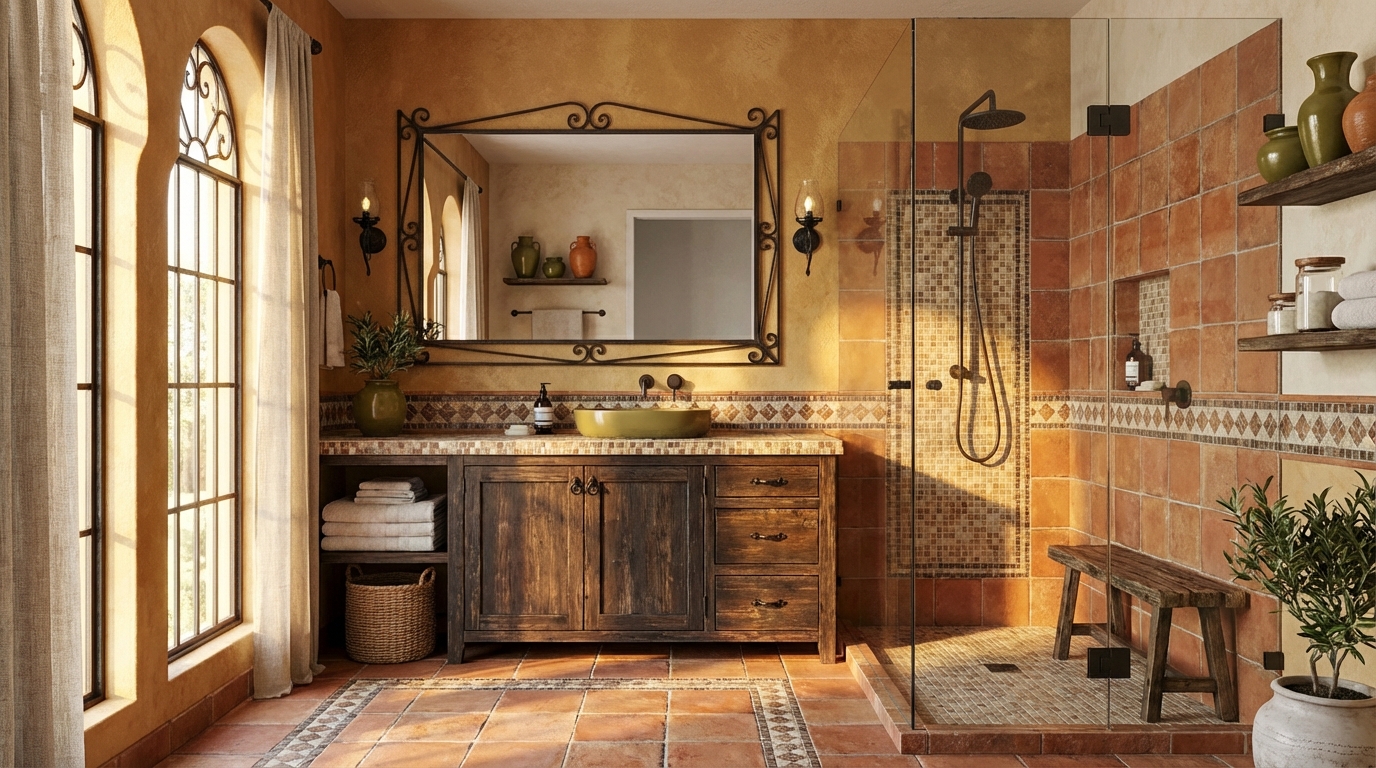
Sun-washed walls, terracotta floors, and wrought iron details — Mediterranean design captures the warmth and effortless elegance of southern European coastal living.
What is Complete Guide to Mediterranean Design?
Sun-washed walls, terracotta floors, and wrought iron details — Mediterranean design captures the warmth and effortless elegance of southern European coastal living.
2/4
See the Transformation
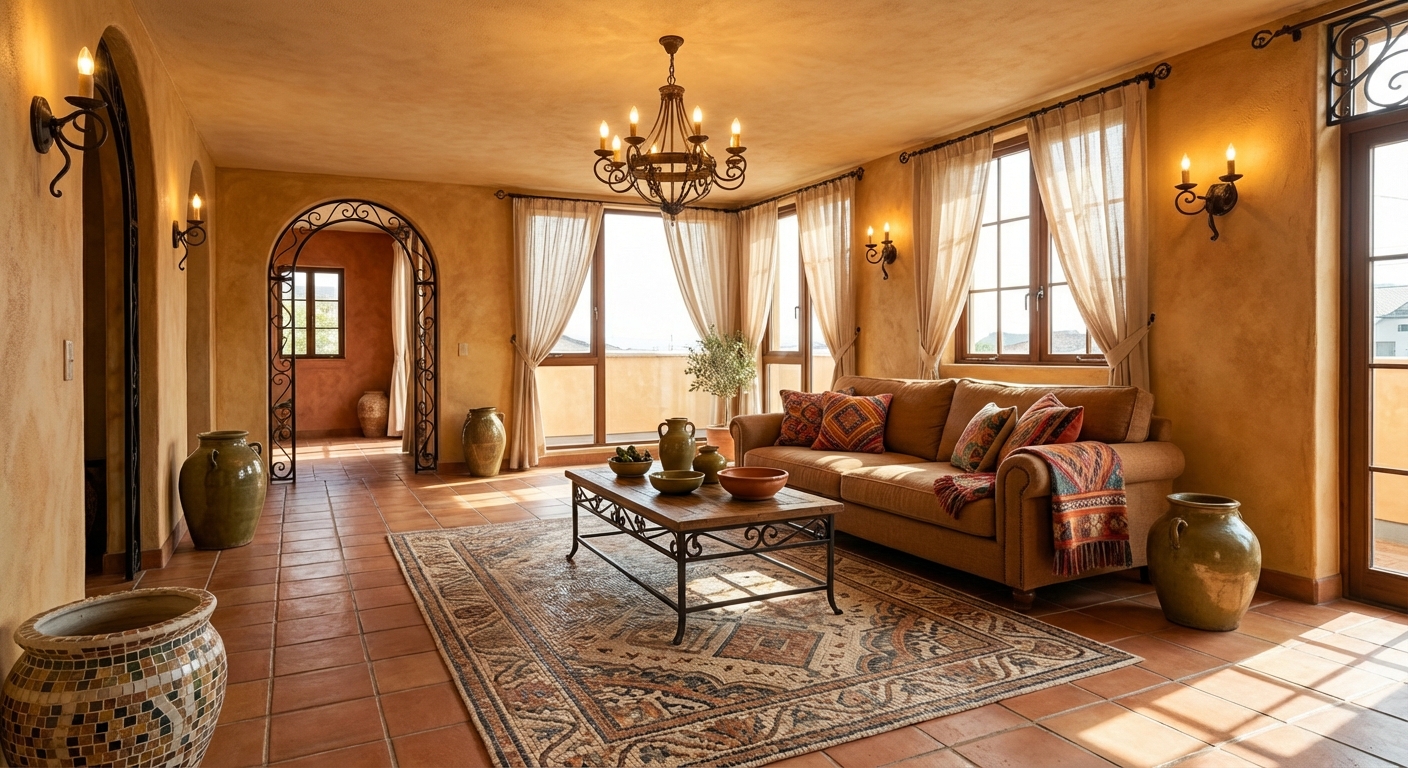
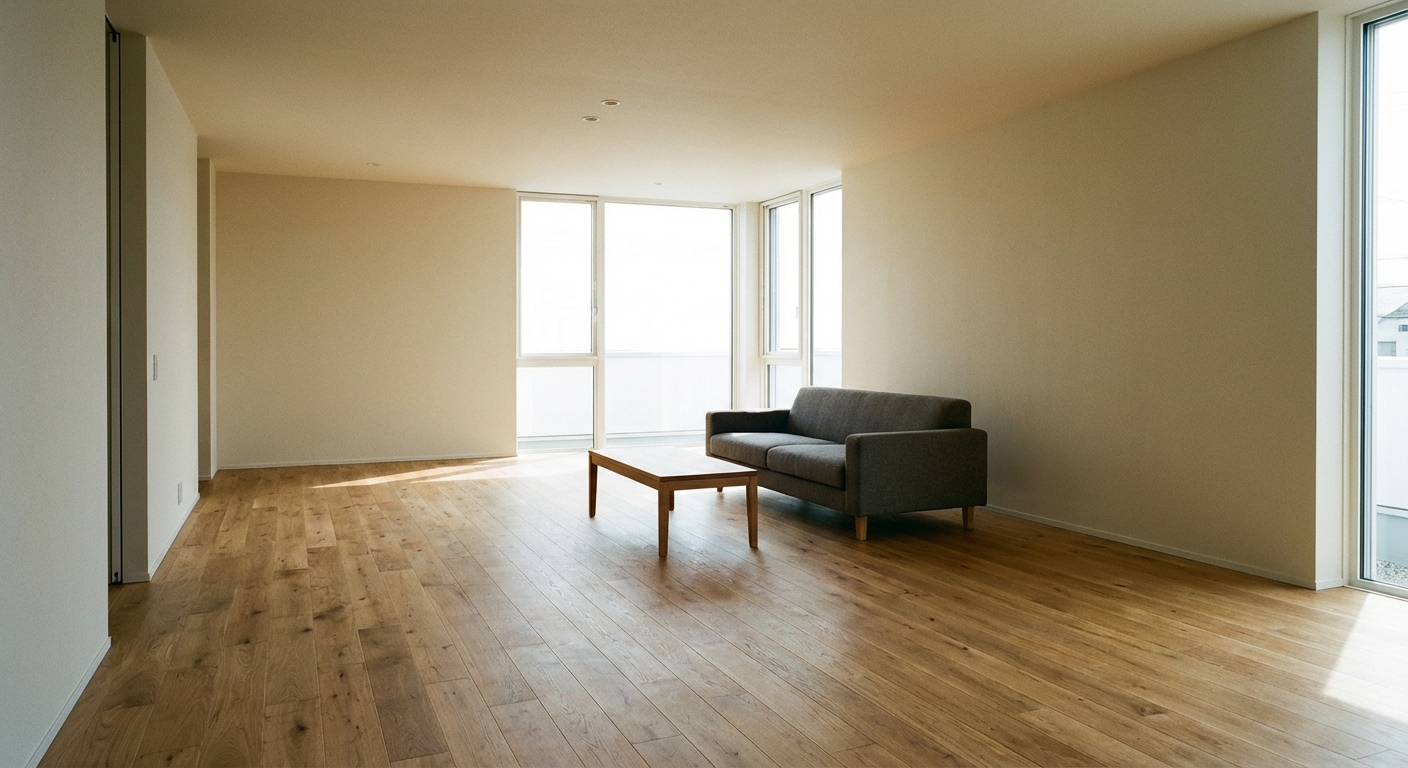
Upload your room photo in the app to see your real transformation
Color Palette
Click any color to copy hex code
Why It Works
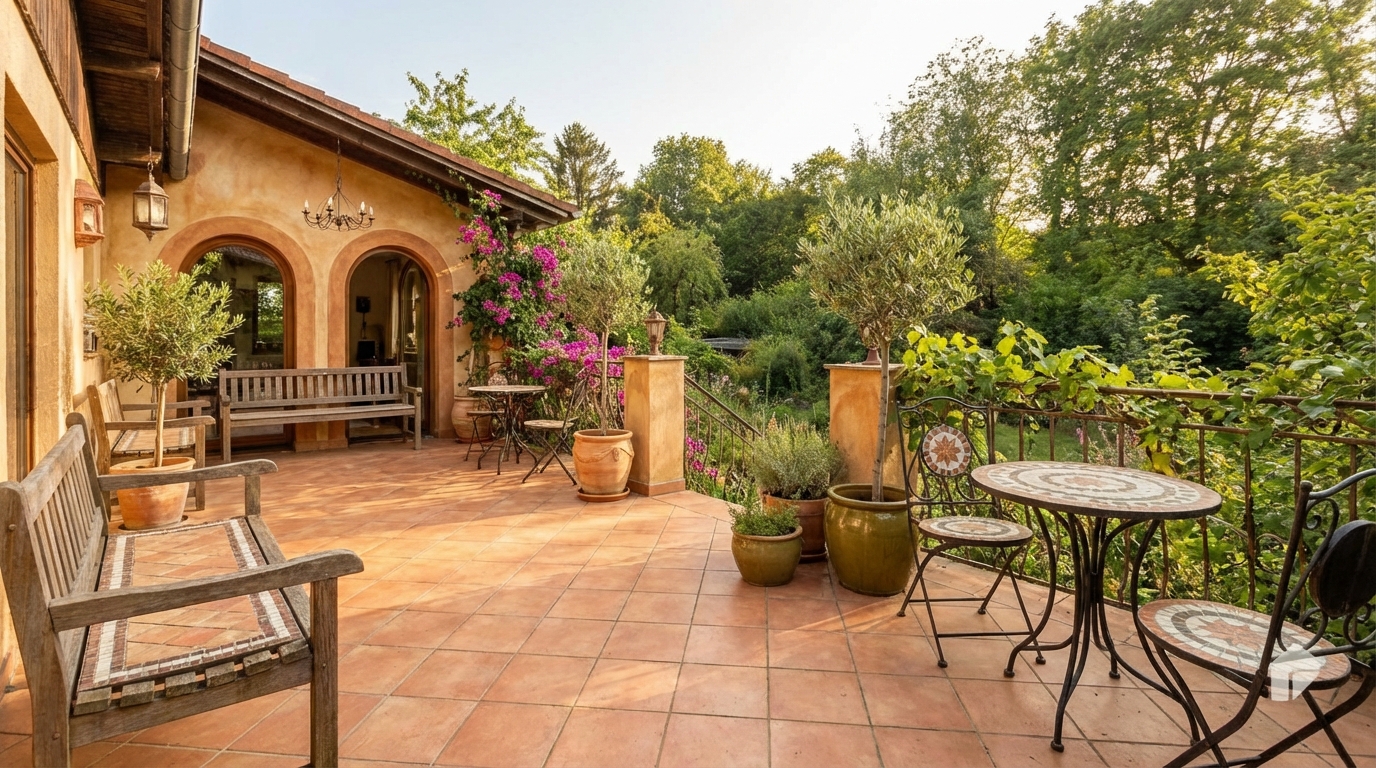
Mediterranean design is a composite of the architectural traditions found along the Mediterranean coast — the sun-bleached stucco of Greek islands, the terracotta and wrought iron of Tuscany, the ornate tilework of Spain and Morocco, and the rustic stone of the French Riviera. These traditions share common responses to the same climate: thick walls for insulation, courtyards for ventilation, terracotta for natural cooling, and deep-set windows for shade. The resulting aesthetic is warm, textured, and effortlessly organic. Mediterranean design resonates universally because it evokes a specific sensory experience: the warmth of sun on stone, the smell of citrus and herbs, the cool of terracotta underfoot. The style ages beautifully — weathered plaster, faded tile, and worn wood gain character over time rather than looking dated. In a world of mass-produced perfection, the imperfect, handmade quality of Mediterranean interiors feels authentic and soulful.
Best for
- people ready to test options on a real photo before buying
- anyone planning a real living room where conversation distance, TV glare, and traffic past the sofa matter more than Pinterest perfection
- projects already thinking about tile, bed, linen and needing a coherent layout
Skip if
- you will not address conversation distance and only want a filter look
- you need the room finished tomorrow with zero test fits
Common mistakes
In a living room, “complete” fails when you shopping object-by-object with no envelope decision. Details like tile, bed, linen only work if the plan respects conversation distance, TV glare, and traffic past the sofa. Another miss: pushing every seat against the walls and calling the empty middle “open”.
Decide this first
fix the primary seating pair and one clear path before decorative chairs. Lock a coherent material story instead of random catalog picks as a short list, then use Intero on a real photo so scale and light are honest before you spend.
How to Achieve This Look
- 1
Use warm plaster or limewash on walls for Old World texture
- 2
Choose terracotta, natural stone, or encaustic cement tiles for floors
- 3
Add wrought iron elements in light fixtures, hardware, or furniture
- 4
Incorporate arched shapes through mirrors, doorways, or niches
- 5
Use olive green, terracotta, and sun-bleached blue as accent colors
- 6
Bring in ceramic pottery, olive branches, and rustic wood accents
Layout & materials
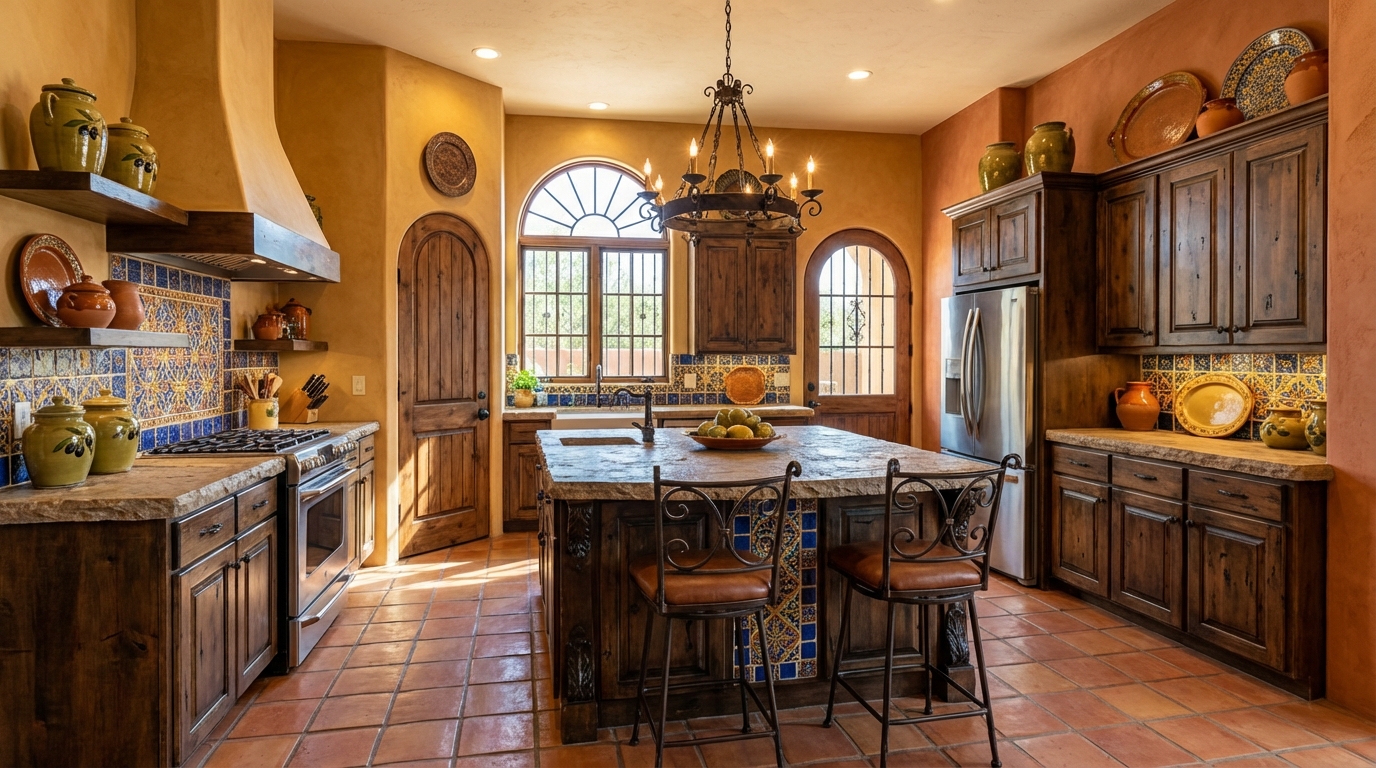
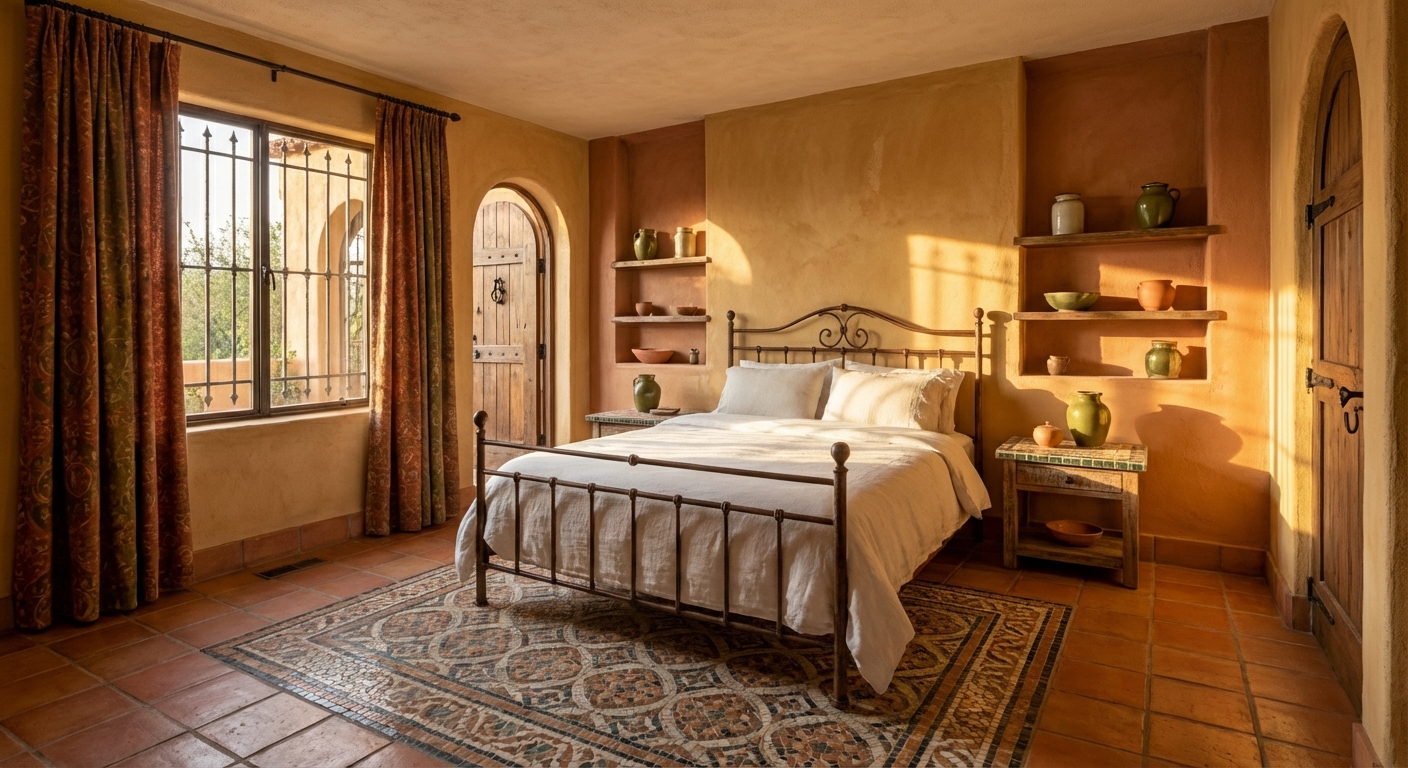
Walls set the tone: textured plaster in warm white, pale yellow, or terracotta creates the characteristic sun-washed appearance. Skip smooth drywall finishes in favor of Venetian plaster, lime wash, or Roman clay for authentic texture. Floors should be natural: terracotta tile, limestone, or wide-plank aged wood. The color palette draws from the landscape — olive green, terracotta red, azure blue, sunflower yellow, and warm cream. Furniture is sturdy and crafted: dark wood tables, wrought iron bed frames, leather and linen upholstery. Key elements include arched doorways or mirrors, decorative tile (hand-painted Talavera, Moroccan zellige, or Italian mosaic) as accents, wrought iron fixtures and hardware, and pottery or ceramic accessories. Textiles are natural and sun-faded in appearance: linen, cotton, and jute in warm earth tones. Plants are essential — olive trees, lavender, citrus, and trailing vines in terracotta pots reinforce the Mediterranean atmosphere.
A single arched mirror or bookshelf instantly evokes Mediterranean architecture without any construction work.
Mediterranean design involves architectural elements like textured walls and decorative tile that are expensive to change. Intero AI lets you preview how plaster walls, terracotta floors, and Mediterranean color palettes would transform your space before committing to renovation. Test different regional variations — Greek whitewash, Tuscan warmth, or Spanish tilework — to find the Mediterranean flavor that suits your home.
Frequently Asked Questions
Q1 Can I achieve Mediterranean design in a modern home?
Yes. Focus on textured walls (lime wash or Roman clay paint is removable), warm earth-tone colors, terracotta or stone-look tile, and Mediterranean accessories — wrought iron, ceramics, olive wood. Arched mirrors can suggest architectural details without structural changes.
Q2 What is the difference between Mediterranean, Tuscan, and Spanish style?
Mediterranean is the umbrella style. Tuscan emphasizes warm earthy tones, dark wood, and vineyard-country elegance. Spanish style features bolder tilework, wrought iron, and deeper jewel-tone accents. Greek Mediterranean is lighter and whiter. All share terracotta, natural materials, and textured walls.
Q3 What colors define Mediterranean design?
Warm whites and creams as the base, with accent colors drawn from the landscape: terracotta red, olive green, azure and cobalt blue, sunflower yellow, and deep plum. The palette should feel sun-warmed and naturally faded rather than bright or saturated.
Q4 Is Mediterranean design expensive?
Authentic elements like handmade tile and Venetian plaster can be costly, but the overall style is achievable on a budget. Paint techniques like lime wash are affordable, terracotta-look porcelain tile costs a fraction of the real thing, and wrought iron accessories and pottery are widely available at every price point.
Related searches
These are the next pages people usually open while narrowing this design direction.
Ready to See This Style in Your Room?
Download Intero and preview this design on your own room photo.
No credit card. No signup. Just results.
Scan to download
Point your phone camera at a code

