The Complete Guide to Minimalist Interior Design
Minimalism is not about having nothing. It is about having only what matters — and giving every object the space to be appreciated.
$$
See the Transformation
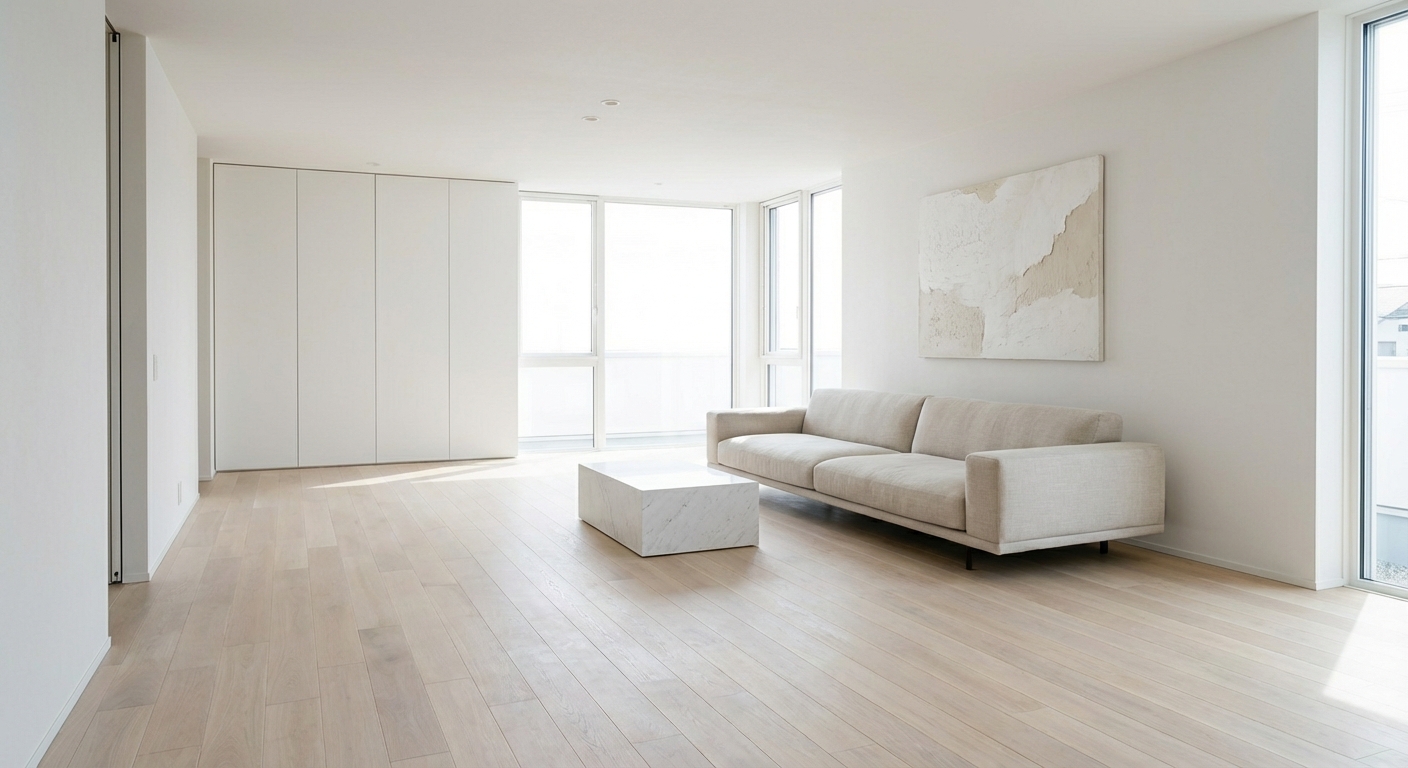
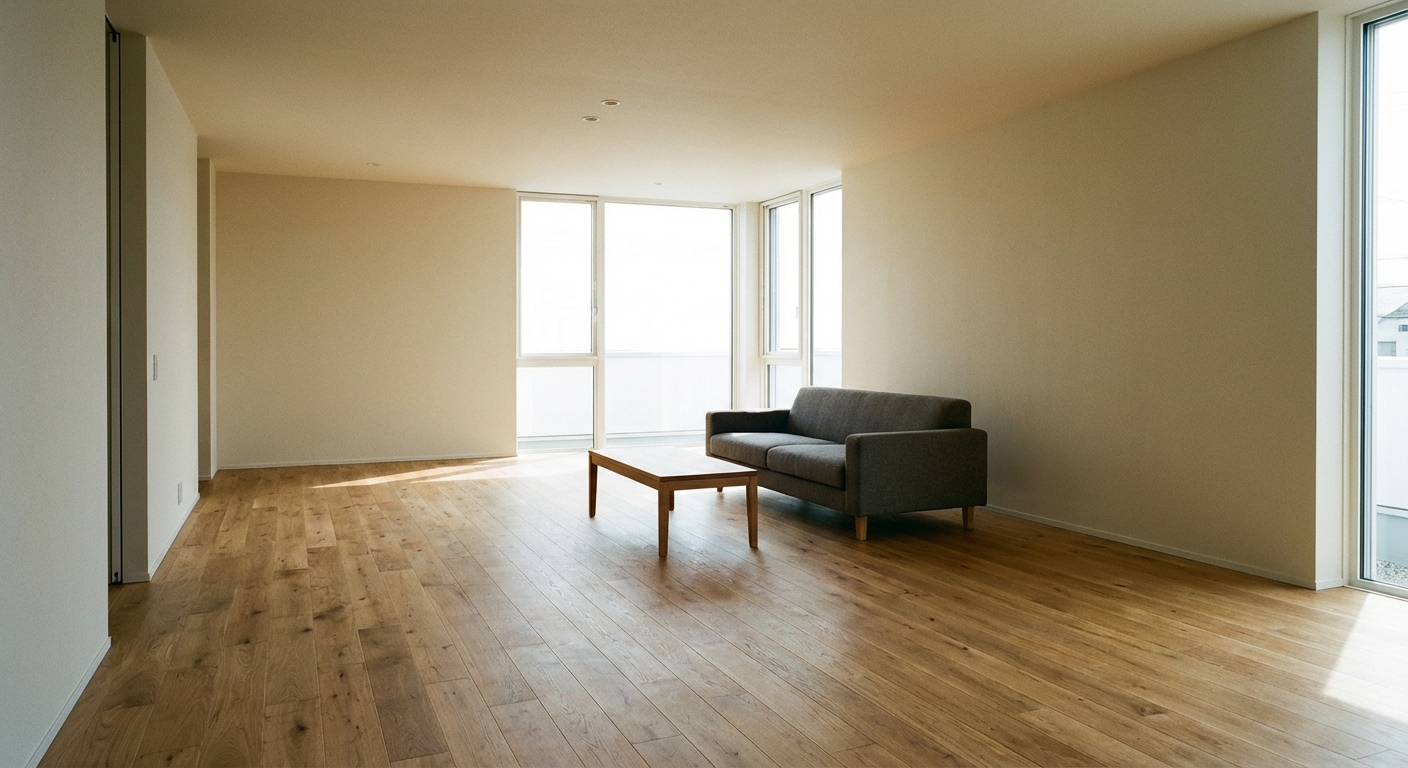
Upload your room photo in the app to see your real transformation
Color Palette
Why It Works
Minimalist design draws from the Japanese concept of ma (the value of empty space) and the De Stijl and Bauhaus movements of early 20th century Europe. It was crystallized as an art movement in the 1960s by artists like Donald Judd and Dan Flavin, who stripped work to essential form, color, and material. In interiors, minimalism applies the same principle: every element must serve a purpose, whether functional or deeply aesthetic. The philosophy challenges the consumer assumption that more is better. Research in environmental psychology supports this: cluttered spaces elevate cortisol levels and impair focus, while clean, ordered spaces reduce stress and improve cognitive function. Minimalist design works because it gives the brain less to process, creating a sense of calm and control. The empty space in a minimalist room is not absence — it is a deliberate presence that allows the remaining objects to be fully seen and appreciated.
How to Achieve This Look
- 1
Declutter aggressively — remove everything that is not essential
- 2
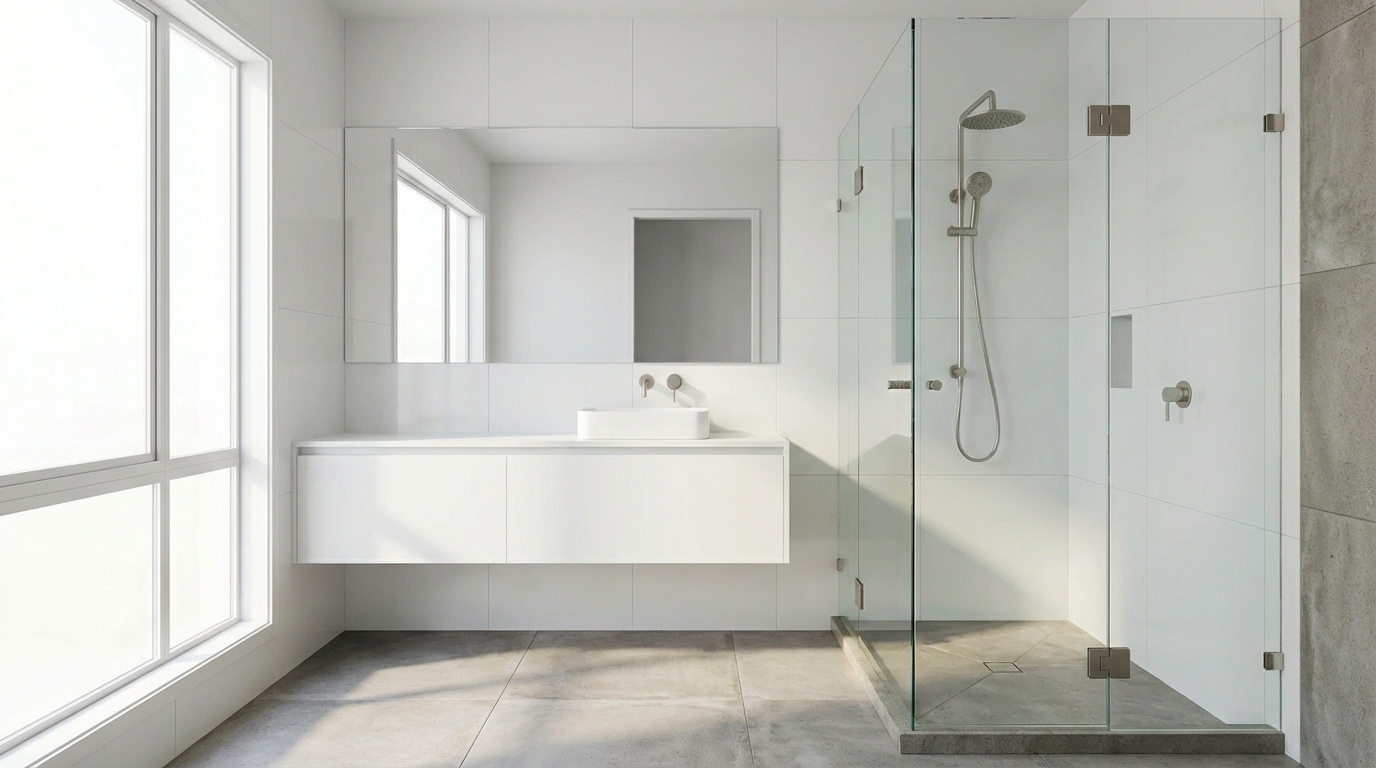
Choose a strict palette of white, gray, and one warm neutral
- 3
Select furniture with clean lines and concealed storage
- 4
Eliminate visible clutter with closed cabinets and hidden systems
- 5
Use one piece of large-scale art instead of many small items
- 6
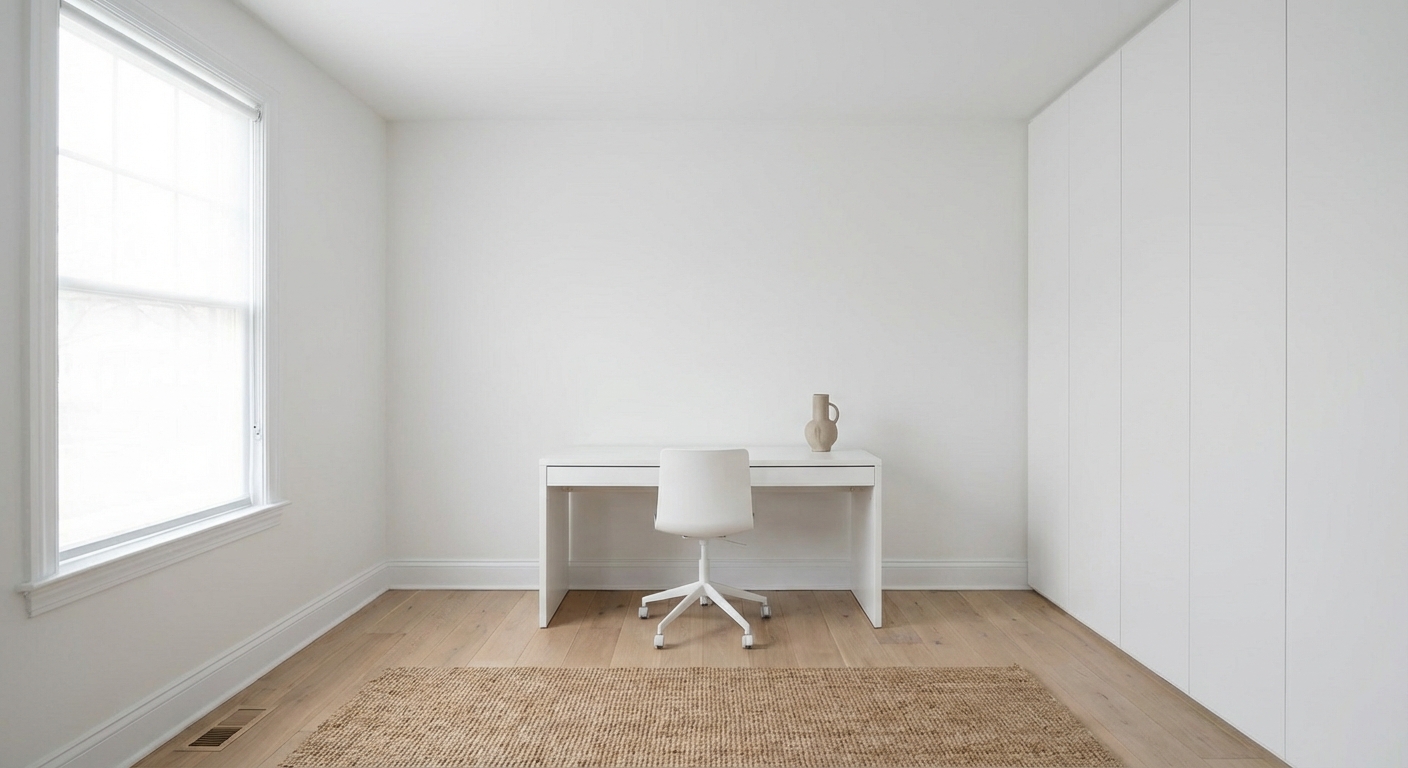
Keep surfaces completely clear except for one intentional object
Before buying anything new, remove everything from the room first — only add back what you genuinely need or love.
Try It with AI
Minimalism is deceptively difficult — removing too much feels cold, while keeping too much defeats the purpose. Layoutly AI lets you visualize different levels of minimalism in your room. Upload a photo and progressively strip away elements to find the exact threshold where your space feels calm but not empty.
How They Compare
Frequently Asked Questions
How do I make a minimalist room feel warm, not sterile?
Use warm-toned neutrals instead of stark white: cream, warm gray, and natural wood. Add tactile textures through linen, wool, and leather. Include one or two organic elements like a plant or a wooden bowl. Warm lighting (2700K-3000K) is essential — cool lighting makes minimalist spaces feel clinical.
How much does minimalist design cost?
Minimalism can be either very affordable (own fewer things, buy less) or expensive (fewer pieces means each one matters more, so quality is paramount). The most sustainable approach is to invest gradually in fewer, better pieces rather than buying cheap furnishings you will want to replace.
Is minimalist design practical for families?
Pure minimalism is challenging with children, but minimalist principles — organized storage, clear surfaces, intentional purchasing — improve any family home. Consider a "warm minimalism" approach that allows for more objects and color while maintaining the organized, edited sensibility.
What is the difference between minimalist and Scandinavian design?
Both value simplicity, but Scandinavian design is warmer and allows more objects — candles, throws, plants, and decorative accessories are welcome. Minimalism demands fewer items and more empty space. A Scandinavian room has five things on a shelf; a minimalist room has one or zero.
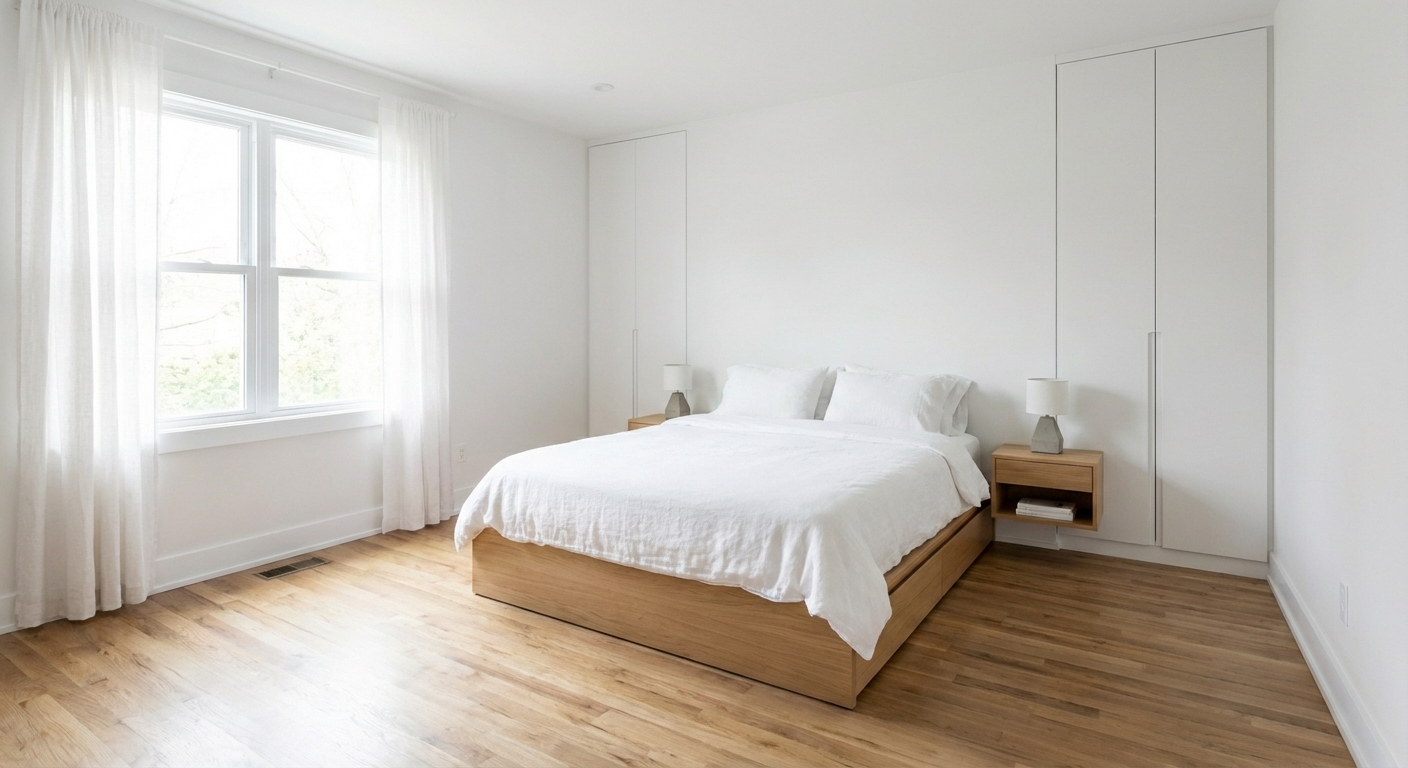
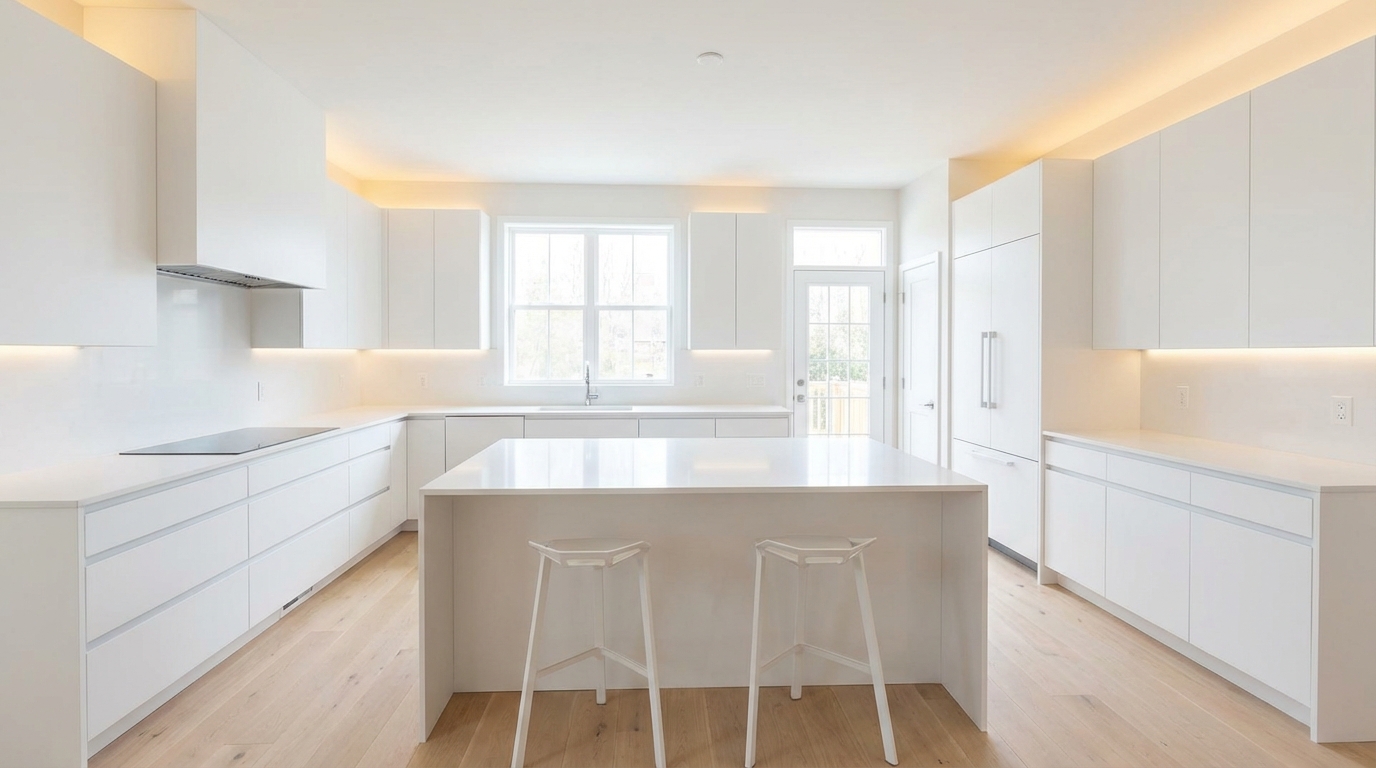
Ready to Transform Your Room?
Download Layoutly and see this design in your space in seconds.