The Complete Guide to Modern Interior Design
Modern design is one of the most misused terms in interiors. This guide covers what modern actually means, where it came from, and how to get it right in every room of your home.
$$
See the Transformation
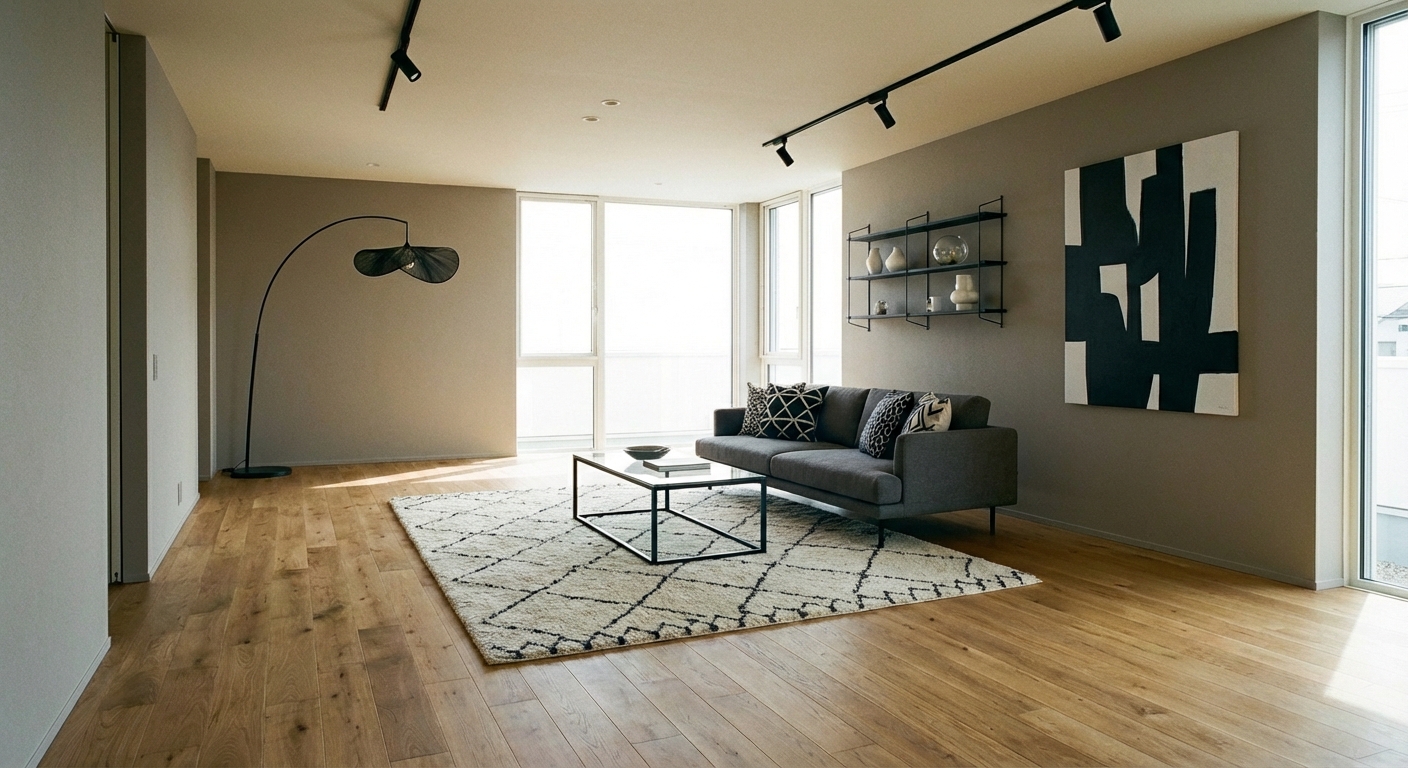
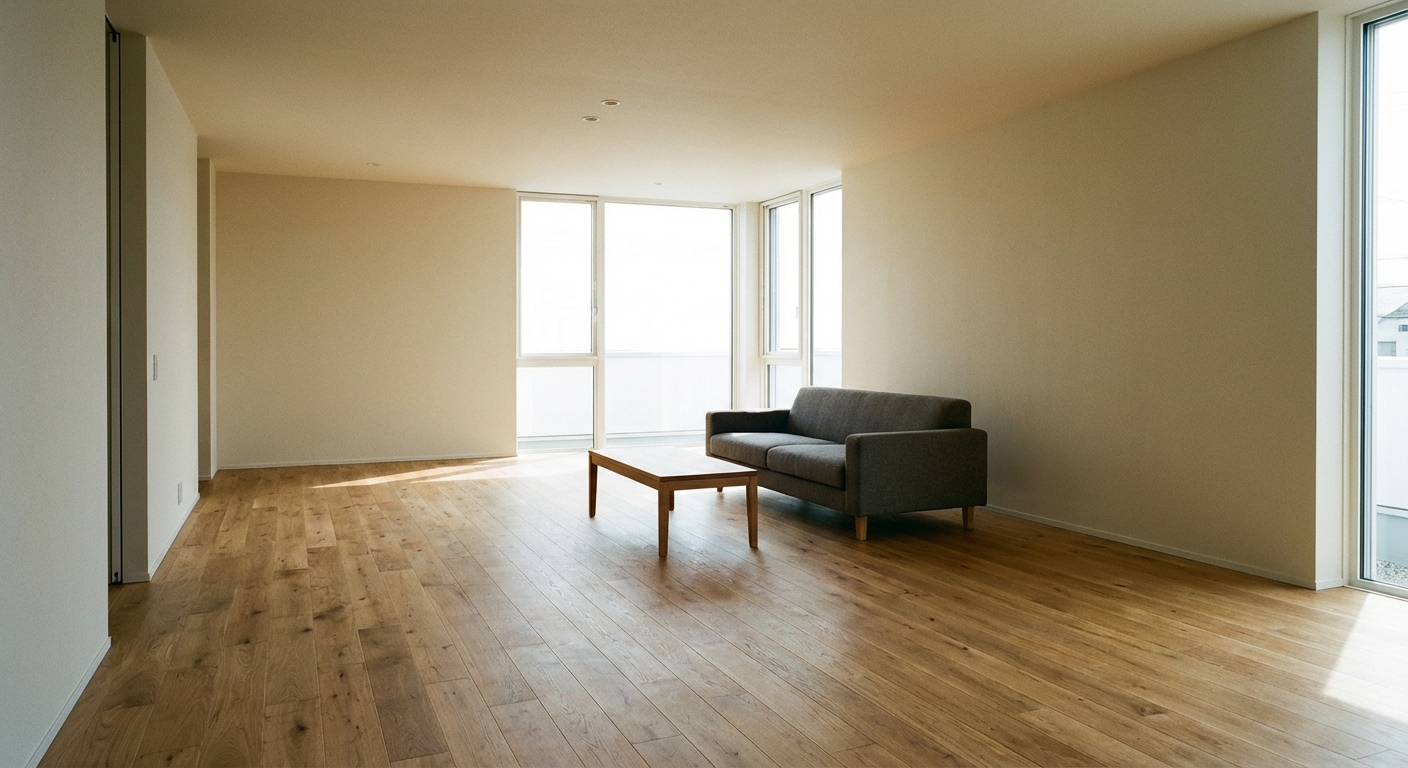
Upload your room photo in the app to see your real transformation
Color Palette
Why It Works
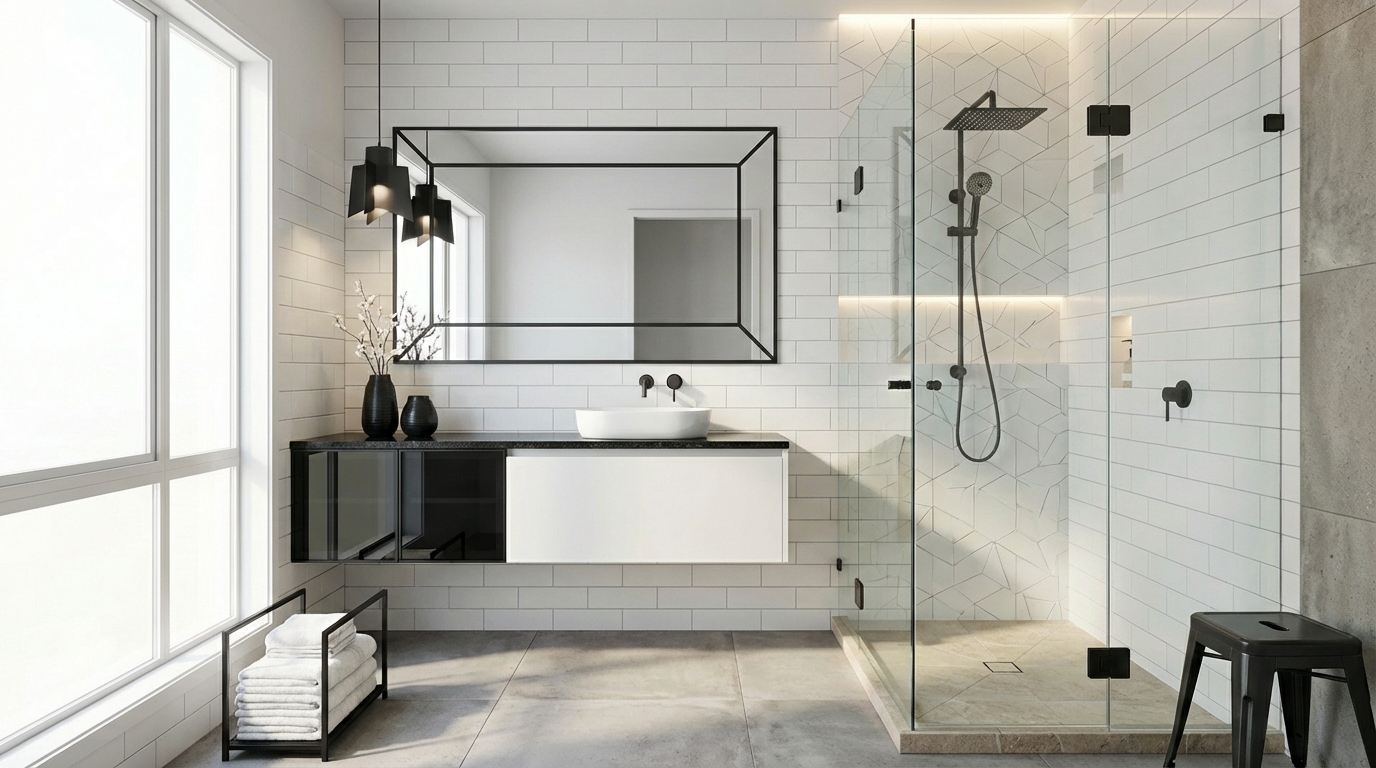
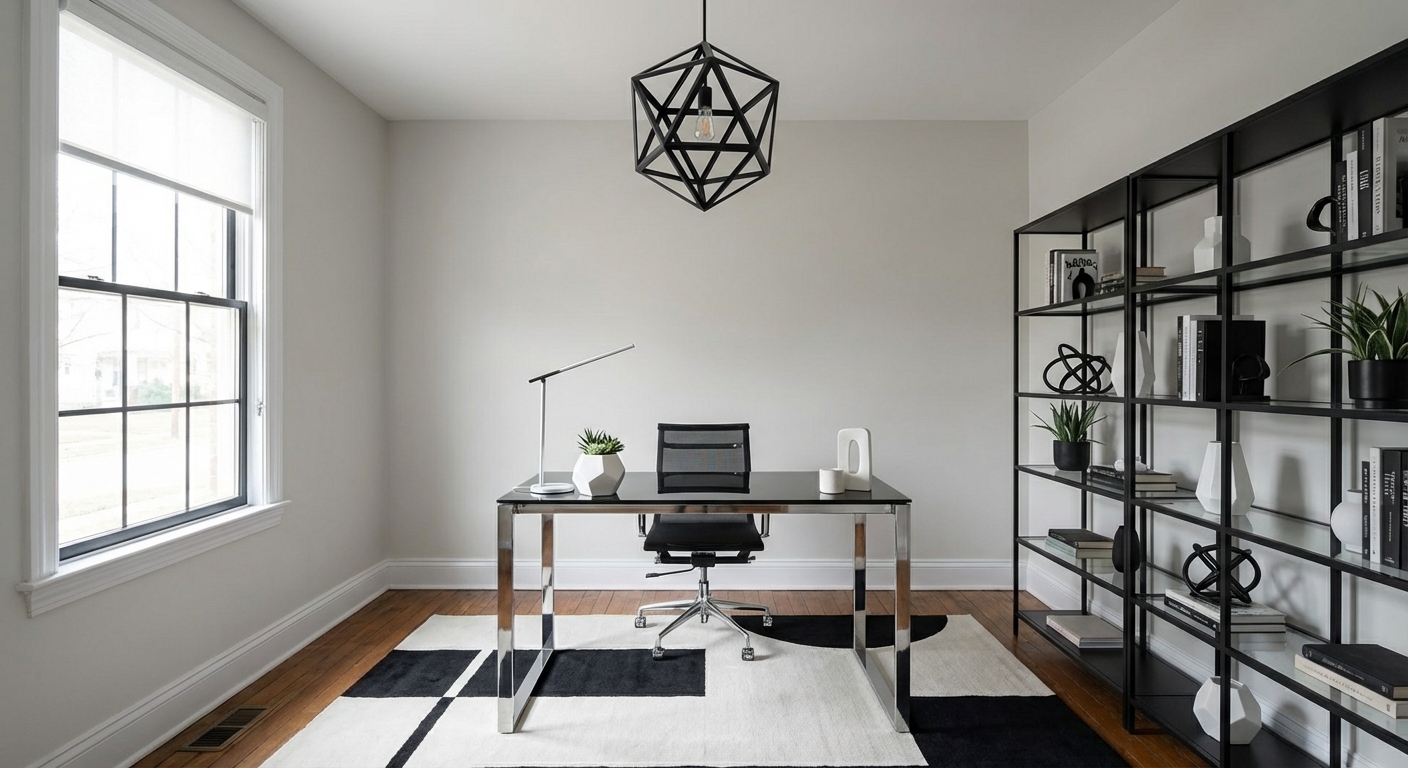
Modern design originated in the early-to-mid 20th century as a rejection of Victorian excess. Rooted in the Bauhaus movement and influenced by architects like Le Corbusier and Mies van der Rohe, it championed the idea that form should follow function. The philosophy strips away ornamental detail and lets materials speak for themselves — exposed wood grain, visible steel frames, and unadorned surfaces. This restraint creates a visual calm that resonates deeply in an era of information overload. Modern design endures because its core principle — eliminate the unnecessary — is timeless. Rooms designed in this style feel spacious, ordered, and quietly luxurious without relying on expensive ornamentation.
How to Achieve This Look
- 1
Start with a neutral base of whites, grays, and warm taupes
- 2
Choose furniture with geometric silhouettes and minimal ornamentation
- 3
Create visual interest through texture rather than pattern
- 4
Incorporate one bold accent like a sculptural light fixture
- 5
Keep surfaces mostly clear with intentional styling
- 6
Use recessed or track lighting for a seamless ceiling line
Limit decorative objects to three per surface — modern design is about curation, not accumulation.
Try It with AI
Layoutly helps you bridge the gap between modern design inspiration and your actual space. Upload a photo of any room and see exactly how modern furniture, neutral palettes, and clean lines would transform it. Experiment with different accent colors, flooring materials, and furniture arrangements to find the precise level of modernism that fits your lifestyle — from warm modern to ultra-minimal.
How They Compare
Frequently Asked Questions
What is the difference between modern and contemporary design?
Modern design refers to a specific historical movement from the early-to-mid 20th century with defined characteristics: clean lines, natural materials, and functional form. Contemporary design means "of the current moment" and borrows from many styles. A contemporary room might include modern elements alongside industrial, Scandinavian, or organic touches.
What are the essential furniture pieces for a modern home?
A low-profile sofa with clean lines, a platform bed without a footboard, a dining table in wood or glass with simple legs, and accent chairs with sculptural forms. Iconic pieces like the Eames lounge chair, Barcelona chair, or Noguchi coffee table are quintessentially modern.
What colors define modern interior design?
The foundation is neutral — white, warm gray, charcoal, black, and natural wood tones. Modern design uses bold accent colors sparingly: a single wall, a piece of art, or a few accessories in mustard, teal, burnt orange, or deep red.
Is modern design cold or uncomfortable?
It does not have to be. Warm modern design incorporates natural wood, soft leather, woven textiles, and layered lighting to create comfort within the clean-lined framework. The key is choosing warm-toned neutrals over cool ones and adding tactile materials.
Can I mix modern design with other styles?
Yes — modern serves as an excellent foundation for mixing. Modern with industrial adds raw edge. Modern with Scandinavian adds warmth. Modern with bohemian adds texture and personality. The clean lines of modern design provide structure that prevents eclectic mixes from feeling chaotic.
Ready to Transform Your Room?
Download Layoutly and see this design in your space in seconds.