A Bedroom Wrapped in One Soothing Color
From the lightest whisper on the ceiling to the deepest shade on the headboard — a monochromatic bedroom is a cocoon of tonal tranquility.
What is Monochromatic Bedroom Design Ideas?
From the lightest whisper on the ceiling to the deepest shade on the headboard — a monochromatic bedroom is a cocoon of tonal tranquility.
2/4
See the Transformation
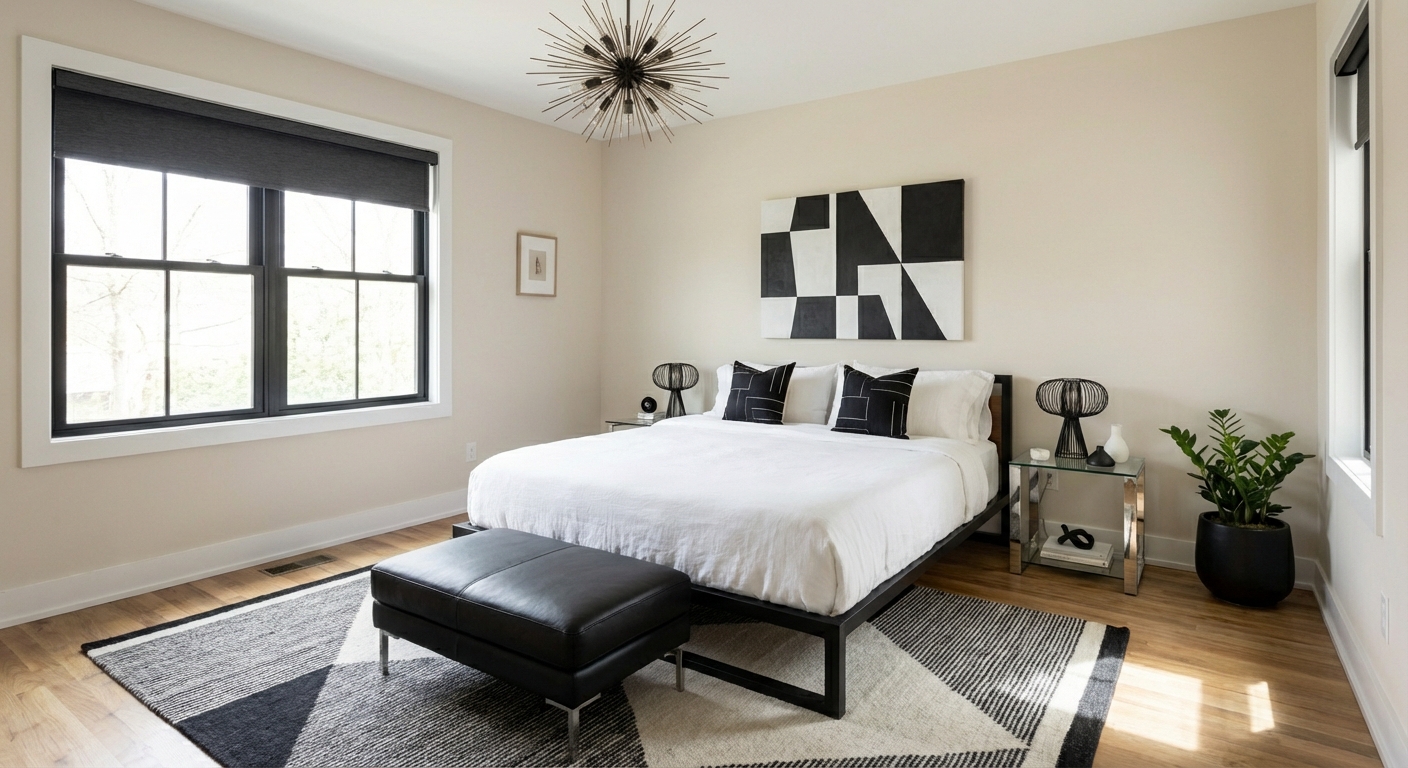
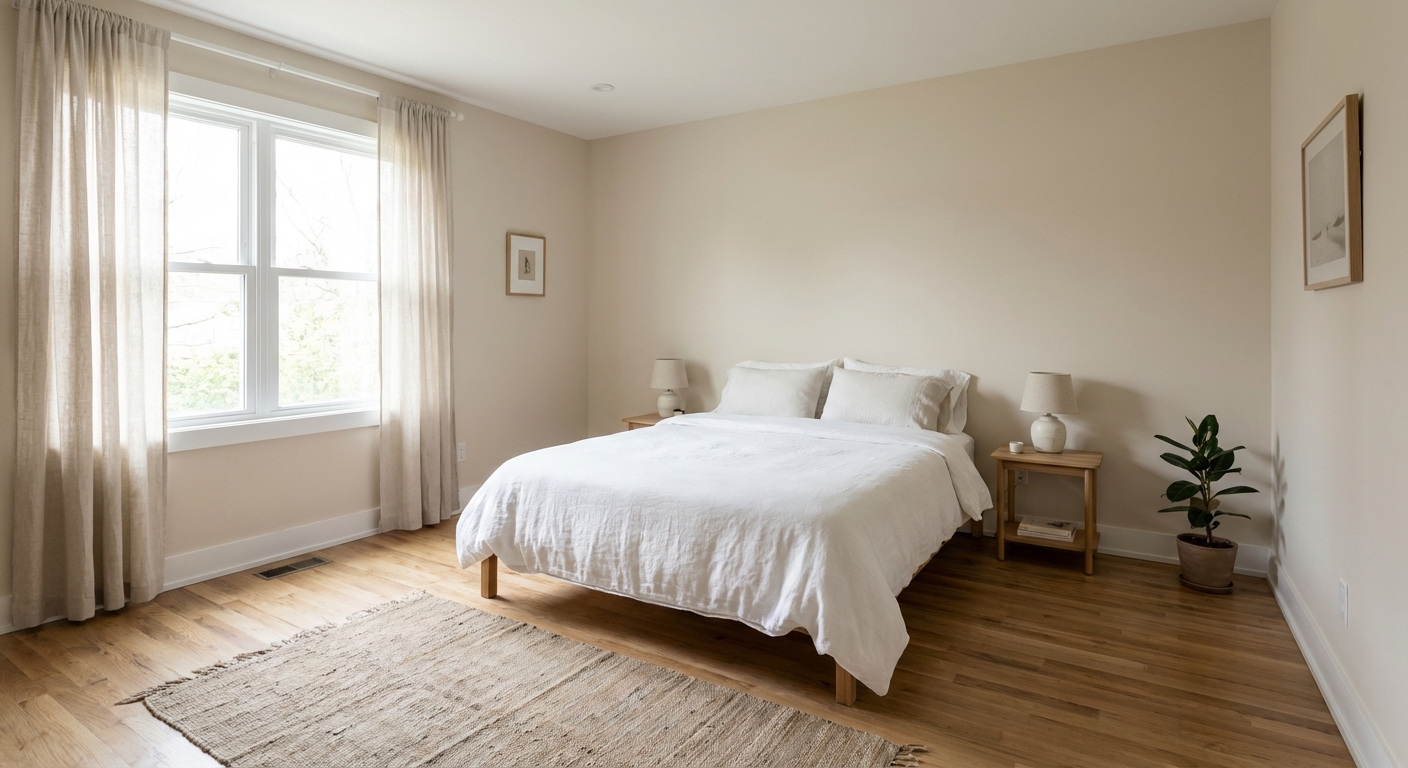
Upload your room photo in the app to see your real transformation
Color Palette
Click any color to copy hex code
Why It Works
Bedrooms benefit enormously from the calming effect of monochromatic design. A single-color palette reduces visual stimulation, helping the brain wind down for sleep. By exploring one hue in multiple shades — from the lightest tint on the ceiling to a deep, saturated shade on the headboard — the room feels enveloping without being monotonous. Layered textures in the same hue (velvet, linen, knit, silk) provide the sensory richness.
Best for
- people ready to test options on a real photo before buying
- anyone planning a real bedroom where bed as the calm center, storage that closes, and light you can dim matter more than Pinterest perfection
- projects already thinking about linen, paint, rug and needing a coherent layout
Skip if
- you will not address bed as the calm center and only want a filter look
- you refuse to remove anything and only add decor
Common mistakes
People pin monochromatic bedroom ideas and then shopping object-by-object with no envelope decision. Details like linen, paint, rug only work if the plan respects bed as the calm center, storage that closes, and light you can dim. Another miss: office clutter and laundry visible from the pillow.
Decide this first
hide storage and pick bedside light height before wall color arguments. Lock a coherent material story instead of random catalog picks as a short list, then use Intero on a real photo so scale and light are honest before you spend.
How to Achieve This Look
- 1
Pick a sleep-friendly base color: blue, green, gray, or blush
- 2
Paint walls mid-tone, ceiling one to two shades lighter
- 3
Choose an upholstered headboard in a deeper shade
- 4
Layer bedding in three to four shades of the same hue
- 5
Add a textured throw in the same family: chunky knit or waffle
- 6
Use a rug one to two shades darker than the walls
- 7
Keep nightstand accessories within the tonal palette
Layout & materials
Pick a sleep-friendly base color: blue, green, warm gray, taupe, or blush. Paint walls in a mid-tone and the ceiling one to two shades lighter. Choose an upholstered headboard in a deeper shade. Layer bedding in three to four shades: deepest for the duvet, medium for shams, lightest for sheets. Add a textured throw in the same family (a chunky knit or waffle weave). Use a rug one to two shades darker than the walls. Nightstand accessories and art should stay within the palette.
Paint the ceiling one to two shades lighter than the walls for a cocooning effect that enhances sleep without feeling cave-like.
Intero AI lets you explore monochromatic bedroom palettes on your actual room. Upload your photo, choose a base hue, and see how tonal layers create a serene sleep environment.
Frequently Asked Questions
Q1 What color is most relaxing for a monochromatic bedroom?
Research suggests soft blues, greens, and warm grays are the most sleep-promoting colors. Blush and lavender also score well. Avoid saturated reds and oranges, which are stimulating. Test your preferred hue across shades with Intero AI.
Q2 How many shades do I need for a monochromatic bedroom?
Aim for at least four to five distinct shades of your chosen color: one for walls, one lighter for ceiling and trim, one deeper for the headboard and duvet, one medium for accent textiles, and one very pale for sheets. More shades create more depth.
Q3 Can I preview a monochromatic bedroom with Intero AI?
Upload your bedroom photo to Intero, select the monochromatic style, and see tonal bedding, textured walls, and layered fabrics in one hue. Design the most soothing sleep environment.
Related searches
These are the next pages people usually open while narrowing this design direction.
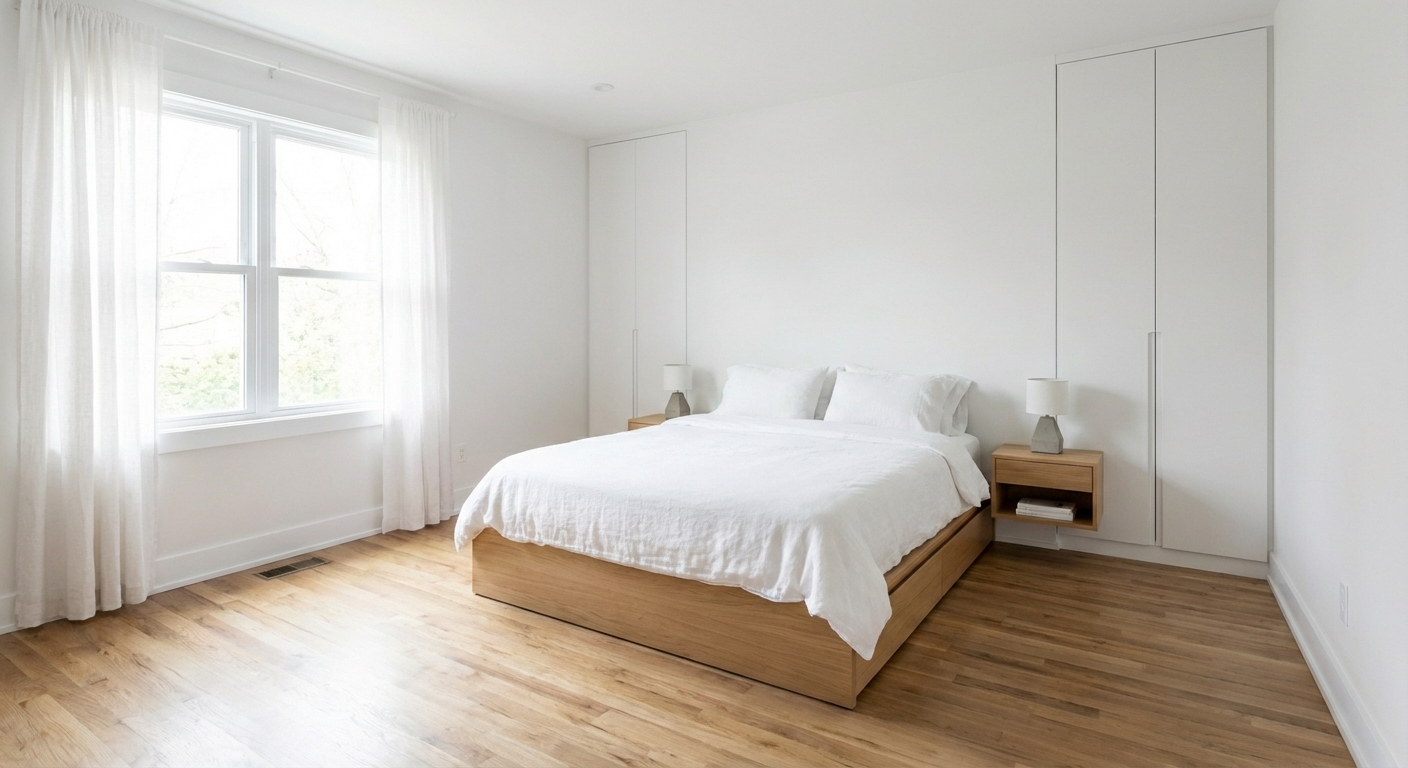
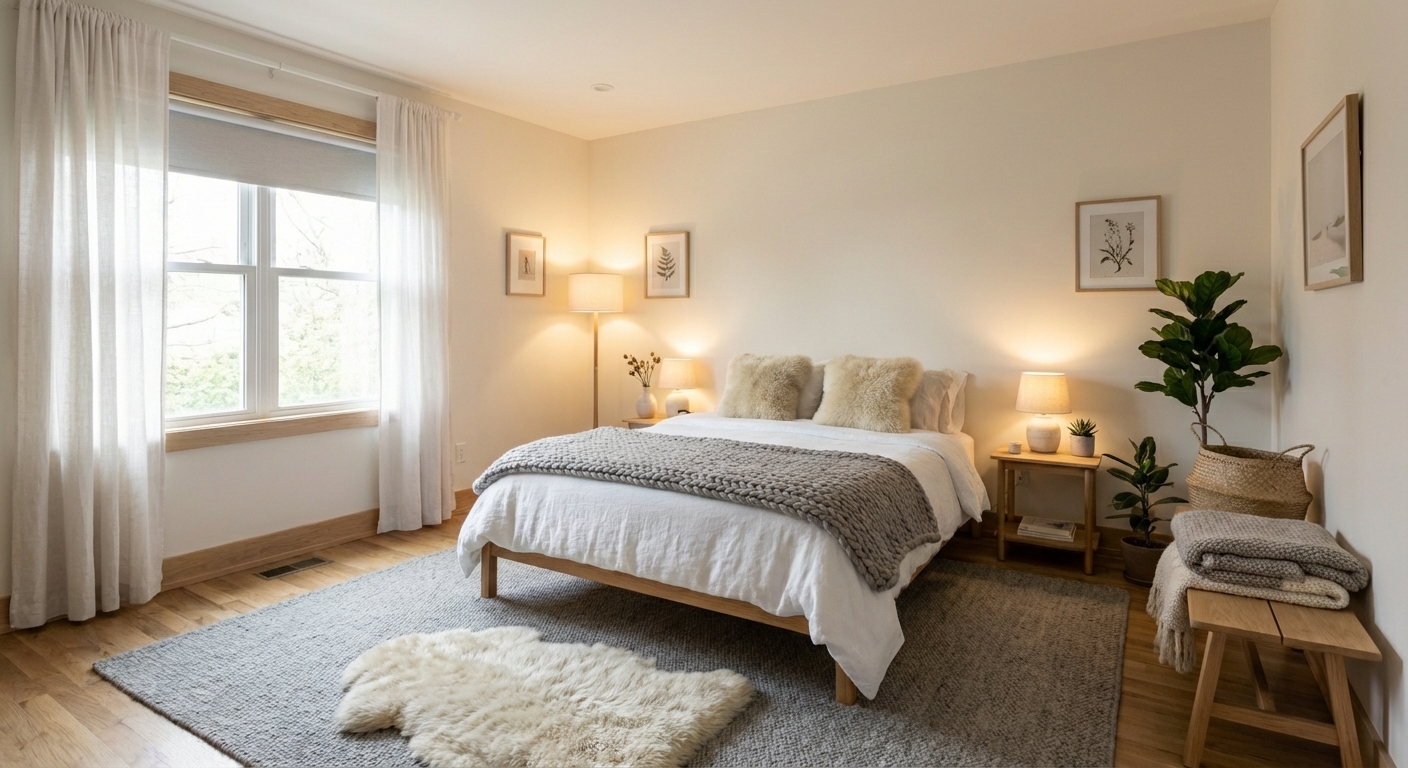
Ready to See This Style in Your Room?
Download Intero and preview this design on your own room photo.
No credit card. No signup. Just results.
Scan to download
Point your phone camera at a code

