Moody Dark — For Rooms That Embrace the Shadows
Dark walls are not a mistake — they are a statement. Deep charcoal, midnight blue, and forest green create enveloping rooms that feel intimate, sophisticated, and cinematic.
What is Moody Dark Color Scheme for Interiors?
Dark walls are not a mistake — they are a statement. Deep charcoal, midnight blue, and forest green create enveloping rooms that feel intimate, sophisticated, and cinematic.
2/4
See the Transformation
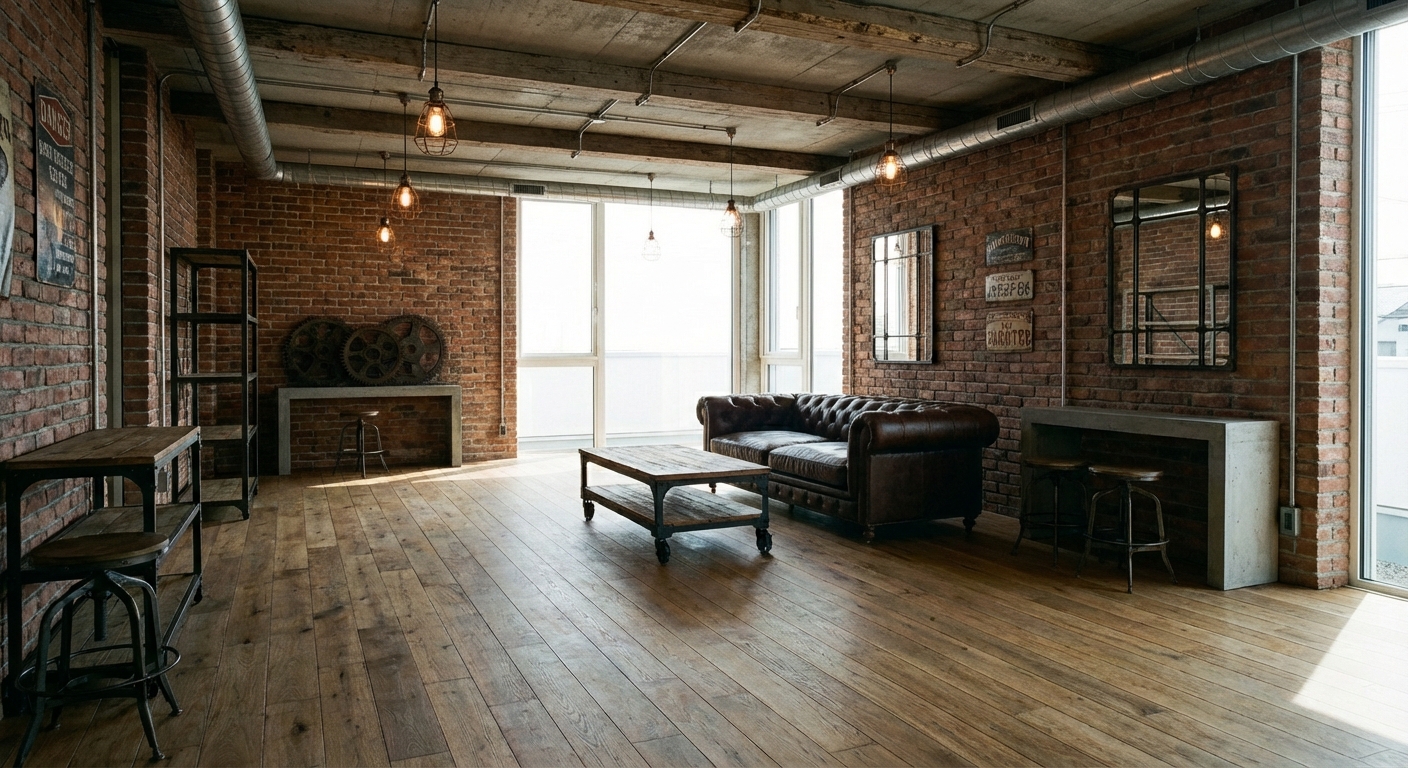
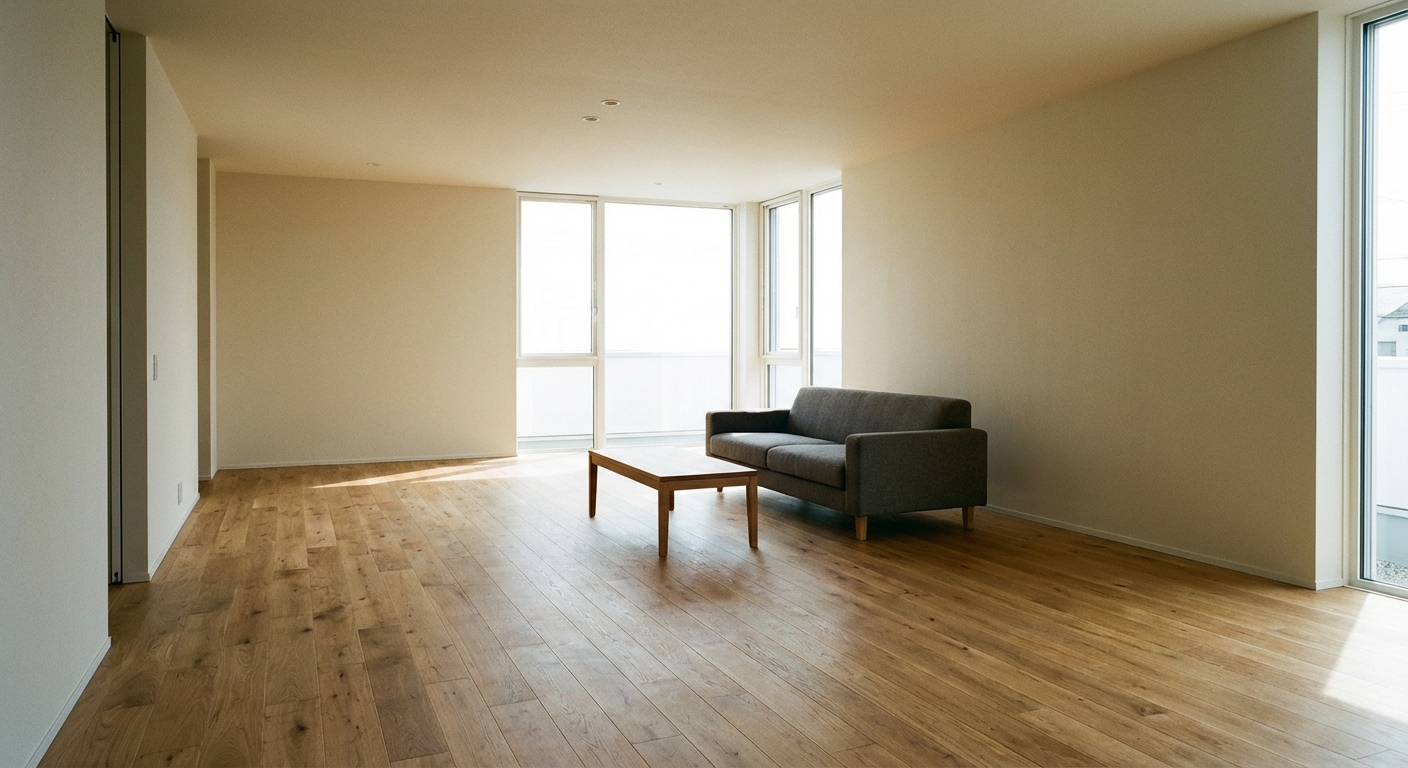
Upload your room photo in the app to see your real transformation
Color Palette
Click any color to copy hex code
Why It Works
Moody dark schemes defy the common wisdom that rooms should always be light and bright. Dark-painted rooms create an enveloping cocoon effect — walls recede into shadow, blurring boundaries and creating a sense of intimacy that light rooms cannot achieve. This palette works especially well in bedrooms (promoting sleep), dining rooms (encouraging lingering conversation), and libraries or dens (fostering focus). The psychology is similar to why restaurants dim the lights — reduced visual stimulation creates comfort and presence. Dark schemes also make furniture, art, and light sources pop dramatically. A simple white vase on a charcoal wall becomes a sculptural statement. Warm lighting in a dark room creates pools of golden intimacy that feel cinematic.
Best for
- people ready to test options on a real photo before buying
- anyone planning a real living room where conversation distance, TV glare, and traffic past the sofa matter more than Pinterest perfection
- projects already thinking about lighting, paint and needing a coherent layout
Skip if
- you will not address conversation distance and only want a filter look
- you need the room finished tomorrow with zero test fits
Common mistakes
People pin moody living room ideas and then shopping object-by-object with no envelope decision. Details like lighting, paint only work if the plan respects conversation distance, TV glare, and traffic past the sofa. Another miss: pushing every seat against the walls and calling the empty middle “open”.
Decide this first
fix the primary seating pair and one clear path before decorative chairs. Lock a coherent material story instead of random catalog picks as a short list, then use Intero on a real photo so scale and light are honest before you spend.
How to Achieve This Look
- 1
Commit fully — paint walls, trim, and ceiling the same dark shade
- 2
Choose a dark color with warm undertones to avoid feeling cold
- 3
Layer lighting at multiple heights with warm 2700K bulbs
- 4
Use rich textures — velvet, leather, heavy linen — to add dimension
- 5
Add a few light-colored objects as visual relief points
- 6
Incorporate reflective surfaces — mirrors, metallic accents, glass
Layout & materials
Commit fully — painting all four walls and the ceiling the same dark color creates the most impactful effect by eliminating the visual break of white trim against dark walls. Choose paint with depth: charcoal with blue or green undertones, deep navy, forest green, or aubergine. Use the 60-30-10 rule with 60% dark base on walls and floor, 30% rich mid-tones in furniture and textiles (cognac leather, forest velvet, brass), and 10% light accents for contrast (white ceramics, light art, gold hardware). Lighting is critical — layer multiple warm sources at different heights: table lamps, sconces, and candles create the atmosphere. Avoid a single overhead light, which will flatten the room. Reflective surfaces — mirrors, metallic accents, glass — bounce light and prevent total darkness.
Dark rooms need more light sources, not brighter ones — distribute warm ambient lighting across multiple points.
Going dark is a commitment, and the difference between a moody masterpiece and a depressing cave is nuance. Intero AI lets you preview dark walls in your room with your specific lighting conditions. See how charcoal, navy, or deep green interact with your furniture, your light levels, and your window placement before investing in gallons of paint.
Frequently Asked Questions
Q1 Will dark walls make my room look smaller?
Counterintuitively, no. When walls are uniformly dark, boundaries blur and the eye cannot precisely locate the wall surface, which can actually make rooms feel less defined rather than smaller. This works best when the ceiling is also dark.
Q2 How much light does a dark room need?
More intentional light, but not necessarily more brightness. Layer five to seven warm light sources at different heights: floor lamps, table lamps, wall sconces, and candles. The goal is not to fight the darkness but to create warm pools of light within it.
Q3 Which dark color is most livable?
Deep navy and charcoal with warm undertones are the most universally livable. They are dark enough to create the enveloping effect but neutral enough not to overpower. Forest green is a strong third option. Pure black can feel oppressive in large quantities.
Related searches
These are the next pages people usually open while narrowing this design direction.
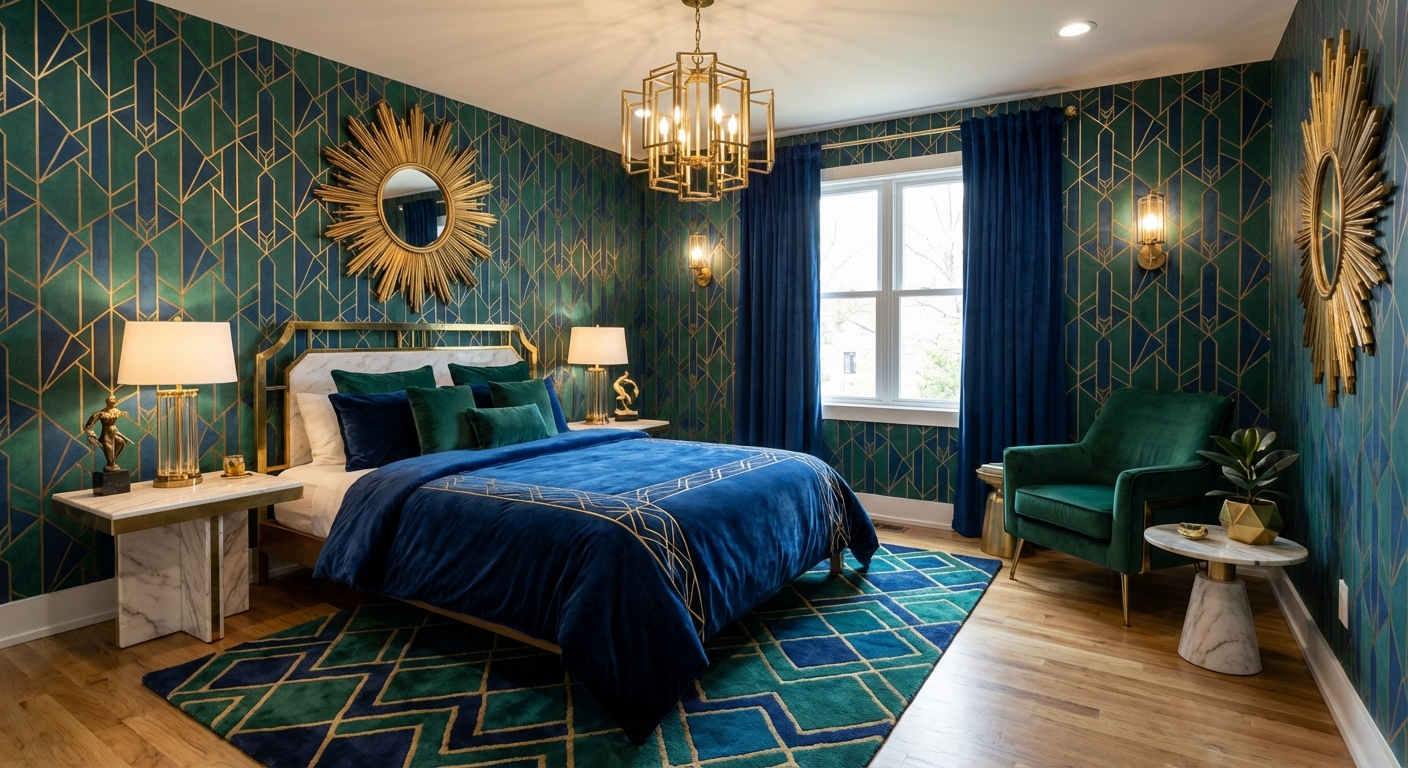
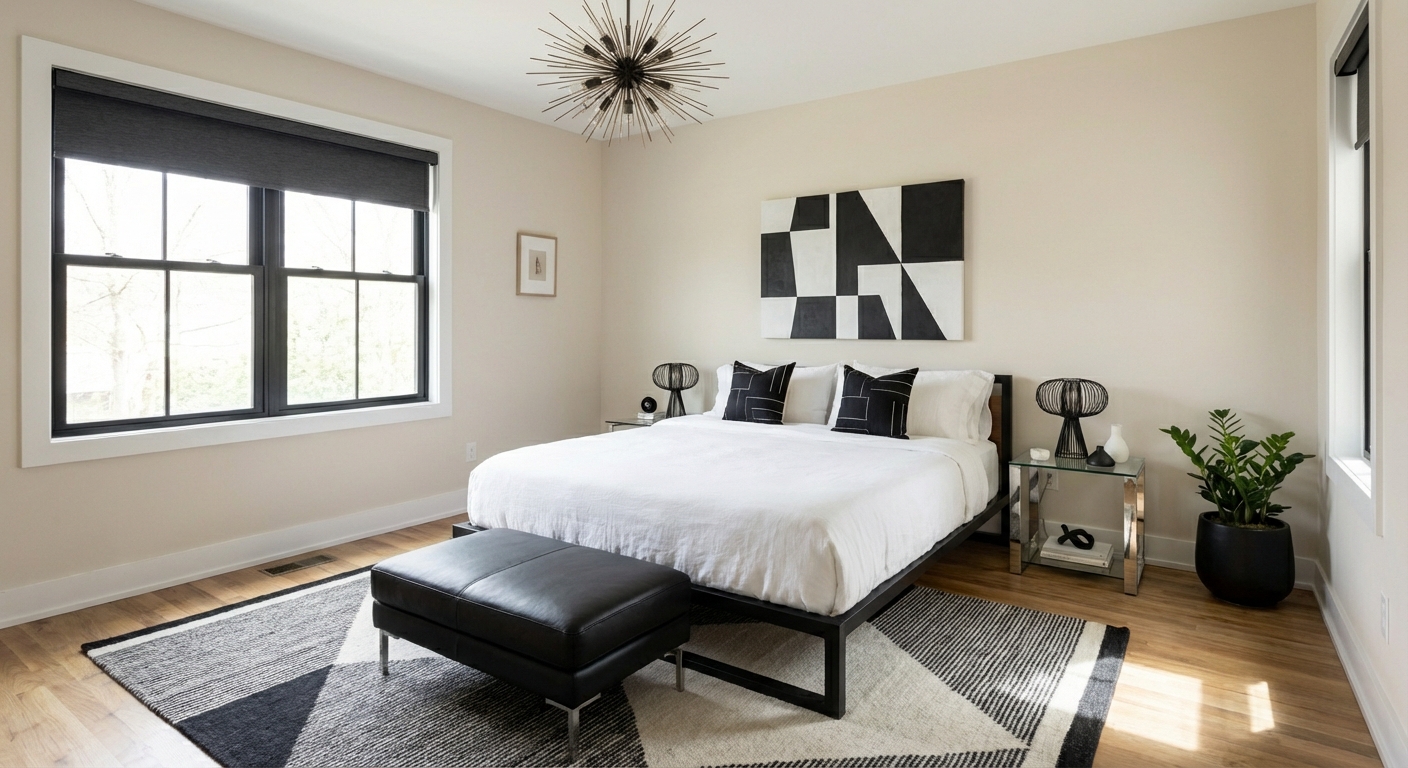
Ready to See This Style in Your Room?
Download Intero and preview this design on your own room photo.
No credit card. No signup. Just results.
Scan to download
Point your phone camera at a code

