Mudroom Makeover — Because the Entryway Sets the Tone for Your Entire Home
The mudroom is where daily chaos enters your house. Design it right, and the chaos stops at the door. Design it wrong, and it spreads to every room.
What is Mudroom Makeover: From Dumping Ground to Design?
The mudroom is where daily chaos enters your house. Design it right, and the chaos stops at the door. Design it wrong, and it spreads to every room.
See the Transformation
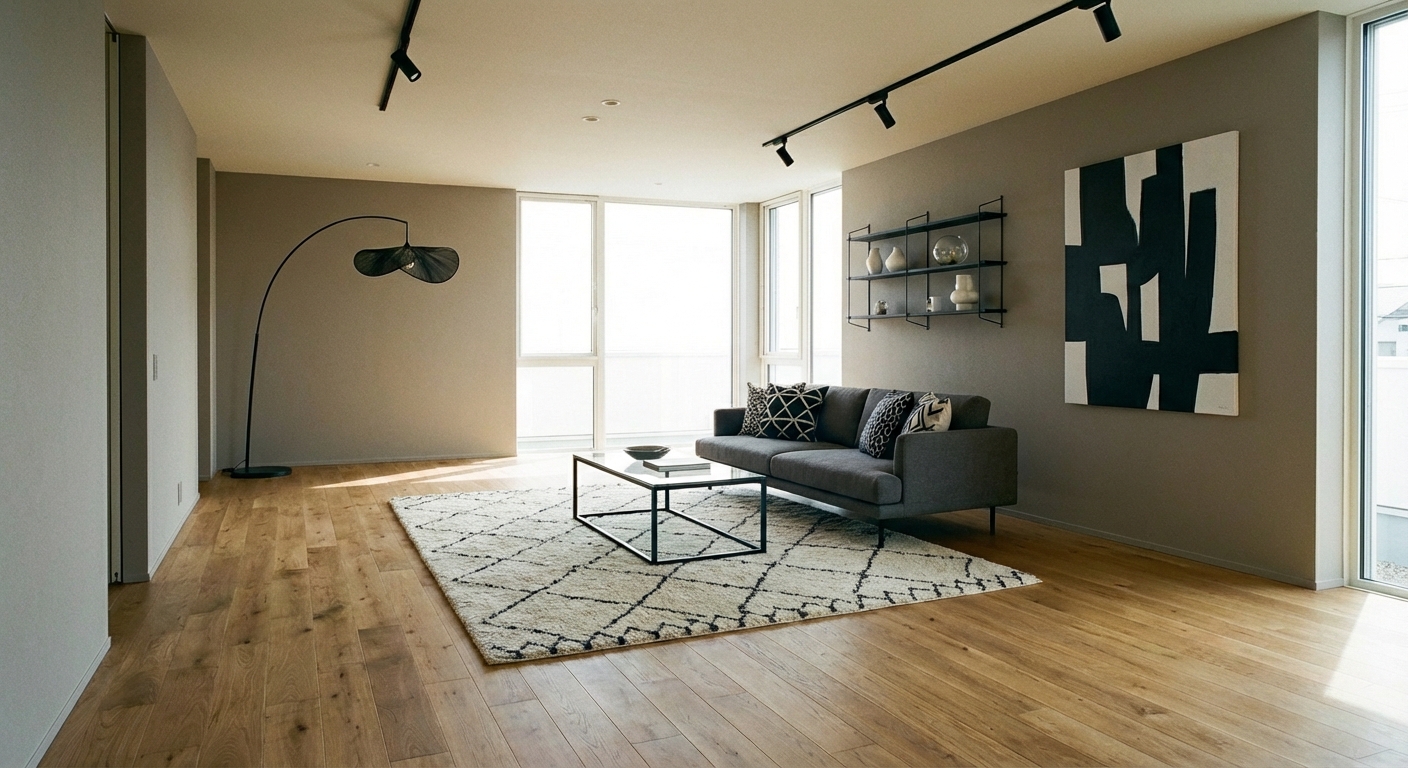
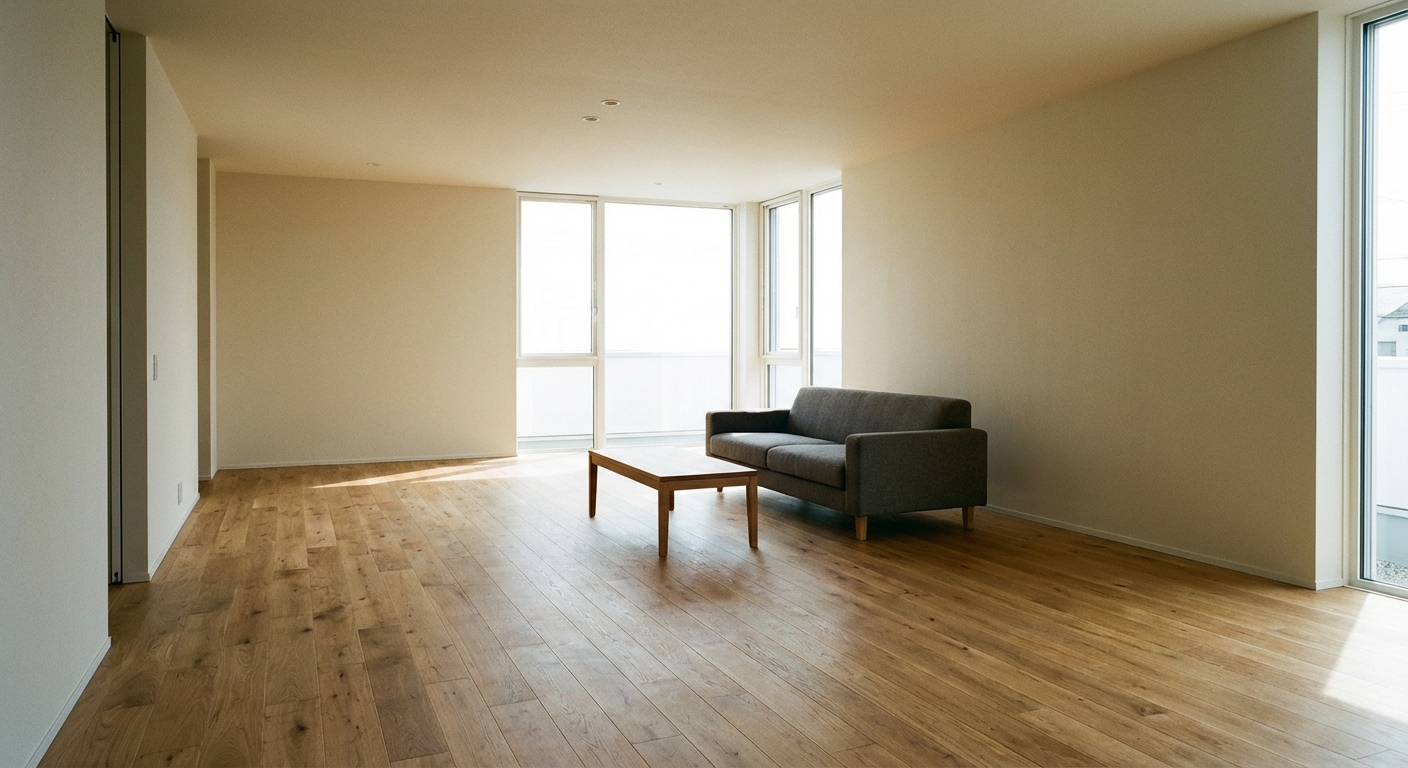
Upload your room photo in the app to see your real transformation
Why It Works
Mudrooms are the first and last room you use every day, yet they are among the least designed spaces in most homes. The typical mudroom is a chaotic pile of shoes, coats, backpacks, and sports gear that creates visual and physical disorder every time you enter or leave. The makeover works by assigning every category of daily items a specific, accessible home: hooks at the right height for each family member, cubbies for shoes, shelves for bags, and a bench for sitting while lacing up. When every item has a designated spot, the mudroom maintains itself — and the rest of the house stays cleaner because the chaos is contained at the entry.
Best for
- people ready to test options on a real photo before buying
- anyone planning a real living room where conversation distance, TV glare, and traffic past the sofa matter more than Pinterest perfection
- projects already thinking about tile, cabinet, lighting and needing a coherent layout
Skip if
- you will not address conversation distance and only want a filter look
- you refuse to remove anything and only add decor
Common mistakes
People pin mudroom living room ideas and then shopping object-by-object with no envelope decision. Details like tile, cabinet, lighting only work if the plan respects conversation distance, TV glare, and traffic past the sofa. Another miss: pushing every seat against the walls and calling the empty middle “open”.
Decide this first
fix the primary seating pair and one clear path before decorative chairs. Lock a coherent material story instead of random catalog picks as a short list, then use Intero on a real photo so scale and light are honest before you spend.
How to Achieve This Look
Install individual storage units for each family member: a set of hooks (two per person — one at adult height, one at kid height), a cubby below for shoes, and a shelf above for bags or hats. Add a sturdy bench for sitting while putting on shoes — ideally with storage underneath for seasonal items. Install durable, washable flooring: tile, LVP, or sealed concrete that handles wet boots and muddy shoes. Add a boot tray for wet footwear. Mount a shelf or cabinet for outgoing items (school papers, car keys, sunscreen). Install bright overhead lighting — mudrooms are transitional spaces used during morning rushes and dark evenings. Choose materials that can handle daily abuse: paint in satin or semi-gloss finish, metal hooks, and wipe-clean surfaces.
Intero AI helps you design the mudroom makeover around your family specific needs — how many people use it, what gear needs storage, and what footprint you have. Upload a photo and preview built-in solutions that turn the chaos into an organized system.
Frequently Asked Questions
Q1 What is the most important feature in a mudroom?
Hooks. Good hooks at the right height for each person are more important than lockers, cubbies, or benches. Most daily items (coats, bags, hats, keys) hang, and hooks are the fastest storage method — anything that takes more than two seconds to put away will end up on the floor.
Q2 How do I create a mudroom if I do not have one?
Convert a section of the entryway, garage entry, or laundry room. A 36-inch-wide section of wall with hooks, a floating shelf, a shoe tray, and a small bench creates a functional mudroom zone. The key is dedicating a specific area to the landing-and-launching function.
Q3 What flooring works best in a mudroom?
Porcelain tile is the most durable and water-resistant. LVP is softer underfoot and handles moisture well. Sealed concrete is budget-friendly and indestructible. Avoid hardwood (water damage) and carpet (stains). A dark grout with light tile hides dirt effectively.
Related searches
These are the next pages people usually open while narrowing this design direction.
You Might Also Like
Ready to See This Style in Your Room?
Download Intero and preview this design on your own room photo.
No credit card. No signup. Just results.
Scan to download
Point your phone camera at a code

