The Complete Guide to Rustic Interior Design
Rustic design celebrates the raw beauty of natural materials in their most unrefined state — creating spaces that feel grounded, warm, and connected to the earth.
$$
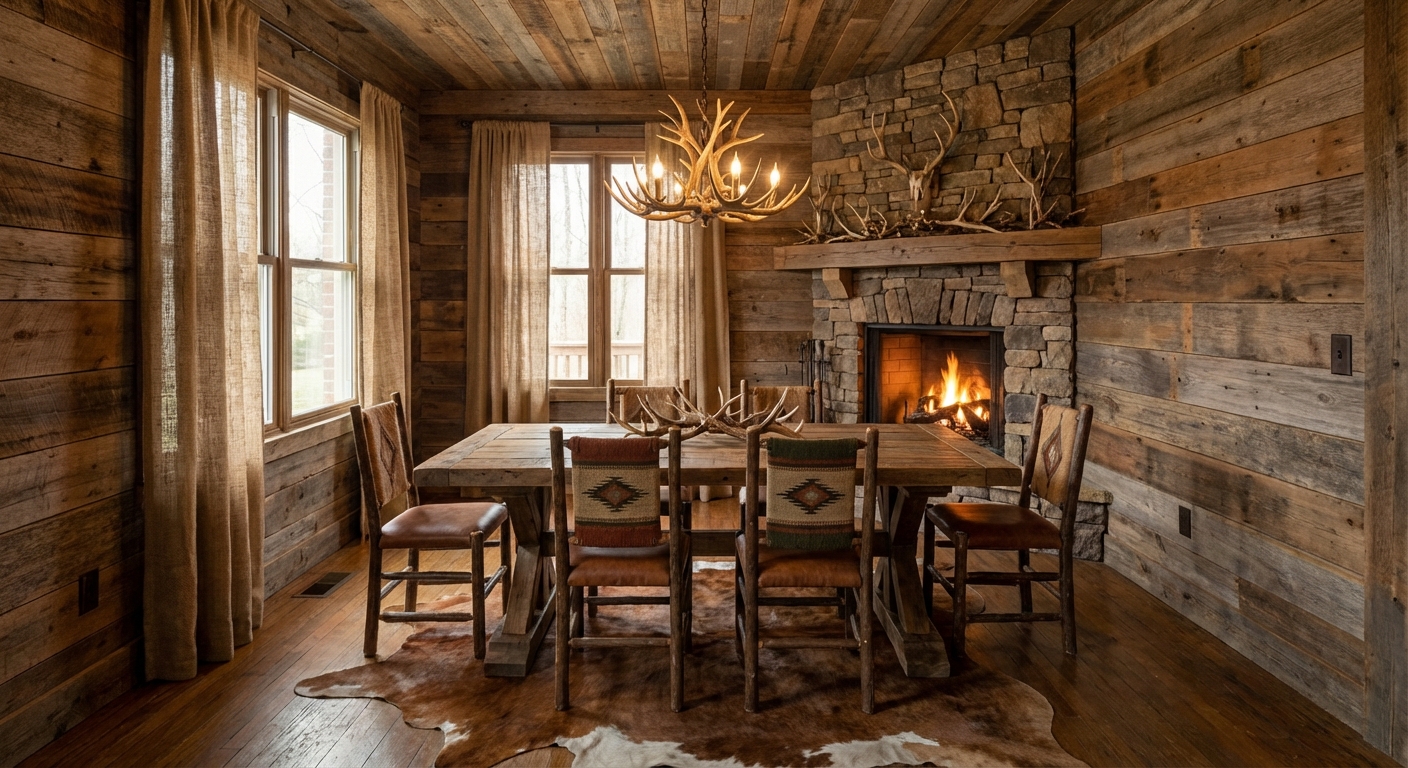
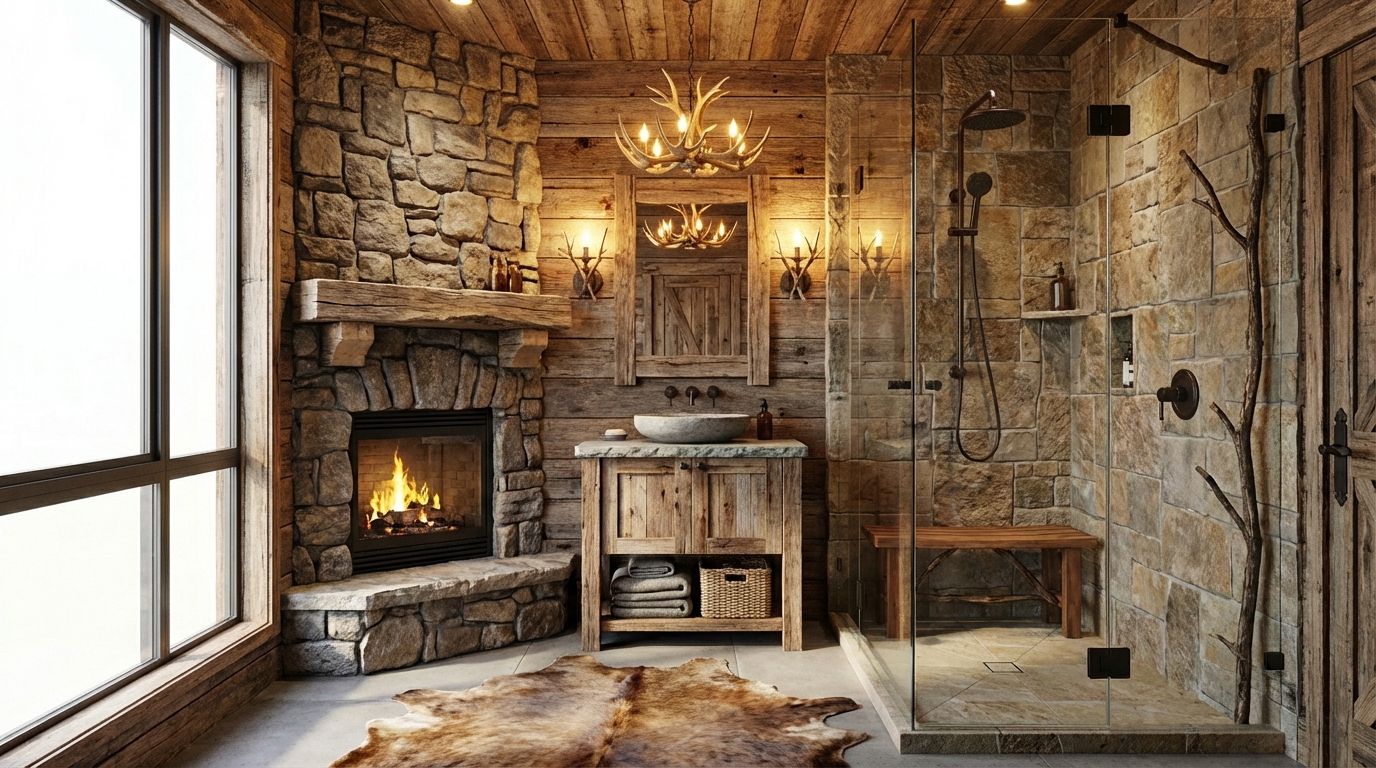
See the Transformation
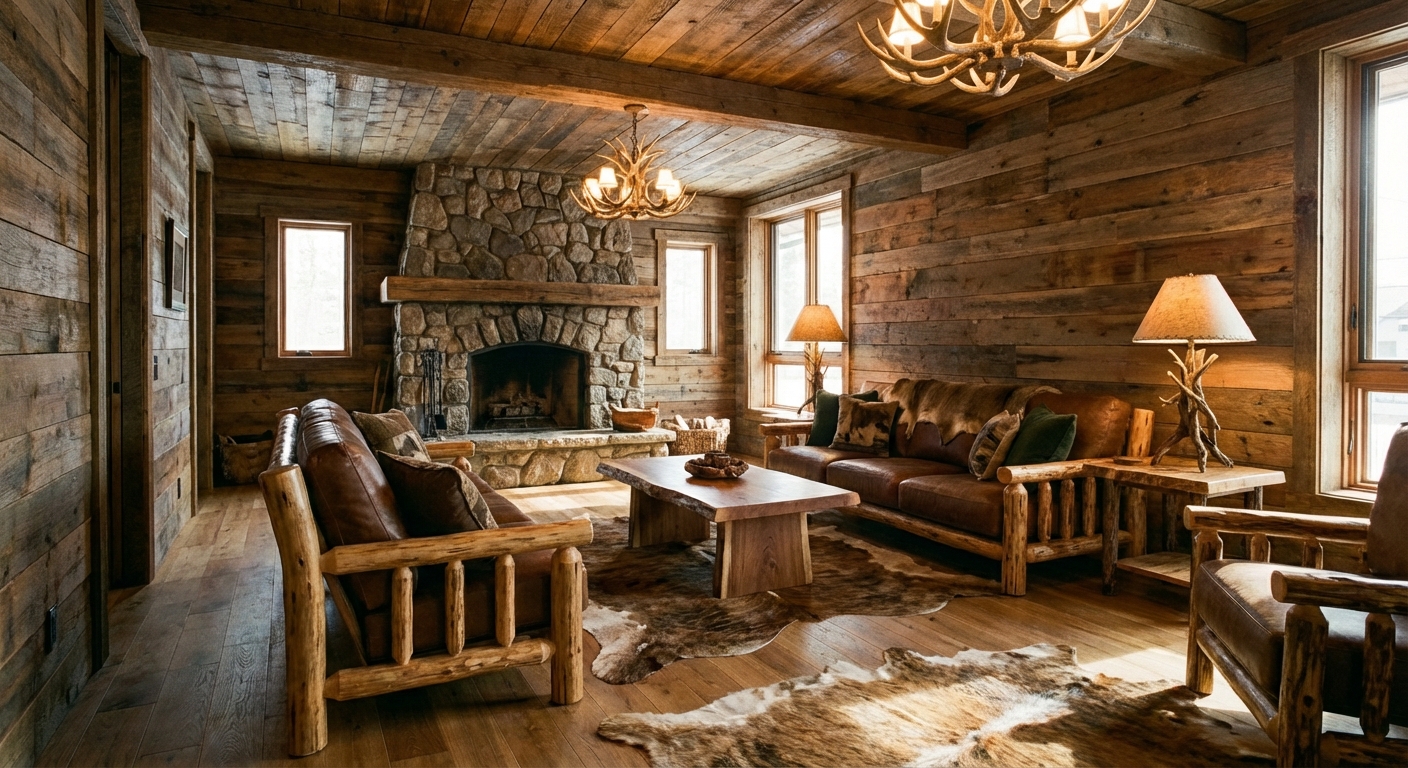
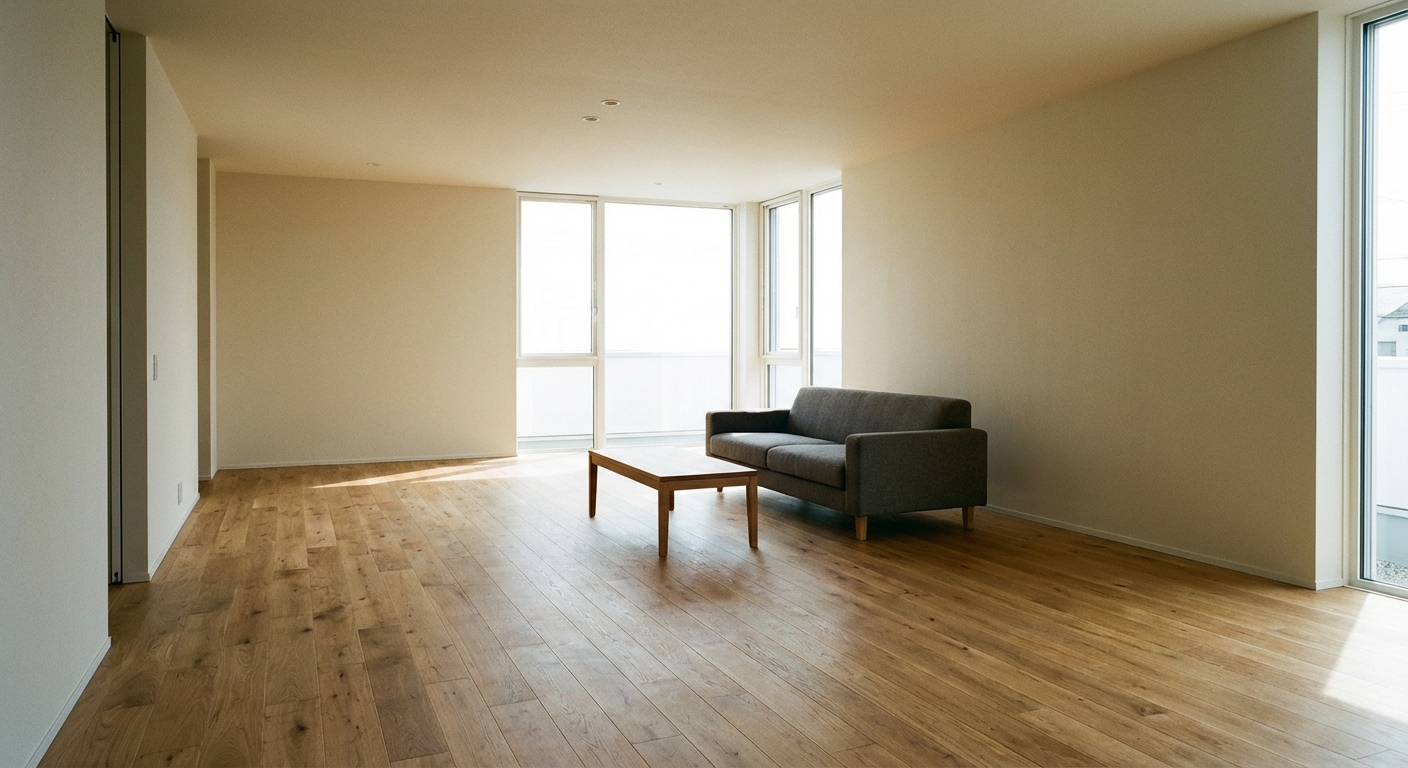
Upload your room photo in the app to see your real transformation
Color Palette
Why It Works
Rustic design is the oldest design tradition in the world — it predates every other style in this guide because it is rooted in building with what the land provides. Log cabins, stone fireplaces, hewn timber beams, and handmade furniture were not aesthetic choices; they were necessities. The modern rustic movement takes this heritage and intentionally preserves it in an age when smoother, cheaper, factory-made alternatives are available. The appeal is biophilic — humans have an innate psychological connection to natural materials and organic forms. A room with real wood, real stone, and visible craftsmanship activates deep comfort responses that synthetic materials cannot replicate. Rustic design also carries a narrative of resilience and self-sufficiency that resonates in an increasingly digital world. Each knot in the wood, each variation in the stone, each hammer mark on the iron tells a story of making, which gives rustic spaces a soulfulness that polished contemporary rooms often lack.
How to Achieve This Look
- 1
Choose reclaimed or rough-sawn wood for furniture and accents
- 2
Add natural stone elements — a fireplace surround, accent wall, or countertop
- 3
Install real or faux exposed ceiling beams
- 4
Use warm, earthy textiles like wool, flannel, and leather
- 5
Incorporate antler, cast iron, or woven basket decor
- 6
Layer ambient lighting with lanterns, sconces, and candles
Install faux wood beams on the ceiling — they are lightweight, easy to mount, and deliver 90% of the rustic impact at a fraction of the cost.
Try It with AI
Rustic design involves heavy, permanent materials that are difficult to reverse — stone walls, wood beams, and hardwood floors. Layoutly AI lets you preview how rustic elements would look in your space before committing. Test the balance between raw and refined, see how a stone accent wall or reclaimed wood ceiling would transform a room, and find the level of rusticity that matches your taste.
How They Compare
Frequently Asked Questions
How is rustic different from farmhouse?
Rustic is heavier, darker, and more raw — it celebrates unfinished natural materials like stone, log, and leather. Farmhouse is lighter, using white paint, distressed finishes, and vintage accessories to create a softer, more refined country aesthetic. Farmhouse is a curated look; rustic is an unpolished one.
Can I create a rustic look in a modern apartment?
Yes, through strategic material choices. A reclaimed wood accent wall, a live-edge coffee table, leather seating, and wrought iron light fixtures can bring rustic warmth to any space. Faux stone panels and wood-look tile offer apartment-friendly alternatives to the real thing.
What is modern rustic?
Modern rustic blends raw natural materials with contemporary design sensibility. It keeps the wood, stone, and leather but adds cleaner lines, better lighting, and some contemporary furniture. Think a live-edge dining table paired with sleek modern chairs, or a stone wall in an otherwise minimalist room.
How do I prevent rustic design from feeling dark and heavy?
Balance heavy materials with lighter elements: white or cream textiles, adequate lighting at multiple levels, and some lighter wood tones mixed with the darker ones. Large windows or light-colored ceilings counterbalance dark walls. The goal is contrast — heavy and light, rough and smooth.
Ready to Transform Your Room?
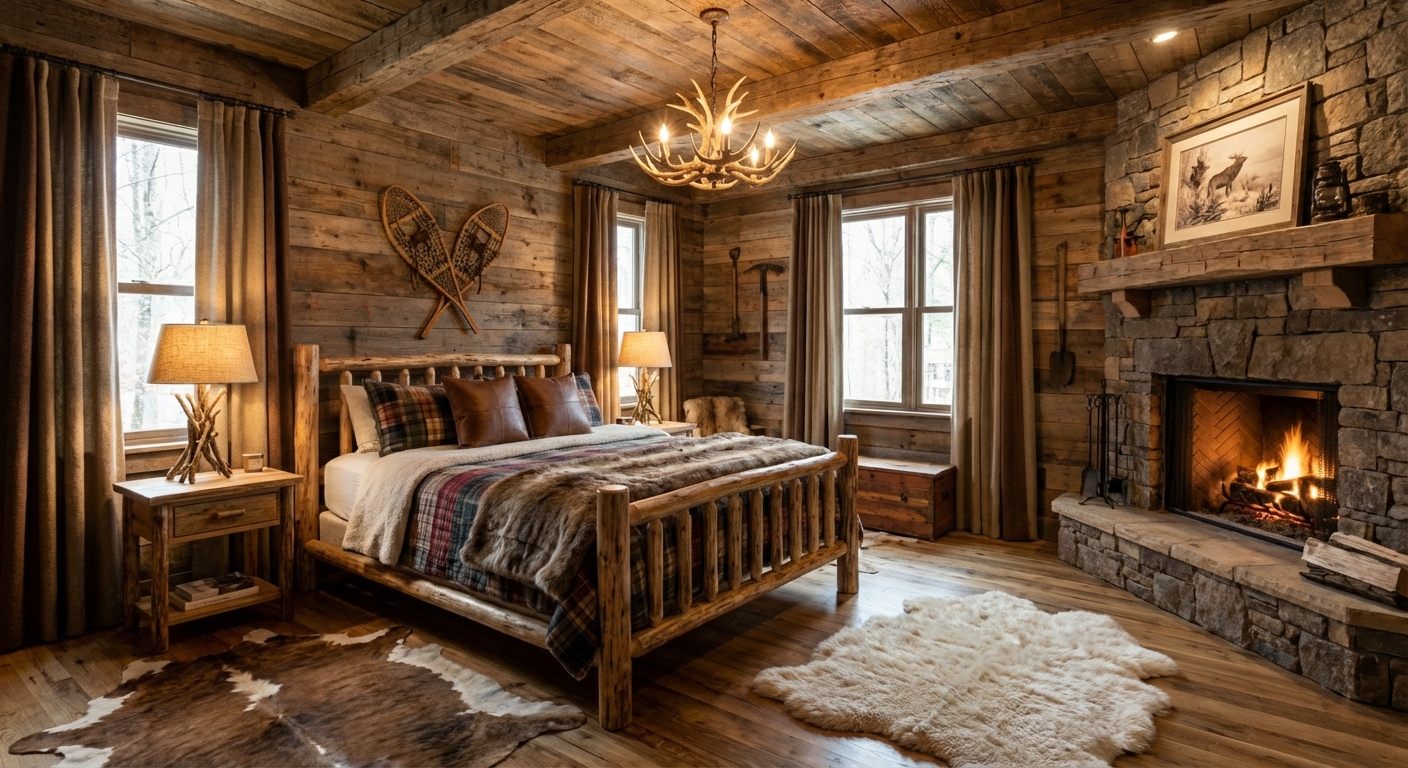
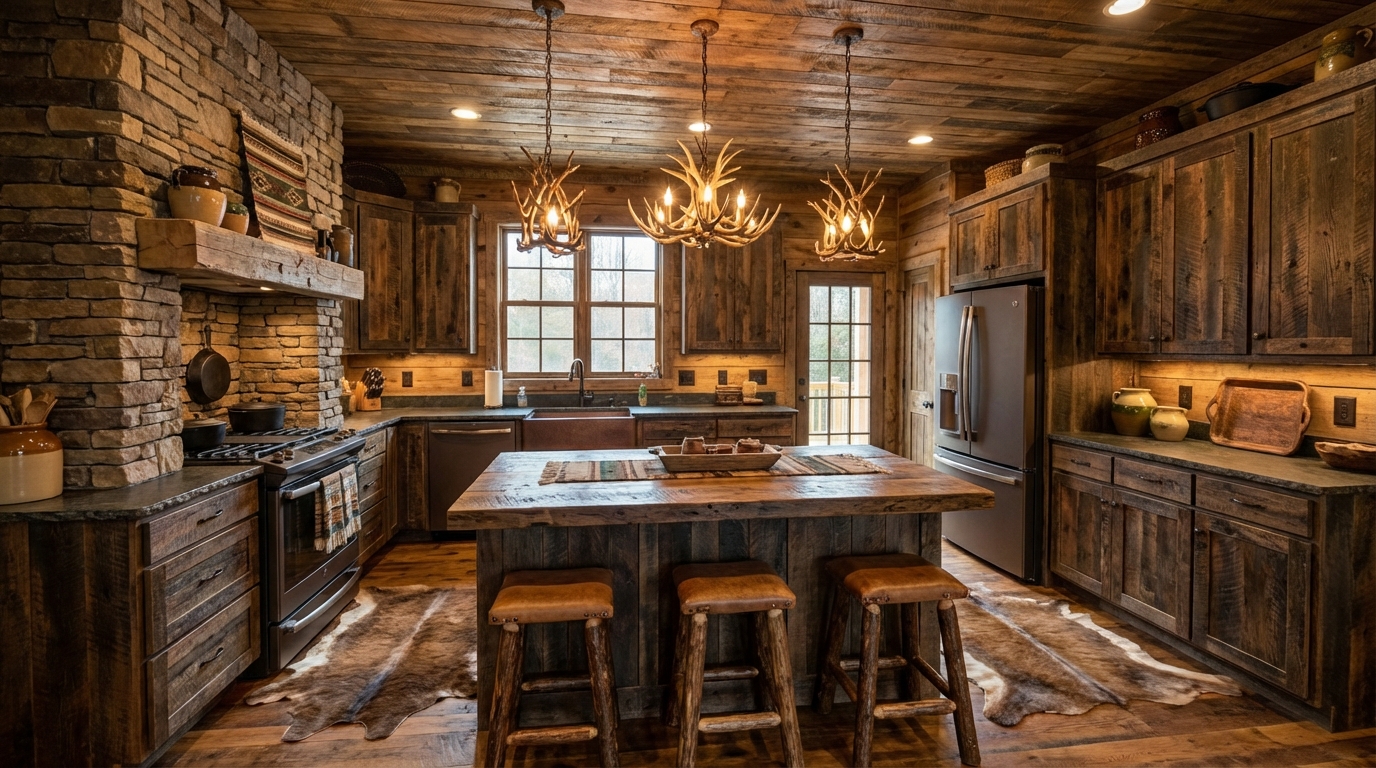
Download Layoutly and see this design in your space in seconds.