Sage Green — The Calming Color Taking Over Interior Design
Muted, organic, and endlessly versatile — sage green has become the defining color of modern interiors for its ability to feel both fresh and soothing in any room.
What is Sage Green Color Palette for Interiors?
Muted, organic, and endlessly versatile — sage green has become the defining color of modern interiors for its ability to feel both fresh and soothing in any room.
1/4
See the Transformation
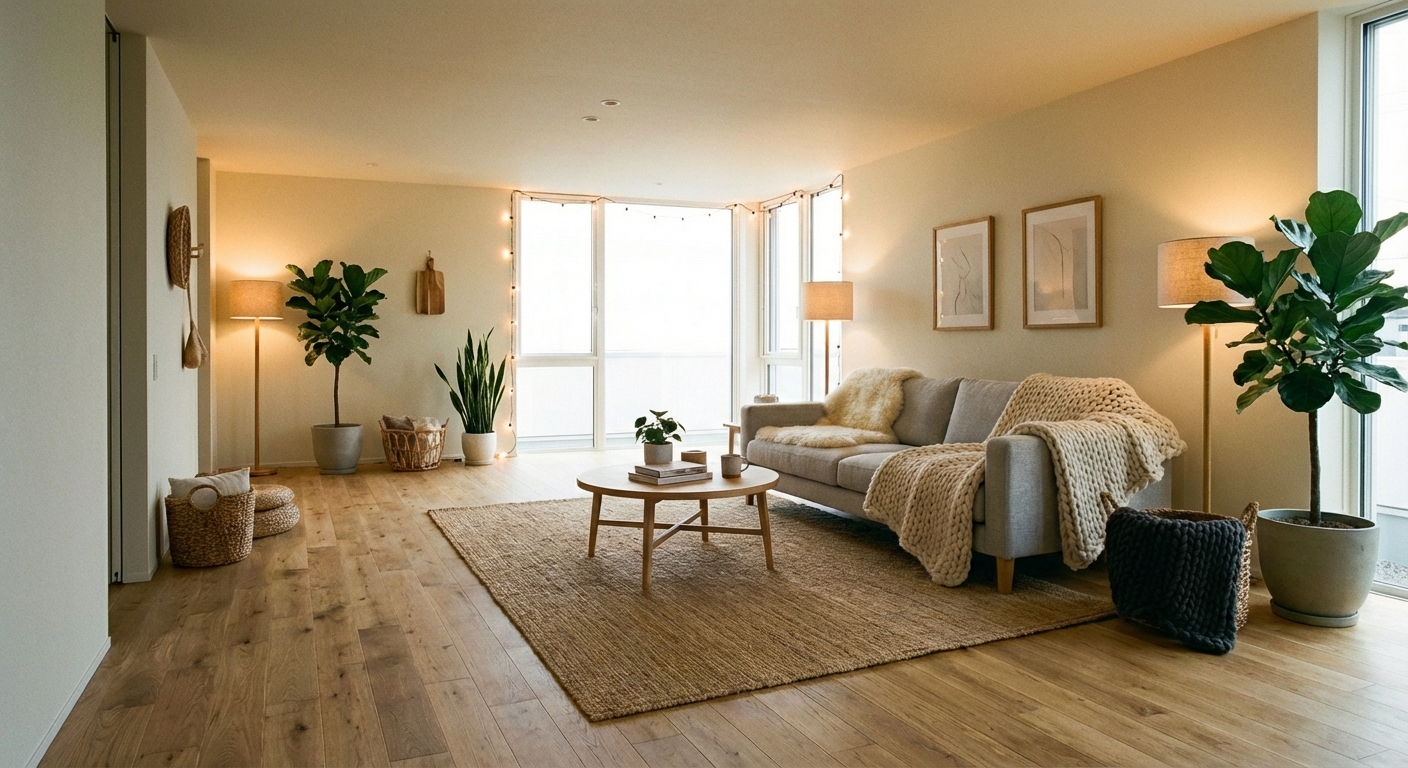
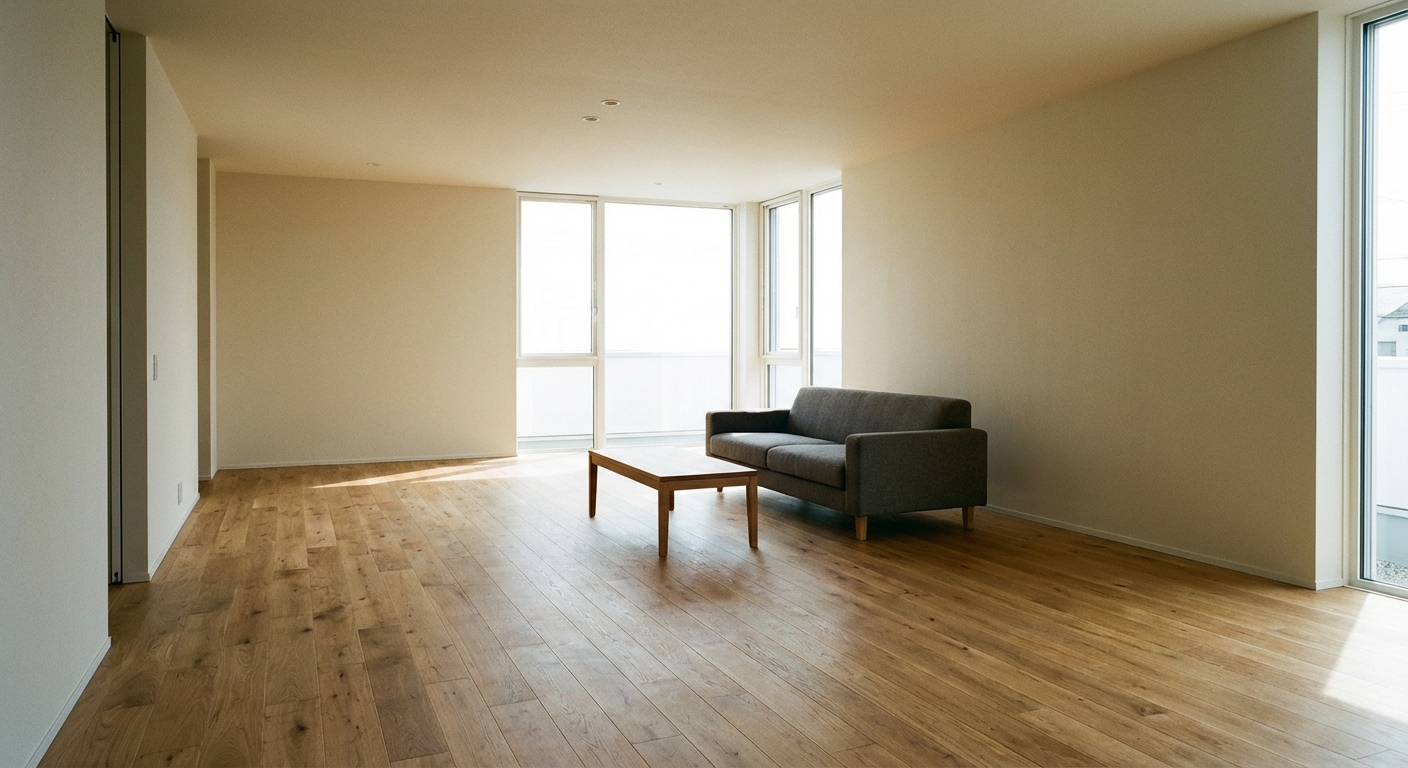
Upload your room photo in the app to see your real transformation
Color Palette
Click any color to copy hex code
Why It Works
Sage green is a muted, gray-green tone that bridges the gap between neutral and color — bold enough to add character but soft enough to work as a backdrop. Green is the color the human eye processes most easily, which is why green environments feel restful. Sage specifically works because its gray undertone prevents it from feeling overly vibrant or immature, making it appropriate for every room from nurseries to master bedrooms. The color pairs effortlessly with both warm and cool neutrals, natural wood, and metallic accents. It reads as organic and grounding without the heaviness of darker greens, and it has enough visual interest to prevent the blandness that plagues pure neutral palettes.
Best for
- people ready to test options on a real photo before buying
- anyone planning a real living room where conversation distance, TV glare, and traffic past the sofa matter more than Pinterest perfection
- projects already thinking about cabinets, marble, curtains and needing a coherent layout
Skip if
- you will not address conversation distance and only want a filter look
- you refuse to remove anything and only add decor
Common mistakes
People pin sage living room ideas and then shopping object-by-object with no envelope decision. Details like cabinets, marble, curtains only work if the plan respects conversation distance, TV glare, and traffic past the sofa. Another miss: pushing every seat against the walls and calling the empty middle “open”.
Decide this first
fix the primary seating pair and one clear path before decorative chairs. Lock a coherent material story instead of random catalog picks as a short list, then use Intero on a real photo so scale and light are honest before you spend.
How to Achieve This Look
- 1
Choose a muted sage for the main wall color
- 2
Use warm white or cream for trim, ceiling, and cabinetry
- 3
Pair with light natural wood — oak, maple, or birch
- 4
Add botanical elements — fresh plants, botanical prints, or leaf patterns
- 5
Layer in cream and oatmeal textiles for softness
- 6
Finish with brass or antique gold hardware for warmth
Layout & materials
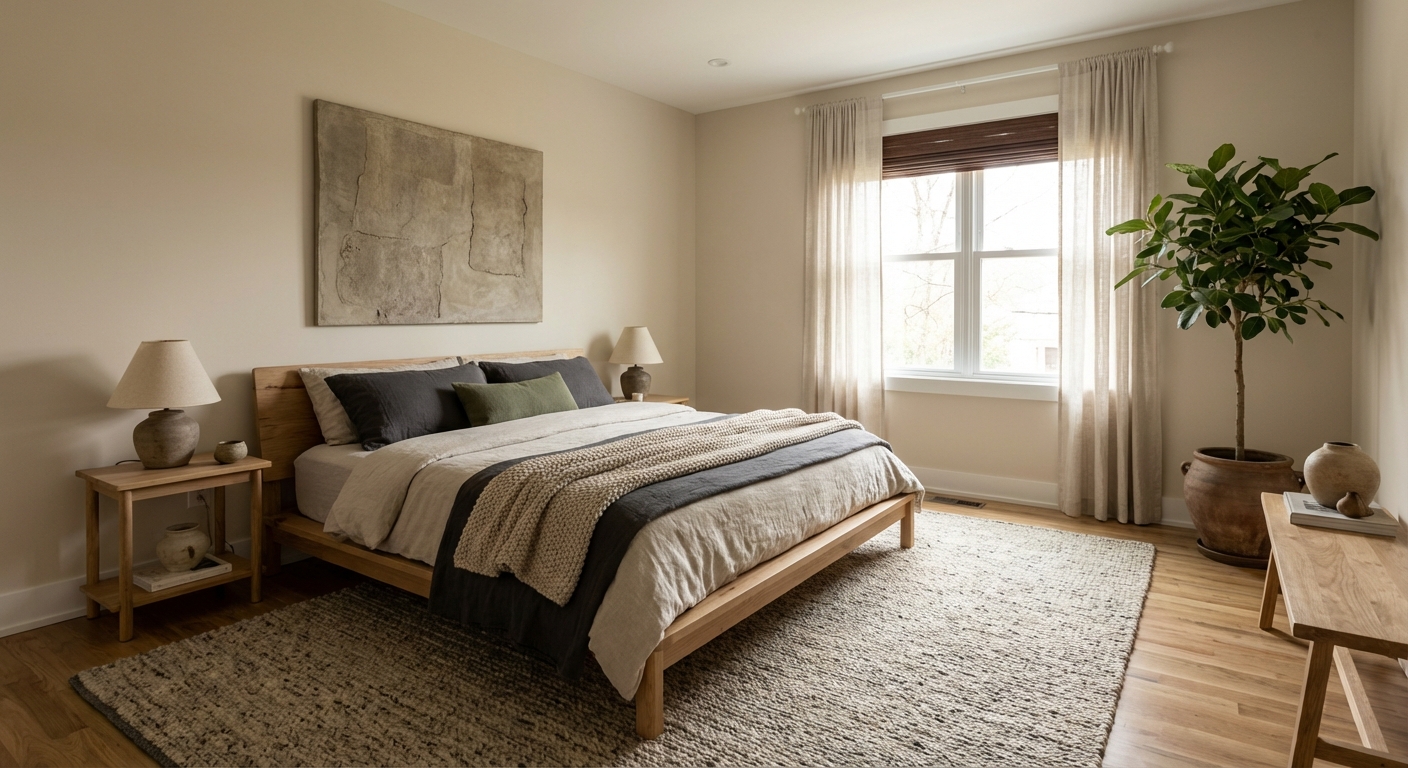
Use sage green as your 30% color in the 60-30-10 framework: 60% warm white or cream on walls and ceiling, 30% sage green on cabinetry, furniture, or an accent wall, and 10% warm accents in brass, terracotta, or natural wood. Sage green kitchen cabinets have become a signature look — pair them with brass hardware, white marble countertops, and natural wood shelving. In bedrooms, sage green bedding or curtains create a restful atmosphere against white walls. The color works in matte and satin finishes on walls, and in linen, velvet, and cotton for textiles. Pair with complementary tones: warm terracotta, dusty pink, soft cream, and natural wood.
Sage green works in every room because it reads as a neutral — pair it with warm white trim for a timeless combination.
Sage green varies enormously between paint brands and lighting conditions — what looks perfect in a store can appear too yellow or too gray in your home. Intero AI shows you how sage green walls, cabinets, or furniture would look in your specific room with your natural light, helping you choose the right shade before you paint.
Frequently Asked Questions
Q1 What colors pair best with sage green?
Warm white, cream, and natural wood are the core companions. For accent colors, terracotta and rust add warmth, dusty pink adds softness, and brass or gold hardware adds polish. Avoid pairing sage with cool gray — it can make the green look muddy.
Q2 Is sage green a trendy color or a timeless one?
Sage green is having a pronounced trend moment, but muted greens have been used in interiors for centuries (think Georgian and Victorian homes). The current popularity will peak, but sage is classic enough to remain attractive long after the trend cycle moves on.
Q3 Which rooms suit sage green best?
Kitchens (cabinets), bedrooms (walls or textiles), and bathrooms (vanity or tile) are the most popular applications. Living rooms work well with sage as an accent wall or through upholstered furniture. Home offices benefit from sage calming properties for focus.
Related searches
These are the next pages people usually open while narrowing this design direction.
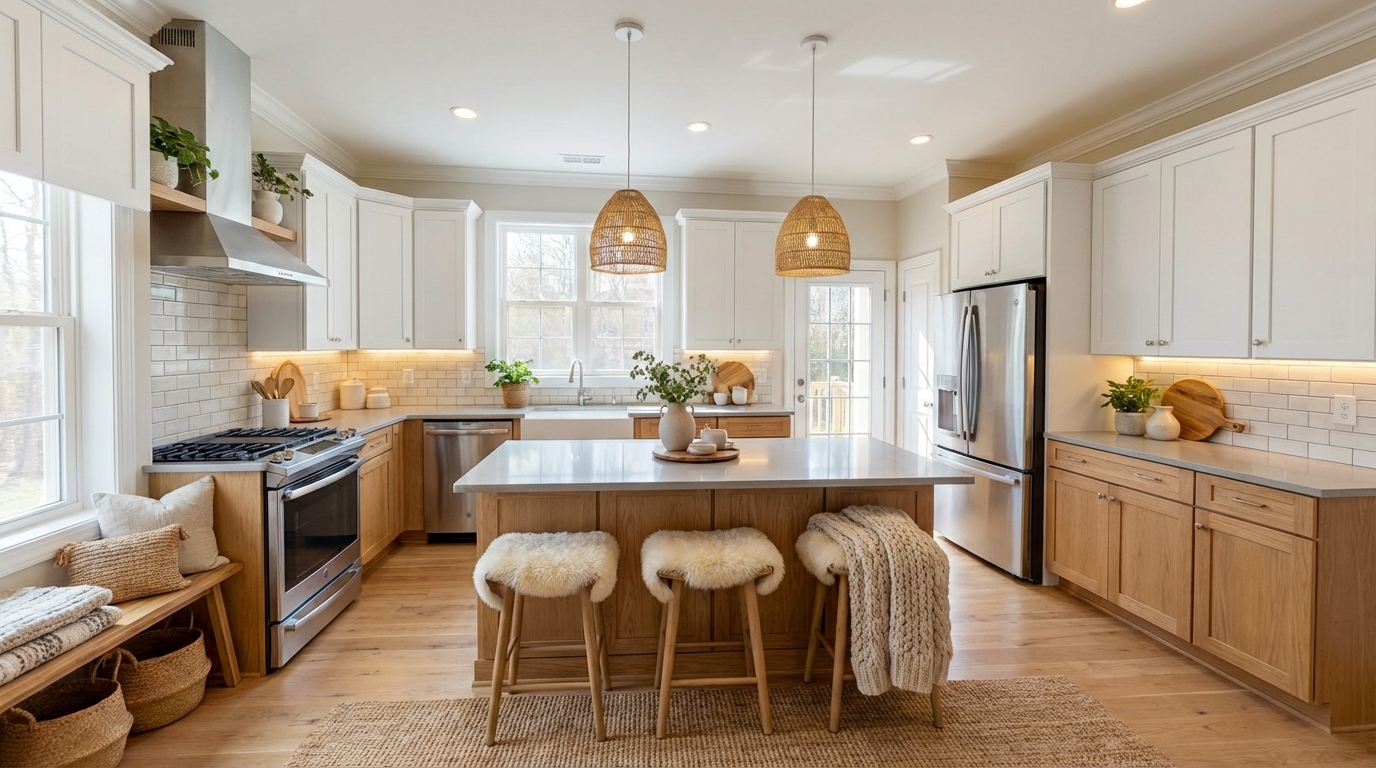
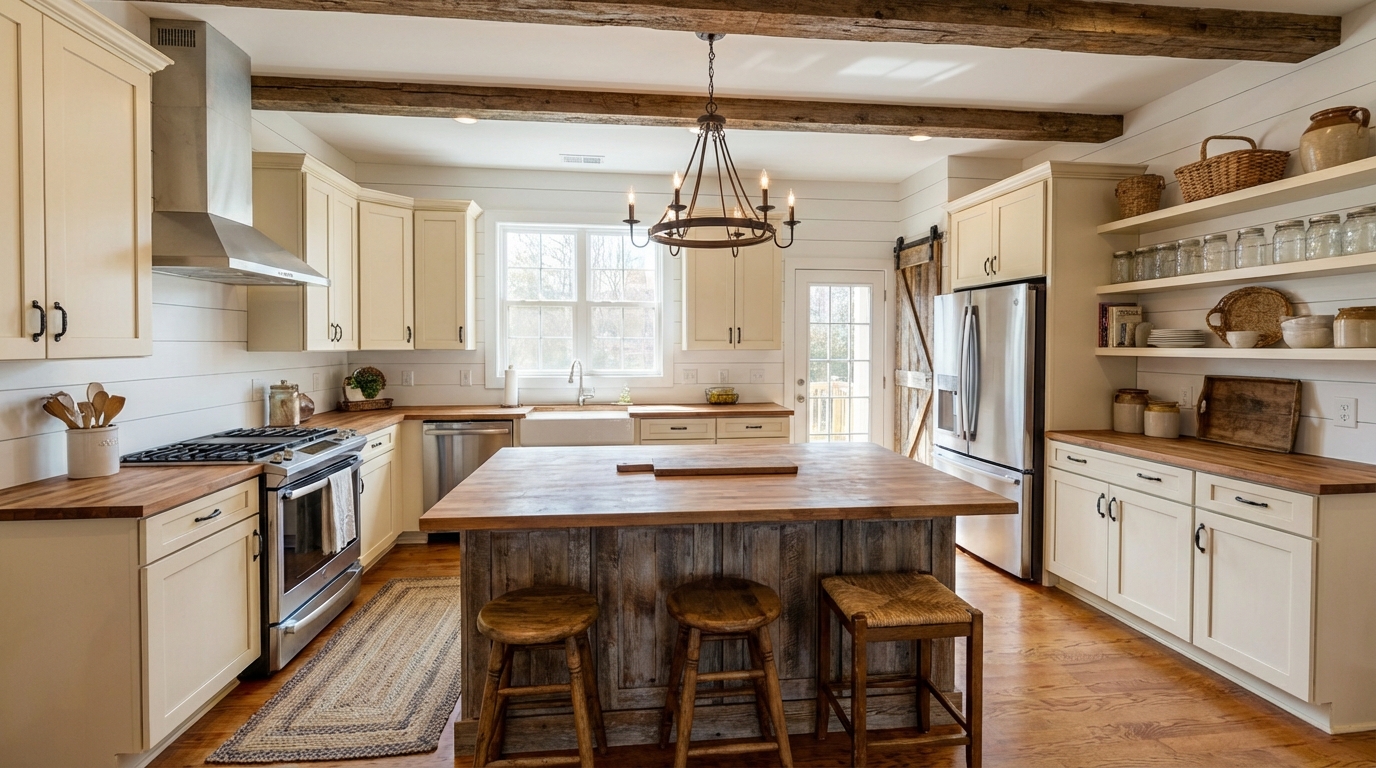
Ready to See This Style in Your Room?
Download Intero and preview this design on your own room photo.
No credit card. No signup. Just results.
Scan to download
Point your phone camera at a code

