Design a Tiny House Interior That Feels Twice Its Size
In 200-400 square feet, every design decision is amplified. The right choices create a home that feels intentional, not cramped.
What is Tiny House Interior Design Ideas?
In 200-400 square feet, every design decision is amplified. The right choices create a home that feels intentional, not cramped.
See the Transformation
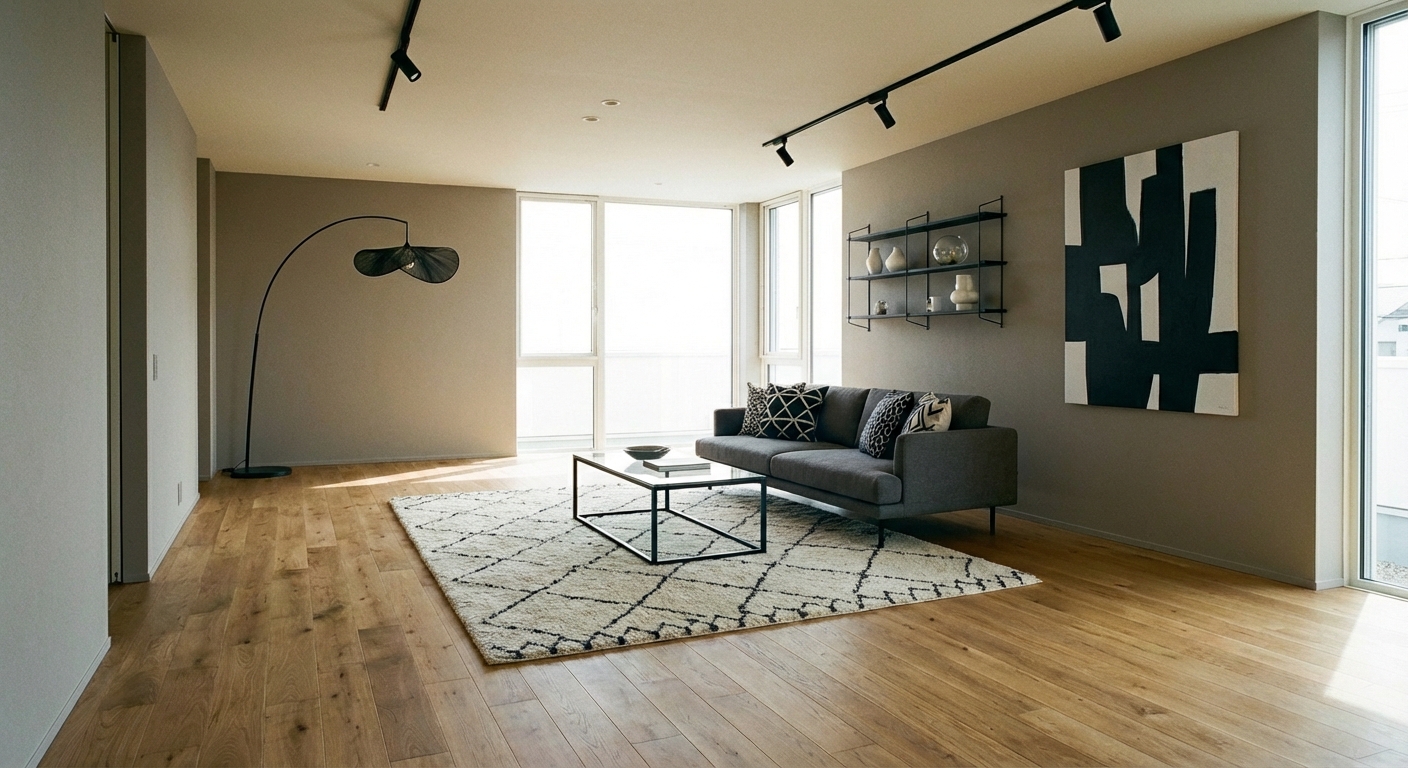
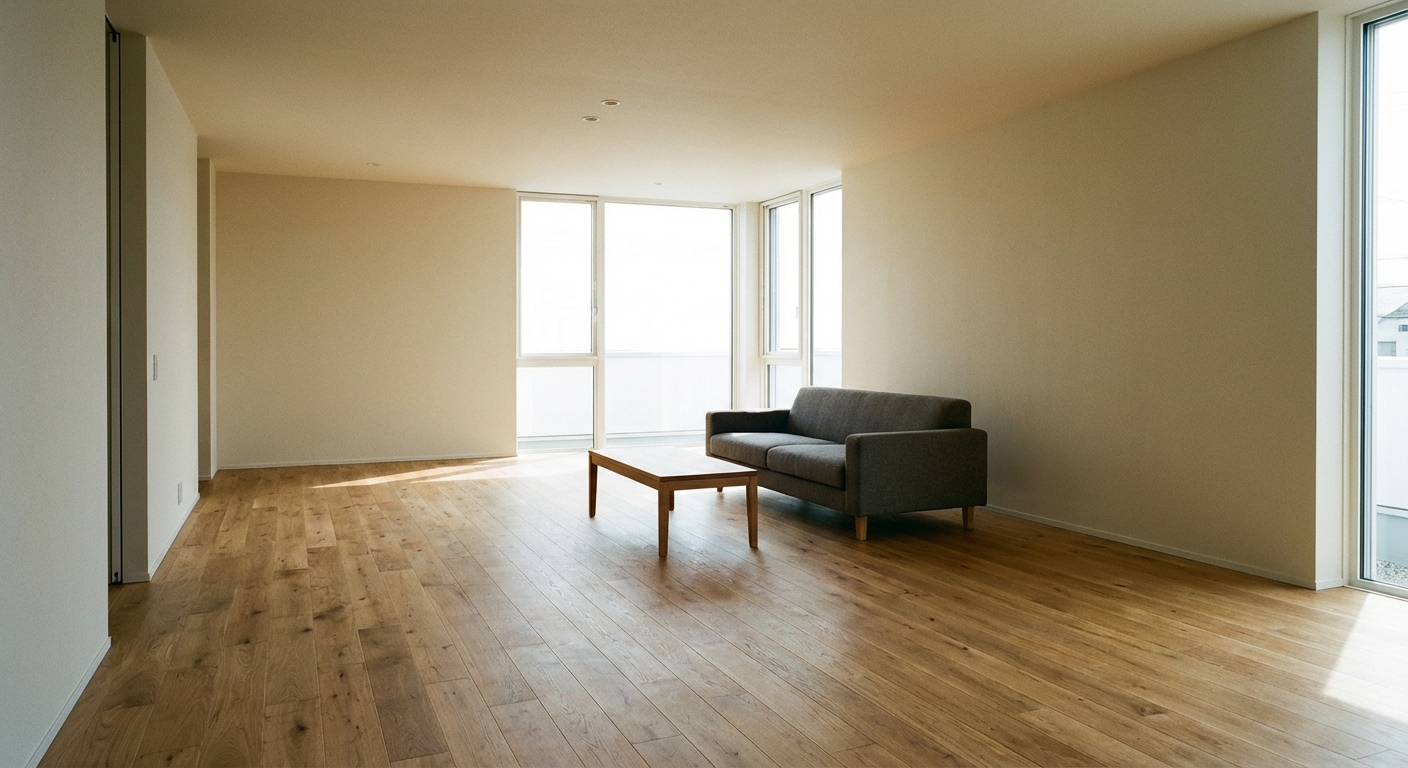
Upload your room photo in the app to see your real transformation
Why It Works
Tiny house design succeeds because constraint breeds creativity. When you have 200-400 square feet, every object must earn its place. This forces the kind of intentional curation that larger homes aspire to but rarely achieve. The compact footprint means you experience the entire space simultaneously — cohesive design matters more here than anywhere else. Done well, a tiny house feels like a custom-tailored suit rather than a cramped apartment.
Best for
- people ready to test options on a real photo before buying
- anyone planning a real living room where conversation distance, TV glare, and traffic past the sofa matter more than Pinterest perfection
- projects already thinking about desk, sofa, bed and needing a coherent layout
Skip if
- you will not address conversation distance and only want a filter look
- you need the room finished tomorrow with zero test fits
Common mistakes
The usual tiny living room miss is shopping object-by-object with no envelope decision. Details like desk, sofa, bed only work if the plan respects conversation distance, TV glare, and traffic past the sofa. Another miss: pushing every seat against the walls and calling the empty middle “open”.
Decide this first
fix the primary seating pair and one clear path before decorative chairs. Lock a coherent material story instead of random catalog picks as a short list, then use Intero on a real photo so scale and light are honest before you spend.
How to Achieve This Look
Build vertically: loft sleeping areas, floor-to-ceiling storage, and wall-mounted everything (fold-down desk, magnetic knife strip, hanging pot rack). Use light colors — white and pale wood expand perceived space. Choose furniture that serves double or triple duty: a dining bench with storage inside, a sofa that converts to a guest bed, stairs to the loft that double as drawers. Install large windows or a skylight to borrow visual space from outside. Use consistent materials throughout — one flooring type, one countertop material, one wood tone — to avoid visual fragmentation in a small footprint.
In a tiny house, a furniture piece that is 2 inches too deep can ruin a layout. Upload photos of your tiny house to Intero and test different configurations with precision. See how a ladder vs. stairs to the loft affects floor space, or how a galley kitchen compares to an L-shape — all before building anything.
Frequently Asked Questions
Q1 How do you make a tiny house feel bigger?
Light colors on walls and ceiling, consistent flooring throughout (no transitions that visually chop the space), large windows, mirrors on end walls, and minimal visual clutter. Concealed storage keeps surfaces clean. A loft ceiling that does not extend over the entire floor plan preserves a double-height area that creates the perception of volume.
Q2 What is the best layout for a tiny house?
The most efficient layouts place the kitchen and bathroom in the center (where plumbing can share walls), the living area at one end with the largest windows, and the bedroom in a loft above the bathroom/kitchen. This keeps the highest-ceiling area open for daily living and tucks sleeping into the naturally shorter loft space.
Q3 What furniture works best in a tiny house?
Multi-functional pieces are essential: convertible sofa beds, fold-down wall desks, nesting tables, and storage stairs. Choose furniture with legs rather than skirted pieces — visible floor makes the space feel larger. Wall-mounted shelves replace floor-standing bookcases. A drop-leaf dining table expands for meals and folds flat against the wall.
Related searches
These are the next pages people usually open while narrowing this design direction.
You Might Also Like
Ready to See This Style in Your Room?
Download Intero and preview this design on your own room photo.
No credit card. No signup. Just results.
Scan to download
Point your phone camera at a code

