Your All-White Room Isn't Clean — It's Cold. Here's the Fix
White rooms promise freshness and light, but without warmth they deliver sterility and emptiness. These layering techniques add soul without adding clutter.
What is Too Much White? How to Add Warmth to All-White Rooms?
White rooms promise freshness and light, but without warmth they deliver sterility and emptiness. These layering techniques add soul without adding clutter.
See the Transformation
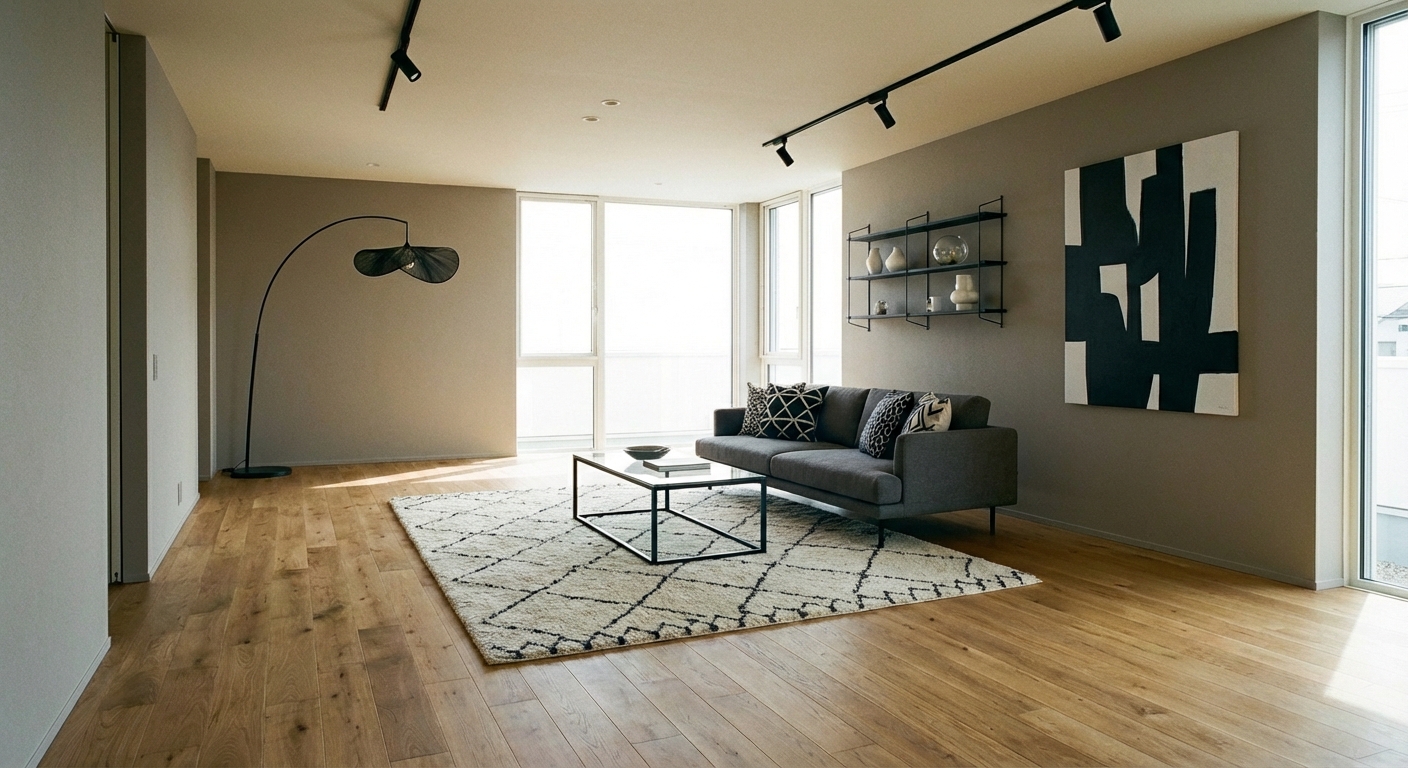
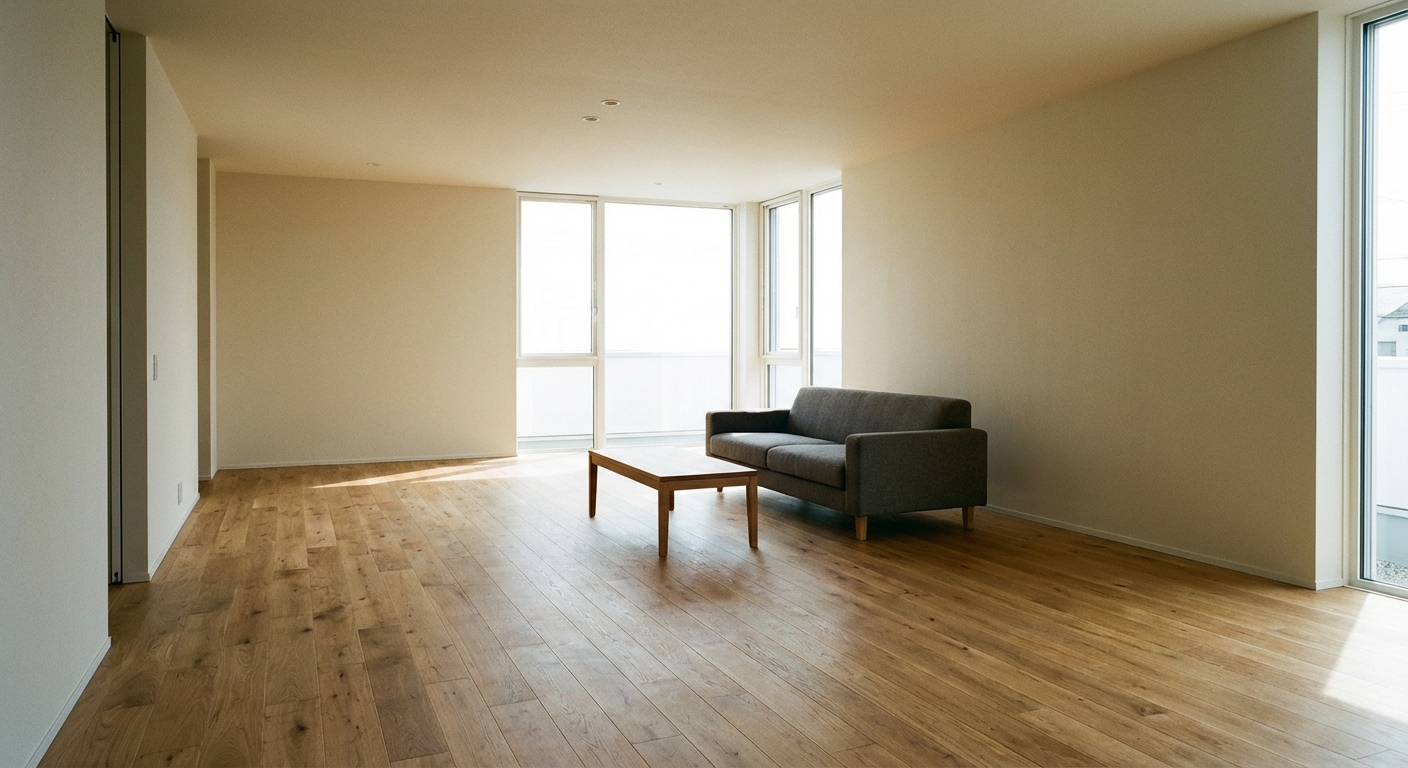
Upload your room photo in the app to see your real transformation
Why It Works
All-white rooms feel sterile because the absence of color variation leaves the eye with nothing to engage. The brain reads the space as empty rather than minimal. The fix is not adding bold color — it is adding warmth through materials that have inherent visual richness. Natural wood introduces warm tones and organic grain patterns. Woven textiles like linen, jute, and wool create tactile interest. Warm-temperature lighting bathes the white surfaces in amber rather than blue. Plants add the one color — green — that reads as natural rather than decorative in a white context.
How to Achieve This Look
Layer natural wood into the space: a walnut coffee table, oak floating shelves, or a rattan accent chair. These introduce warm undertones without competing with the white palette. Add woven textures in natural fibers — a jute rug, linen curtains, woven baskets, and a chunky knit throw. Replace cool-temperature bulbs with warm 2700K options throughout the room. Introduce greenery: two or three plants at varying heights add life and the only color an all-white room truly needs. Add a single warm-tone accent — a terracotta vase, a leather pillow, or a brass lamp — to create a focal point. Avoid adding too many colors; the goal is warmth, not a color scheme.
Intero AI lets you preview how wood accents, warm textiles, and plants transform your all-white room from sterile to inviting. Upload a photo and test different warmth-adding strategies to find the right balance between the clean white foundation and the rich, lived-in feeling you want.
"Finally an app that understands my taste. Every room turned out perfect."
— Priya K.
Frequently Asked Questions
Q1 Should I repaint if my white room feels cold?
Not necessarily. Try changing the bulb temperature to 2700K first — cool bulbs make white walls look icy. If the white itself is the issue, consider repainting in a warmer white (with yellow or pink undertones) rather than abandoning white altogether.
Q2 What materials add the most warmth to a white room?
Natural wood is the single most effective warmth-adder. Walnut, oak, and teak introduce rich tones that complement white beautifully. After wood, woven textures — jute, rattan, linen, and wool — add the tactile warmth that all-white rooms lack.
Q3 How many accent colors should I add to a white room?
One or two at most. The beauty of a white room is its restraint — flooding it with color defeats the purpose. Choose warm neutrals (tan, cognac, terracotta) or a single statement color and let the contrast against white do the work.
Related searches
These are the next pages people usually open while narrowing this design direction.
Ready to Transform Your Room?
Download Intero and see this design in your space in seconds.
No credit card. No signup. Just results.