Top Smart Home Design Trends for 2026
The smartest homes of 2026 hide their intelligence. Technology is invisible — embedded in walls, furniture, and lighting — enhancing daily life without a single visible gadget.
What is Top Smart Home Design Trends for 2026?
The smartest homes of 2026 hide their intelligence. Technology is invisible — embedded in walls, furniture, and lighting — enhancing daily life without a single visible gadget.
See the Transformation
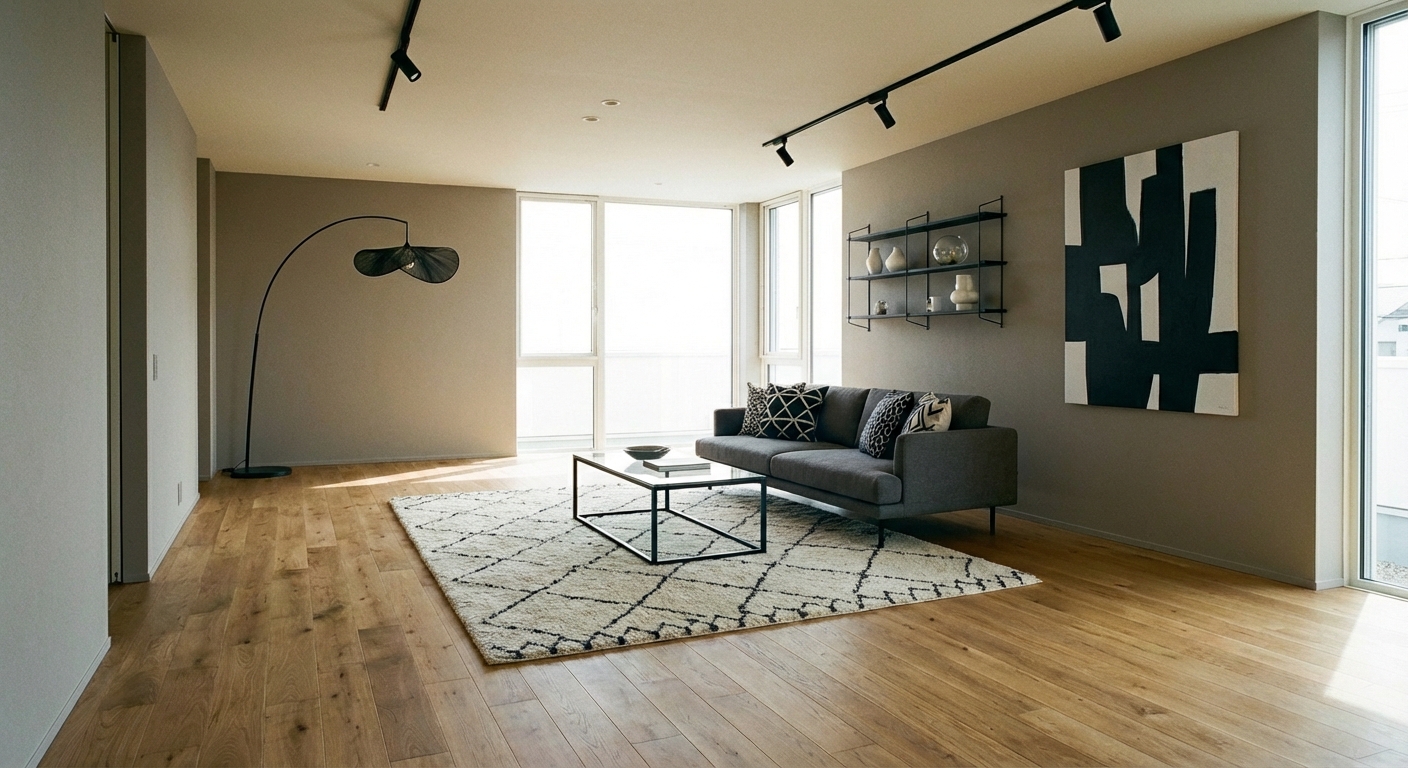
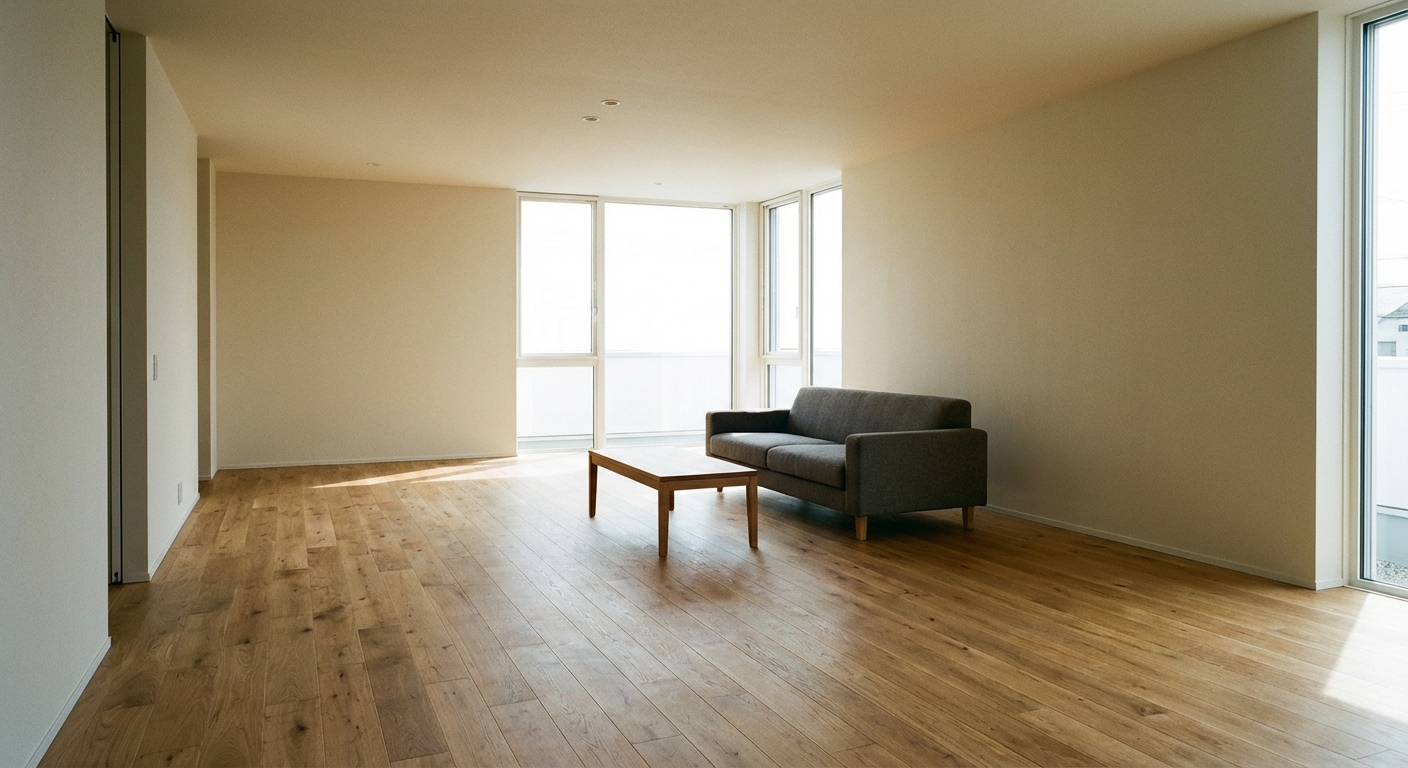
Upload your room photo in the app to see your real transformation
Why It Works
Smart home technology has matured past the "visible gadget" phase into invisible integration. In 2026, the most advanced homes do not look techy at all — the technology is embedded in the architecture, lighting, and systems rather than displayed as separate devices. Circadian lighting systems automatically shift color temperature throughout the day, mimicking natural sunlight patterns to improve sleep and alertness. Motorized window treatments adjust based on sun position and room temperature. Hidden wireless charging surfaces are built into nightstands, desks, and kitchen counters. Voice and gesture control replaces visible switches and remote controls. The design trend is technology as infrastructure — present everywhere, visible nowhere — enhancing comfort and health without cluttering the aesthetic.
How to Achieve This Look
Start with lighting: install circadian-rhythm bulbs or smart bulbs (Philips Hue, Nanoleaf) that automatically shift from cool daylight (5000K) in the morning to warm amber (2200K) in the evening. The health impact is significant and the installation is simple. Add motorized roller shades that respond to light sensors or time schedules. Install wireless charging pads recessed into nightstands and desks. Use hidden speakers (in-ceiling or in-wall) rather than visible Bluetooth speakers. Choose smart home controls that integrate into the architecture: recessed switches, voice control, or app-based systems that eliminate visible remotes. Run all technology through a single ecosystem (Apple HomeKit, Google Home, or Amazon Alexa) for seamless operation.
Smart home design is about integration — technology that enhances the room without changing its appearance. Intero AI helps you preview how invisible tech (hidden speakers, flush-mount controls, integrated charging) maintains your room aesthetic while adding intelligent functionality.
"I redesigned my entire apartment before buying a single piece of furniture."
— Sarah M.
Frequently Asked Questions
Q1 What is the most impactful smart home upgrade?
Circadian lighting. Smart bulbs that automatically shift from energizing cool light in the morning to relaxing warm light in the evening improve sleep quality, alertness, and mood. The effect is immediate and science-backed. A starter kit costs $100-300.
Q2 Can smart home technology be invisible?
Yes — that is the entire 2026 trend. In-ceiling speakers, recessed wireless chargers, motorized hidden shades, and voice-controlled systems all operate without visible devices. The goal is a room that looks completely analog but responds intelligently to voice, time, and environmental conditions.
Q3 Is smart home technology reliable enough for daily use?
In 2026, the major ecosystems (Apple, Google, Amazon) and Thread/Matter protocol have matured significantly. Reliability depends on choosing products within one ecosystem rather than mixing protocols. Wired smart switches are more reliable than wireless. Start with lighting and window treatments — the most reliable and impactful categories.
Related searches
These are the next pages people usually open while narrowing this design direction.
Ready to Transform Your Room?
Download Intero and see this design in your space in seconds.
No credit card. No signup. Just results.