How to Choose Lighting That Makes Every Room Look Its Best
Lighting is the most underrated design element. The right combination of ambient, task, and accent lighting transforms any room from flat to dynamic.
What is How to Choose the Right Lighting for Any Room?
Lighting is the most underrated design element. The right combination of ambient, task, and accent lighting transforms any room from flat to dynamic.
2/4
See the Transformation
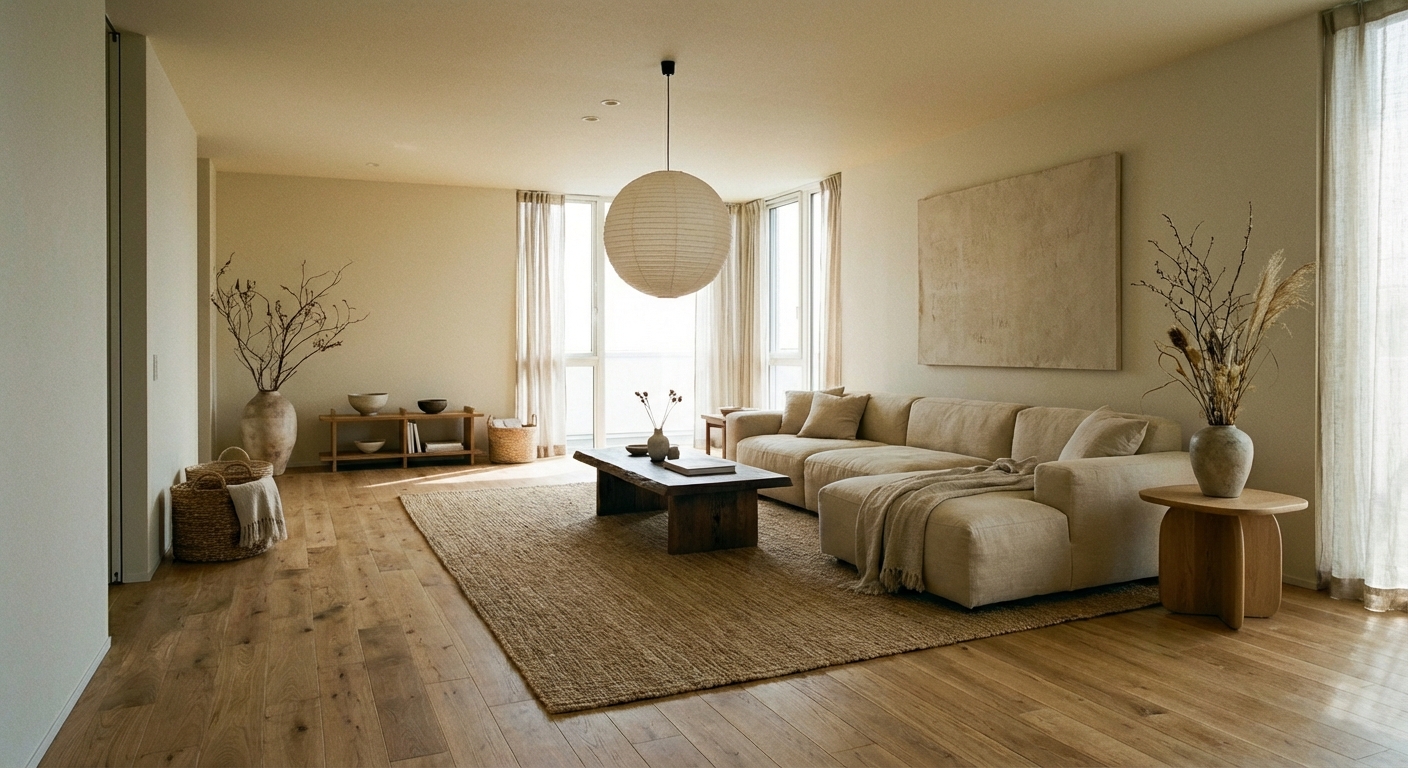
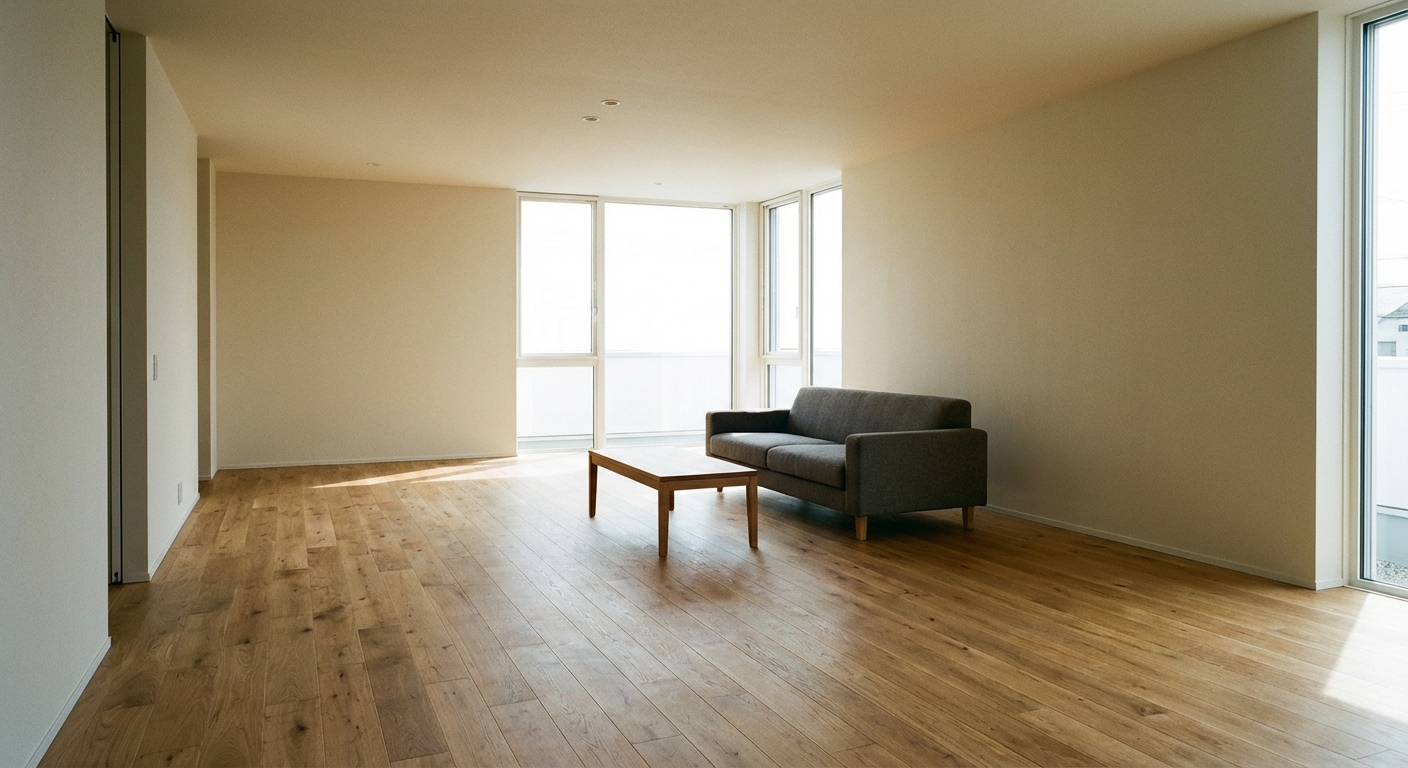
Upload your room photo in the app to see your real transformation
Color Palette
Click any color to copy hex code
Why It Works
Light shapes how we perceive color, space, and mood. A single overhead fixture casts flat, shadowless light that makes rooms feel institutional. Layered lighting — ambient for overall illumination, task for focused work, and accent for highlighting features — creates depth and dimension that makes rooms feel dynamic and inviting. Color temperature matters equally: warm light (2700K) creates intimacy in bedrooms and living rooms, while cooler light (3500-4000K) sharpens focus in kitchens and offices.
Best for
- people ready to test options on a real photo before buying
- anyone planning a real living room where conversation distance, TV glare, and traffic past the sofa matter more than Pinterest perfection
- projects already thinking about lighting, pendant, desk and needing a coherent layout
Skip if
- you will not address conversation distance and only want a filter look
- you need the room finished tomorrow with zero test fits
Common mistakes
In a living room, “how” fails when you shopping object-by-object with no envelope decision. Details like lighting, pendant, desk only work if the plan respects conversation distance, TV glare, and traffic past the sofa. Another miss: pushing every seat against the walls and calling the empty middle “open”.
Decide this first
fix the primary seating pair and one clear path before decorative chairs. Lock a coherent material story instead of random catalog picks as a short list, then use Intero on a real photo so scale and light are honest before you spend.
How to Achieve This Look
- 1
Layer three types: ambient (overhead), task (desk/reading), and accent (art/display)
- 2
Choose warm white bulbs (2700-3000K) for living and bedrooms
- 3
Install at least three light sources per room at different heights
- 4
Add dimmer switches to all overhead fixtures
- 5
Use table and floor lamps to eliminate dark corners
- 6
Hang pendants 30-36 inches above tables and counters
Layout & materials
Plan three layers for every room. Ambient: ceiling fixtures, recessed lights, or a central pendant for overall brightness. Task: desk lamps, under-cabinet strips, and reading lights where focused work happens. Accent: picture lights, LED strips behind furniture, and uplights to highlight architectural features or art. Use dimmer switches on ambient lighting for instant mood control. Choose 2700K bulbs for bedrooms and living rooms, 3000K for kitchens and bathrooms, and 4000-5000K for home offices. Aim for three to five light sources per room at varying heights.
Install dimmers on every switch — they cost five dollars each and transform any room from bright workspace to cozy retreat in seconds.
Intero AI helps you visualize how different lighting choices change the mood of your room. Upload a photo and preview warm versus cool lighting, see how adding floor lamps or accent lights transforms the atmosphere, and plan your lighting layers before buying fixtures.
Frequently Asked Questions
Q1 What does 2700K vs 5000K mean for light bulbs?
2700K produces a warm, yellowish light similar to candlelight — ideal for bedrooms and living rooms. 5000K produces a cool, bluish-white light similar to daylight — best for offices and task areas. 3000-3500K is a versatile middle ground.
Q2 How many light sources does a room need?
Most rooms need three to five sources at different heights: an overhead ambient light, two table or floor lamps at mid-level, and one or two accent lights. The variety of heights creates depth and prevents the flat look of a single overhead fixture.
Q3 Are dimmer switches worth installing?
Absolutely — dimmers are one of the highest-impact, lowest-cost lighting upgrades. They let you adjust from bright task lighting to soft ambient mood with a single fixture, effectively giving you multiple lighting options from one source.
Related searches
These are the next pages people usually open while narrowing this design direction.
You Might Also Like
Ready to See This Style in Your Room?
Download Intero and preview this design on your own room photo.
No credit card. No signup. Just results.
Scan to download
Point your phone camera at a code

