Top Sustainable Interior Design Trends for 2026
Sustainability is no longer a compromise — it is the highest expression of design quality. In 2026, the most beautiful interiors are also the most responsible.
What is Top Sustainable Interior Design Trends for 2026?
Sustainability is no longer a compromise — it is the highest expression of design quality. In 2026, the most beautiful interiors are also the most responsible.
See the Transformation
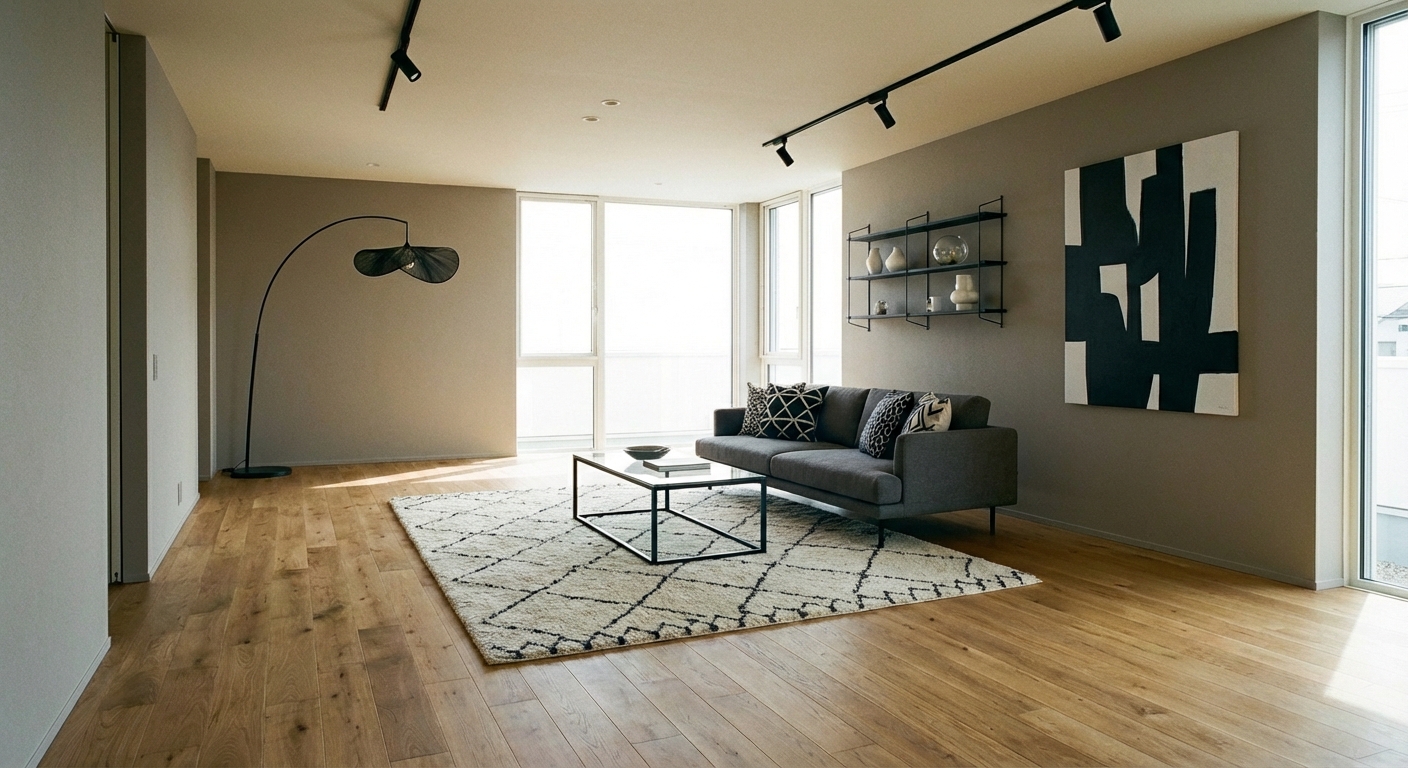
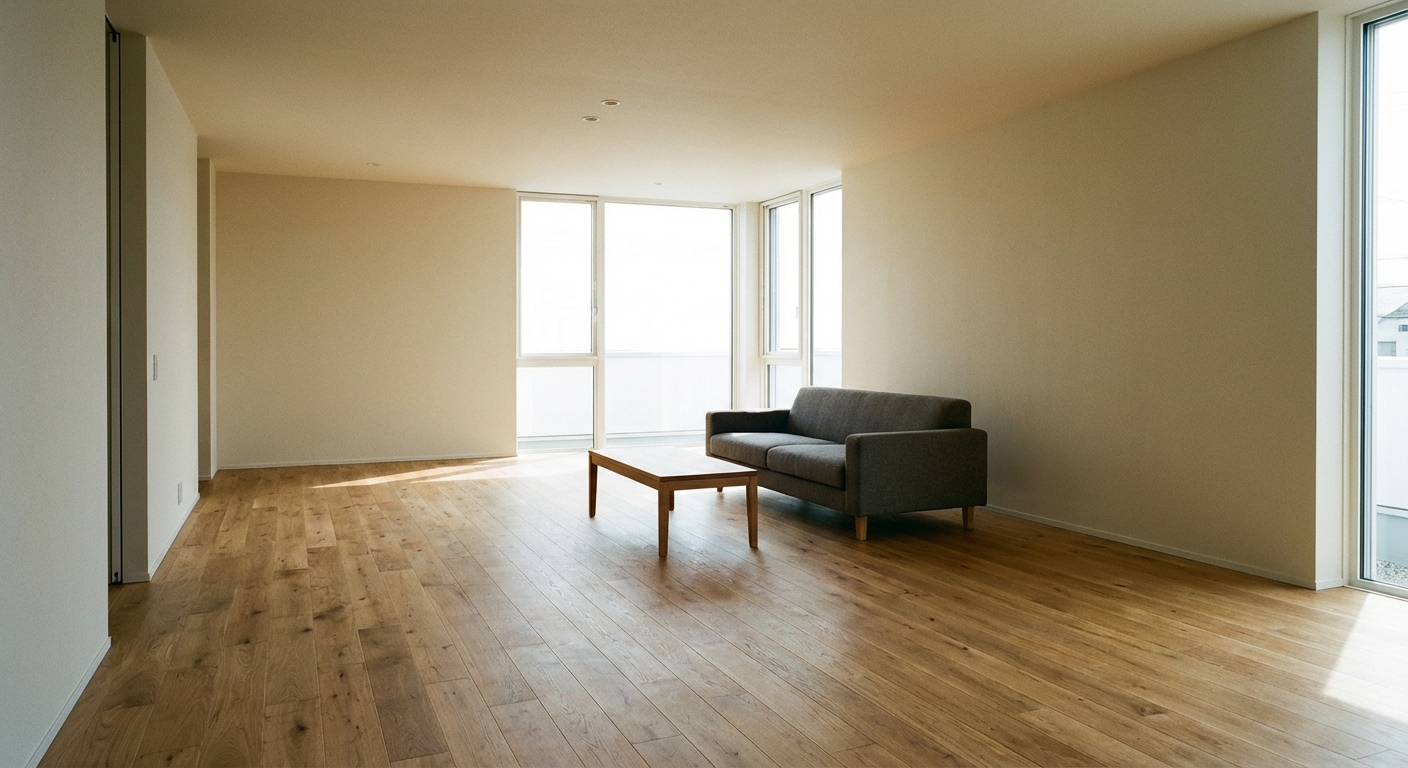
Upload your room photo in the app to see your real transformation
Why It Works
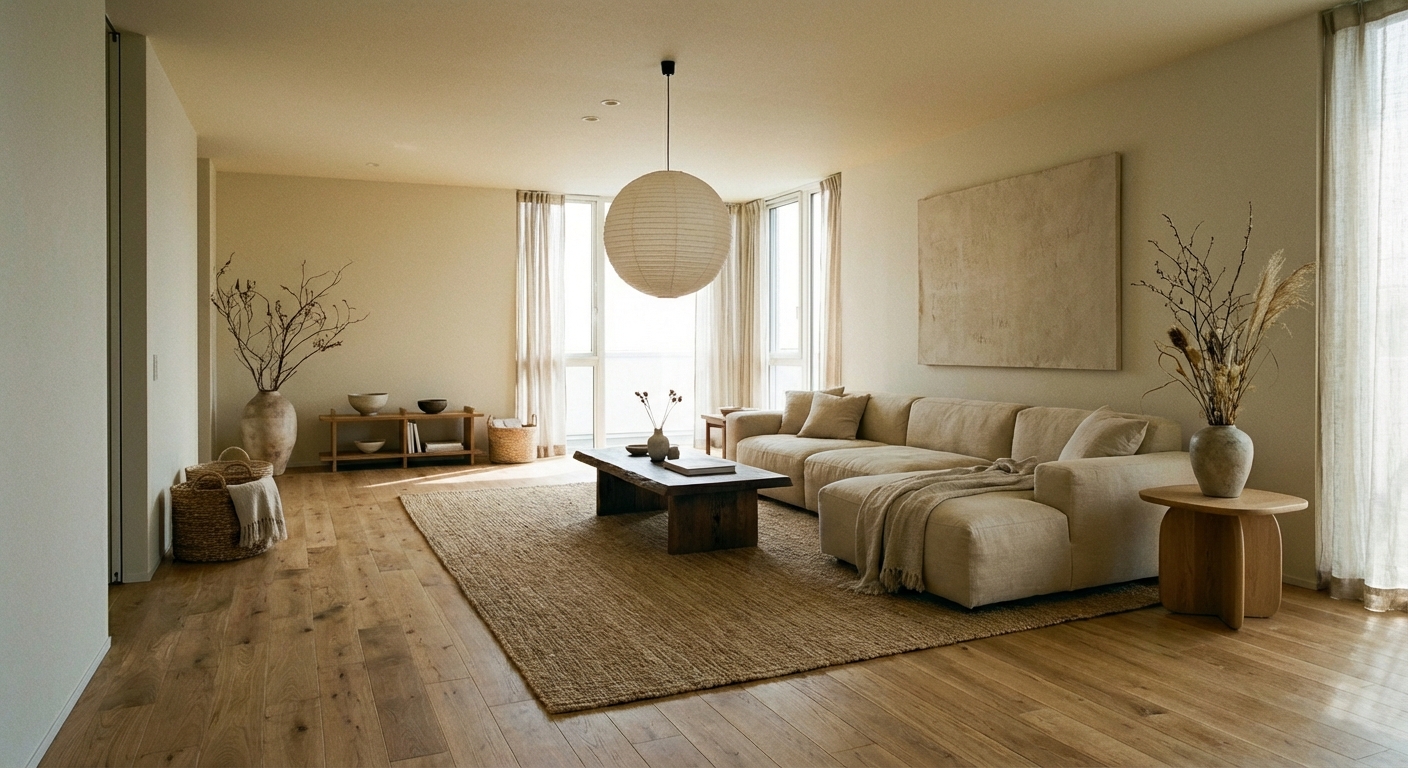
The sustainable design movement has matured beyond hemp and bamboo aesthetics into a comprehensive philosophy that produces the most sophisticated interiors available. In 2026, sustainability means: choosing reclaimed and vintage over new by default (reclaimed wood carries more character than fresh-milled), investing in fewer but higher-quality pieces designed to last decades (the "buy once" movement), embracing natural materials with lower environmental impact (natural stone, solid wood, organic textiles), supporting local artisans and small-batch manufacturers over mass production, and designing for disassembly — furniture that can be repaired, refinished, or recycled rather than landfilled. The aesthetic has shifted from "eco-alternative" to "quiet luxury" — the most sustainable choices (solid wood over particleboard, linen over polyester, natural stone over engineered) happen to also be the most beautiful.
How to Achieve This Look
Start by buying less and buying better. Replace fast-furniture pieces with solid wood, natural upholstery, and repairable construction. Source reclaimed materials for renovation: reclaimed wood flooring, salvaged architectural elements, and vintage fixtures carry environmental credits and design character. Choose natural, biodegradable materials: linen, wool, organic cotton, jute, and natural rubber instead of synthetic textiles. Opt for non-toxic finishes: natural oil wood finishes, mineral-based paints, and formaldehyde-free adhesives. Support circular economy: buy vintage and second-hand furniture, use furniture rental services for staging, and choose brands that offer repair services. Design for longevity: neutral foundations that will not require replacing as trends shift, with seasonal updates through vintage accessories.
Sustainable design often means making choices between materials and styles that are hard to compare visually. Intero AI lets you preview how reclaimed wood, natural stone, and organic textiles would look in your room, helping you make eco-conscious choices with visual confidence.
"Finally an app that understands my taste. Every room turned out perfect."
— Priya K.
Frequently Asked Questions
Q1 Is sustainable furniture more expensive?
The per-piece cost is often higher, but the per-year cost is lower. A solid wood table that lasts 30 years costs less annually than three particleboard tables over the same period. Vintage and reclaimed options can be quite affordable, and the "buy less" philosophy means your overall spending decreases.
Q2 What are the most sustainable materials for interiors?
Reclaimed wood, FSC-certified new wood, natural stone, bamboo, cork, linen, organic cotton, wool, and natural rubber are among the lowest-impact choices. Recycled metals and glass are excellent for fixtures and accessories. The key is avoiding petroleum-based synthetics and materials with high embodied energy.
Q3 Can I make my existing home more sustainable without a full renovation?
Yes — replace synthetic textiles with natural ones (linen curtains, wool throws), swap fast-furniture pieces gradually with solid wood or vintage alternatives, switch to non-toxic cleaning products, and add plants for natural air filtration. Small, incremental swaps compound into meaningful environmental impact.
Related searches
These are the next pages people usually open while narrowing this design direction.
Ready to Transform Your Room?
Download Intero and see this design in your space in seconds.
No credit card. No signup. Just results.