Bring Mediterranean Warmth with Travertine Surfaces
Formed over millennia in mineral springs, travertine carries the warmth of sun-soaked stone — its creamy tones and subtle texture evoke ancient luxury.
What is Travertine Surface Design Ideas?
Formed over millennia in mineral springs, travertine carries the warmth of sun-soaked stone — its creamy tones and subtle texture evoke ancient luxury.
See the Transformation
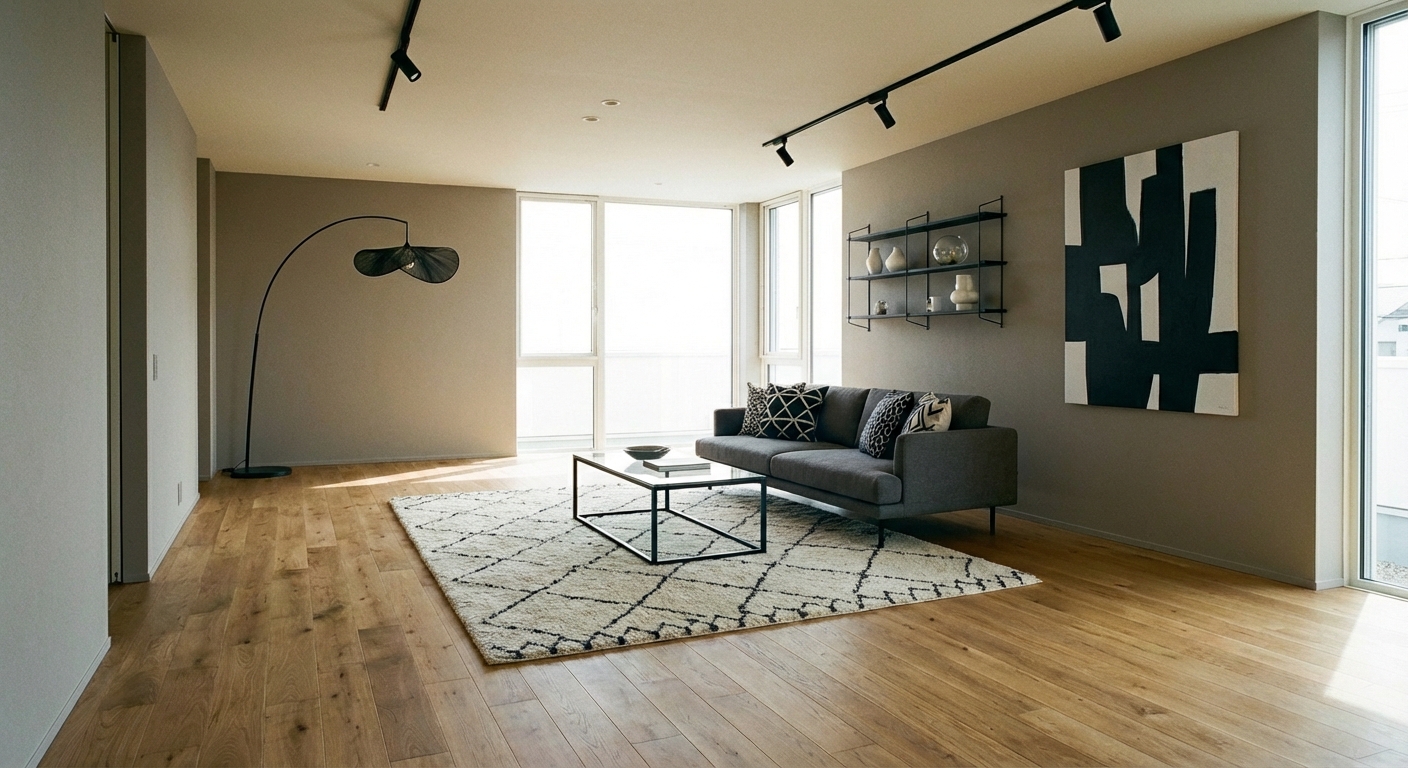
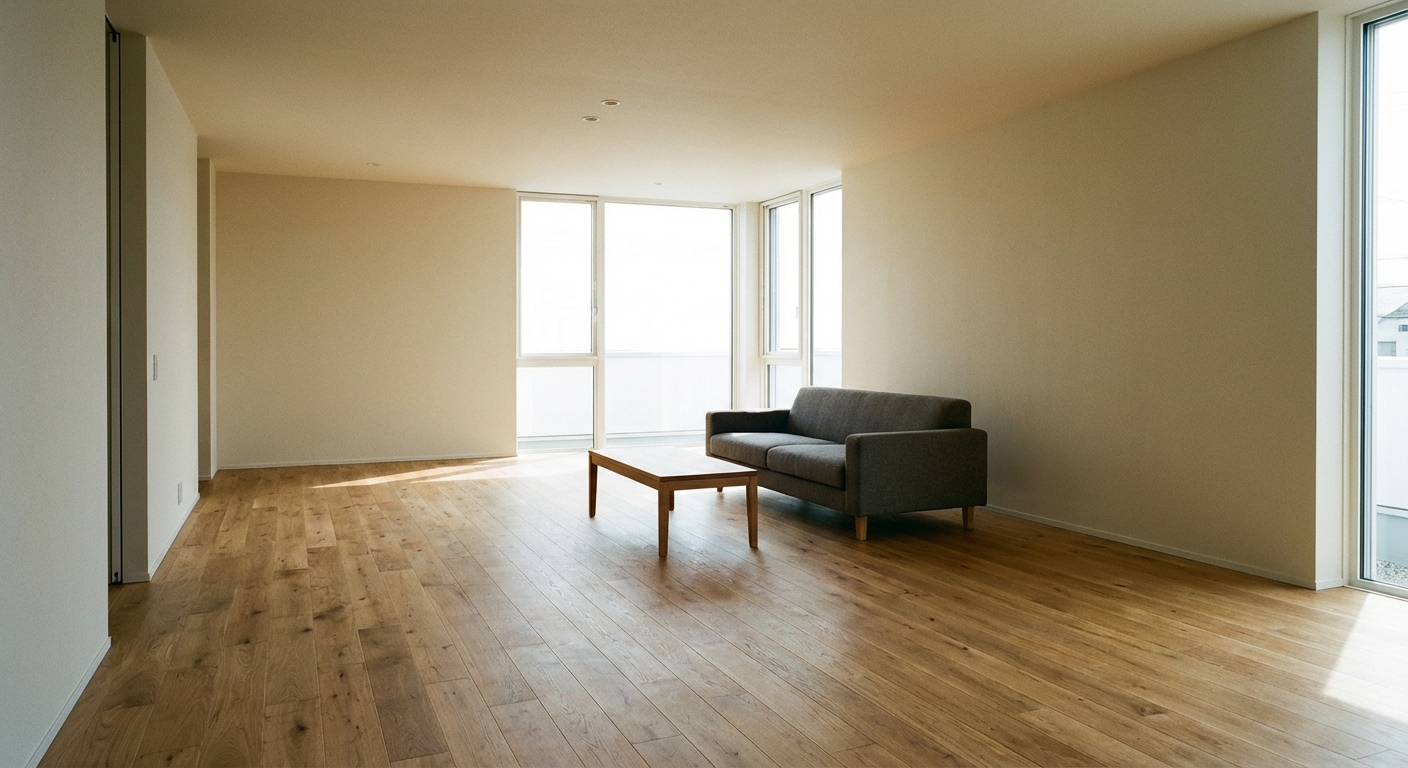
Upload your room photo in the app to see your real transformation
Why It Works
Travertine has an inherent warmth that cooler stones like marble and slate lack. Its cream, tan, and walnut tones create a sun-drenched atmosphere that suits Mediterranean, transitional, and organic modern interiors. The natural pitting and texture (in unfilled travertine) adds character and surface interest without the busy veining of marble. Filled and honed travertine offers a smoother, more contemporary option while maintaining that signature warmth. The material has been used since Roman times, lending a sense of permanence and heritage.
Best for
- people ready to test options on a real photo before buying
- anyone planning a real living room where conversation distance, TV glare, and traffic past the sofa matter more than Pinterest perfection
- projects already thinking about marble, walnut, tile and needing a coherent layout
Skip if
- you will not address conversation distance and only want a filter look
- you need the room finished tomorrow with zero test fits
Common mistakes
People pin travertine living room ideas and then shopping object-by-object with no envelope decision. Details like marble, walnut, tile only work if the plan respects conversation distance, TV glare, and traffic past the sofa. Another miss: pushing every seat against the walls and calling the empty middle “open”.
Decide this first
fix the primary seating pair and one clear path before decorative chairs. Lock a coherent material story instead of random catalog picks as a short list, then use Intero on a real photo so scale and light are honest before you spend.
How to Achieve This Look
For floors, tumbled travertine in a Versailles pattern creates a classic European look, while large-format honed tiles feel modern and clean. In bathrooms, travertine wall tile in cream tones creates a warm, spa-like environment. For countertops, choose filled and polished travertine and seal it thoroughly — the stone is softer and more porous than granite, requiring more care. Pair travertine with warm whites, terracotta, olive green, and warm wood tones for a cohesive Mediterranean palette. Iron and wrought-metal fixtures complement the Old World aesthetic.
Intero lets you preview travertine floors, walls, and countertops in your actual space. See how cream travertine tile changes your bathroom, or compare tumbled versus honed finishes on your kitchen floor — all visualized in your room before committing to installation.
Frequently Asked Questions
Q1 Is travertine a good choice for kitchen countertops?
Travertine can work as a kitchen countertop, but it requires more maintenance than granite or quartz. It is softer (Mohs 3-4) and more porous, meaning it is susceptible to etching from acidic foods and staining without regular sealing. If you love the aesthetic and accept the upkeep, seal every 6 months and use cutting boards and trivets. For lower-maintenance areas, travertine excels on floors and walls.
Q2 What is the difference between filled and unfilled travertine?
Unfilled travertine retains its natural pitting and holes, creating a rustic, textured surface with visible character. Filled travertine has the pits filled with color-matched resin or cement, creating a smoother surface that is easier to clean. For floors and countertops, filled is more practical. For accent walls and fireplace surrounds, unfilled travertine adds dramatic texture.
Q3 How do I maintain travertine floors?
Seal travertine floors every 1-2 years with a quality stone sealer. Clean with pH-neutral stone cleaner — avoid acidic products (vinegar, citrus cleaners) and abrasive scrubbers. Sweep or vacuum regularly to prevent grit from scratching the surface. Mop with warm water and stone-specific cleaner. Properly maintained travertine floors last a lifetime and develop a warm patina.
Related searches
These are the next pages people usually open while narrowing this design direction.
You Might Also Like
Ready to See This Style in Your Room?
Download Intero and preview this design on your own room photo.
No credit card. No signup. Just results.
Scan to download
Point your phone camera at a code

