Trending Japandi Interiors for 2026
Japandi has evolved from a niche crossover into one of the most influential design movements of 2026 — combining Japanese craft philosophy with Scandinavian functional beauty.
What is Trending Japandi Interior Designs for 2026?
Japandi has evolved from a niche crossover into one of the most influential design movements of 2026 — combining Japanese craft philosophy with Scandinavian functional beauty.
See the Transformation
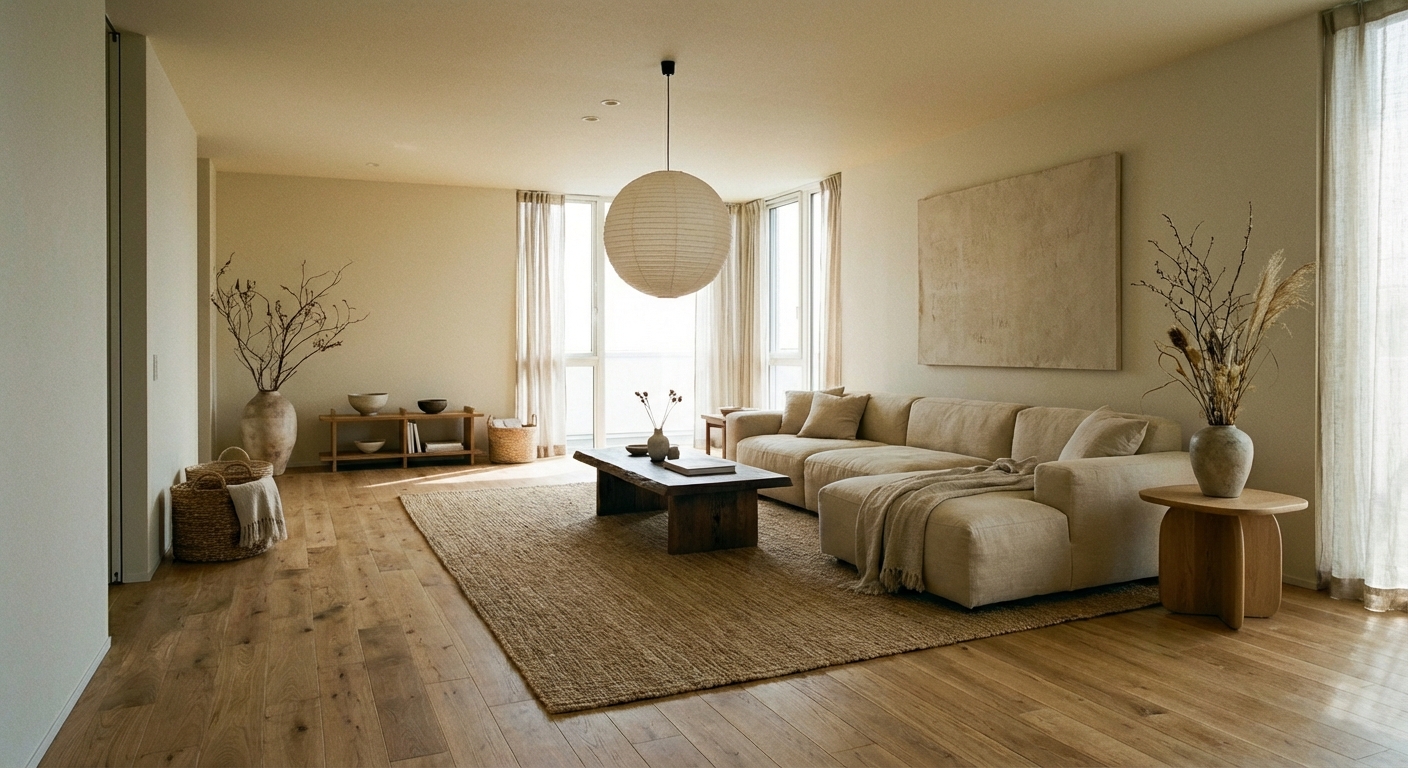
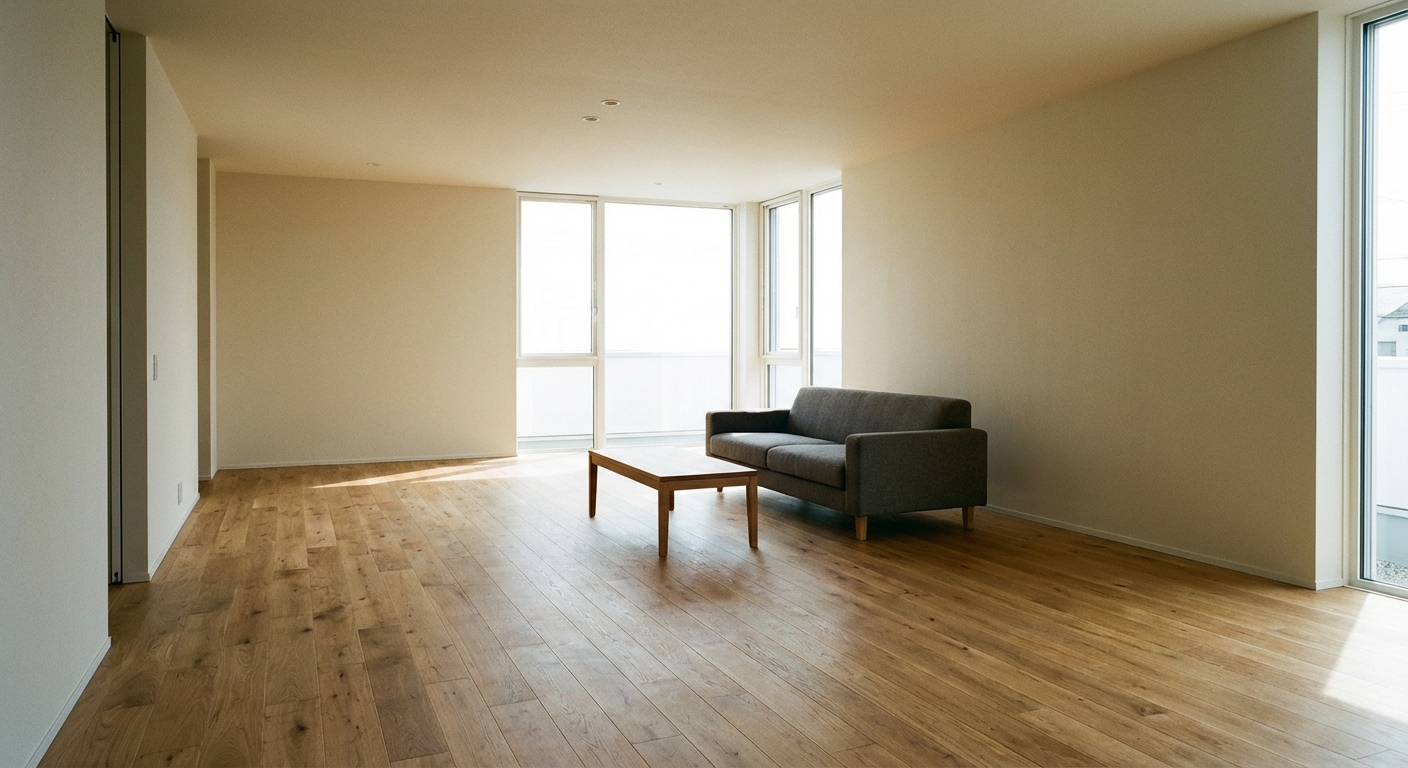
Upload your room photo in the app to see your real transformation
Why It Works
Japandi has deepened in 2026 beyond the initial "Japanese + Scandinavian" formula into a fully realized design philosophy that privileges imperfect beauty, functional simplicity, and natural material authenticity. The 2026 expression emphasizes wabi-sabi more heavily — handcrafted ceramics with visible irregularities, raw wood left unfinished or with minimal treatment, and textiles in undyed natural fibers. The Scandinavian side contributes warmth, livability, and a lighter palette than purely Japanese aesthetics. The marriage works because both traditions share core values: respect for nature, preference for honesty in materials, and belief that beauty emerges from restraint rather than addition. In 2026, Japandi rooms feel less like a style and more like a way of living — calm, intentional, and deeply connected to craft.
How to Achieve This Look
Choose furniture with clean, low-profile forms in natural wood — light oak or ash for the Scandinavian side, dark walnut or elm for the Japanese side. Mix both within a room for depth. Keep surfaces clear and each object intentional — if it is on display, it should be handmade, functional, or both. Use a warm neutral palette: warm white walls, natural wood tones, stone gray, and black as a grounding accent. Textiles should be natural and textural: undyed linen, raw cotton, and wool in their natural colors. Add one or two handmade ceramics — a tea bowl, a vase — that show the maker hand. Incorporate greenery (a bonsai, a simple branch in a ceramic vase) as the single decorative gesture. Lighting should be warm and indirect: paper lanterns, hidden LED strips, and rice paper lamps.
Japandi success lies in the subtlety — the exact shade of wood, the right proportion of empty space to object, and the balance between Scandinavian light and Japanese shadow. Intero AI lets you preview Japandi arrangements in your room to find the precise balance that feels calm and intentional.
"Finally an app that understands my taste. Every room turned out perfect."
— Priya K.
Frequently Asked Questions
Q1 Is Japandi still trending in 2026?
Japandi has moved beyond trend status into an established design movement. Its values (natural materials, craft, simplicity) align with broader cultural shifts toward sustainability and intentional living. The specific aesthetic may evolve, but the underlying philosophy is becoming permanent.
Q2 What is new in Japandi for 2026?
Greater emphasis on wabi-sabi imperfection — hand-thrown ceramics replacing machine-made, more visible wood grain and natural variation, and deliberately imperfect textiles. Also: dark wood is making a comeback within Japandi, balancing the previously dominant light-oak Scandinavian influence.
Q3 Can I do Japandi on a budget?
Yes — Japandi is among the most budget-friendly styles because it requires fewer items. Thrift stores yield simple ceramic vessels and wood objects. IKEA provides clean-lined Scandinavian furniture. The key is editing: remove excess, keep only what is beautiful or functional, and let empty space do the design work.
Related searches
These are the next pages people usually open while narrowing this design direction.
You Might Also Like
Ready to Transform Your Room?
Download Intero and see this design in your space in seconds.
No credit card. No signup. Just results.