Uneven Floors? Design With Them, Not Against Them
Older homes and converted spaces often have floors that slope, dip, or vary in height. These design strategies turn a structural quirk into character.
What is Designing Around Uneven Floors: Tips & Tricks?
Older homes and converted spaces often have floors that slope, dip, or vary in height. These design strategies turn a structural quirk into character.
2/4
See the Transformation
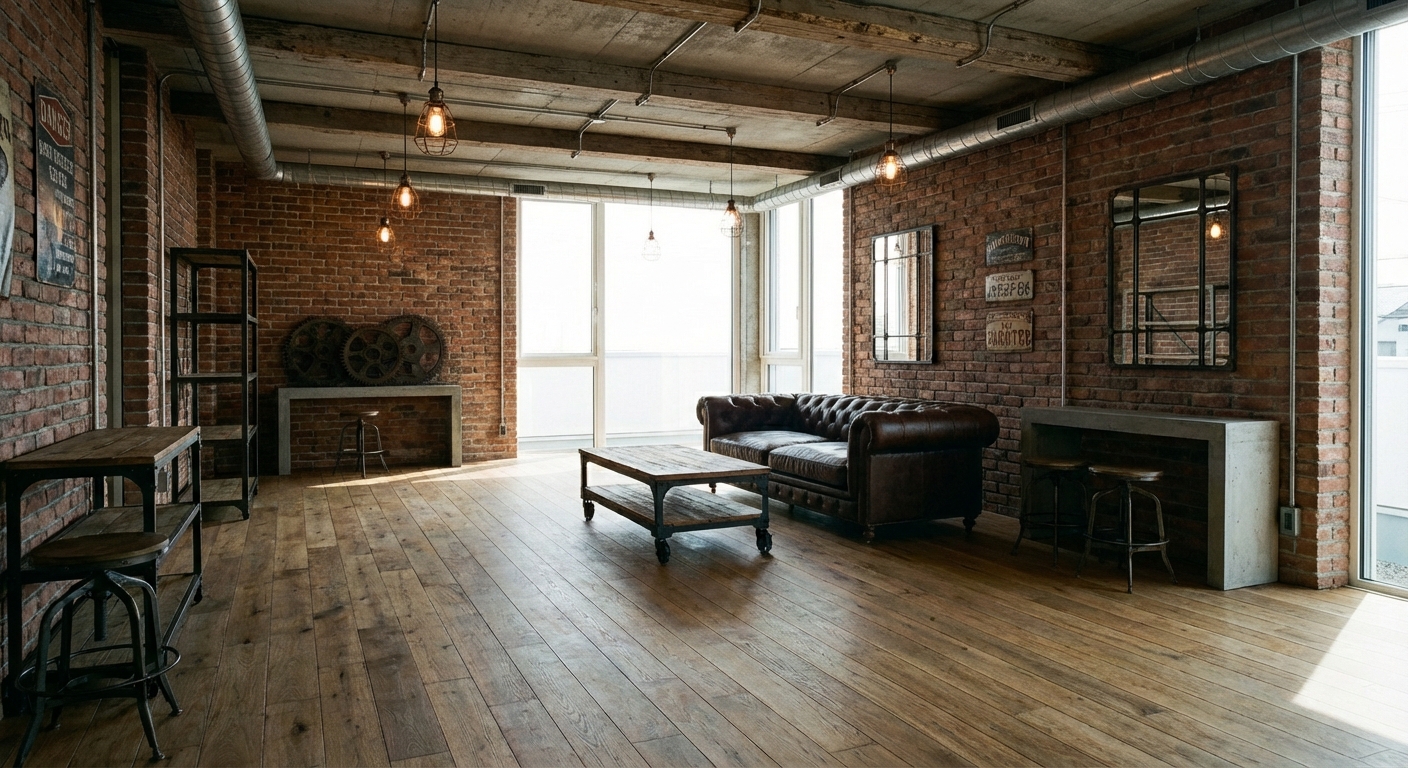
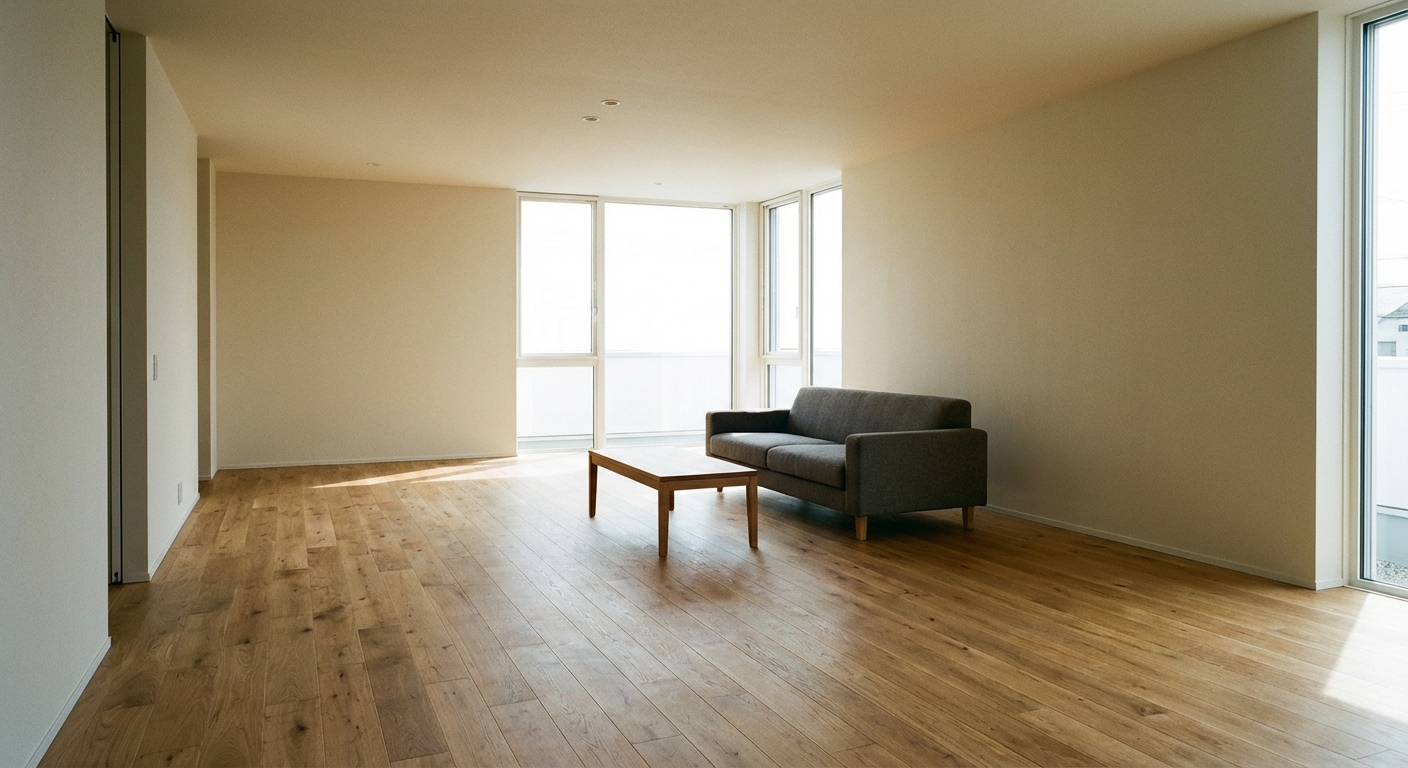
Upload your room photo in the app to see your real transformation
Color Palette
Click any color to copy hex code
Why It Works
Uneven floors become a problem only when the design fights them. Wobbly furniture on a sloped floor looks like a mistake; a thick layered rug on the same floor looks intentional and adds charm. The Japanese concept of wabi-sabi — finding beauty in imperfection — applies perfectly here. Embracing the character of old floors rather than hiding them shifts perception from "this room has a flaw" to "this room has history." Design strategies that acknowledge unevenness and compensate subtly create rooms that feel authentic rather than compromised.
Best for
- people ready to test options on a real photo before buying
- anyone planning a real living room where conversation distance, TV glare, and traffic past the sofa matter more than Pinterest perfection
- projects already thinking about rug and needing a coherent layout
Skip if
- you will not address conversation distance and only want a filter look
- you refuse to remove anything and only add decor
Common mistakes
The usual designing living room miss is shopping object-by-object with no envelope decision. Details like rug only work if the plan respects conversation distance, TV glare, and traffic past the sofa. Another miss: pushing every seat against the walls and calling the empty middle “open”.
Decide this first
fix the primary seating pair and one clear path before decorative chairs. Lock a coherent material story instead of random catalog picks as a short list, then use Intero on a real photo so scale and light are honest before you spend.
How to Achieve This Look
- 1
Identify the worst uneven areas with a level tool
- 2
Place thick area rugs with dense pads over the most uneven zones
- 3
Use furniture with adjustable legs or add felt leveling pads
- 4
Draw attention upward with dramatic wall art or lighting
- 5
Avoid long, low furniture that accentuates floor slope
- 6
Consider self-leveling compound for severely uneven areas before decorating
Layout & materials
Layer thick area rugs with quality pads to soften the visual impact of uneven transitions. Use furniture with adjustable feet or add furniture levelers (small adhesive pads) to eliminate wobbling. Avoid tall, narrow furniture like bookcases on severely sloped areas — choose lower, wider pieces that remain visually stable. If floor height changes between rooms, install attractive transition strips rather than leaving abrupt edges. For exposed wood floors with character, sand lightly and apply a clear sealant to celebrate the grain and patina rather than trying to make them perfectly flat.
A thick wool rug with a quality pad underneath masks minor floor unevenness better than any other quick fix.
Intero AI lets you preview how different rug placements, furniture arrangements, and flooring treatments look in your room with uneven floors. Upload a photo and test approaches that embrace your floor character while keeping the room polished and intentional.
Frequently Asked Questions
Q1 Should I fix uneven floors or design around them?
Minor slopes and character imperfections can be designed around and even celebrated. However, if floors are severely uneven (more than 1 inch over 8 feet), or if doors do not close properly, structural leveling may be necessary for safety and function.
Q2 How do I keep furniture from wobbling on uneven floors?
Adhesive furniture leveling pads are the simplest fix — they come in various thicknesses and are invisible once applied. For tables, adjustable-leg furniture is ideal. Thick area rugs also help by softening minor unevenness.
Q3 What rugs work best on uneven floors?
Thick, plush rugs with a dense pad underneath are ideal because they conform to minor unevenness and create a visually flat surface. Avoid thin, flat-weave rugs that telegraph every bump and slope underneath.
Related searches
These are the next pages people usually open while narrowing this design direction.
You Might Also Like
Ready to See This Style in Your Room?
Download Intero and preview this design on your own room photo.
No credit card. No signup. Just results.
Scan to download
Point your phone camera at a code

