Warm Wood Tones — Nature Most Versatile Color Palette
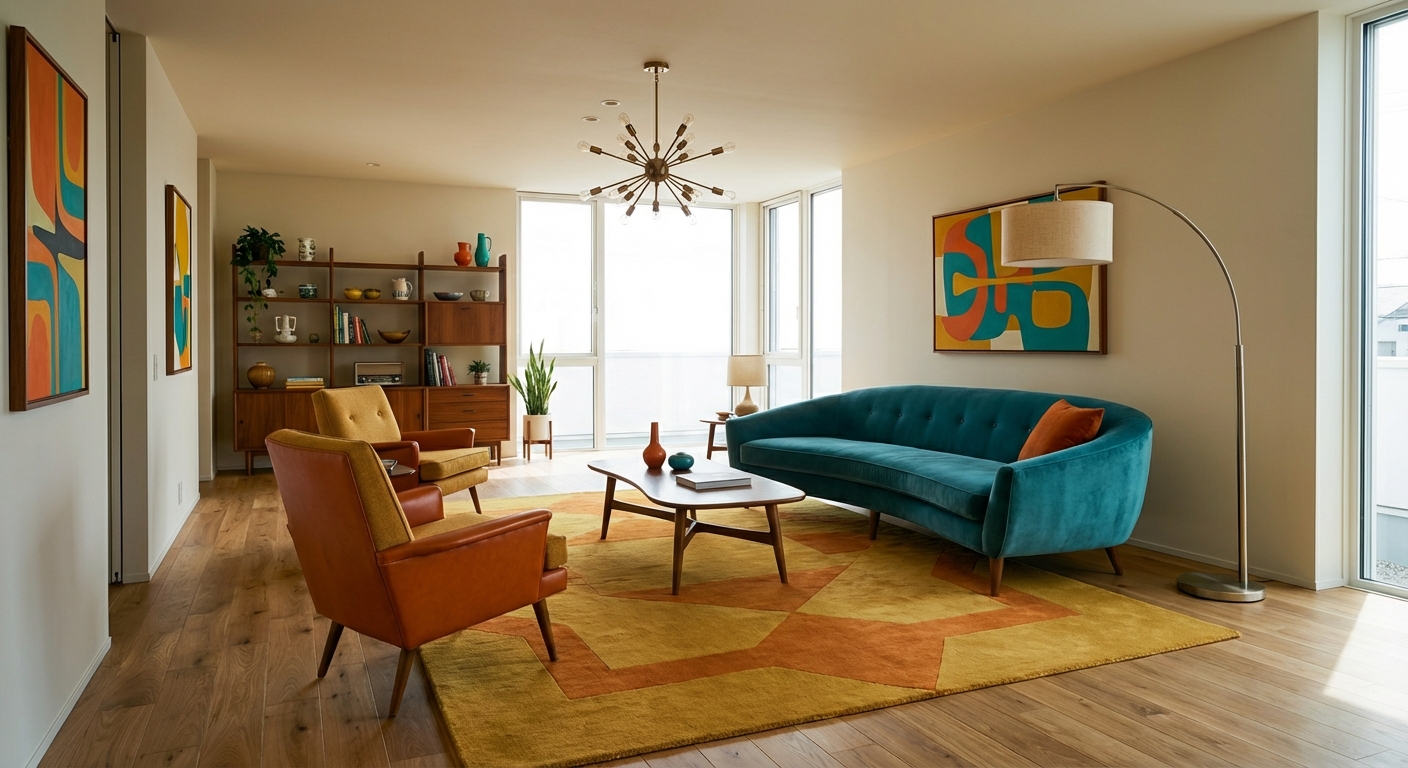
From pale honey to deep walnut, warm wood tones create a palette that feels organic, inviting, and effortlessly cohesive in any room.
What is Warm Wood Tones Palette for Interiors?
From pale honey to deep walnut, warm wood tones create a palette that feels organic, inviting, and effortlessly cohesive in any room.
1/4
See the Transformation
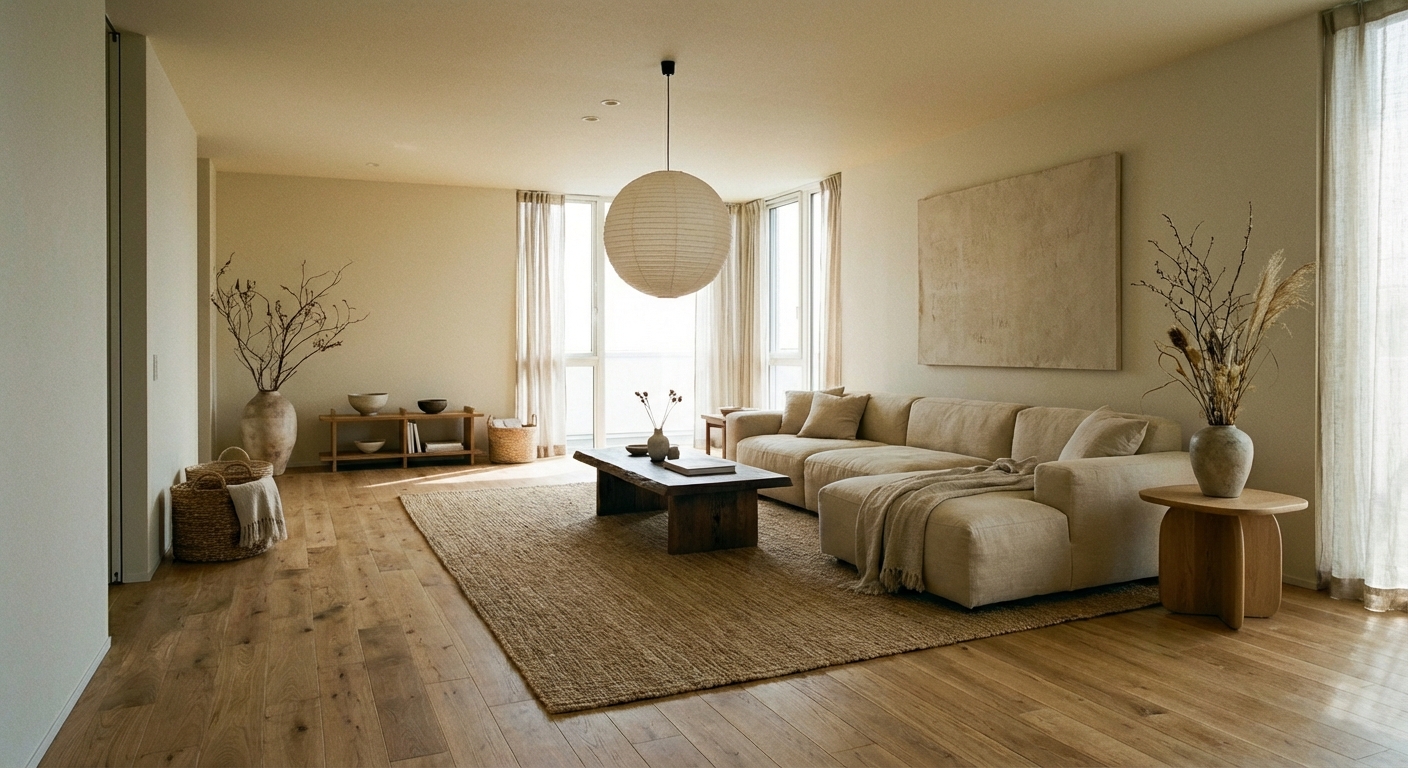
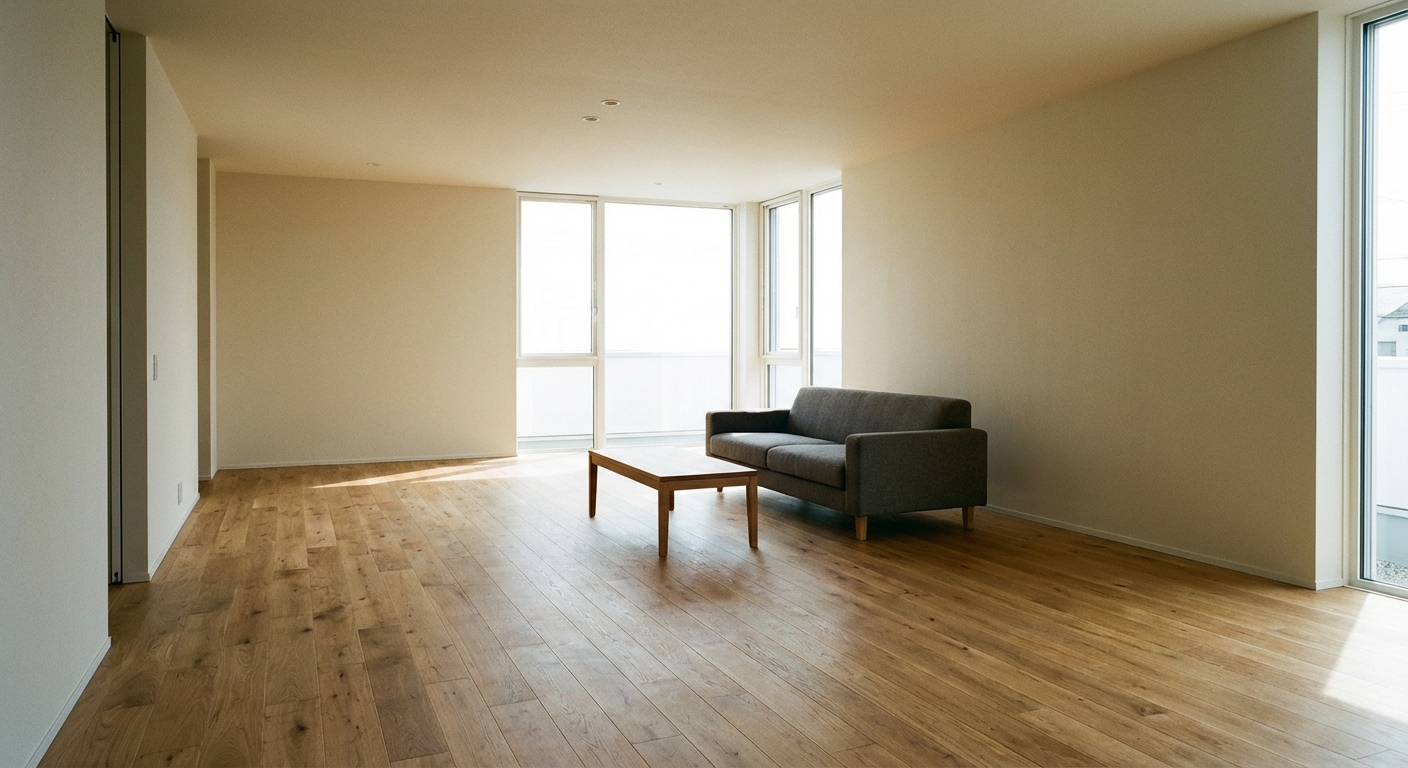
Upload your room photo in the app to see your real transformation
Color Palette
Click any color to copy hex code
Why It Works
Wood tones are the original interior color palette — every human culture has built and furnished with local timber, making warm wood colors deeply embedded in our visual comfort zone. A room furnished in warm wood tones triggers the biophilic response: the innate human preference for natural environments. Research shows that wood-rich interiors reduce blood pressure, heart rate, and stress hormones. As a color palette, warm wood tones offer surprising range — from pale birch and maple to medium oak and teak to deep walnut and mahogany. Mixing these tones creates visual depth and interest without introducing any paint color at all. The current design movement toward warm wood tones is a reaction against the cool gray-and-white interiors that dominated the 2010s.
Best for
- people ready to test options on a real photo before buying
- anyone planning a real living room where conversation distance, TV glare, and traffic past the sofa matter more than Pinterest perfection
- projects already thinking about oak, walnut, paint and needing a coherent layout
Skip if
- you will not address conversation distance and only want a filter look
- you need the room finished tomorrow with zero test fits
Common mistakes
The usual warm living room miss is shopping object-by-object with no envelope decision. Details like oak, walnut, paint only work if the plan respects conversation distance, TV glare, and traffic past the sofa. Another miss: pushing every seat against the walls and calling the empty middle “open”.
Decide this first
fix the primary seating pair and one clear path before decorative chairs. Lock a coherent material story instead of random catalog picks as a short list, then use Intero on a real photo so scale and light are honest before you spend.
How to Achieve This Look
- 1
Choose one dominant wood tone for the largest pieces
- 2
Mix two to three wood species with similar warm undertones
- 3
Keep walls white or very light to let the wood take center stage
- 4
Use matte or satin finishes rather than high gloss on all wood
- 5
Add warmth through cream and oatmeal textiles
- 6
Include at least one live-edge or organic-shaped wood piece
Layout & materials
Pick a dominant wood tone for your large surfaces (floors and primary furniture) and complement it with one or two supporting tones. The safest approach: choose woods with similar undertones. Warm-toned woods (oak, teak, cherry) mix well together, as do cool-toned woods (ash, maple, walnut). Mixing warm and cool wood tones works when you vary the scale — a large warm-toned floor with small cool-toned accent pieces. Pair wood tones with white or cream as a resting point for the eye, and add texture through woven materials — rattan, jute, and linen — that share the warm organic quality. Metallics should be warm: brass, copper, or matte gold. Keep the palette grounded with one or two dark elements — a black metal frame, a charcoal rug — to prevent the warmth from feeling monotone.
Mixing wood tones works when you vary the scale — a large walnut table, medium oak shelves, and small maple accessories.
Mixing wood tones is one of the most common design anxieties — will the walnut table clash with the oak floor? Intero AI lets you visualize how different wood tones interact in your specific room, helping you confidently mix species and finishes rather than defaulting to matching sets.
Frequently Asked Questions
Q1 Can you mix different wood tones in one room?
Yes — in fact, interior designers encourage it. The key is varying the scale (large light + small dark or vice versa) and maintaining a unifying undertone. Two to three different wood tones create a collected, natural look. Matching everything to one wood species feels sterile.
Q2 What wall colors pair best with warm wood tones?
White and warm cream are the safest choices. Sage green, soft terracotta, and warm gray also complement warm wood beautifully. Avoid cool whites and cool grays, which can make warm wood look orange or out of place.
Q3 Which warm wood tone is most trending right now?
White oak and natural walnut are the two most popular wood tones in 2026. White oak dominates flooring and cabinetry, while walnut is the leading choice for statement furniture. Teak is making a comeback in accent pieces and outdoor furniture.
Related searches
These are the next pages people usually open while narrowing this design direction.
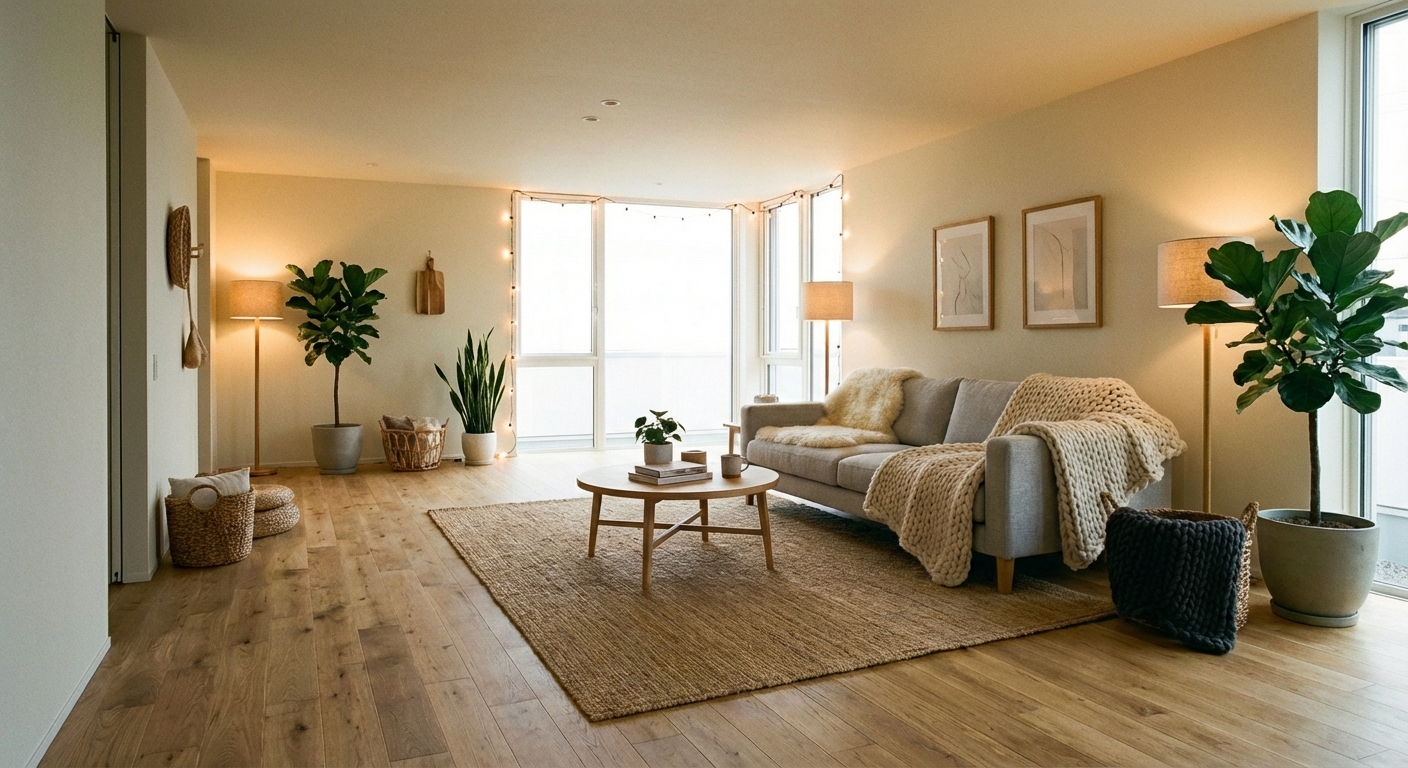
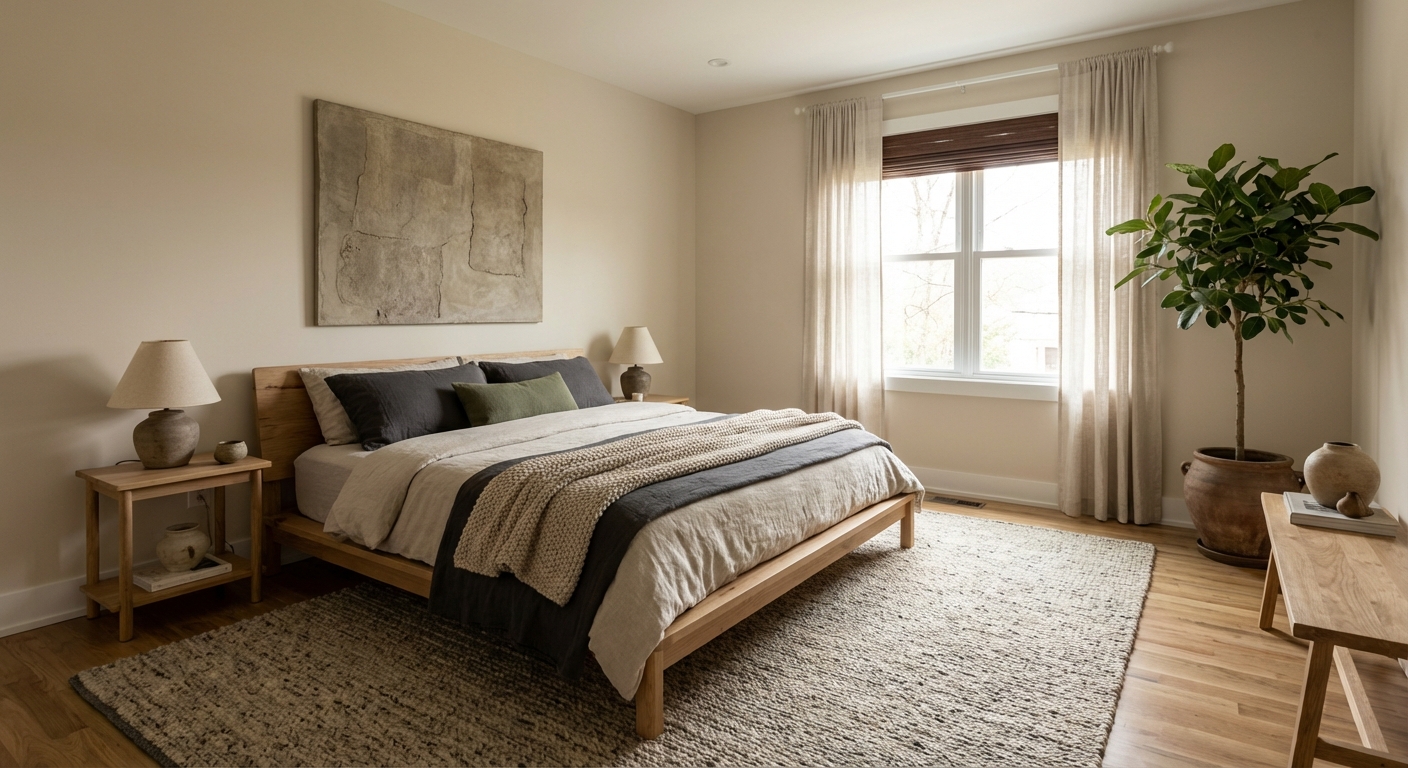
Ready to See This Style in Your Room?
Download Intero and preview this design on your own room photo.
No credit card. No signup. Just results.
Scan to download
Point your phone camera at a code

