Layer Warmth and Luxury with Wool Rugs and Textiles
Nothing transforms the feel of a room faster than wool underfoot — the softness, warmth, and acoustic comfort make hard surfaces suddenly livable.
What is Wool Rugs and Textile Ideas?
Nothing transforms the feel of a room faster than wool underfoot — the softness, warmth, and acoustic comfort make hard surfaces suddenly livable.
See the Transformation
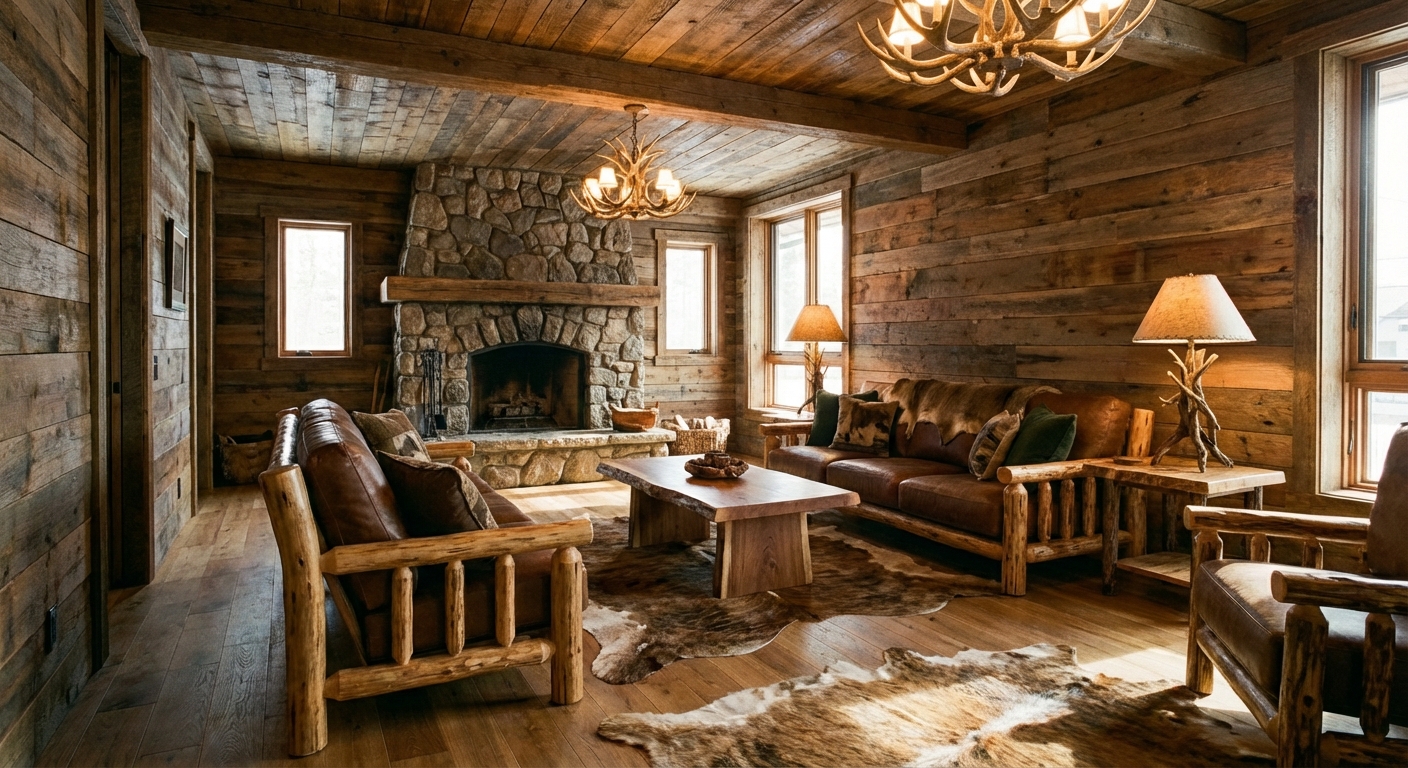
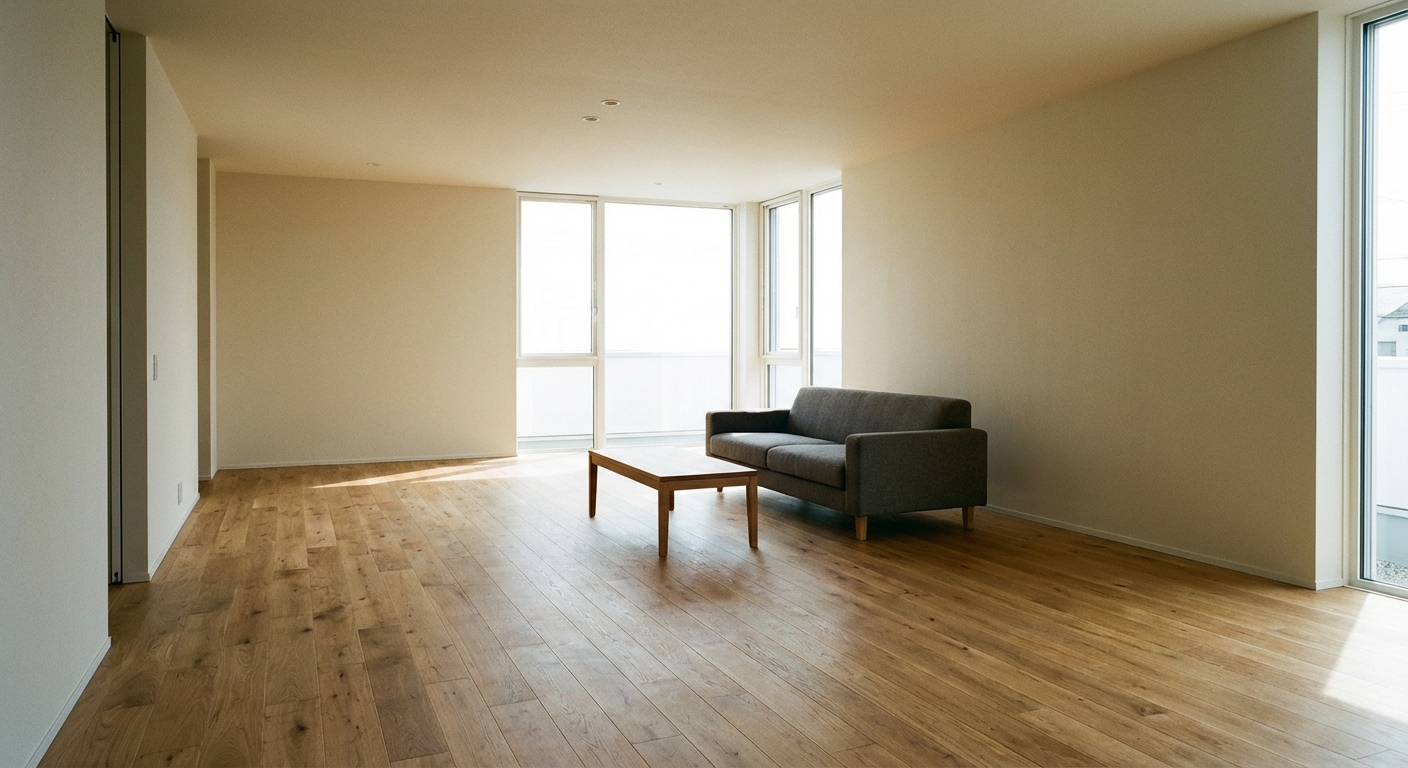
Upload your room photo in the app to see your real transformation
Why It Works
Wool is the gold standard of interior textiles because it combines beauty with performance in a way no synthetic fiber can match. Wool rugs are naturally stain-resistant (lanolin repels liquids), flame-retardant, and incredibly resilient — the fibers spring back from compression, maintaining appearance for decades. Acoustically, wool absorbs sound, reducing echo in hard-surfaced rooms. The natural warmth and softness underfoot transform cold tile or hardwood into inviting surfaces, while the visual texture of wool grounds floating furniture arrangements.
Best for
- people ready to test options on a real photo before buying
- anyone planning a real living room where conversation distance, TV glare, and traffic past the sofa matter more than Pinterest perfection
- projects already thinking about tile, rug, bed and needing a coherent layout
Skip if
- you will not address conversation distance and only want a filter look
- you refuse to remove anything and only add decor
Common mistakes
People pin wool living room ideas and then shopping object-by-object with no envelope decision. Details like tile, rug, bed only work if the plan respects conversation distance, TV glare, and traffic past the sofa. Another miss: pushing every seat against the walls and calling the empty middle “open”.
Decide this first
fix the primary seating pair and one clear path before decorative chairs. Lock a coherent material story instead of random catalog picks as a short list, then use Intero on a real photo so scale and light are honest before you spend.
How to Achieve This Look
Choose rug size generously — the most common mistake is buying too small. In living rooms, all front legs of major furniture should rest on the rug. In bedrooms, a large rug should extend at least 18 inches beyond the sides and foot of the bed. For high-traffic areas, flatweave or low-pile wool rugs are more practical than plush shag. Neutral wool rugs (cream, gray, natural) serve as a foundation; patterned wool rugs (Moroccan, Persian, geometric) become focal points. Layer wool throws on sofas and beds for additional warmth and visual richness.
Intero lets you preview wool rugs in your room at different sizes, colors, and patterns. Upload a photo and see how a large neutral wool rug unifies your living room, or how a patterned Moroccan wool rug adds personality — making sure the size and color work before a major purchase.
Frequently Asked Questions
Q1 Are wool rugs good for homes with pets and kids?
Wool rugs are among the best choices for families. The natural lanolin in wool repels liquids, giving you time to blot spills before they set. Wool fibers are resilient and bounce back from foot traffic and furniture indentation. For homes with heavy use, choose a lower pile height and darker color palette. Vacuum regularly and professional-clean annually for best results.
Q2 What is the difference between hand-knotted and hand-tufted wool rugs?
Hand-knotted rugs are made by individually tying each knot to a foundation, taking months to years to complete. They are the highest quality and last generations (50-100+ years). Hand-tufted rugs use a tufting gun to push yarn through a canvas backing — they are faster to produce, less expensive, and last 10-20 years. Machine-made wool rugs are the most affordable but least durable.
Q3 How do I size a rug correctly for my living room?
The most common sizing guideline: in a living room, choose a rug where at least the front legs of all major seating rest on it (typically 8x10 or 9x12 for standard rooms). Leave 12-18 inches of bare floor between the rug edge and walls. Under a dining table, the rug should extend at least 24 inches beyond the table edges so chairs remain on the rug when pushed back.
Related searches
These are the next pages people usually open while narrowing this design direction.
You Might Also Like
Ready to See This Style in Your Room?
Download Intero and preview this design on your own room photo.
No credit card. No signup. Just results.
Scan to download
Point your phone camera at a code

