The Warm Neutral Palette That Makes Any Room Feel Like Home
Cream, taupe, caramel, and warm gray create a foundation that feels sophisticated and inviting without committing to a specific style. This is the palette designers return to again and again.
$
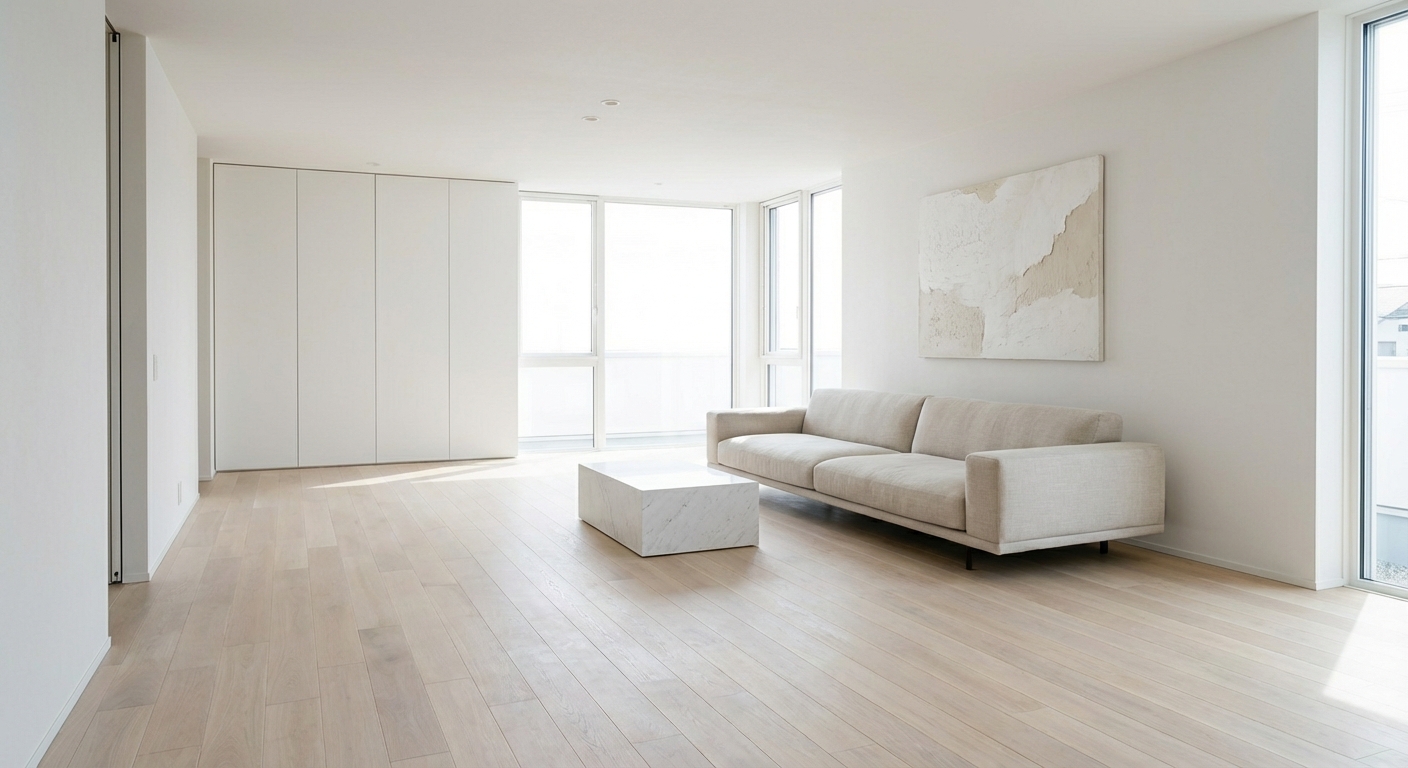
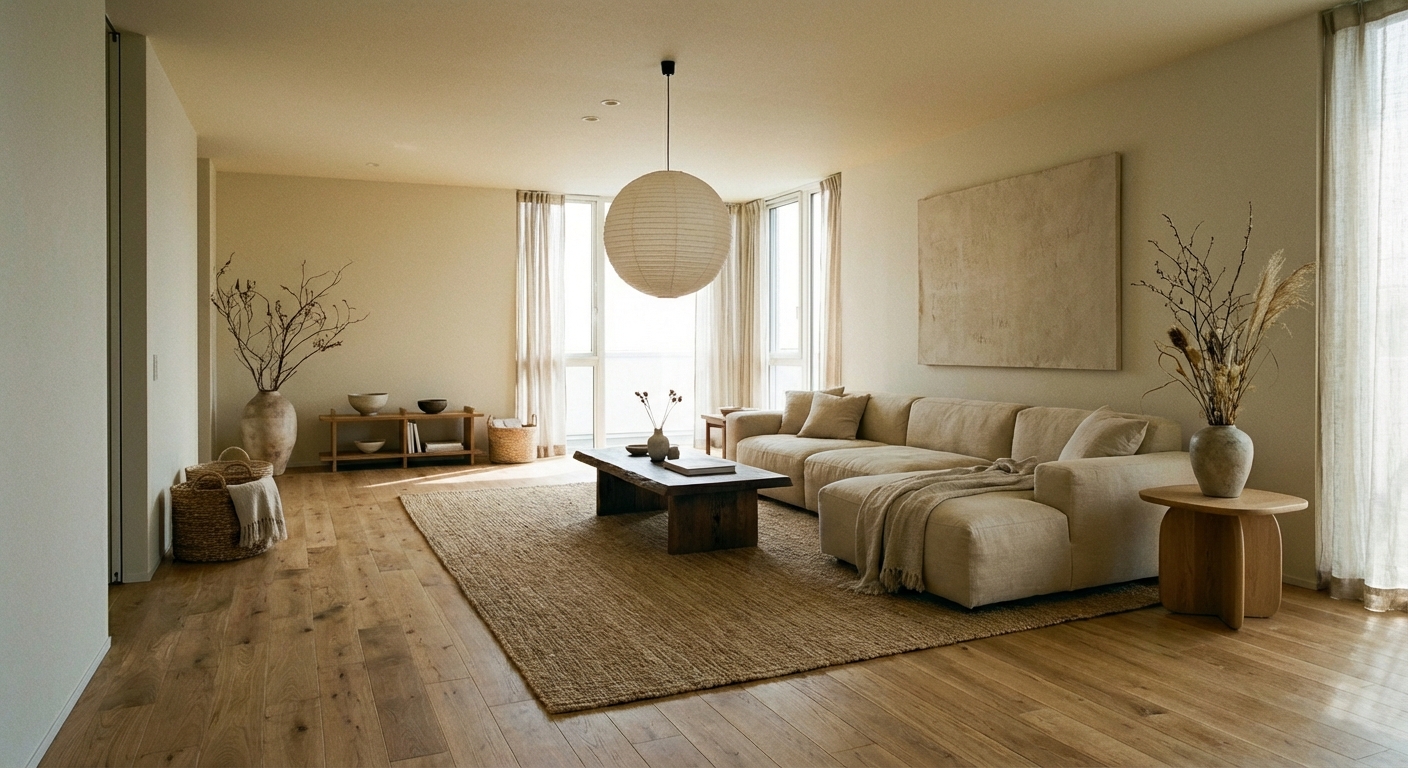
Mira la Transformación
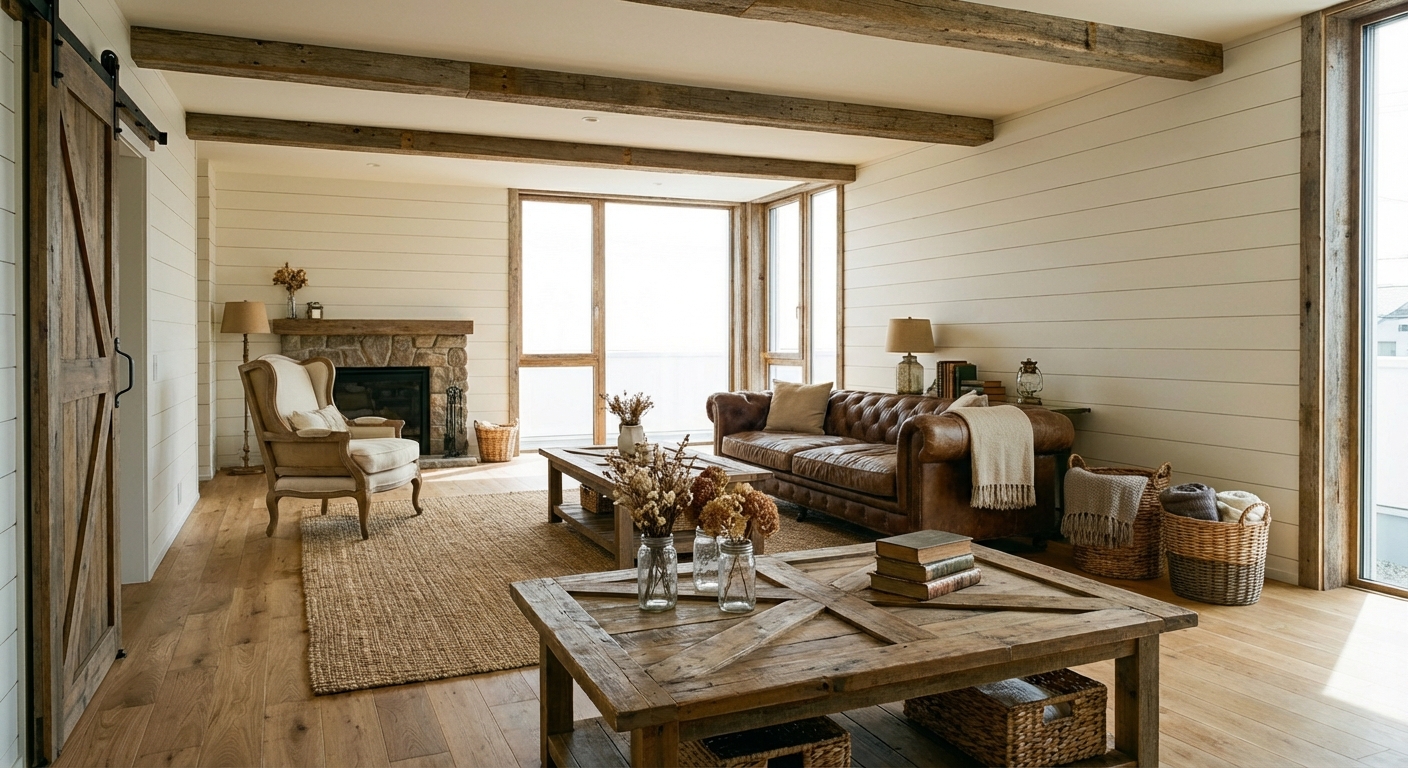
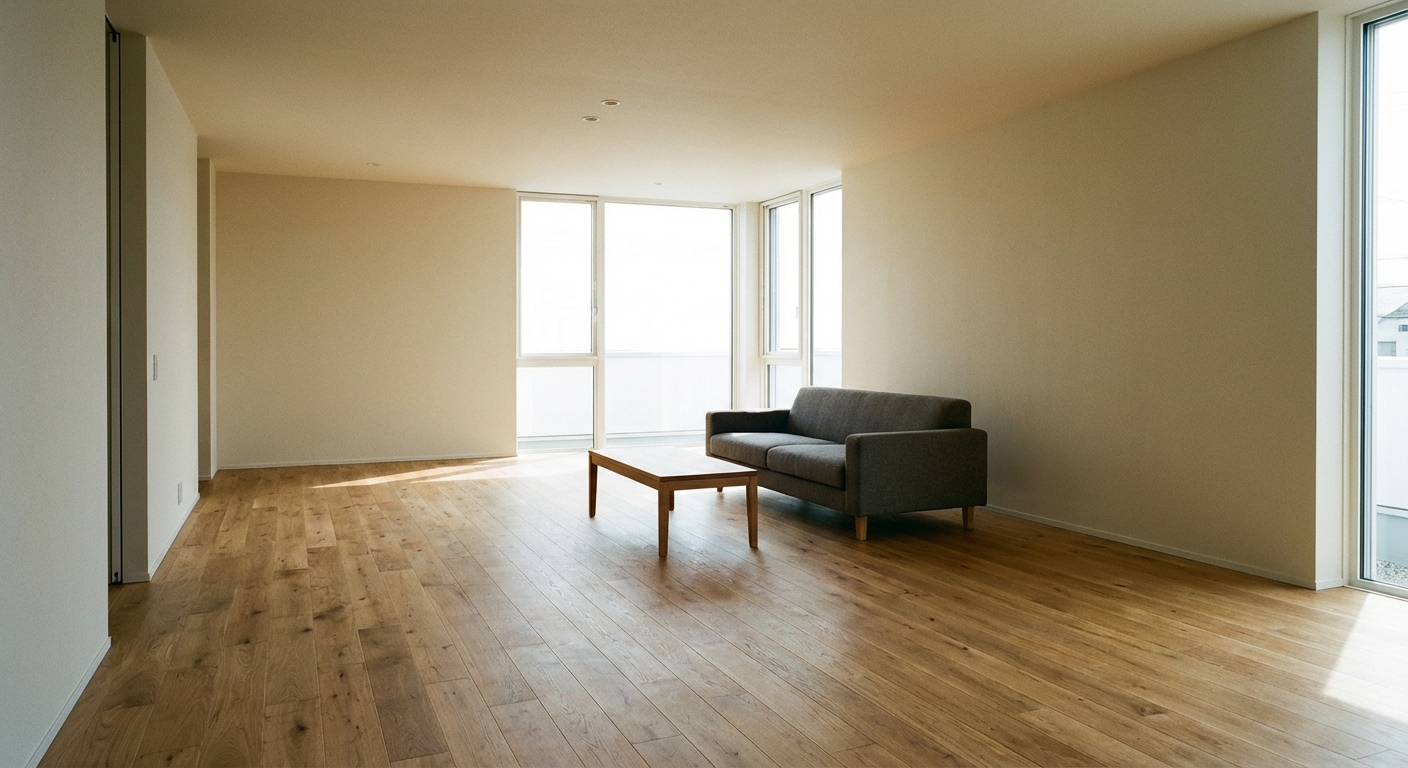
Sube la foto de tu habitación en la app para ver tu transformación real
Paleta de Colores
Por Qué Funciona
Warm neutrals succeed because they replicate the colors found in natural materials — sand, stone, wood, and clay — which the human eye finds inherently comforting. Color psychology research shows that warm tones promote feelings of safety and relaxation, which is why they are the default palette for hospitality design. The 60-30-10 rule applies naturally: 60% warm white or cream on walls and large surfaces, 30% medium tones like taupe or caramel on furniture and rugs, and 10% darker accents in chocolate or warm charcoal. This palette is also forgiving — warm neutrals coordinate with virtually any accent color, making it easy to refresh a room with new textiles without repainting.
Cómo Lograr Este Estilo
- 1
Choose a warm white with yellow or pink undertones for walls
- 2
Layer at least three different neutral tones from light to dark
- 3
Add texture through linen, wool, and natural wood to prevent flatness
- 4
Use brass or gold hardware to reinforce the warm tone
- 5
Ground the room with a darker neutral on the floor or large rug
- 6
Add one cream or ivory accent piece to brighten the palette
Test warm neutrals against your fixed elements — countertops, flooring, trim — in both daylight and evening light before committing.
Pruébalo con IA
Warm neutrals look dramatically different depending on your room natural light. Layoutly AI shows you exactly how cream, taupe, and caramel tones would look in your specific space at different times of day, helping you choose the right undertones before committing to paint and furniture.
Preguntas Frecuentes
How do I keep a warm neutral room from looking boring?
Texture is the key. Vary surfaces — smooth leather, rough linen, woven jute, soft boucle, matte ceramic — so the eye stays engaged even without color contrast. Adding one or two organic elements like a plant or a piece of driftwood also prevents flatness.
What accent colors work with warm neutrals?
Nearly everything. For a classic look, add terracotta or rust. For freshness, introduce sage green or dusty blue. For drama, use black or deep charcoal. Warm neutrals are the most versatile foundation in interior design.
Which warm neutral paint color is most popular?
Benjamin Moore White Dove, Sherwin-Williams Accessible Beige, and Farrow & Ball Skimming Stone are consistently top choices. The right pick depends on your light — test samples on the wall and observe them at different times of day.
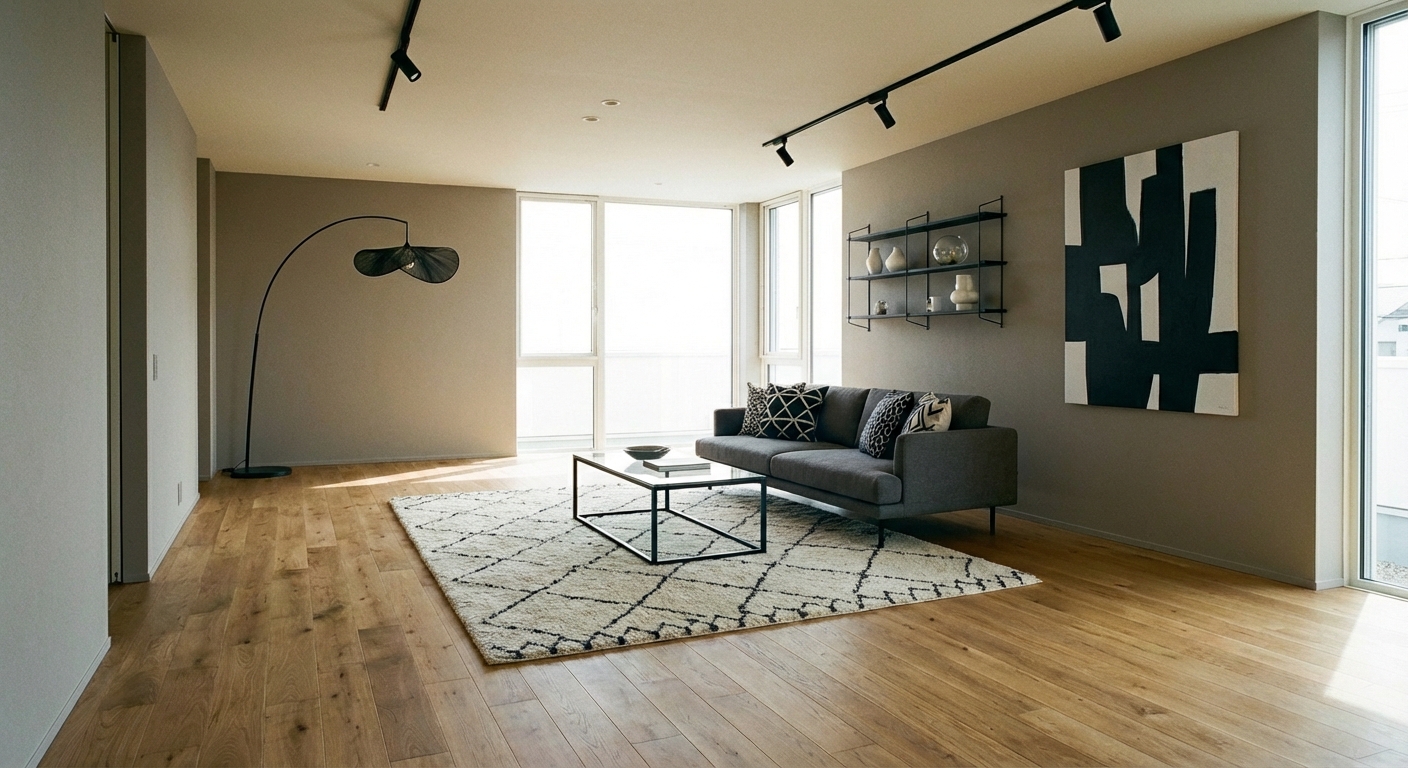
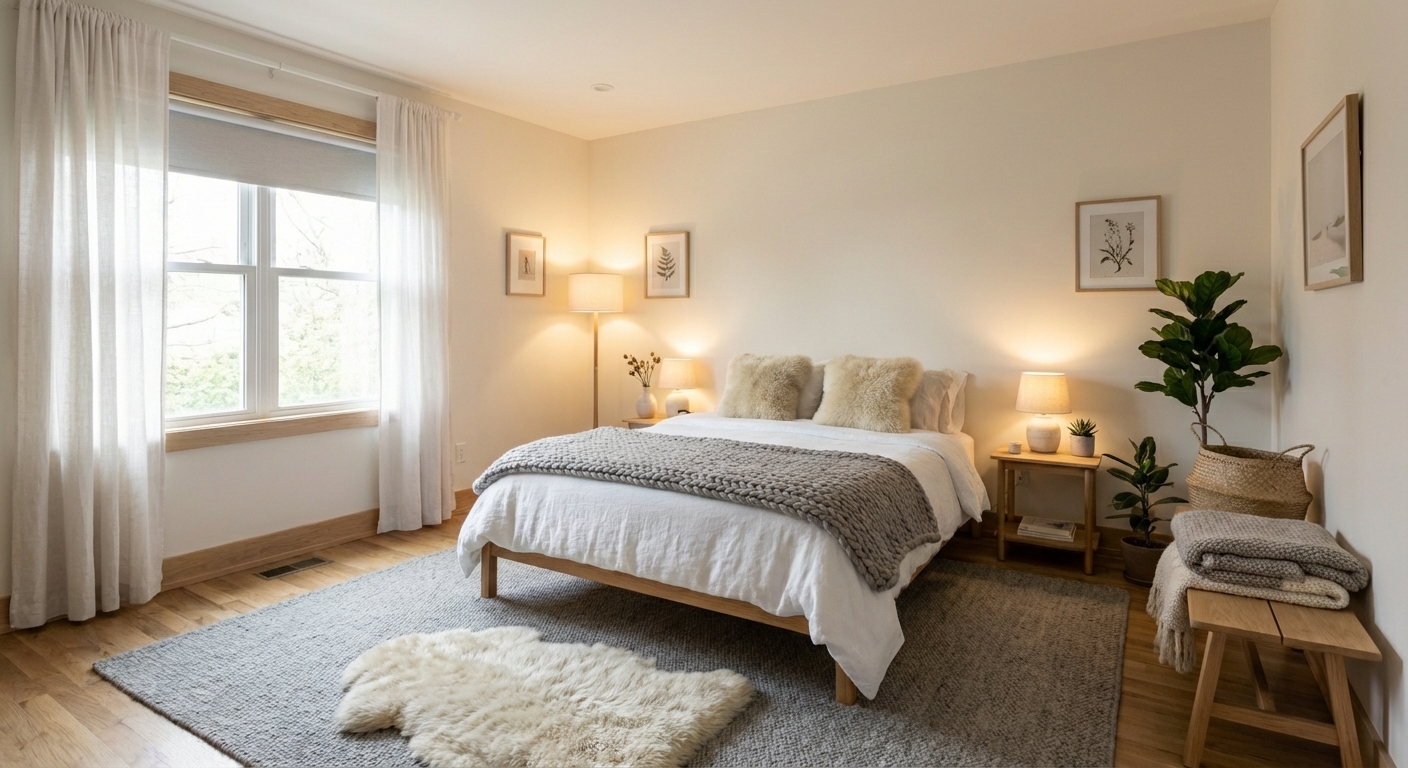
¿Listo para Transformar Tu Habitación?
Descarga Layoutly y visualiza este diseño en tu espacio en segundos.