Design a Quieter Room Without a Full Renovation
Noise is a design problem, not just a construction one. Soft materials, strategic furniture placement, and acoustic panels can dramatically reduce sound in any room.
$$
Voyez la Transformation
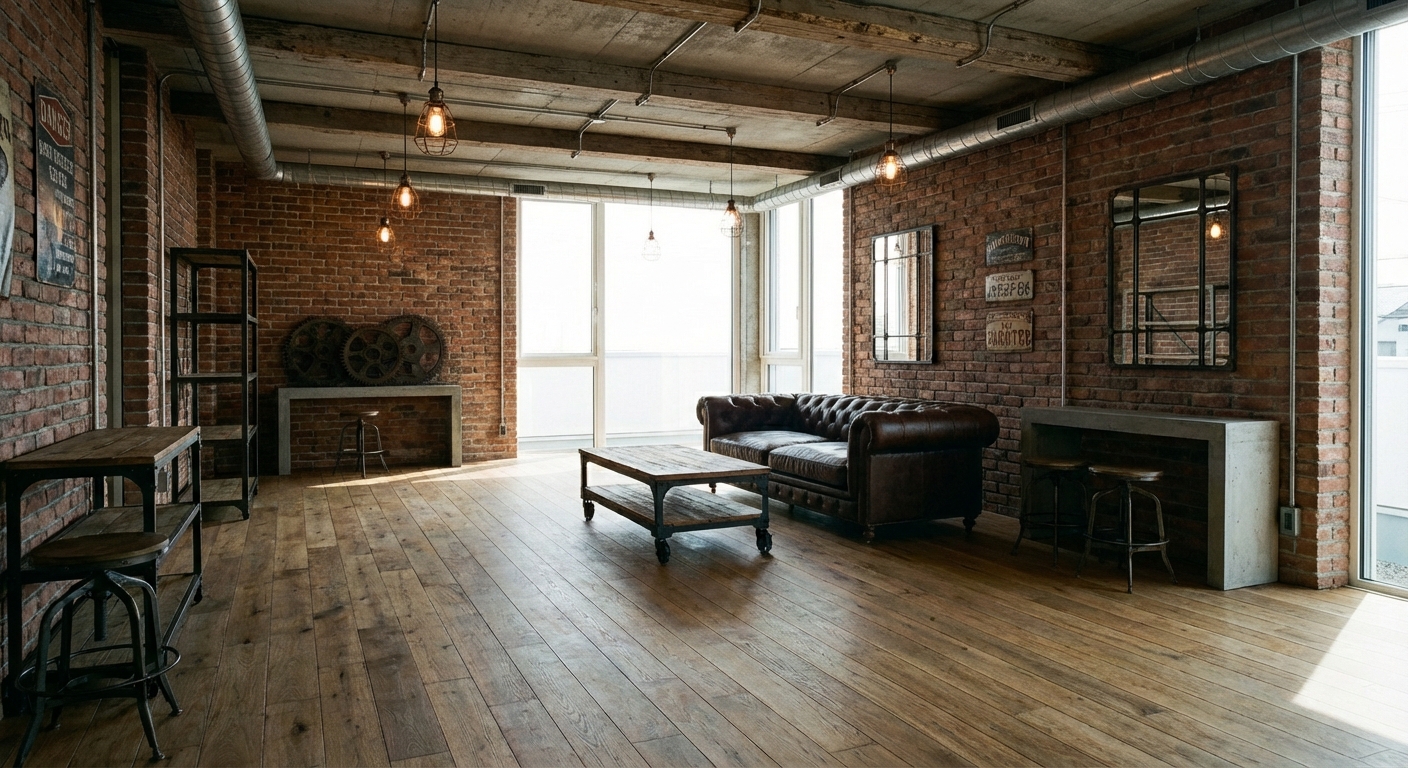
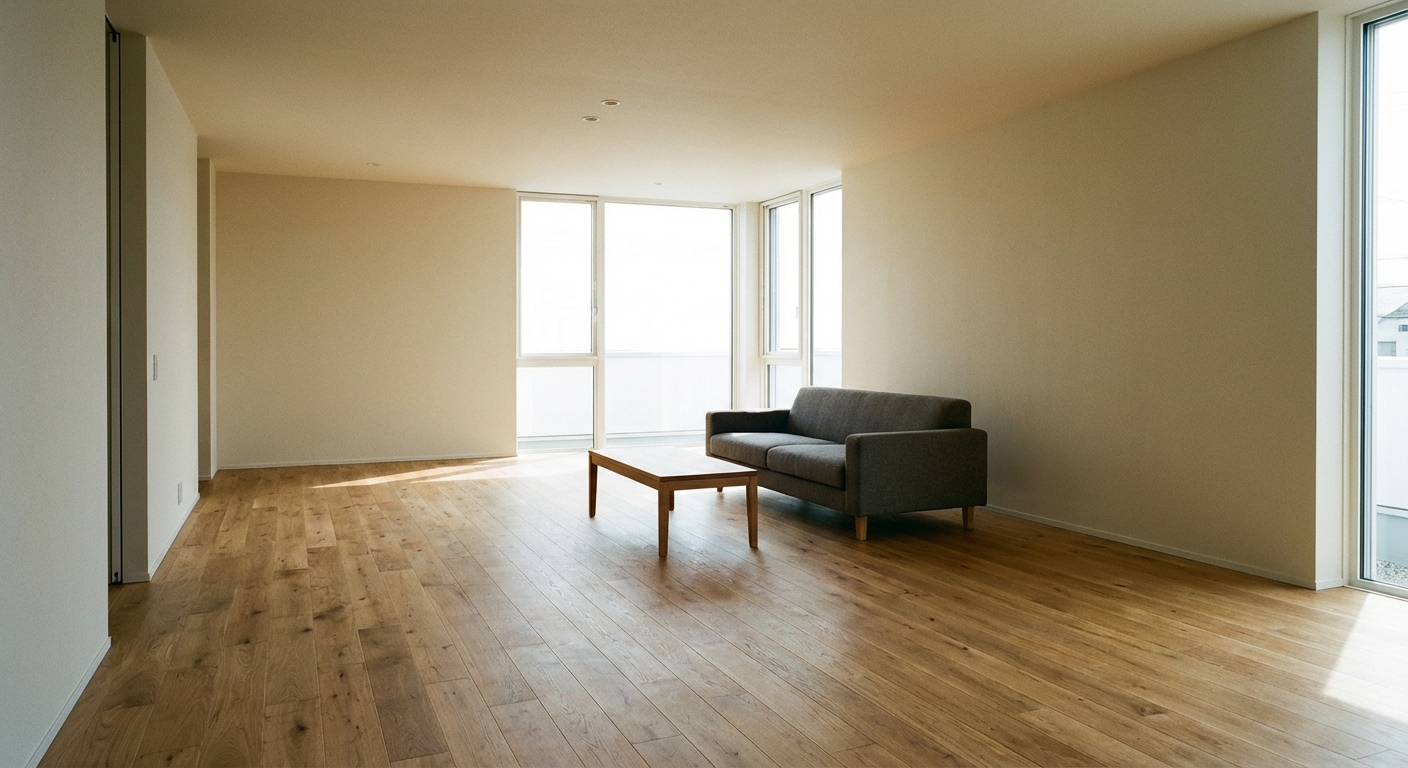
Téléchargez la photo de votre pièce dans l'app pour voir votre vraie transformation
Palette de Couleurs
Pourquoi Ça Marche
Sound behaves predictably in rooms: hard surfaces reflect it, soft surfaces absorb it, and mass blocks it. Most noisy rooms are dominated by hard, reflective surfaces — bare walls, hardwood floors, glass windows, and minimal textiles. Adding soft, porous materials at key reflection points dramatically reduces echo and perceived noise. Heavy curtains at windows block exterior sound. A bookshelf filled with books acts as an irregular surface that diffuses sound rather than bouncing it. The result is a room that feels calmer even before you address the sound source.
Comment Obtenir Ce Style
- 1
Add heavy, floor-to-ceiling curtains on all windows
- 2
Install thick pile carpet or a dense area rug with a pad underneath
- 3
Mount decorative acoustic panels on the largest bare wall
- 4
Choose upholstered furniture over hard wood or metal frames
- 5
Add a large bookshelf filled with books as a natural sound barrier
- 6
Use draft stoppers under doors and seal gaps around windows
Every hard, flat surface in a room bounces sound — replace one hard surface with a soft one and you will immediately hear the difference.
Essayez avec l'IA
Layoutly AI lets you preview how adding rugs, curtains, upholstered furniture, and acoustic panels would change the look of your room. Upload a photo and test noise-reducing design changes to ensure they improve acoustics without compromising your aesthetic.
Questions Fréquentes
What is the cheapest way to soundproof a room?
A thick area rug with a dense pad ($100-$300) and heavy curtains ($50-$150 per window) provide the most noise reduction per dollar. Rearranging bookshelves to shared walls and adding throw pillows to furniture also help at no extra cost.
Do acoustic panels look good in a home?
Modern acoustic panels come in fabric-wrapped designs, wood slat styles, and even custom-printed art panels that double as wall decor. They no longer look like recording studios — many are indistinguishable from regular wall art.
How much noise can design changes actually reduce?
Soft furnishings and textiles can reduce echo and reverberation by 50-70%, making conversation clearer and reducing perceived loudness. For blocking external noise (traffic, neighbors), heavy curtains and furniture against shared walls can reduce transmission by 5-10 decibels.
Prêt à Transformer Votre Pièce ?
Téléchargez Layoutly et visualisez ce design dans votre espace en quelques secondes.