Design a Quieter Room Without a Full Renovation
Noise is a design problem, not just a construction one. Soft materials, strategic furniture placement, and acoustic panels can dramatically reduce sound in any room.
What is Sound-Proofing & Noise Reduction Room Design?
Noise is a design problem, not just a construction one. Soft materials, strategic furniture placement, and acoustic panels can dramatically reduce sound in any room.
2/4
See the Transformation

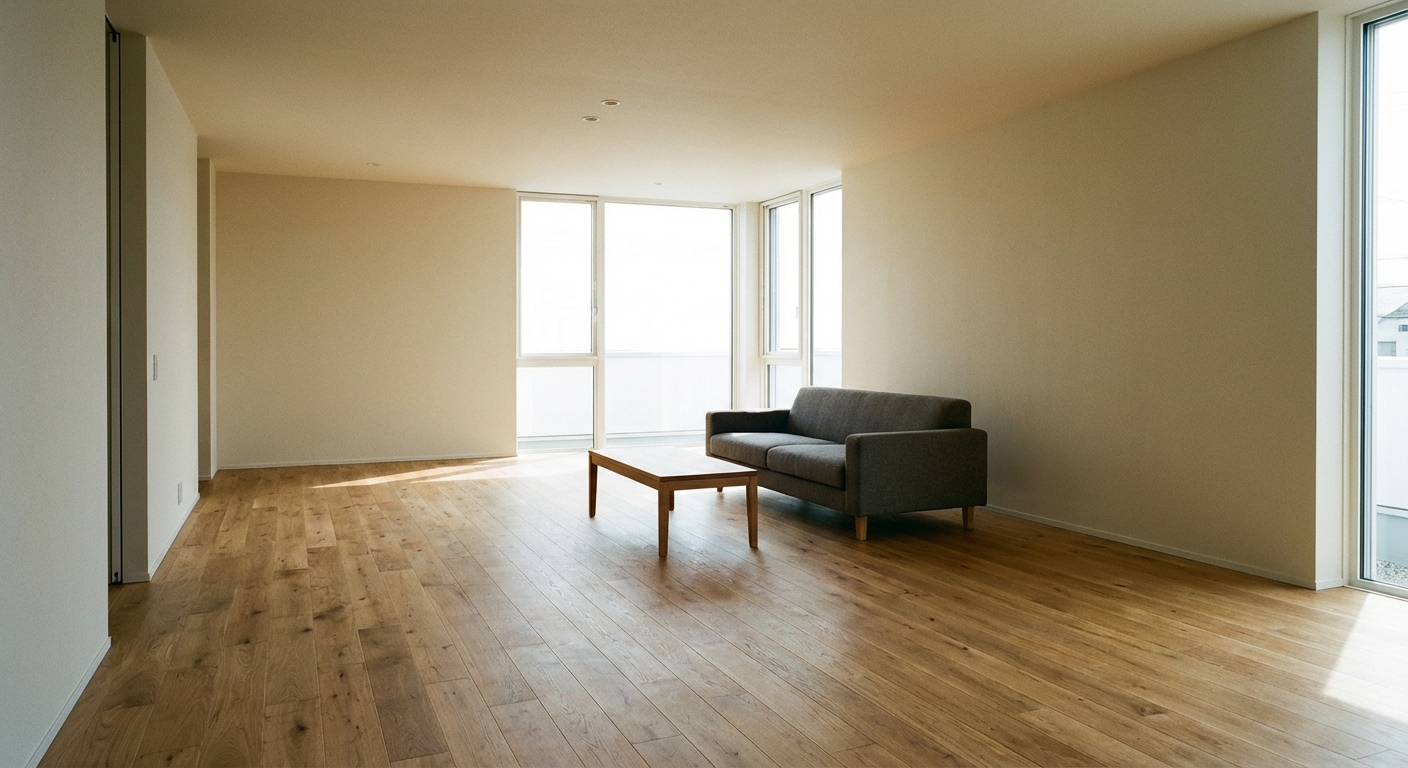
Upload your room photo in the app to see your real transformation
Color Palette
Click any color to copy hex code
Why It Works
Sound behaves predictably in rooms: hard surfaces reflect it, soft surfaces absorb it, and mass blocks it. Most noisy rooms are dominated by hard, reflective surfaces — bare walls, hardwood floors, glass windows, and minimal textiles. Adding soft, porous materials at key reflection points dramatically reduces echo and perceived noise. Heavy curtains at windows block exterior sound. A bookshelf filled with books acts as an irregular surface that diffuses sound rather than bouncing it. The result is a room that feels calmer even before you address the sound source.
Best for
- people ready to test options on a real photo before buying
- anyone planning a real living room where conversation distance, TV glare, and traffic past the sofa matter more than Pinterest perfection
- projects already thinking about curtains, rug and needing a coherent layout
Skip if
- you will not address conversation distance and only want a filter look
- you need the room finished tomorrow with zero test fits
Common mistakes
The usual sound-proofing living room miss is shopping object-by-object with no envelope decision. Details like curtains, rug only work if the plan respects conversation distance, TV glare, and traffic past the sofa. Another miss: pushing every seat against the walls and calling the empty middle “open”.
Decide this first
fix the primary seating pair and one clear path before decorative chairs. Lock a coherent material story instead of random catalog picks as a short list, then use Intero on a real photo so scale and light are honest before you spend.
How to Achieve This Look
- 1
Add heavy, floor-to-ceiling curtains on all windows
- 2
Install thick pile carpet or a dense area rug with a pad underneath
- 3
Mount decorative acoustic panels on the largest bare wall
- 4
Choose upholstered furniture over hard wood or metal frames
- 5
Add a large bookshelf filled with books as a natural sound barrier
- 6
Use draft stoppers under doors and seal gaps around windows
Layout & materials
Start with the floor: add a thick, dense area rug with a quality pad underneath. Hang heavy, floor-length curtains on all windows — even if you keep them open for light, closing them blocks significant noise. Add upholstered furniture with soft fabric rather than leather or wood. Mount acoustic panels or thick textile art on walls opposite the primary noise source. Fill bookshelves with books (natural sound diffusers). If the noise source is a shared wall, place a large bookshelf or wardrobe against it for mass-based sound blocking.
Every hard, flat surface in a room bounces sound — replace one hard surface with a soft one and you will immediately hear the difference.
Intero AI lets you preview how adding rugs, curtains, upholstered furniture, and acoustic panels would change the look of your room. Upload a photo and test noise-reducing design changes to ensure they improve acoustics without compromising your aesthetic.
Frequently Asked Questions
Q1 What is the cheapest way to soundproof a room?
A thick area rug with a dense pad ($100-$300) and heavy curtains ($50-$150 per window) provide the most noise reduction per dollar. Rearranging bookshelves to shared walls and adding throw pillows to furniture also help at no extra cost.
Q2 Do acoustic panels look good in a home?
Modern acoustic panels come in fabric-wrapped designs, wood slat styles, and even custom-printed art panels that double as wall decor. They no longer look like recording studios — many are indistinguishable from regular wall art.
Q3 How much noise can design changes actually reduce?
Soft furnishings and textiles can reduce echo and reverberation by 50-70%, making conversation clearer and reducing perceived loudness. For blocking external noise (traffic, neighbors), heavy curtains and furniture against shared walls can reduce transmission by 5-10 decibels.
Related searches
These are the next pages people usually open while narrowing this design direction.
You Might Also Like
Ready to See This Style in Your Room?
Download Intero and preview this design on your own room photo.
No credit card. No signup. Just results.
Scan to download
Point your phone camera at a code

