$$
변신 미리보기
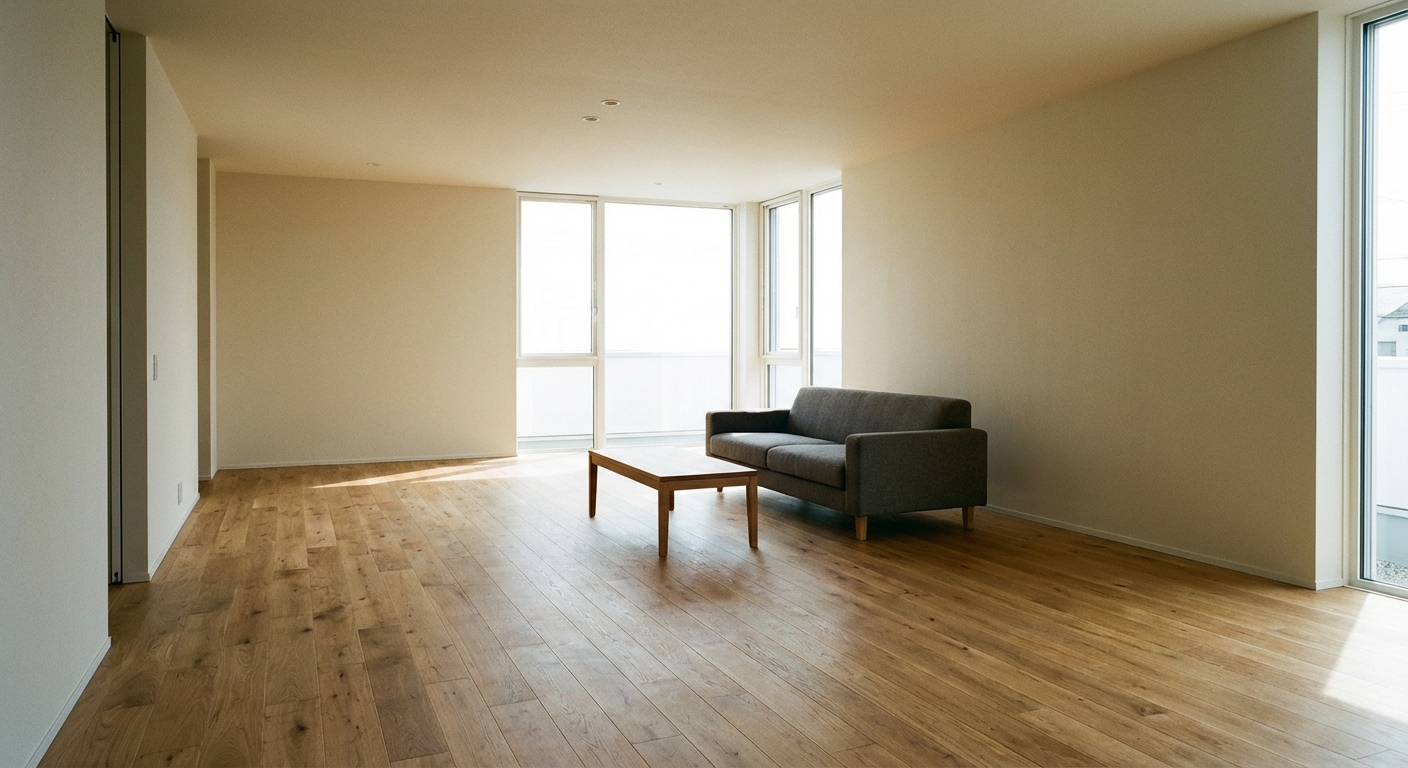
앱에서 방 사진을 업로드하여 실제 변신을 확인하세요
컬러 팔레트
왜 어울리는가
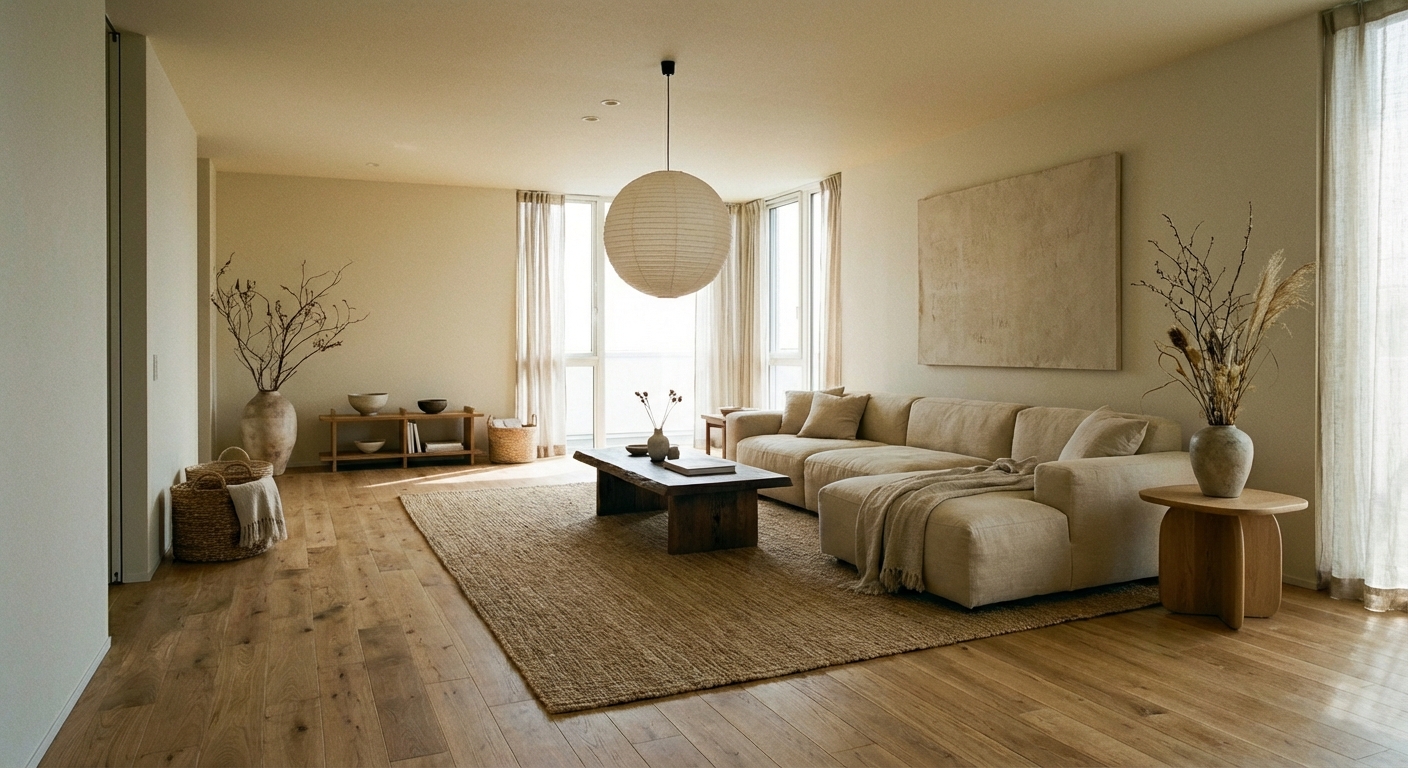
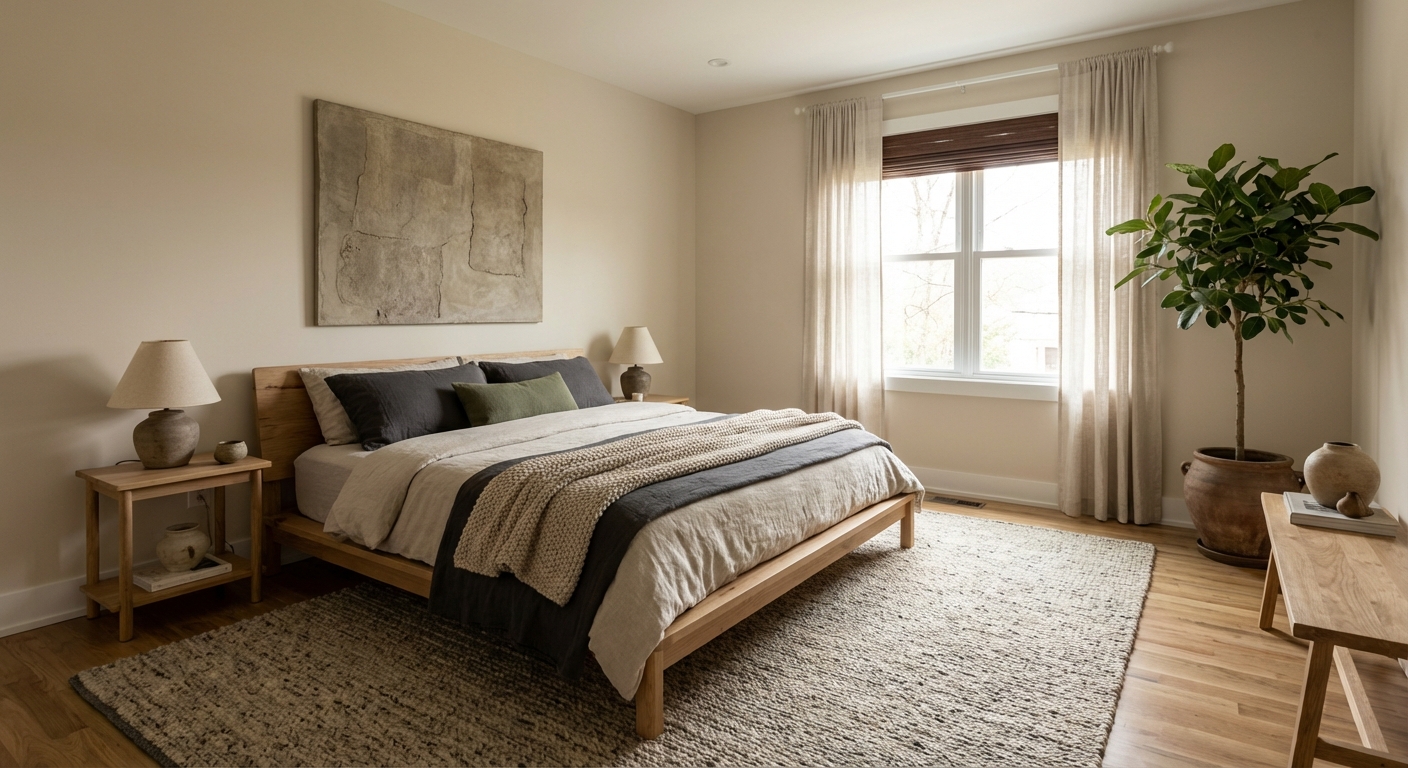
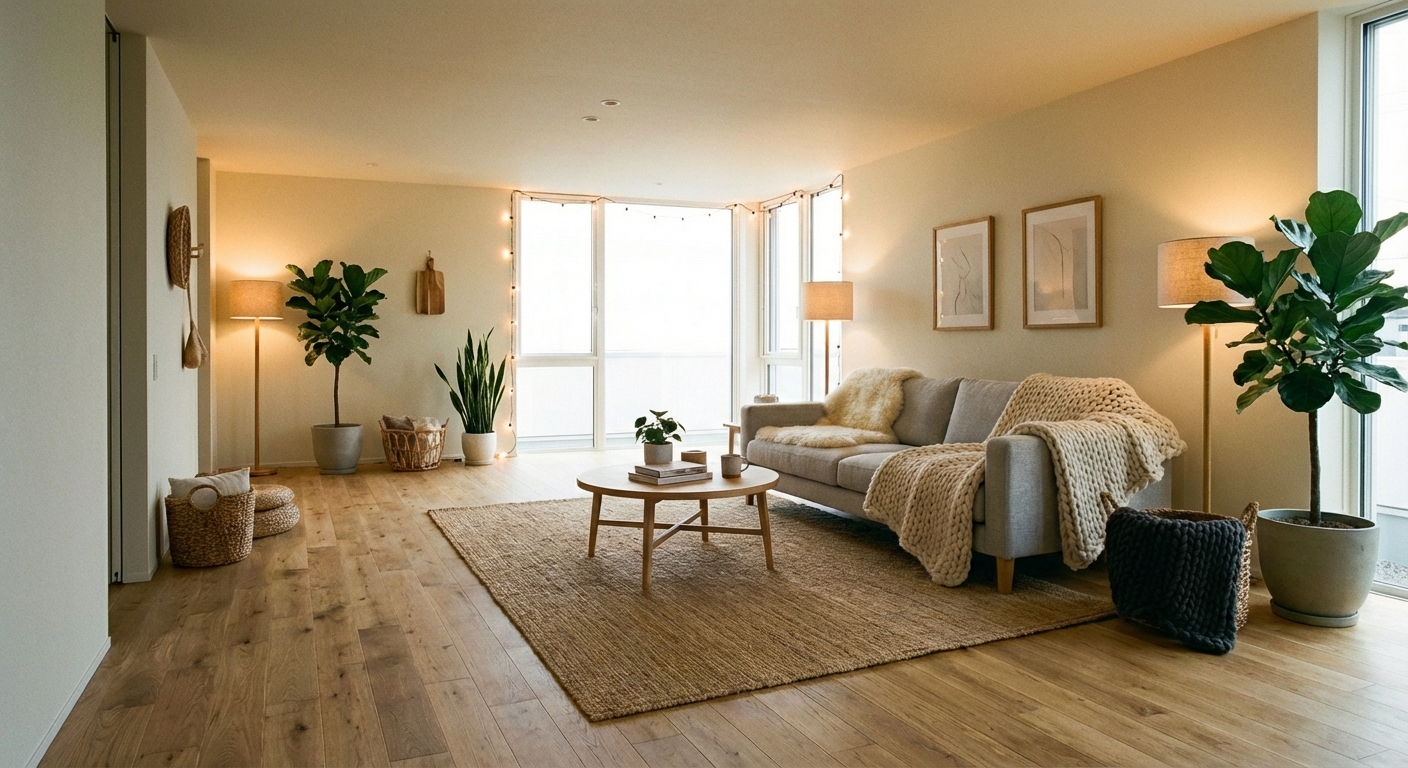
Both styles share a foundation of simplicity, natural materials, and functional design — but they diverge in warmth, color, and intentionality. Scandinavian design is warmer and more approachable: it layers cozy textiles (sheepskin, knit throws), embraces brighter whites, and uses more decorative objects. Japandi is more restrained and contemplative: it uses darker, earthier tones, fewer objects, and treats empty space as a design element in itself. Scandinavian rooms feel like a warm hug; Japandi rooms feel like a deep breath.
이 스타일을 실현하는 방법
- 1
Decide if you prefer bright airy spaces or warm muted ones
- 2
Scandinavian: use light birch wood and bright white walls
- 3
Japandi: use dark walnut and warm off-white walls
- 4
Scandinavian: layer cozy textiles generously
- 5
Japandi: use fewer textiles but choose handmade quality
- 6
Both: prioritize natural materials and functional simplicity
Scandinavian is about hygge comfort and bright whites; Japandi is about serene restraint and warm earth tones.
AI로 체험하기
Use Layoutly AI to preview both Scandinavian and Japandi versions of your room. The difference can be subtle in photos but significant in practice — AI visualization helps you identify which style emotional tone matches your personality and daily life.
자주 묻는 질문
Is Japandi just Scandinavian with Japanese elements?
Not exactly. Japandi is a distinct fusion that takes the warmth of Scandinavian design and the intentional restraint of Japanese wabi-sabi. The result emphasizes craftsmanship, natural imperfection, and meditative calm in a way that pure Scandinavian design does not.
Which is more budget-friendly?
Scandinavian design is generally more accessible due to widely available brands like IKEA. Japandi pieces tend to be higher-end, with an emphasis on handmade, artisanal quality. However, Japandi requires fewer items, so the total cost can balance out.
Which style works better in a small space?
Both work well in small spaces because they prioritize simplicity. Japandi may edge ahead due to its even more minimal approach to objects, which prevents small rooms from feeling cluttered.