Scandinavian vs Japandi — How Different Are They Really?
Japandi is born from Scandinavian and Japanese design, but the result is more than the sum of its parts. Here is how the two styles differ in practice.
What is Scandinavian vs Japandi: Which Style Is Right for You??
Japandi is born from Scandinavian and Japanese design, but the result is more than the sum of its parts. Here is how the two styles differ in practice.
2/4
See the Transformation
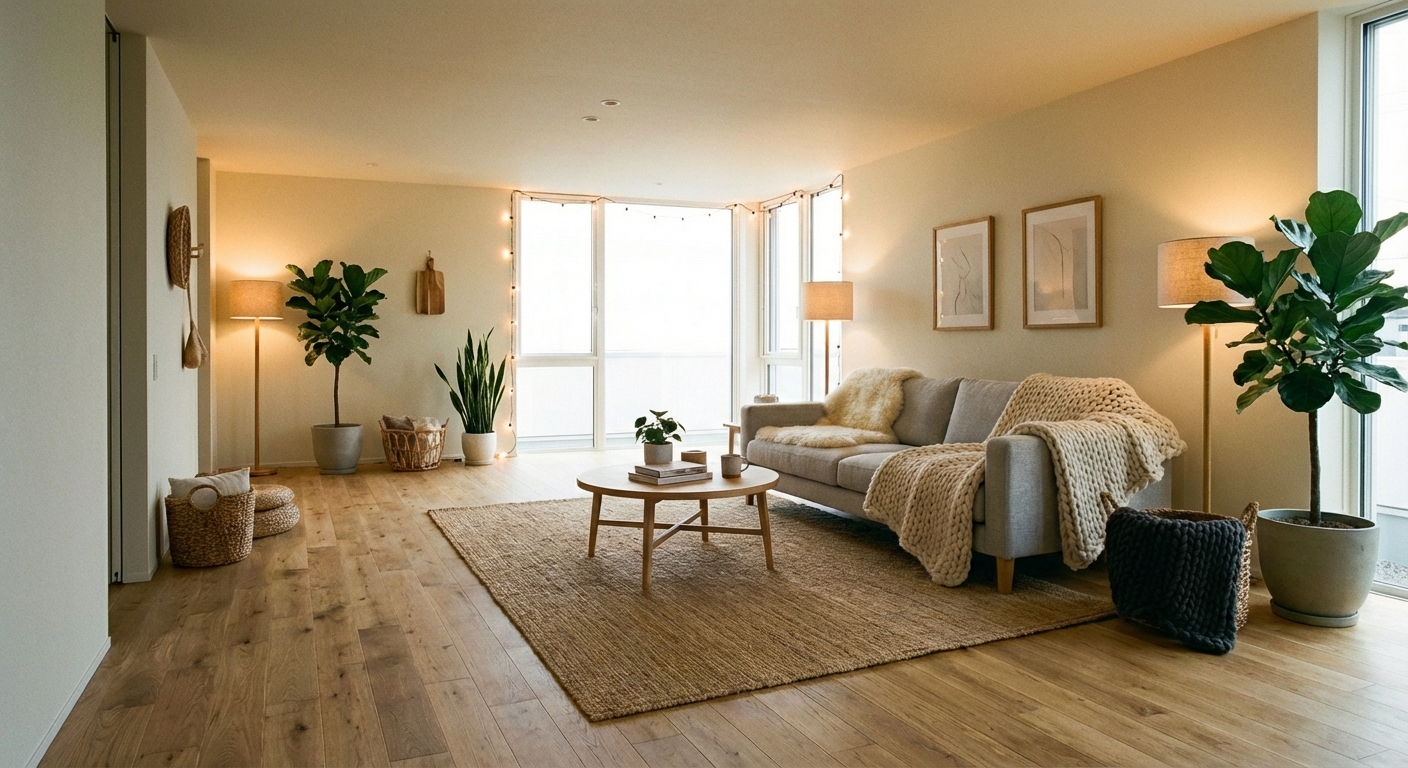
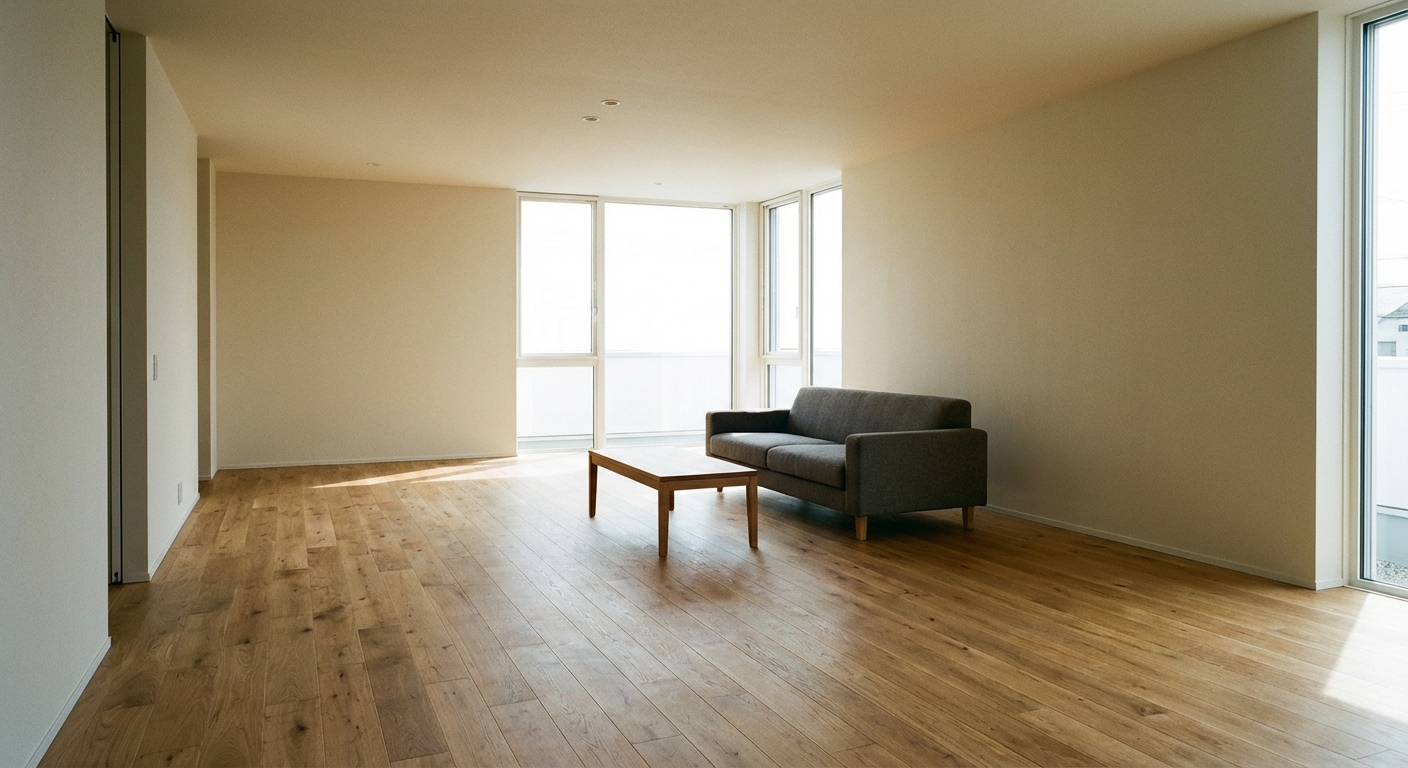
Upload your room photo in the app to see your real transformation
Color Palette
Click any color to copy hex code
Why It Works
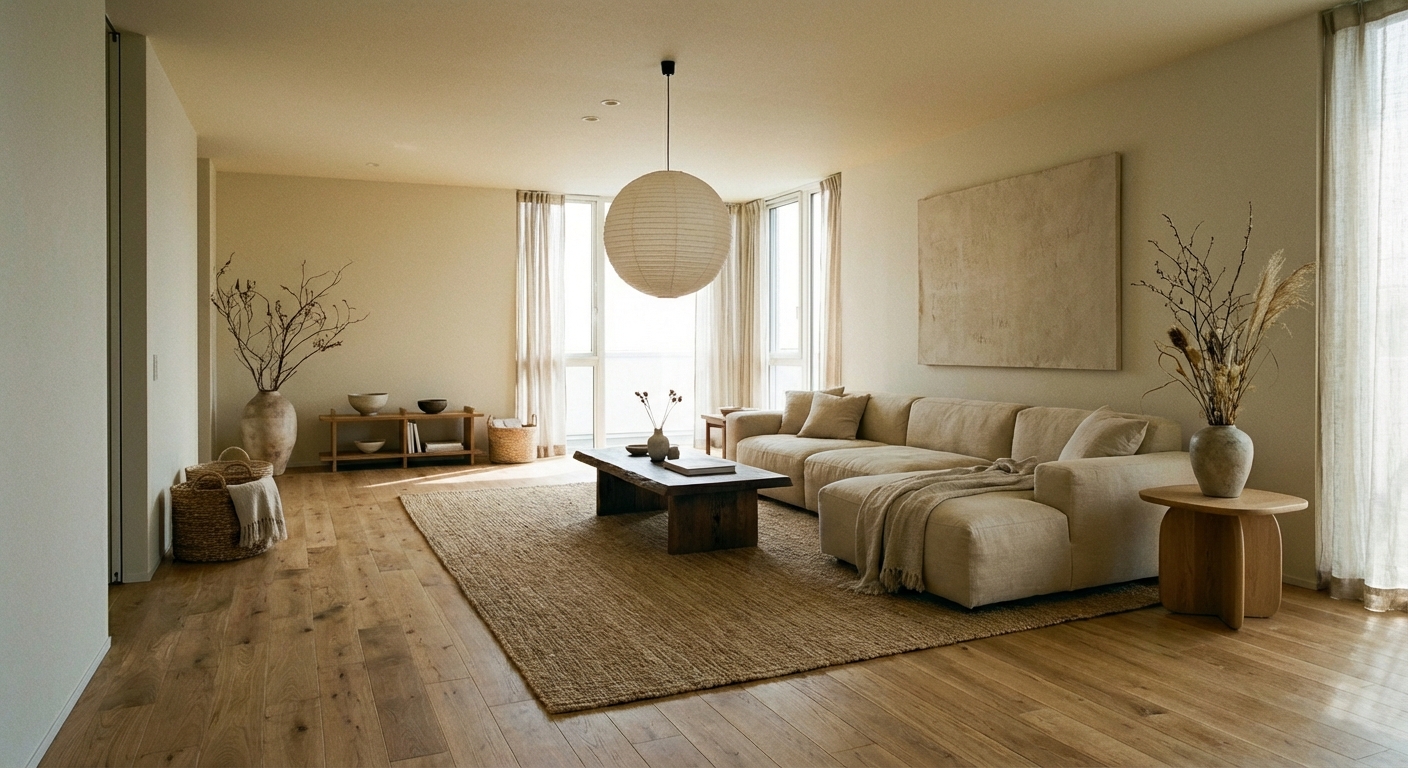
Both styles share a foundation of simplicity, natural materials, and functional design — but they diverge in warmth, color, and intentionality. Scandinavian design is warmer and more approachable: it layers cozy textiles (sheepskin, knit throws), embraces brighter whites, and uses more decorative objects. Japandi is more restrained and contemplative: it uses darker, earthier tones, fewer objects, and treats empty space as a design element in itself. Scandinavian rooms feel like a warm hug; Japandi rooms feel like a deep breath.
Best for
- small or dim rooms that need light and calm
- anyone planning a real living room where conversation distance, TV glare, and traffic past the sofa matter more than Pinterest perfection
- projects already thinking about oak, walnut and needing a coherent layout
Skip if
- you will not address conversation distance and only want a filter look
- you need the room finished tomorrow with zero test fits
Common mistakes
The usual Scandinavian living room miss is all-white sterility with no wood or textile warmth. Details like oak, walnut only work if the plan respects conversation distance, TV glare, and traffic past the sofa. Another miss: pushing every seat against the walls and calling the empty middle “open”.
Decide this first
fix the primary seating pair and one clear path before decorative chairs. Lock light wood, soft textiles, daylight bounce as a short list, then use Intero on a real photo so scale and light are honest before you spend.
How to Achieve This Look
- 1
Decide if you prefer bright airy spaces or warm muted ones
- 2
Scandinavian: use light birch wood and bright white walls
- 3
Japandi: use dark walnut and warm off-white walls
- 4
Scandinavian: layer cozy textiles generously
- 5
Japandi: use fewer textiles but choose handmade quality
- 6
Both: prioritize natural materials and functional simplicity
Layout & materials
For Scandinavian: use bright white walls, light wood (birch, pine), and layer cozy textiles. Add candles, plants, and a few decorative objects. The mood is cheerful and inviting. For Japandi: use warm off-white or earth-toned walls, darker woods (oak, walnut), and restrain accessories to one or two meaningful objects per surface. The mood is calm and contemplative. The key differentiator is quantity — Scandinavian allows for comfortable accumulation; Japandi requires editing down to essentials.
Scandinavian is about hygge comfort and bright whites; Japandi is about serene restraint and warm earth tones.
Use Intero AI to preview both Scandinavian and Japandi versions of your room. The difference can be subtle in photos but significant in practice — AI visualization helps you identify which style emotional tone matches your personality and daily life.
Frequently Asked Questions
Q1 Is Japandi just Scandinavian with Japanese elements?
Not exactly. Japandi is a distinct fusion that takes the warmth of Scandinavian design and the intentional restraint of Japanese wabi-sabi. The result emphasizes craftsmanship, natural imperfection, and meditative calm in a way that pure Scandinavian design does not.
Q2 Which is more budget-friendly?
Scandinavian design is generally more accessible due to widely available brands like IKEA. Japandi pieces tend to be higher-end, with an emphasis on handmade, artisanal quality. However, Japandi requires fewer items, so the total cost can balance out.
Q3 Which style works better in a small space?
Both work well in small spaces because they prioritize simplicity. Japandi may edge ahead due to its even more minimal approach to objects, which prevents small rooms from feeling cluttered.
Related searches
These are the next pages people usually open while narrowing this design direction.
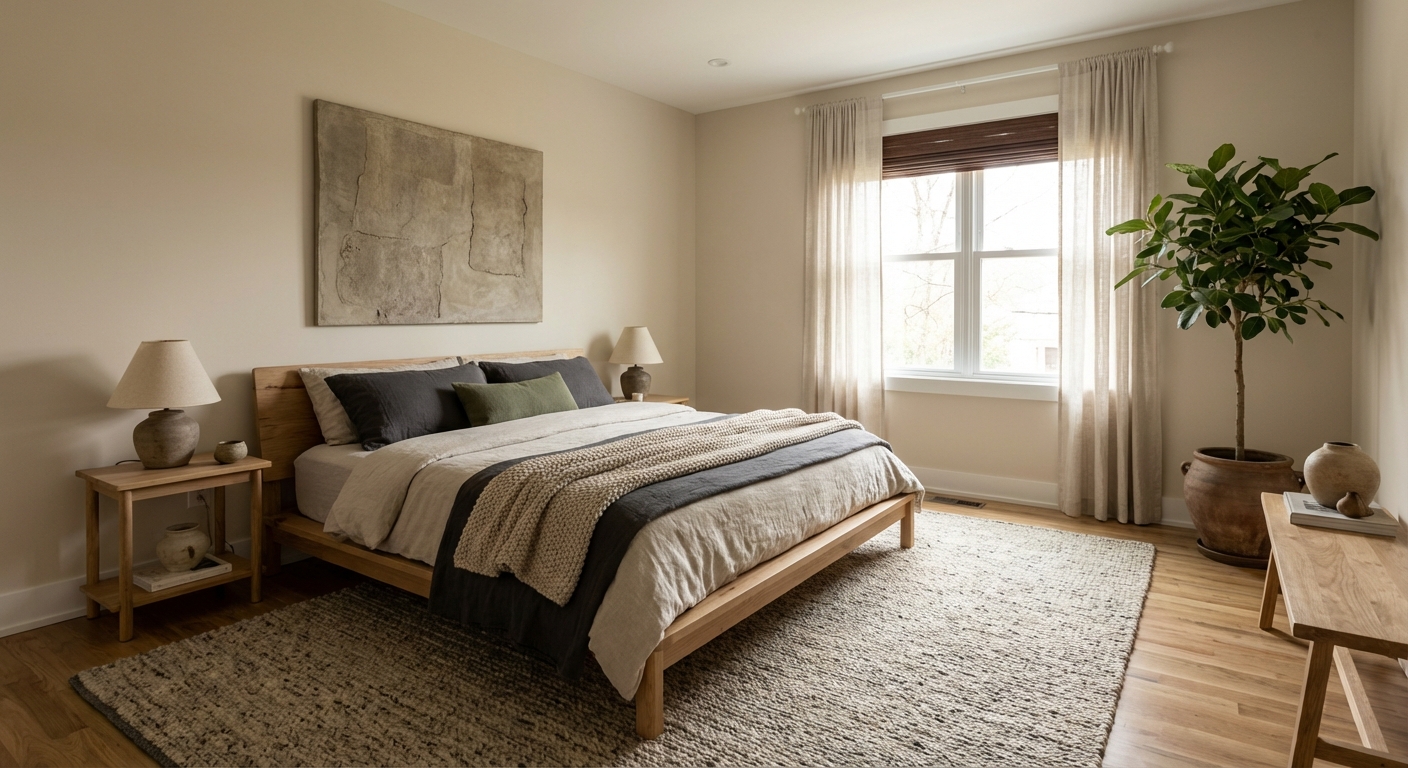
Design Guides You'll Love
Ready to See This Style in Your Room?
Download Intero and preview this design on your own room photo.
No credit card. No signup. Just results.
Scan to download
Point your phone camera at a code

