Bedroom Design Ideas That Actually Help You Sleep
The bedroom is the one room that needs to feel calm first and stylish second. A good bedroom balances visual weight, storage, and lighting so the space reads restful without feeling bare. Most bedrooms sit between 120 and 180 square feet, which means one oversized piece can throw off the whole room — bed scale, nightstand clearance, and wardrobe depth matter far more than paint color. The best bedrooms start by getting the bed placement right (ideally on the longest unbroken wall, with at least 24 inches of walk-around clearance), then layer in light at three heights: overhead for cleaning, bedside lamps or sconces for reading, and one low ambient source for winding down. Palette choices should stay muted — warm whites like Benjamin Moore White Dove, soft sage such as Farrow & Ball Mizzle, or dusty blues like Sherwin-Williams Sea Salt read calm across every lighting condition. These hubs focus on choices that hold up night after night, not just on launch day.
Get scale and softness right first. Bed placement, bedside clearance, and lamp height do more for a bedroom than any color trend.
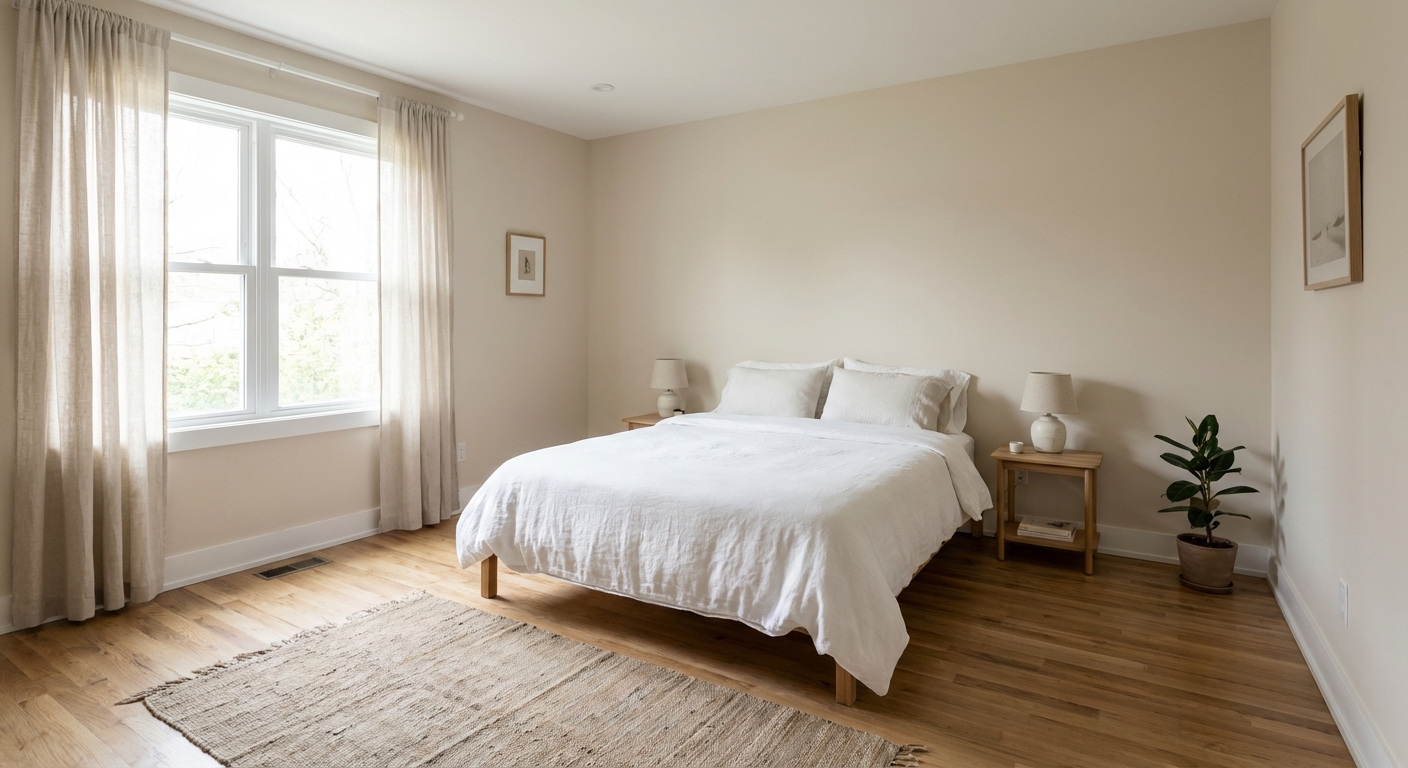
Key elements of a well-designed bedroom
- Bed scale and placement
- Layered lighting
- Calming palette
- Vertical storage
- Soft textiles
- Minimal visual noise
Most common bedroom mistakes
- Oversized bed that kills circulation
- Only overhead lighting, no bedside warmth
- Too many competing patterns
- Wall art hung too high above the headboard
Bedroom ideas by style
Pick the direction that fits before narrowing into a single design.
Modern · bedroom
See all modern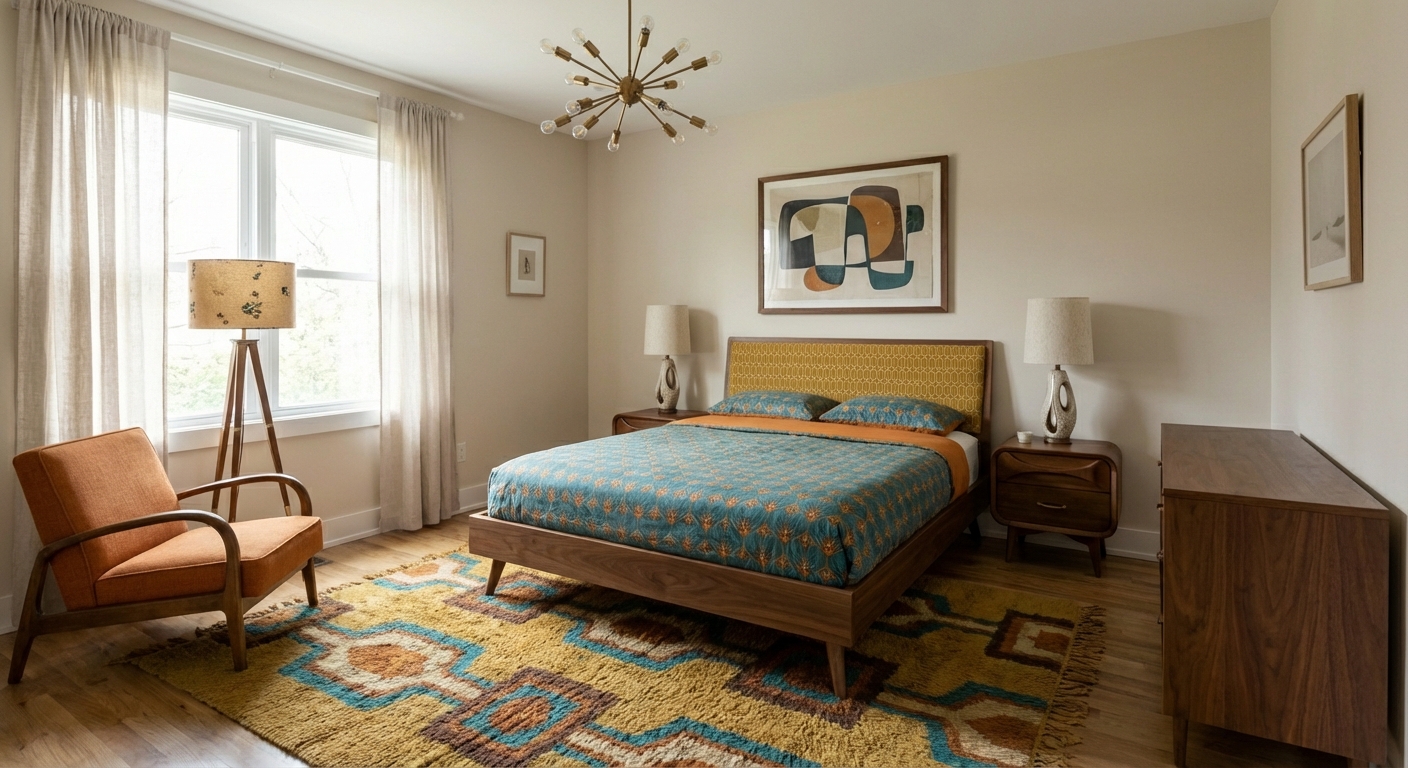
Minimalist · bedroom
See all minimalist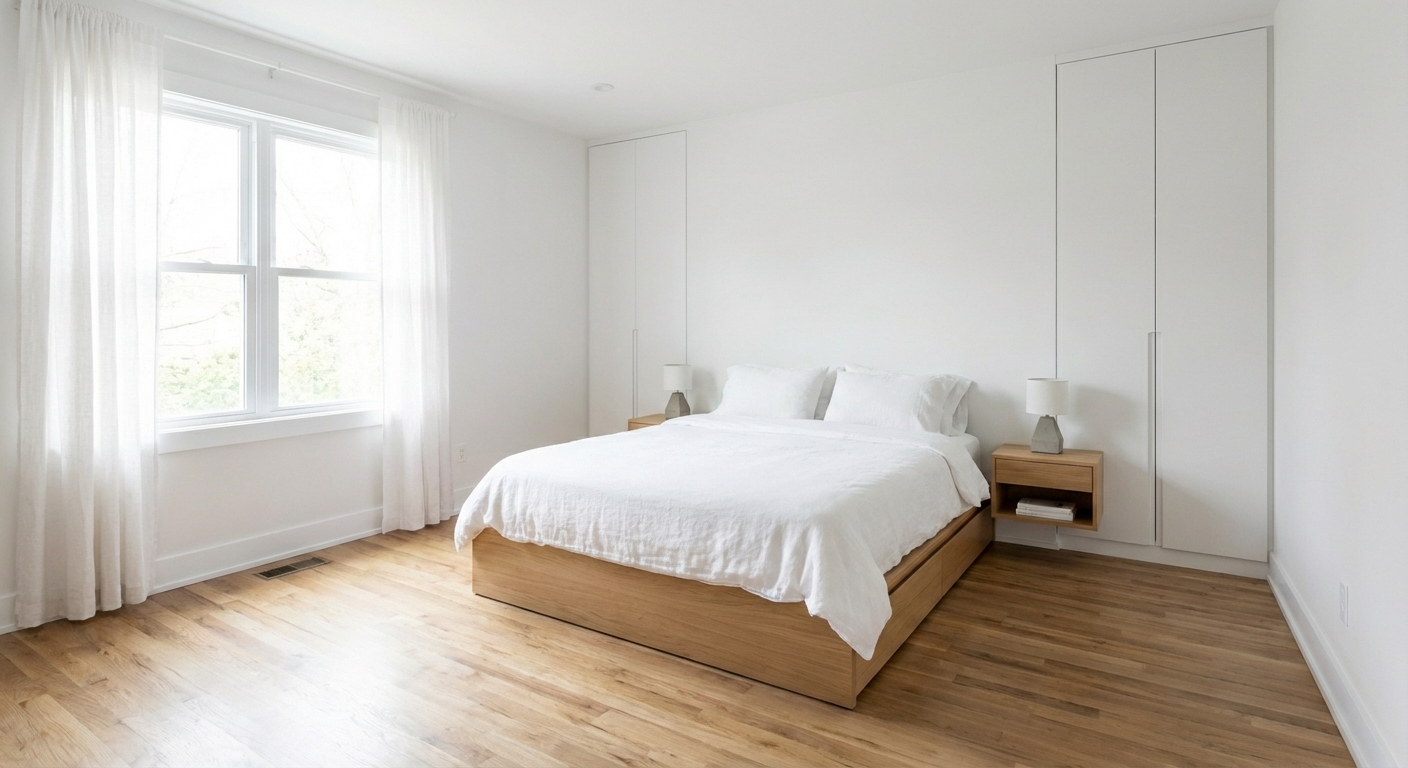
Scandinavian · bedroom
See all scandinavian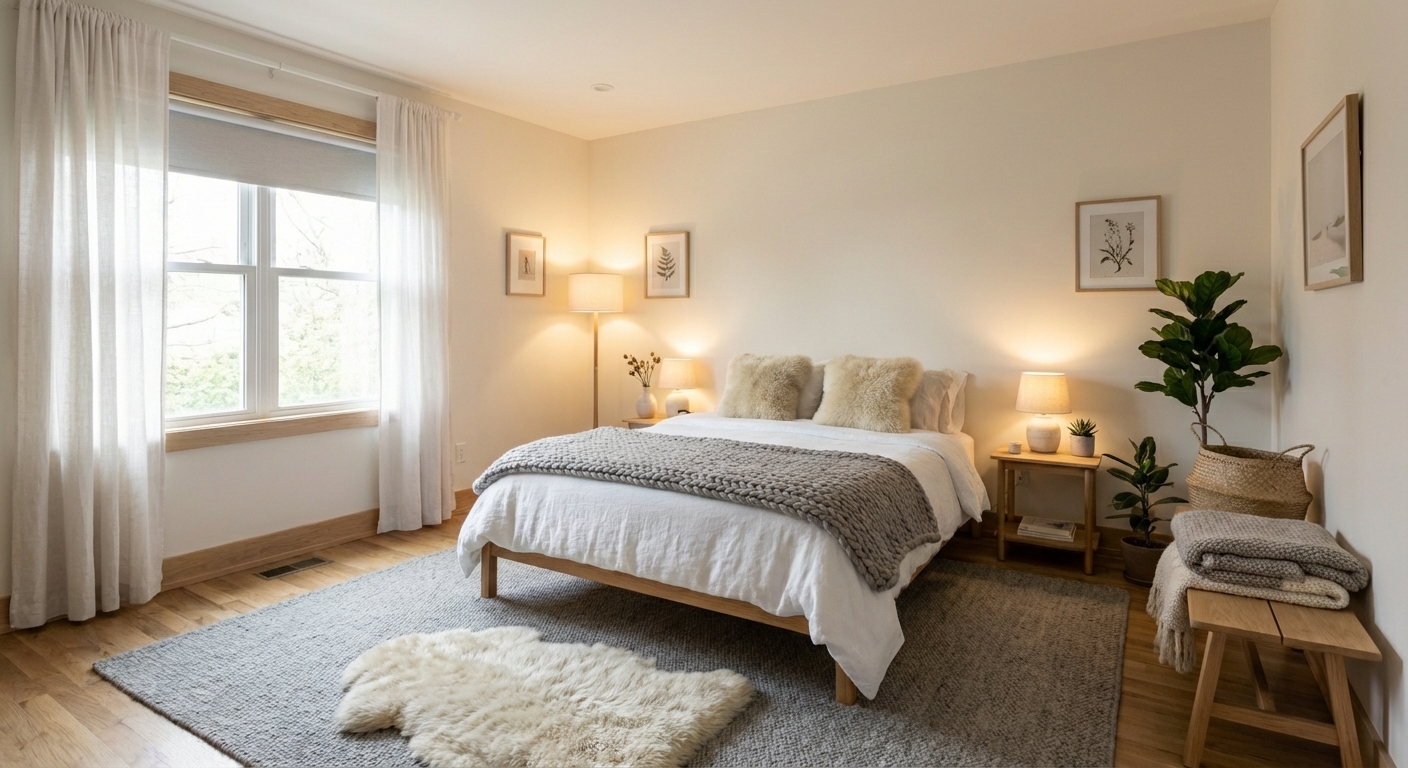
Industrial · bedroom
See all industrial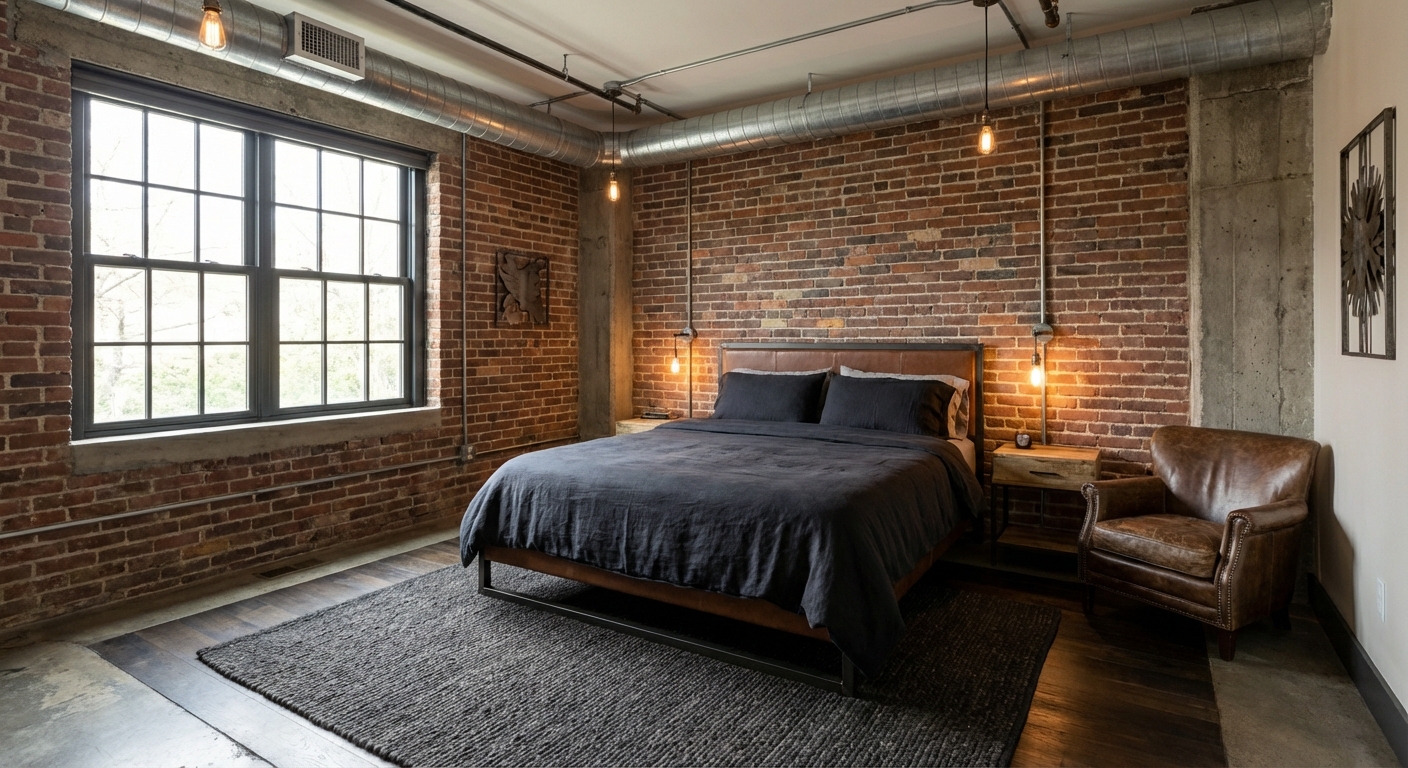
Japandi · bedroom
See all japandi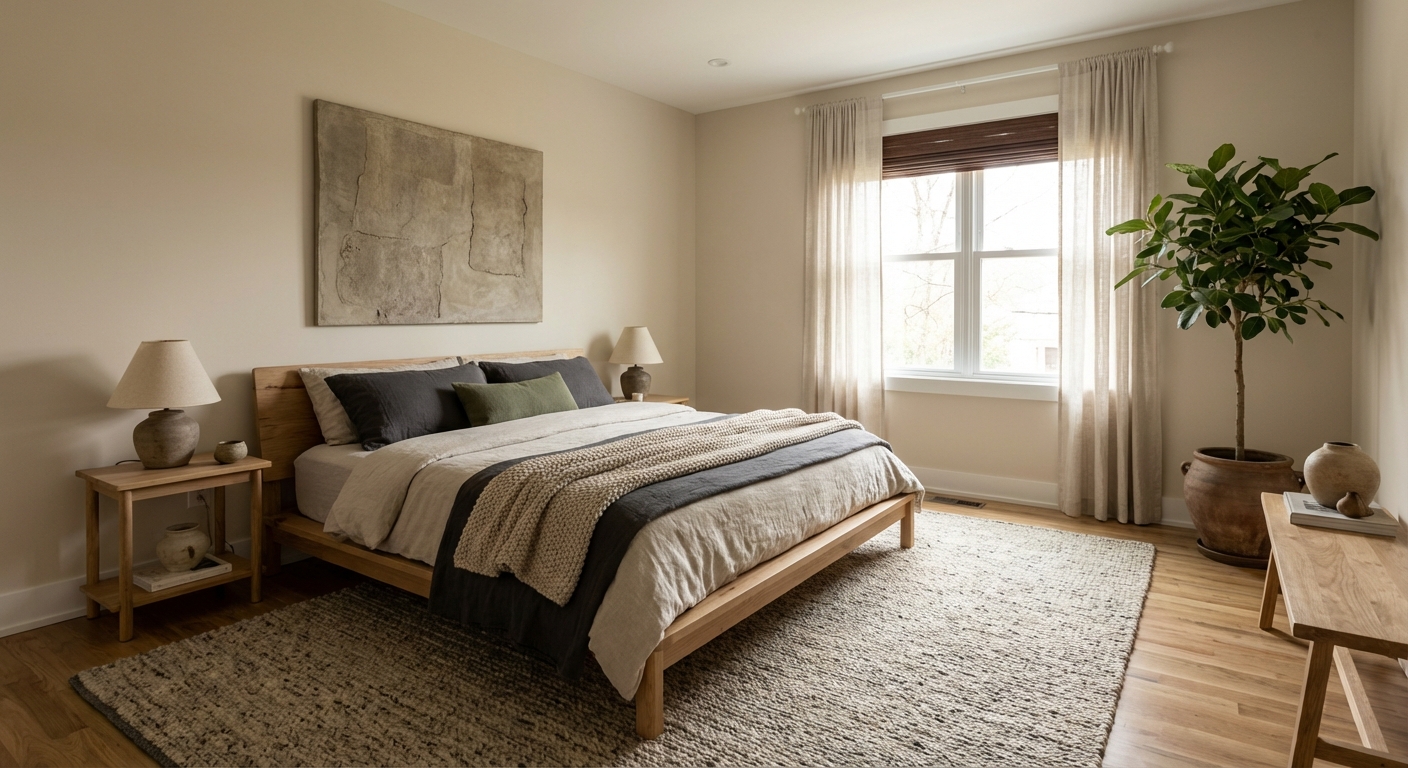
Coastal · bedroom
See all coastal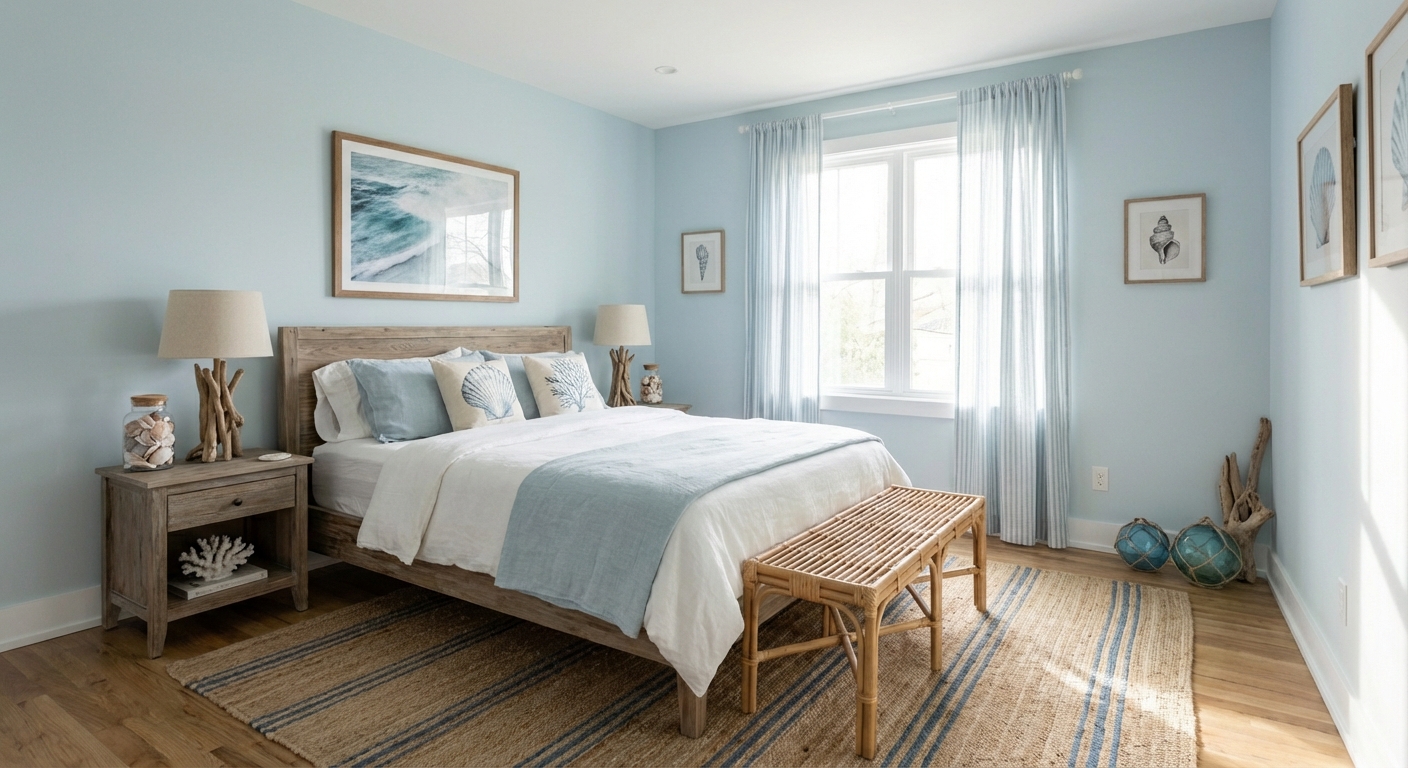
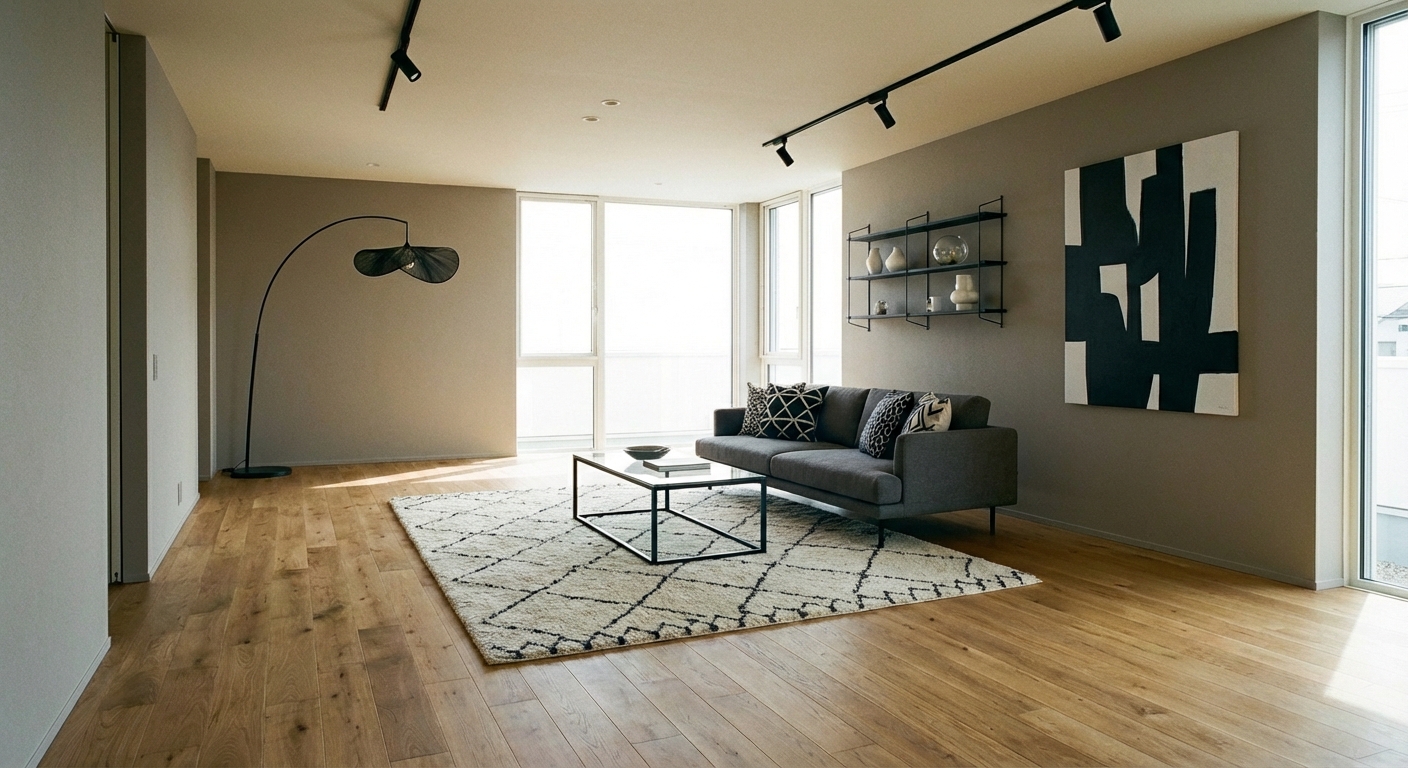
Bohemian · bedroom
See all bohemian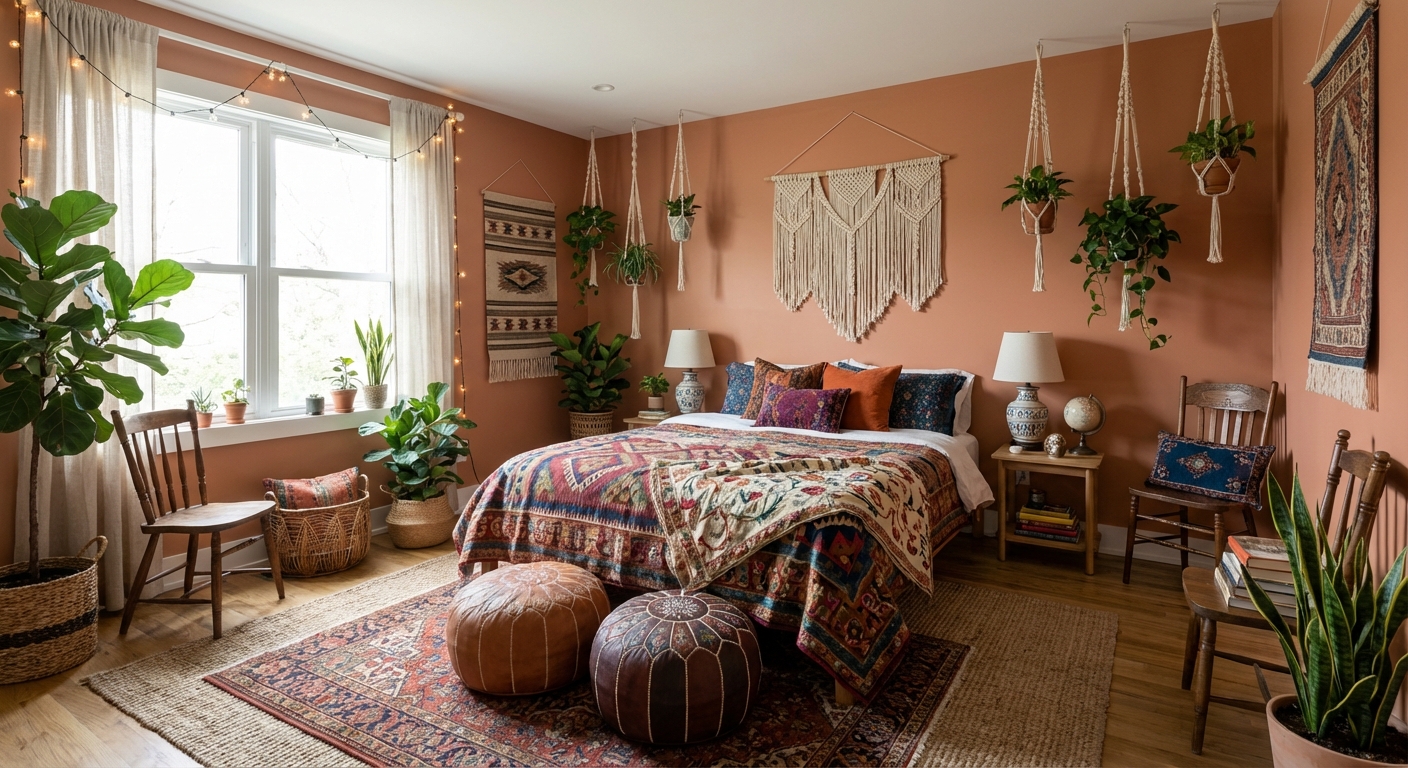
Farmhouse · bedroom
See all farmhouse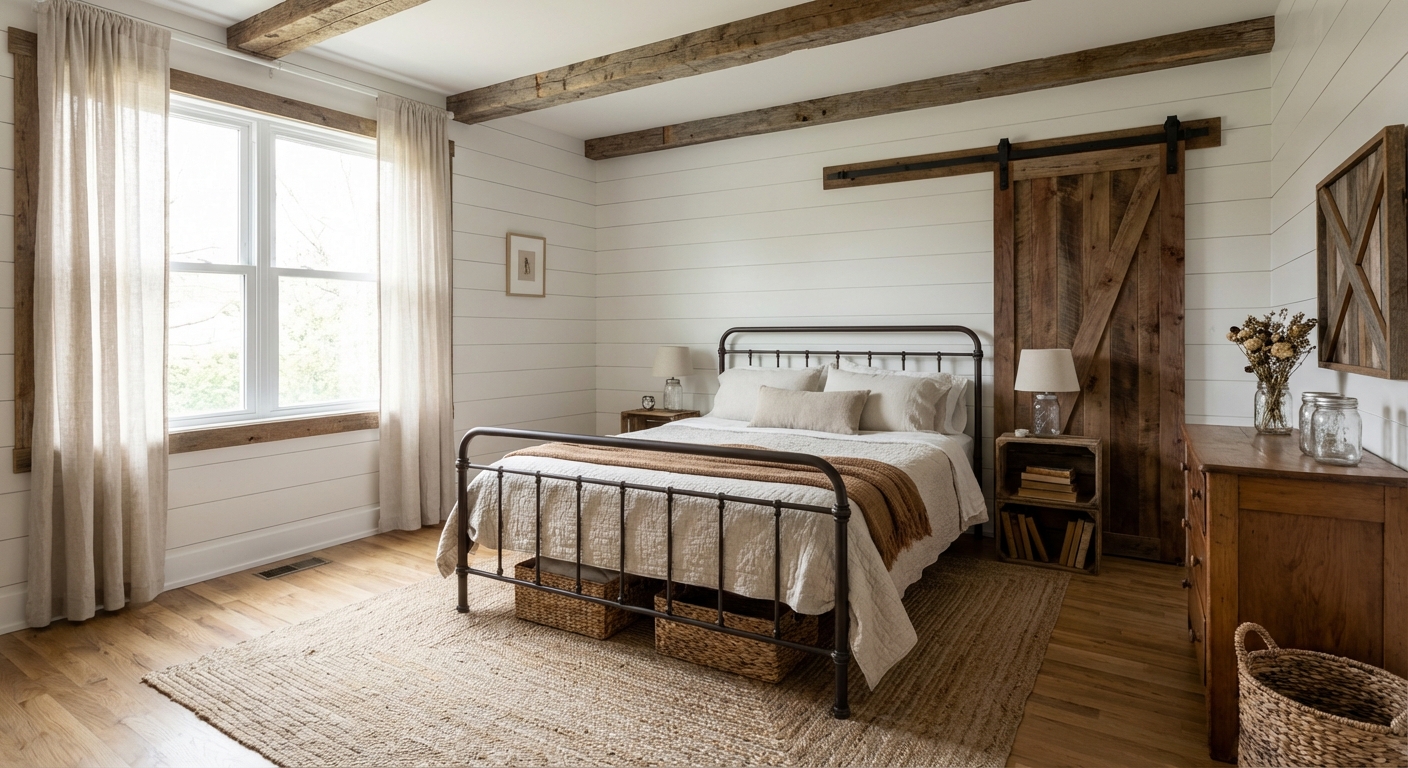
Contemporary · bedroom
See all contemporaryMore bedroom ideas
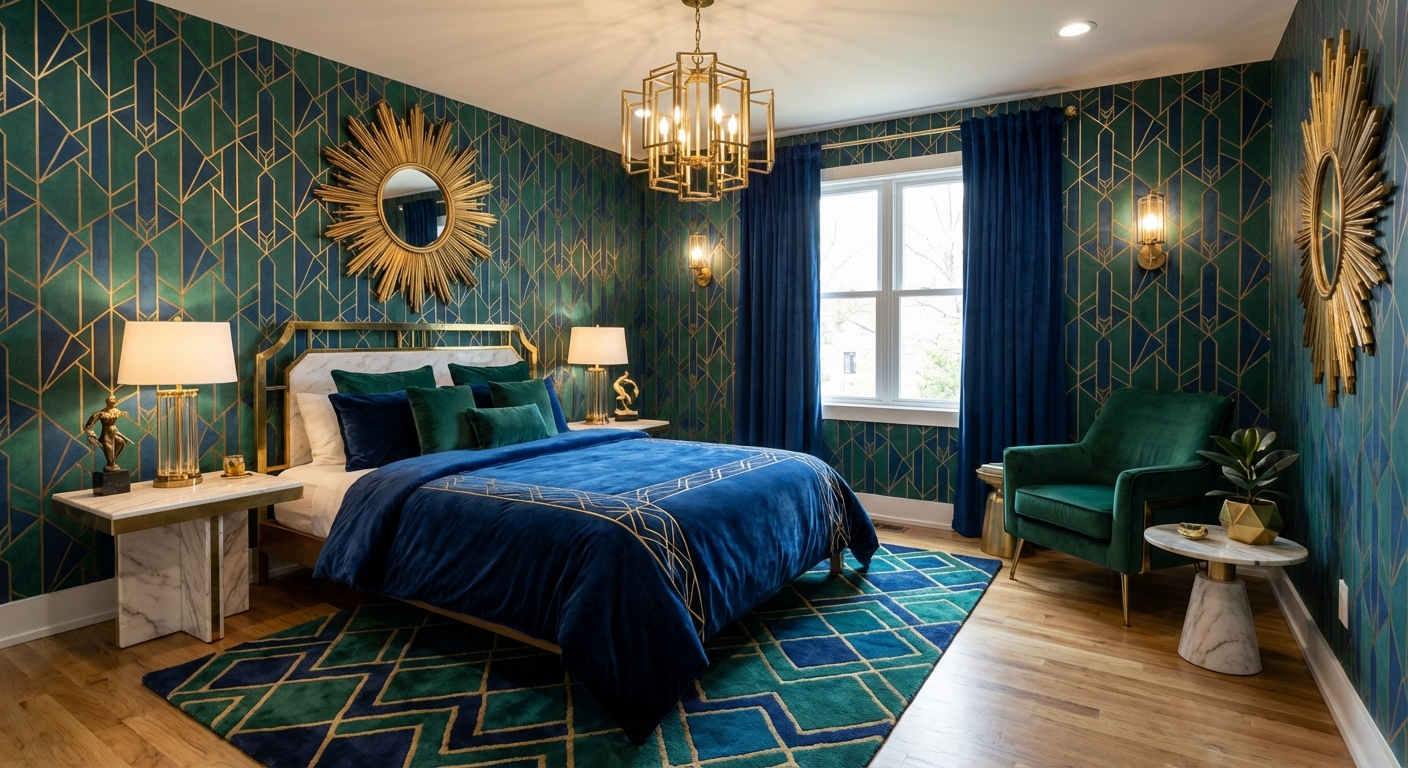
Art Deco Bedroom Design Ideas
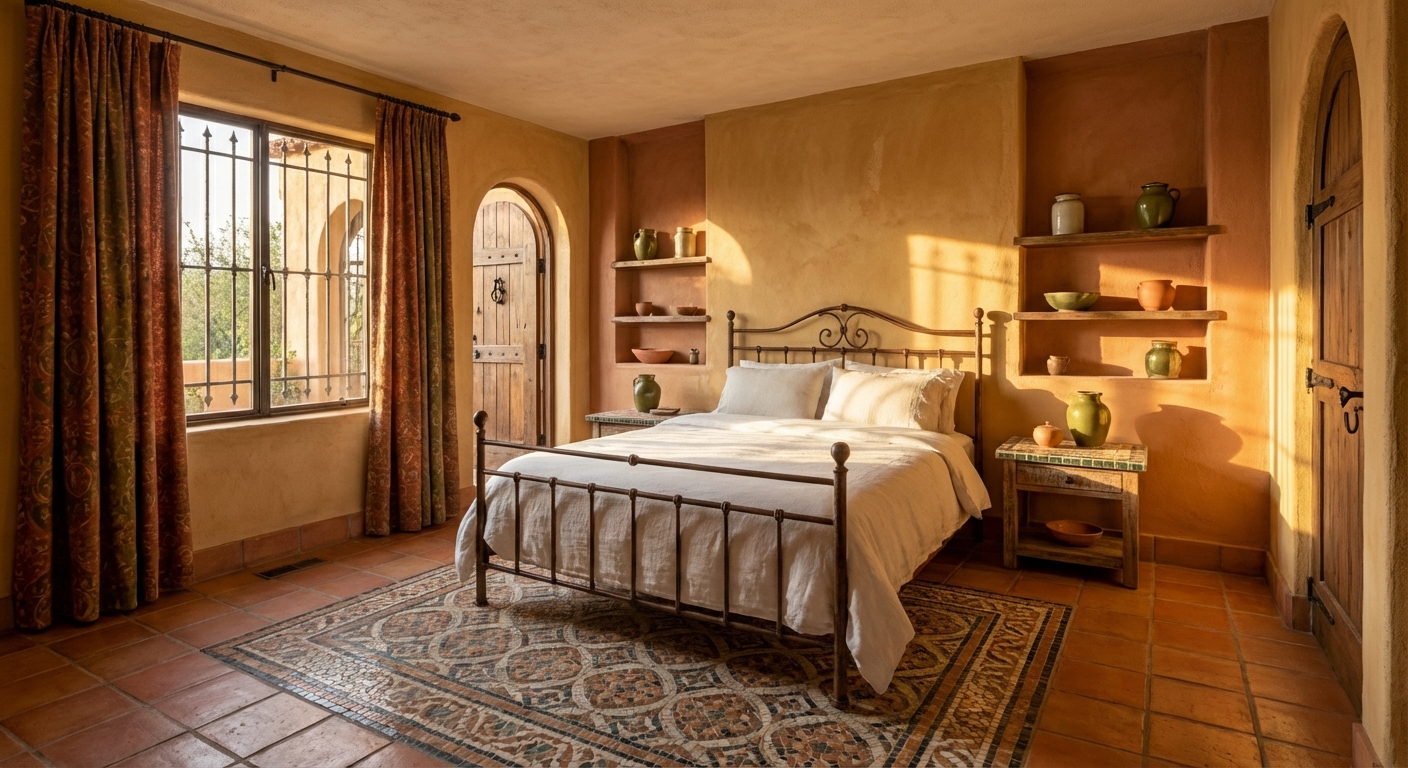
Mediterranean Bedroom Design Ideas
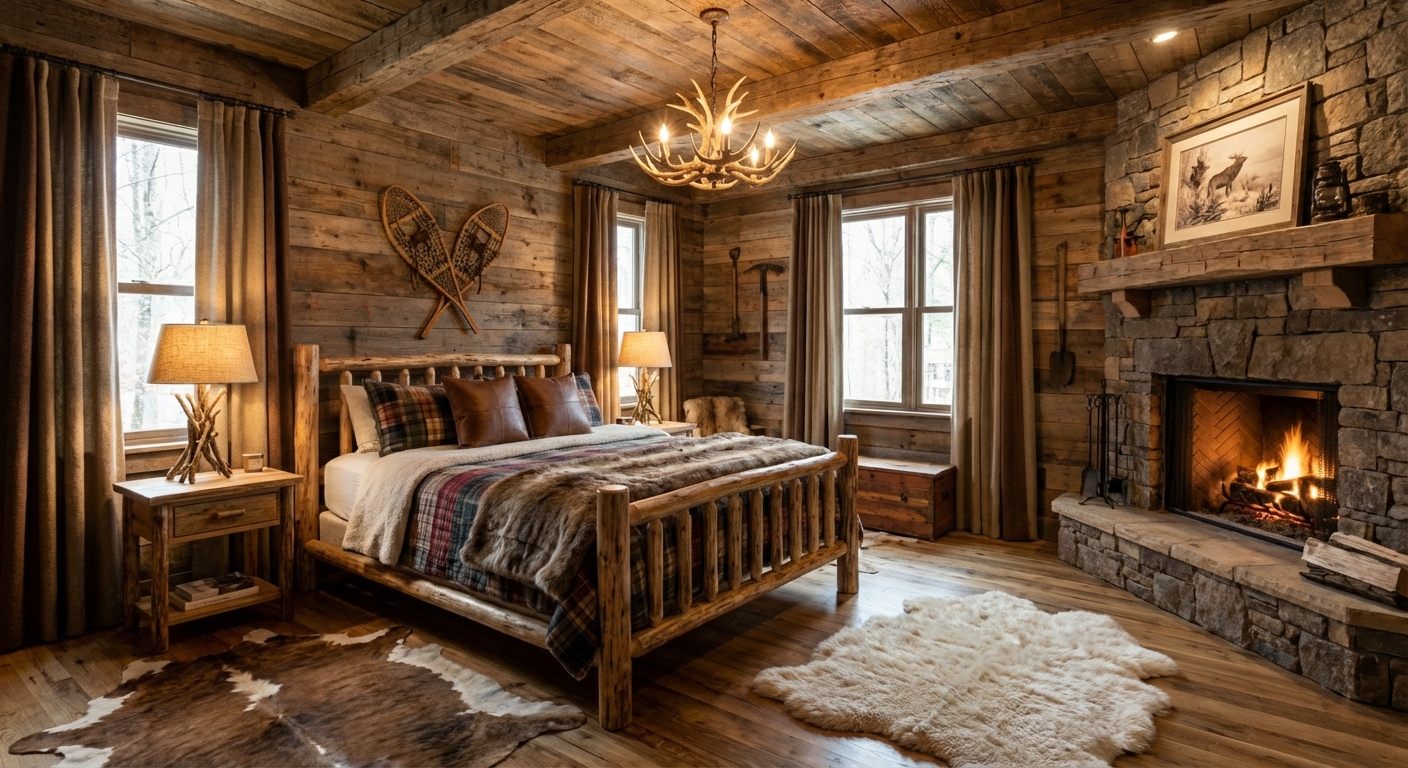
Rustic Bedroom Design Ideas
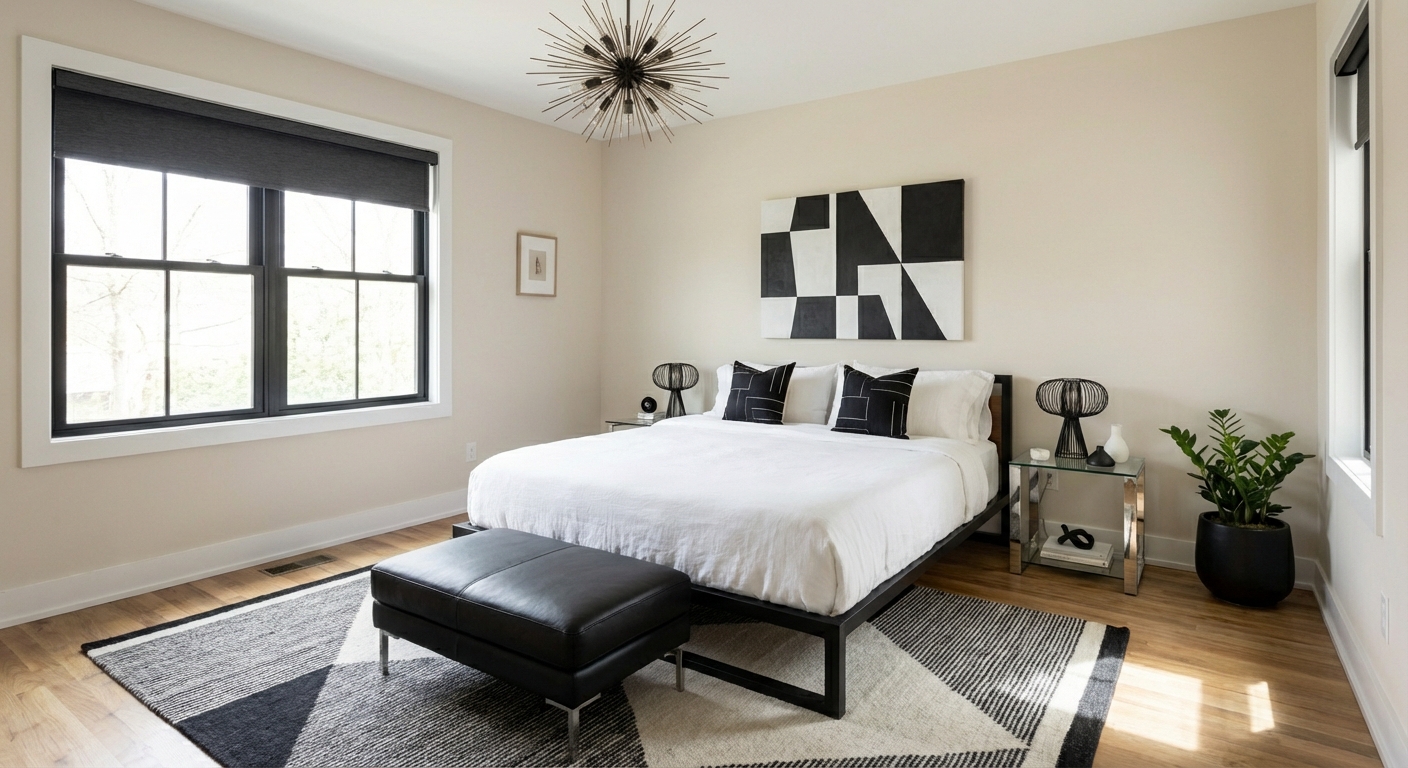
Transitional Bedroom Design Ideas
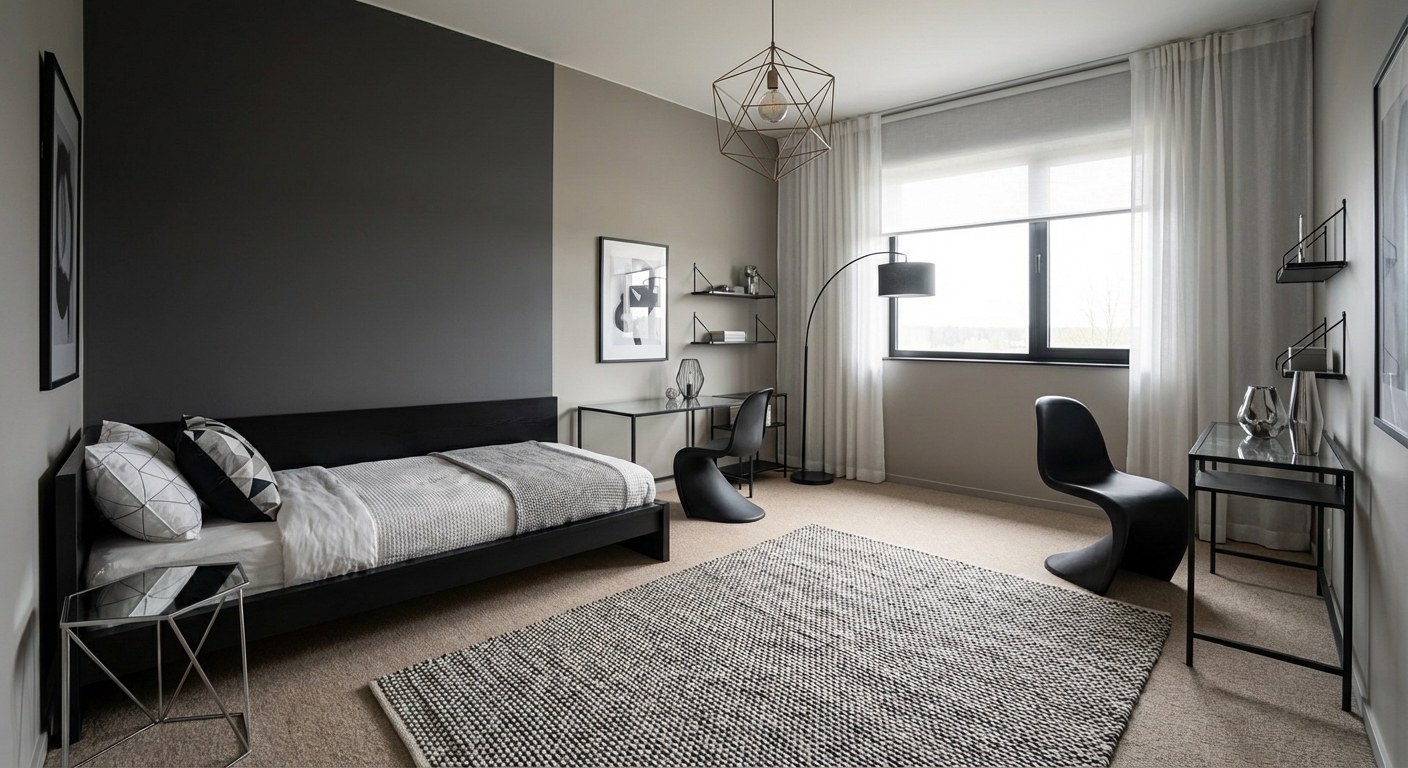
Transitional Kids Room Design Ideas
Wabi-Sabi Bedroom Design Ideas
Wabi-Sabi Kids Room Design Ideas
French Country Bedroom Design Ideas
French Country Kids Room Design Ideas
Maximalist Bedroom Design Ideas
Maximalist Kids Room Design Ideas
Hollywood Regency Bedroom Design Ideas
Preview your own bedroom with AI
Upload a photo of your bedroom, pick a style, and compare directions before buying furniture or committing to paint. Every hub on this page is a shortcut into testing the idea on your actual space.
Quick answers about bedroom design
Pair this hub with related style directions, visual tools, and room guides.
Frequently Asked Questions
Q1 What is the ideal bed size for my bedroom?
Rooms under 120 square feet generally max out at a queen (60 x 80 inches). Between 120 and 200 square feet, a queen or a compact king works. True king beds (76 x 80) need at least 200 square feet to leave the 24 inches of walk-around clearance that keeps the room usable.
Q2 Should the bed be centered on a wall?
Centering works when the room allows true symmetry. In smaller bedrooms, offsetting the bed to preserve a window, walkway, or closet access usually produces a better result than forcing a centered layout.
Q3 What paint colors work best in a bedroom?
Low-saturation tones tend to read calm across lighting conditions — warm whites (Benjamin Moore White Dove, Farrow & Ball Pointing), soft sages (Mizzle, Card Room Green), dusty blues (Sea Salt, Quiet Moments), or plaster tones (Skimming Stone). Save bolder color for a single accent like the headboard wall or artwork.
Q4 How high should bedside lamps be?
The bottom of a bedside lamp shade should sit roughly at shoulder height when you are propped up reading in bed — usually 24 to 28 inches above the mattress top. Too tall and the bulb glares at eye level; too short and the light pools in your lap.
Q5 Can AI help me plan a bedroom before I buy?
Yes. Upload a photo of the room, choose a direction, and compare options for bed scale, palette, and nightstand style before committing to furniture.
Preview bedroom ideas on your real space
Upload a photo in the free visualizer and preview the look before you buy paint, furniture, or a renovation.