How to Choose the Perfect Color Scheme for Any Room
Color sets the emotional tone of every room. This guide demystifies color theory and gives you a practical framework for choosing palettes that work.
$
ดูการเปลี่ยนโฉม
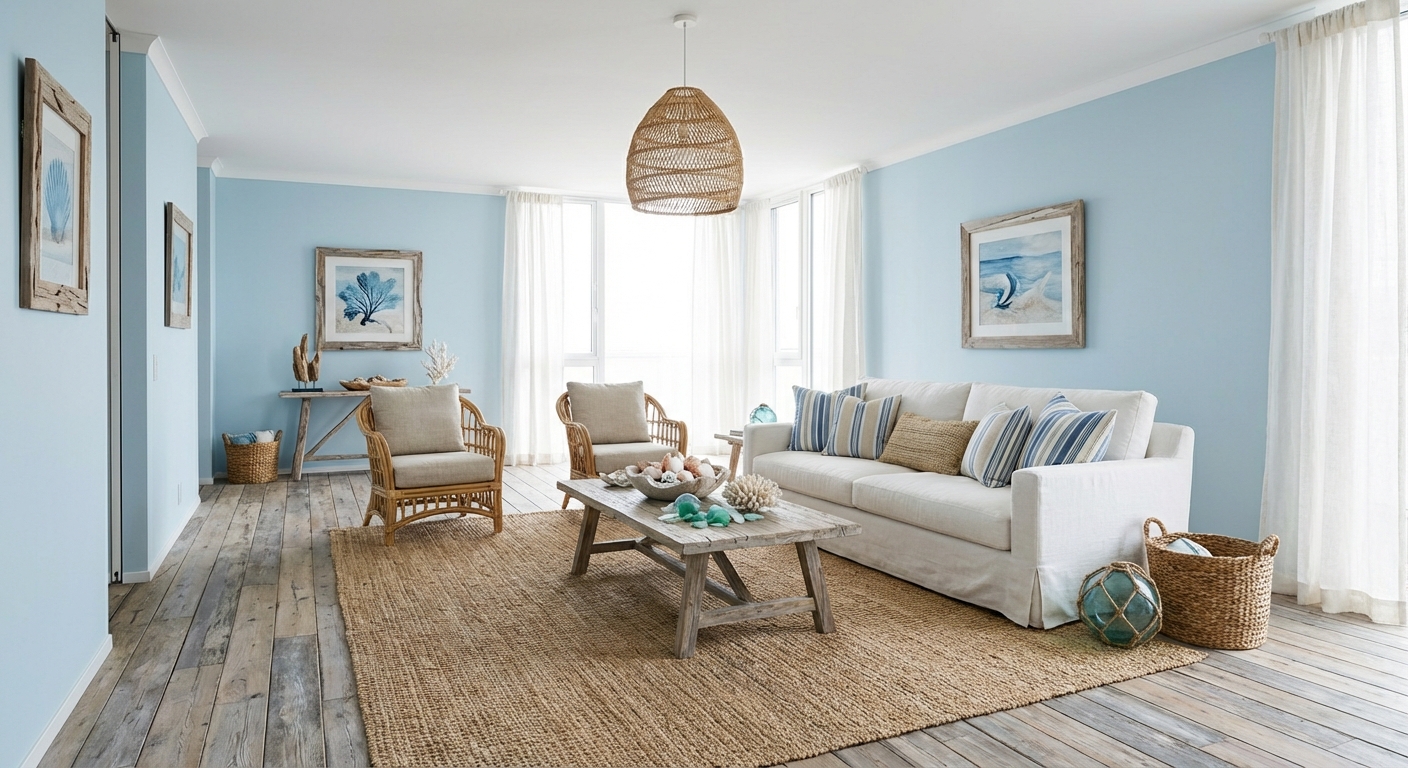
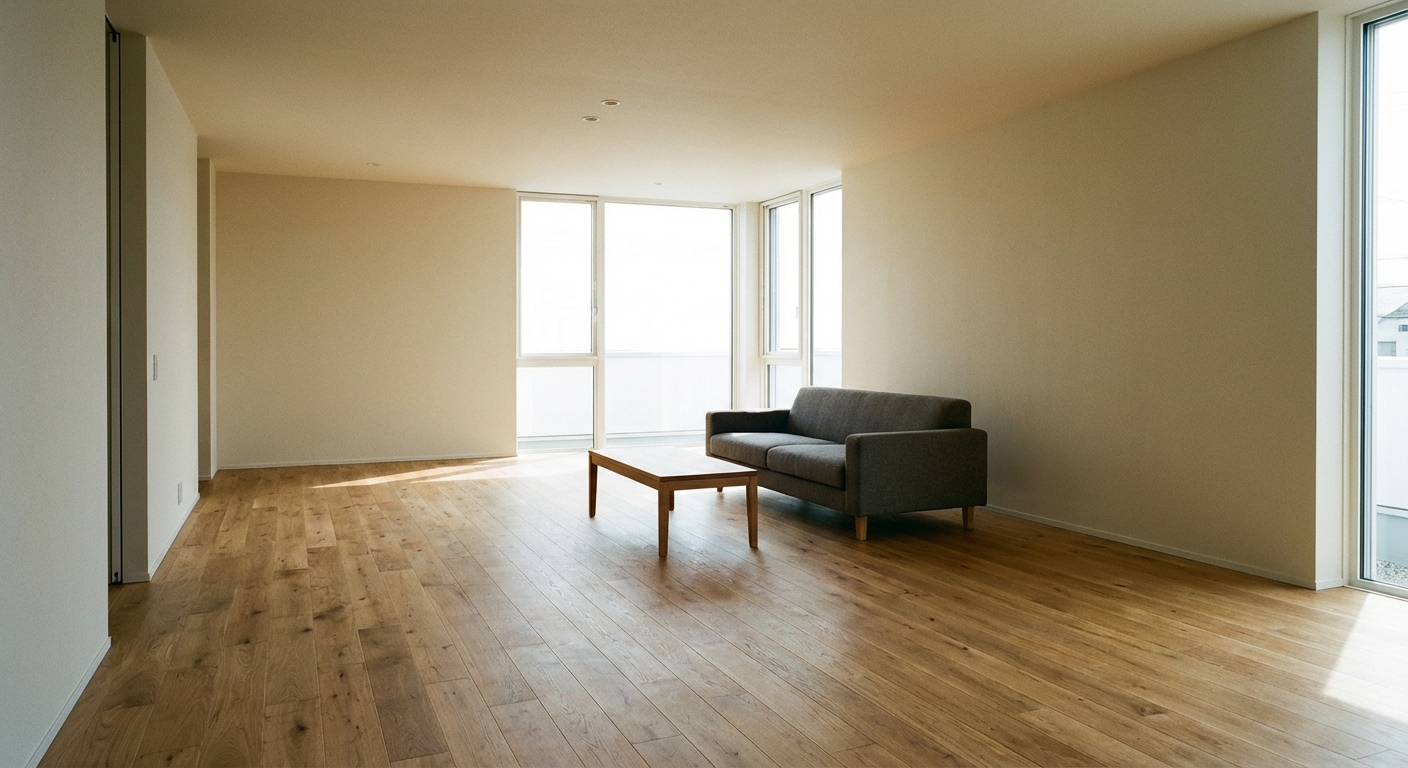
อัปโหลดรูปห้องของคุณในแอปเพื่อดูการเปลี่ยนโฉมจริง
จานสี
ทำไมถึงเข้ากัน
Color affects mood, perceived space, and visual harmony. The 60-30-10 rule provides a reliable framework: 60% dominant color (walls, large furniture), 30% secondary color (curtains, accent chairs, rugs), and 10% accent color (throw pillows, art, accessories). This ratio creates visual balance that the eye finds naturally pleasing. Cool colors (blues, greens, grays) recede and make spaces feel larger. Warm colors (reds, oranges, yellows) advance and create intimacy.
วิธีสร้างลุคนี้
- 1
Start with an inspiration piece like a fabric, artwork, or photo
- 2
Pull three to five colors from your inspiration
- 3
Apply the 60-30-10 rule to distribute colors
- 4
Test paint samples on the actual walls in different lighting
- 5
Check undertones — warm beige clashes with cool gray
- 6
Commit to the palette and carry it through every room element
Use the 60-30-10 rule: 60 percent dominant color on walls, 30 percent secondary on furniture, 10 percent accent in accessories.
ลองกับ AI
Layoutly AI lets you preview different color schemes in your actual room before buying a single paint can. Upload a photo and test warm vs. cool palettes, bold vs. neutral schemes, and see exactly how natural light in your space affects each color choice.
คำถามที่พบบ่อย
What is the 60-30-10 rule in interior design?
It means 60% of the room should be a dominant color (usually walls and large furniture), 30% should be a secondary color (curtains, rugs, accent furniture), and 10% should be an accent color (pillows, art, small accessories). This ratio creates natural visual balance.
How many colors should a room have?
Three to five colors work best. One dominant neutral, one secondary color for interest, and one or two accent colors for pops of personality. Too many colors create visual chaos; too few feel sterile.
Should I choose warm or cool colors for my room?
It depends on the room purpose and natural light. Bedrooms and living rooms benefit from warm tones that create intimacy. Bathrooms and offices often feel cleaner with cool tones. North-facing rooms need warm colors to compensate for blue-toned light.
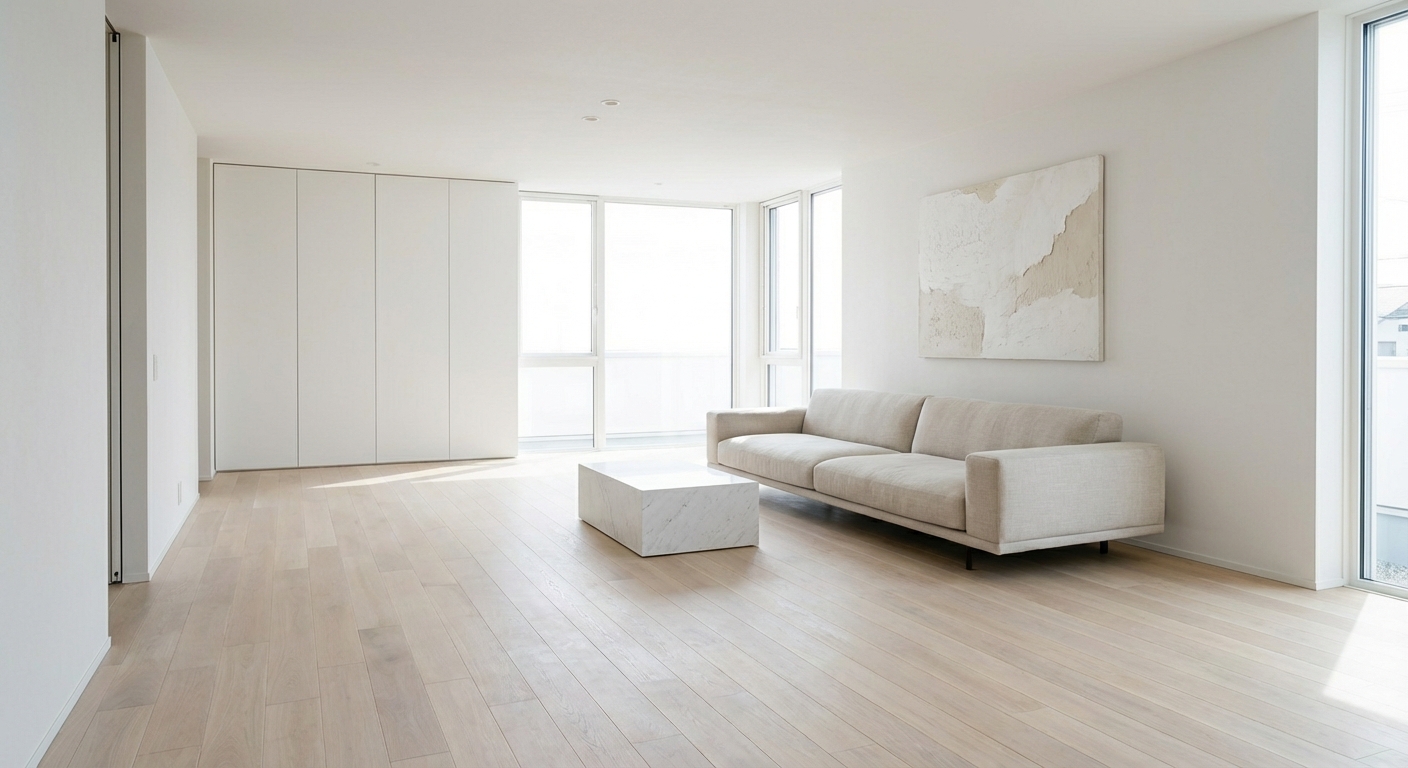
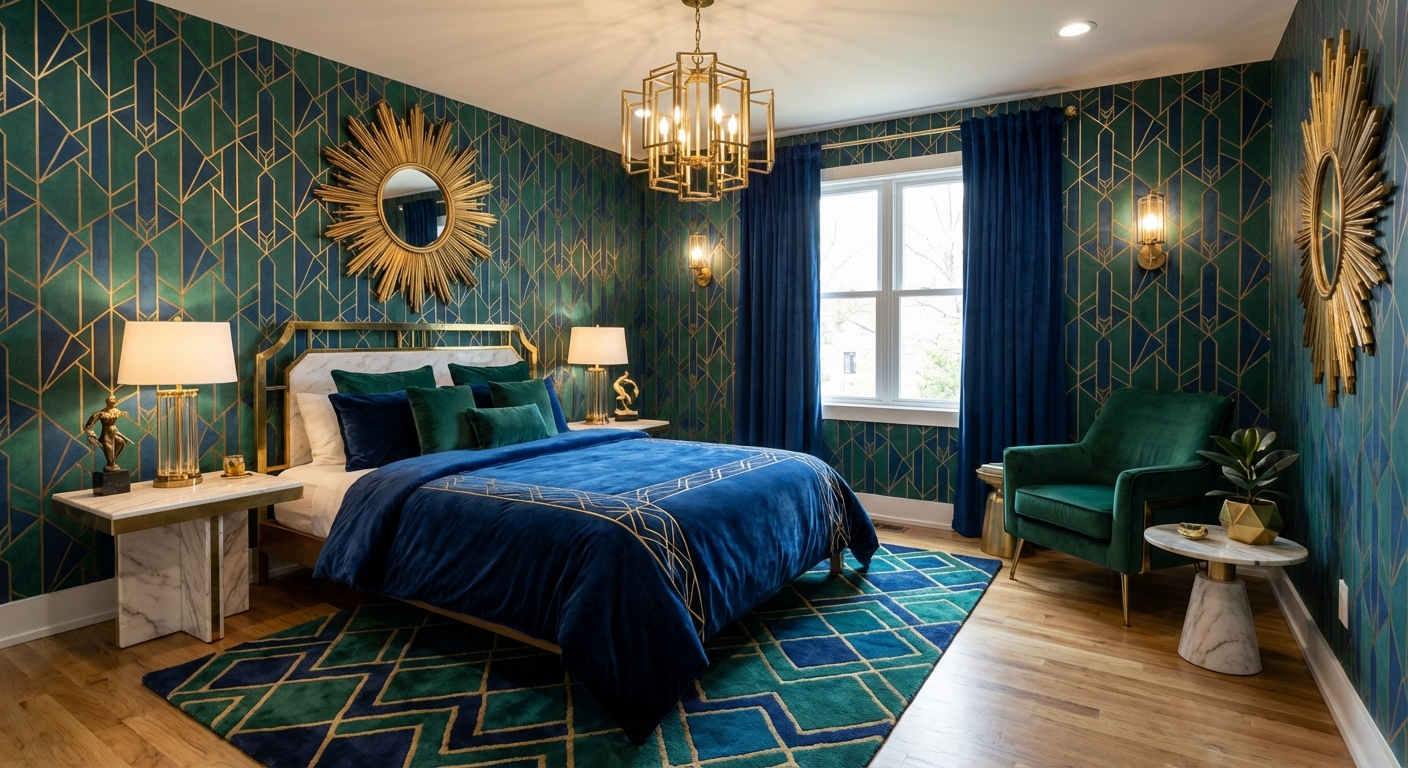
พร้อมเปลี่ยนโฉมห้องของคุณหรือยัง?
ดาวน์โหลด Layoutly แล้วดูดีไซน์นี้ในพื้นที่ของคุณภายในไม่กี่วินาที