Art Nouveau vs Art Deco — Sinuous Nature or Geometric Luxury?
Separated by just two decades, these movements represent opposite design philosophies: nature-inspired flowing curves versus machine-age geometric precision.
What is Art Nouveau vs Art Deco: Organic Curves vs Geometric Glamour?
Separated by just two decades, these movements represent opposite design philosophies: nature-inspired flowing curves versus machine-age geometric precision.
See the Transformation
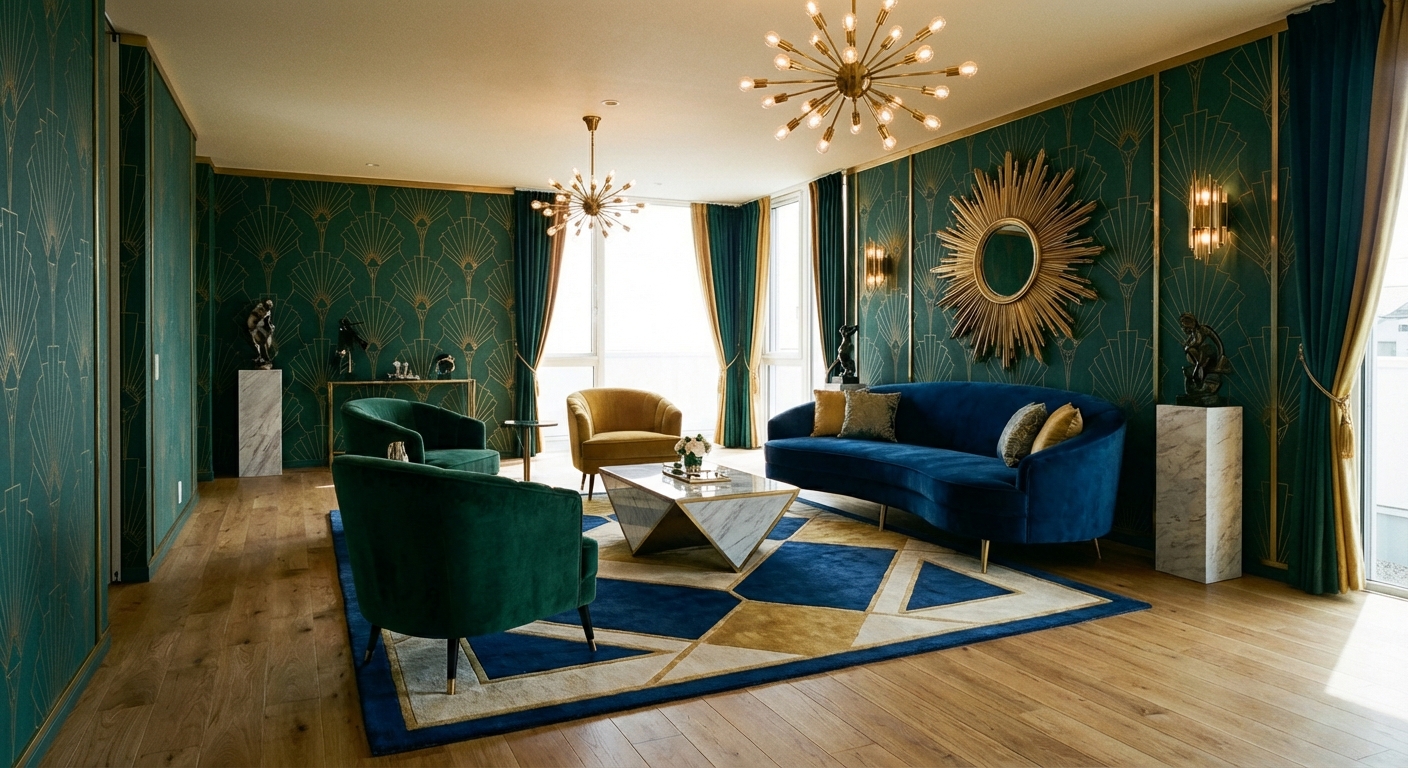
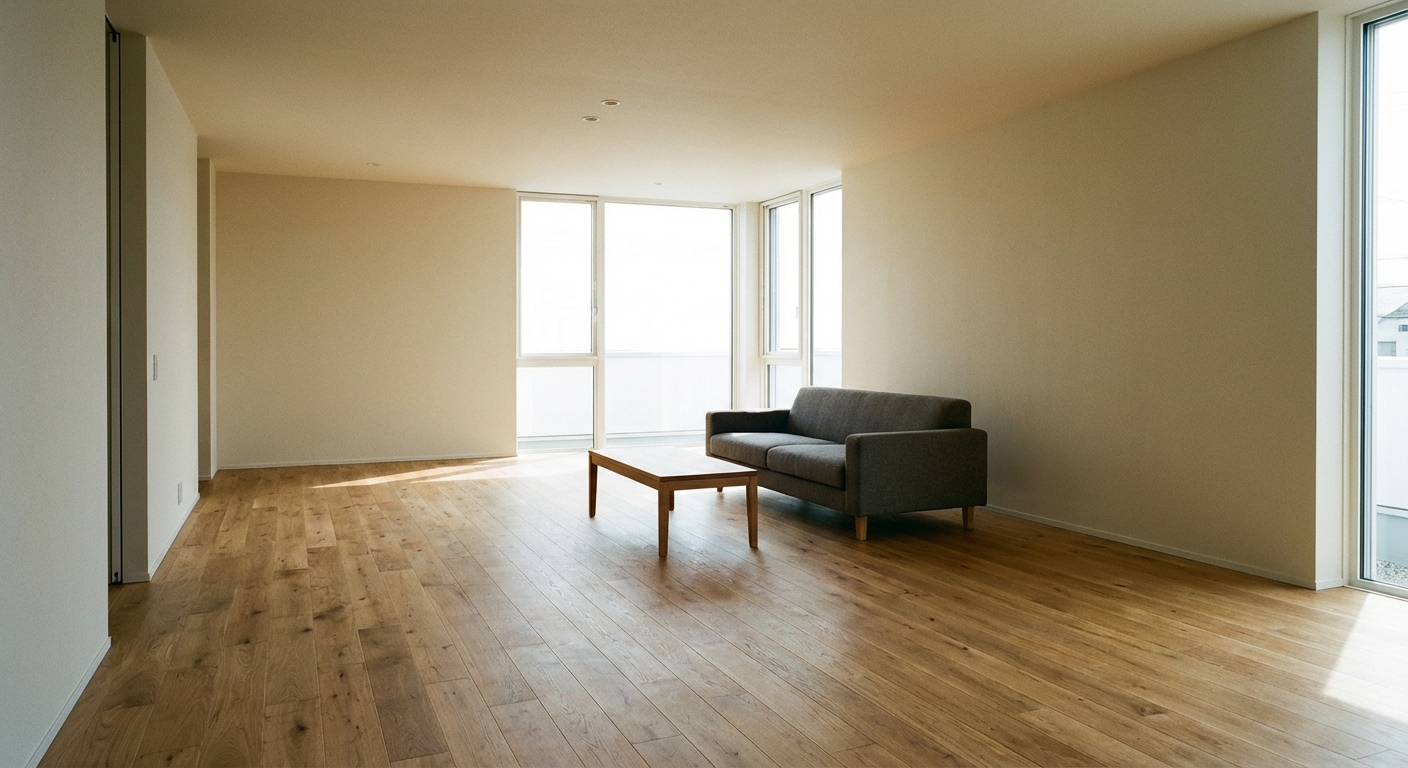
Upload your room photo in the app to see your real transformation
Why It Works
Art Nouveau (1890-1910) drew inspiration from natural forms — flowing plant tendrils, insect wings, and organic curves defined furniture, ironwork, and decorative arts. Every line was sinuous, asymmetric, and alive. Art Deco (1920-1940) rejected this organic approach in favor of geometry — sunburst patterns, chevrons, stepped forms, and bold symmetry reflected the machine age, jazz, and modernity. Art Nouveau materials were handcrafted and natural: stained glass, wrought iron, and carved wood. Art Deco materials were luxurious and manufactured: polished chrome, lacquer, mirror, and exotic veneers. Art Nouveau whispers "garden"; Art Deco shouts "penthouse."
Best for
- people ready to test options on a real photo before buying
- anyone planning a real living room where conversation distance, TV glare, and traffic past the sofa matter more than Pinterest perfection
- projects already thinking about marble and needing a coherent layout
Skip if
- you will not address conversation distance and only want a filter look
- you need the room finished tomorrow with zero test fits
Common mistakes
People pin art living room ideas and then shopping object-by-object with no envelope decision. Details like marble only work if the plan respects conversation distance, TV glare, and traffic past the sofa. Another miss: pushing every seat against the walls and calling the empty middle “open”.
Decide this first
fix the primary seating pair and one clear path before decorative chairs. Lock a coherent material story instead of random catalog picks as a short list, then use Intero on a real photo so scale and light are honest before you spend.
How to Achieve This Look
For Art Nouveau: seek furniture with curved, organic forms — no straight lines. Use botanical motifs in fabrics, wallpaper, and stained glass. Choose warm, muted colors inspired by nature: moss green, dusty rose, amber, and cream. Incorporate handcrafted elements: wrought iron, carved wood, and art glass. For Art Deco: use geometric patterns — sunbursts, chevrons, zigzags, and fan motifs — on walls, fabrics, and accessories. Choose bold, glamorous materials: polished chrome, mirrored surfaces, lacquer, and marble. The palette is high-contrast: black and gold, navy and silver, emerald and brass. Furniture should be symmetrical, angular, and bold in silhouette.
Intero AI lets you preview both Art Nouveau organic elegance and Art Deco geometric glamour in your room. Compare flowing curves and botanical motifs against sharp geometry and metallic luxury to determine which historical movement suits your space.
Frequently Asked Questions
Q1 Which is more practical for modern living?
Art Deco adapts more easily to modern interiors — its geometric patterns, metallic accents, and bold symmetry align with contemporary tastes. Art Nouveau requires specialized handcrafted pieces and organic forms that are harder to source and can feel period-specific rather than timeless.
Q2 Can I mix Art Nouveau and Art Deco?
Carefully, yes. Both are decorative movements that value craft and beauty, which creates common ground. A predominantly Art Deco room with one or two Art Nouveau pieces (a Tiffany-style lamp, a botanical print) adds warmth to the geometric scheme. The reverse mix is harder because Art Deco geometry disrupts Art Nouveau organic flow.
Q3 Where can I find Art Nouveau and Art Deco furniture?
For authentic pieces: auction houses, antique dealers, and online platforms like 1stDibs and Chairish. For reproductions: companies like Jonathan Adler (Art Deco) and specialty artisans (Art Nouveau). Art Deco reproductions are more widely available because the geometric forms are easier to manufacture at scale.
Related searches
These are the next pages people usually open while narrowing this design direction.
You Might Also Like
Design Guides You'll Love
Ready to See This Style in Your Room?
Download Intero and preview this design on your own room photo.
No credit card. No signup. Just results.
Scan to download
Point your phone camera at a code

