Modern vs Contemporary — The Most Misused Words in Interior Design
Modern refers to a specific historical period. Contemporary means what is current right now. Understanding this difference changes how you design.
What is Modern vs Contemporary: They Are Not the Same Thing?
Modern refers to a specific historical period. Contemporary means what is current right now. Understanding this difference changes how you design.
2/4
See the Transformation
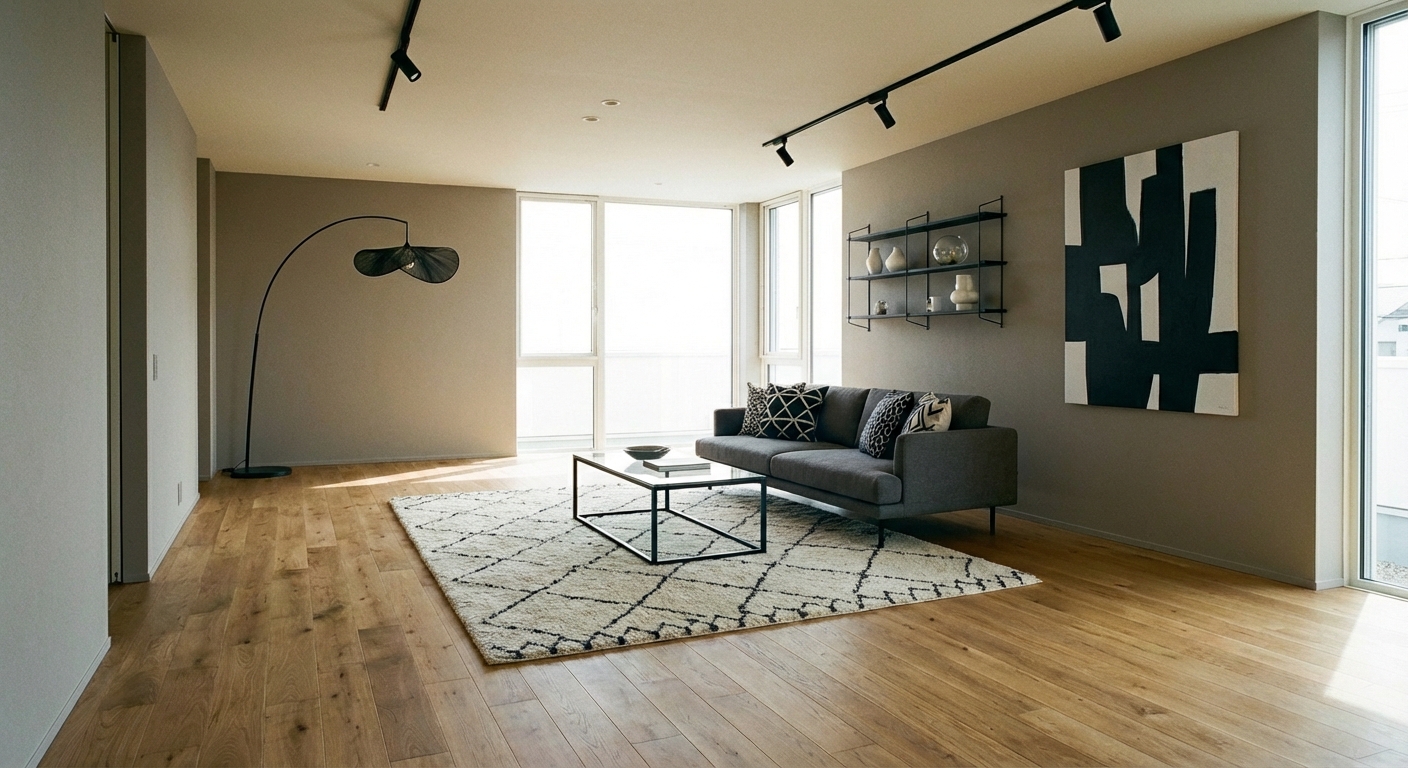
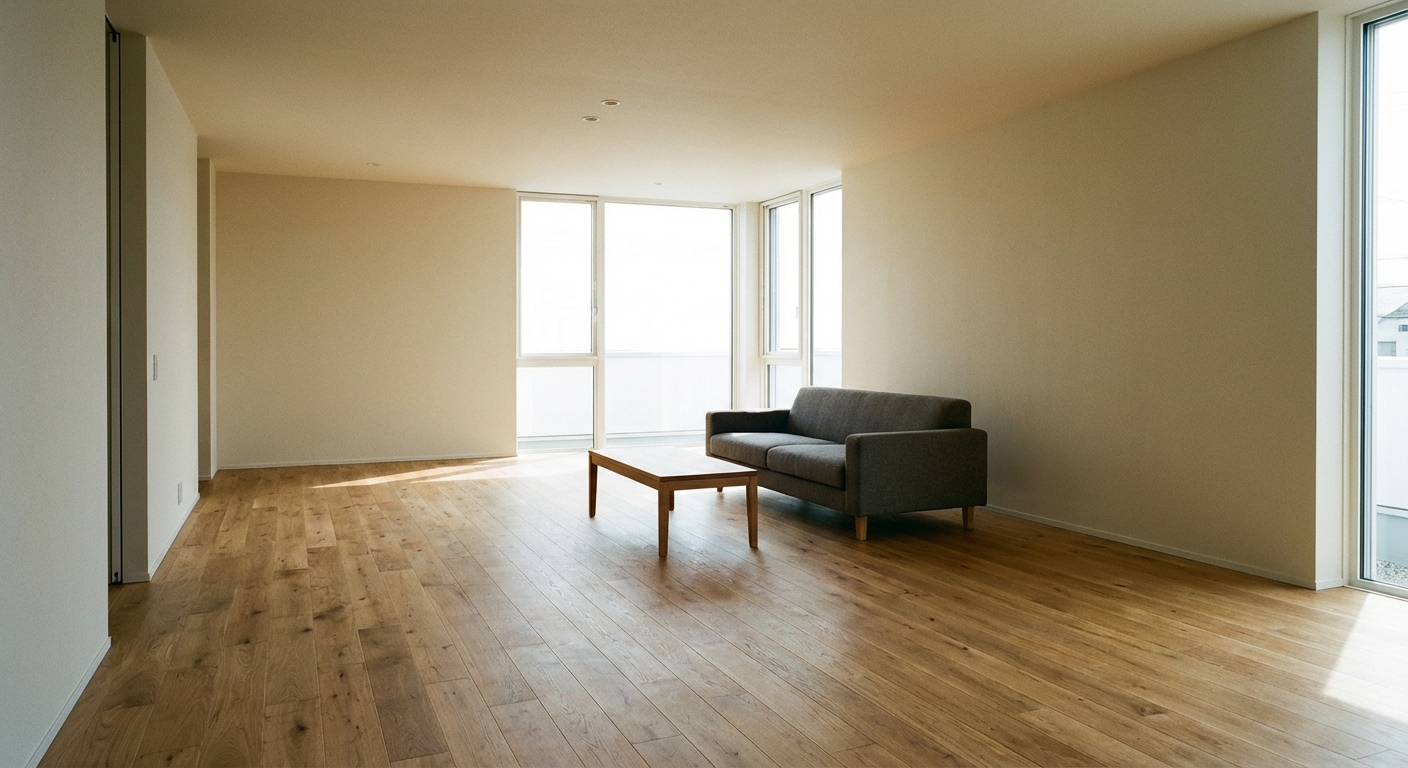
Upload your room photo in the app to see your real transformation
Color Palette
Click any color to copy hex code
Why It Works
Modern design is a specific movement from the early-to-mid 20th century — it has fixed characteristics: clean lines, organic forms, minimal ornamentation, and a commitment to function. Think Eames, Mies van der Rohe, and Le Corbusier. Contemporary design means whatever is happening right now — it is a moving target that borrows from multiple eras and evolves constantly. In 2026, contemporary design blends organic minimalism, warm earth tones, curved furniture, and sustainable materials. Modern is historical and unchanging; contemporary is fluid and evolving.
Best for
- people who will edit objects, not only add them
- anyone planning a real living room where conversation distance, TV glare, and traffic past the sofa matter more than Pinterest perfection
- projects already thinking about walnut and needing a coherent layout
Skip if
- you will not address conversation distance and only want a filter look
- you need the room finished tomorrow with zero test fits
Common mistakes
The usual modern living room miss is keeping bulky traditional silhouettes and only changing throw pillows. Details like walnut only work if the plan respects conversation distance, TV glare, and traffic past the sofa. Another miss: pushing every seat against the walls and calling the empty middle “open”.
Decide this first
fix the primary seating pair and one clear path before decorative chairs. Lock few finishes, low profiles, quiet hardware as a short list, then use Intero on a real photo so scale and light are honest before you spend.
How to Achieve This Look
- 1
Decide if you want a timeless look or the latest design trends
- 2
Modern: anchor the room with mid-century influenced furniture
- 3
Contemporary: follow current trends — curves, organic shapes, mixed materials
- 4
Modern: stick to a warm neutral palette with natural wood accents
- 5
Contemporary: experiment with bolder colors, unusual textures, and asymmetry
- 6
Both: prioritize clean lines and uncluttered spaces
Layout & materials
For modern: follow mid-century modern principles — clean lines, tapered legs, warm woods (walnut, teak), functional forms, and restrained ornamentation. The palette is warm with bold accent colors. For contemporary: look at what leading designers are doing now — currently that means curved, organic furniture forms, earthy neutral palettes, sustainable and natural materials, mixed textures, and a blend of minimalism with warmth. Contemporary rooms feel like they belong to this moment; modern rooms reference a specific past era.
Modern refers to a specific design movement from the 1900s; contemporary means whatever is happening right now. They overlap but are not the same.
Intero AI helps you understand the practical difference between modern and contemporary by showing both in your room. Upload a photo and compare a classic mid-century modern transformation against a current contemporary one to see which direction fits your taste.
Frequently Asked Questions
Q1 Why do people confuse modern and contemporary?
Because in everyday language, "modern" means "current." But in design, Modern (capital M) refers to the Modernist movement of the 1920s-1970s. Contemporary means current trends. The confusion is so common that many retailers use the terms interchangeably.
Q2 Can a room be both modern and contemporary?
Yes — when current trends draw from mid-century modern influences (which they often do), the two overlap. A room with modern furniture forms in contemporary materials and colors sits at the intersection of both.
Q3 Which has better resale appeal?
Contemporary design typically has the broadest appeal because it reflects current tastes. However, well-executed modern design has proven timeless — mid-century homes consistently command premium prices. Both are safer than highly trendy or niche styles.
Related searches
These are the next pages people usually open while narrowing this design direction.
Design Guides You'll Love
Ready to See This Style in Your Room?
Download Intero and preview this design on your own room photo.
No credit card. No signup. Just results.
Scan to download
Point your phone camera at a code

