Basement Transformation — From Dark Storage to the Room Everyone Wants to Be In
Your basement has the square footage of an entire floor but the appeal of a storage unit. This transformation guide turns the darkest space in your home into the most inviting.
What is Basement Transformation: Dark to Inviting?
Your basement has the square footage of an entire floor but the appeal of a storage unit. This transformation guide turns the darkest space in your home into the most inviting.
See the Transformation
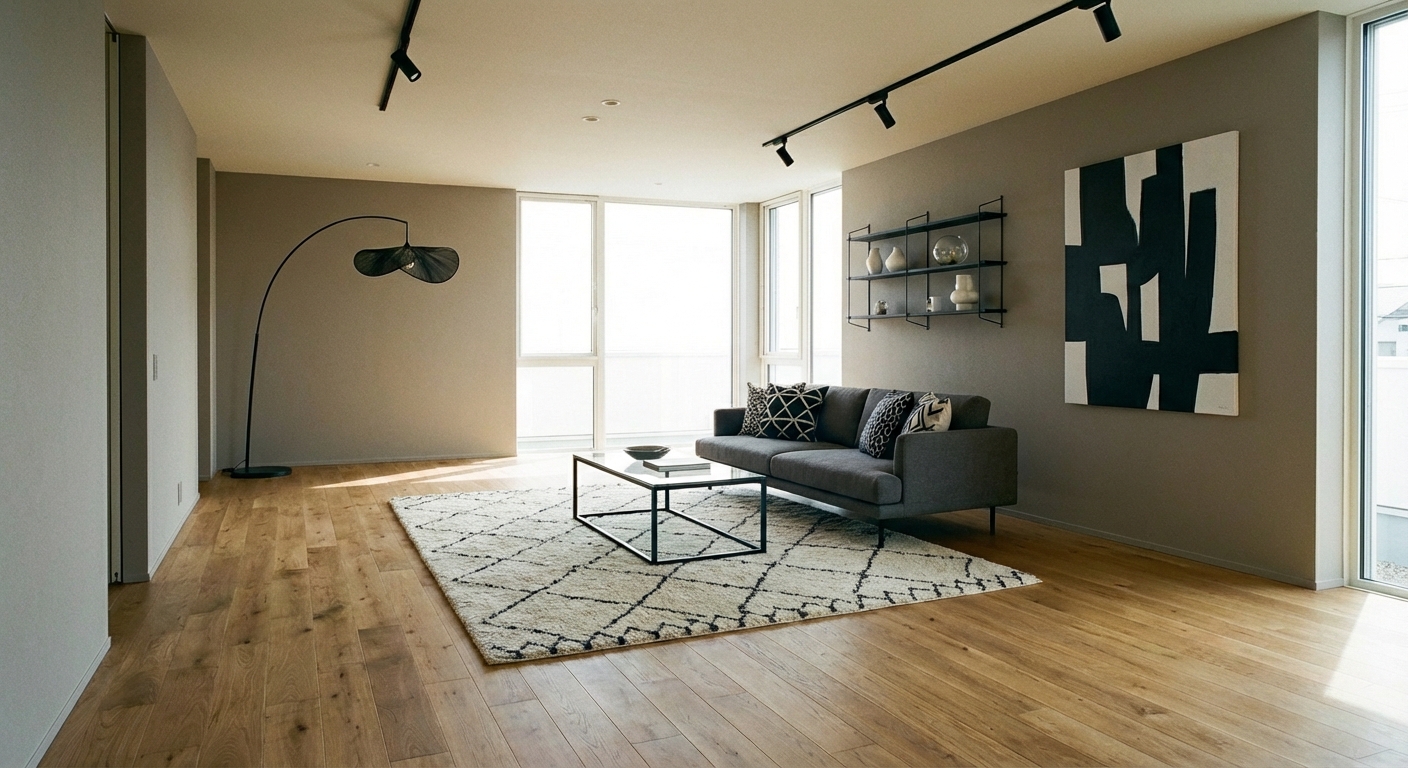
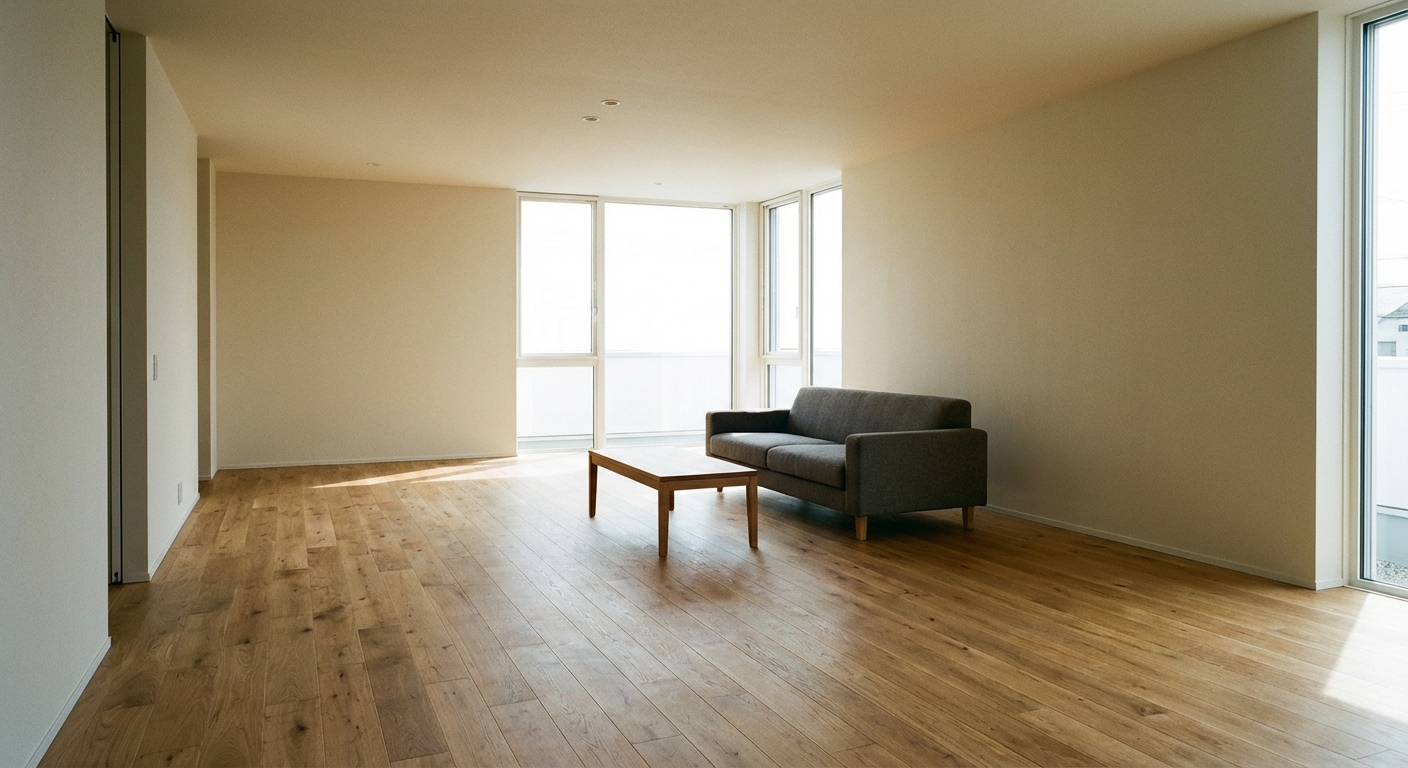
Upload your room photo in the app to see your real transformation
Why It Works
Basement transformations have the highest square-footage-per-dollar ROI of any home improvement because the shell — walls, floor, ceiling structure — already exists. The transformation addresses the three defining basement challenges simultaneously: darkness (solved with layered full-spectrum lighting and light-colored surfaces), dampness (solved with moisture management and appropriate materials), and the psychological stigma of being underground (solved with residential-quality finishes, comfortable furniture, and design intention that matches the rest of the home). When all three are addressed, the basement becomes indistinguishable from an above-grade living space in terms of comfort and appeal.
Best for
- people ready to test options on a real photo before buying
- anyone planning a real living room where conversation distance, TV glare, and traffic past the sofa matter more than Pinterest perfection
- projects already thinking about lighting, paint, sofa and needing a coherent layout
Skip if
- you will not address conversation distance and only want a filter look
- you need the room finished tomorrow with zero test fits
Common mistakes
In a living room, “basement” fails when you shopping object-by-object with no envelope decision. Details like lighting, paint, sofa only work if the plan respects conversation distance, TV glare, and traffic past the sofa. Another miss: pushing every seat against the walls and calling the empty middle “open”.
Decide this first
fix the primary seating pair and one clear path before decorative chairs. Lock a coherent material story instead of random catalog picks as a short list, then use Intero on a real photo so scale and light are honest before you spend.
How to Achieve This Look
Address moisture first: ensure proper drainage, run a dehumidifier, and apply waterproof sealant to walls if needed. Install luxury vinyl plank flooring — it is waterproof, warm underfoot, and looks like real wood. Cover concrete block walls with furring strips and drywall, then paint in warm white or light neutral. Install recessed lighting on a dimmer as the ambient layer, then add table lamps and floor lamps for warmth. Create zones: a media area with a large sofa, a game area, a reading corner, or a workout zone. Furnish with the same quality as your main living level — the quickest way to make a basement feel like a real room. Add an area rug, throw pillows, and art as if you were designing any other room in the home.
Intero AI lets you see beyond the dark concrete and envision your basement as a finished living space. Upload a photo and preview different design directions — cozy media room, entertainment space, or bright family room — with proper lighting, flooring, and furnishings.
Frequently Asked Questions
Q1 How much does a basement transformation cost?
A cosmetic-only transformation (paint, area rugs, furniture, lighting) costs $1,000-$3,000. A proper finish with drywall, LVP flooring, recessed lighting, and furnishings runs $15,000-$30,000. A full renovation with bathroom, bar, and custom finishes starts at $30,000-$60,000+.
Q2 How do I make a basement feel less like a basement?
Three things: full-spectrum lighting that mimics daylight, warm-toned flooring that covers the concrete, and furniture and finishes that match the quality of your above-grade rooms. When these three elements are present, the brain stops registering "basement" and starts registering "living room."
Q3 What is the best use for a finished basement?
Media and game rooms are the most popular because basements naturally excel at these functions — the darkness is an advantage for projectors and screens, and the sound insulation keeps noise contained. Home gyms, guest suites, and home offices are also excellent basement uses.
Related searches
These are the next pages people usually open while narrowing this design direction.
You Might Also Like
Ready to See This Style in Your Room?
Download Intero and preview this design on your own room photo.
No credit card. No signup. Just results.
Scan to download
Point your phone camera at a code

