No Windows? No Problem — Design a Room That Still Feels Open
Windowless rooms are common in basements, interior bedrooms, and converted spaces. The right lighting, color, and airflow strategies can make them feel surprisingly inviting.
What is Designing Rooms Without Windows: Light & Air Solutions?
Windowless rooms are common in basements, interior bedrooms, and converted spaces. The right lighting, color, and airflow strategies can make them feel surprisingly inviting.
2/4
See the Transformation
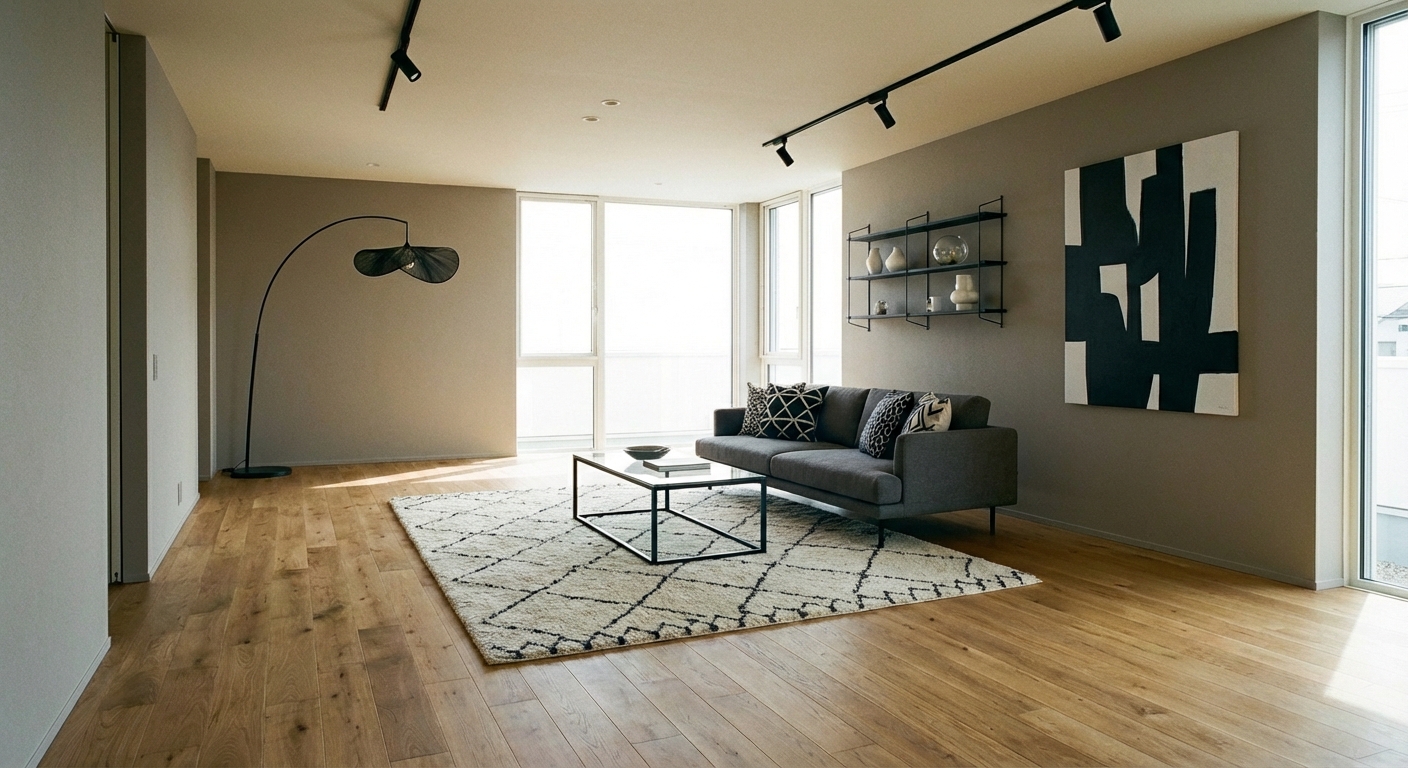
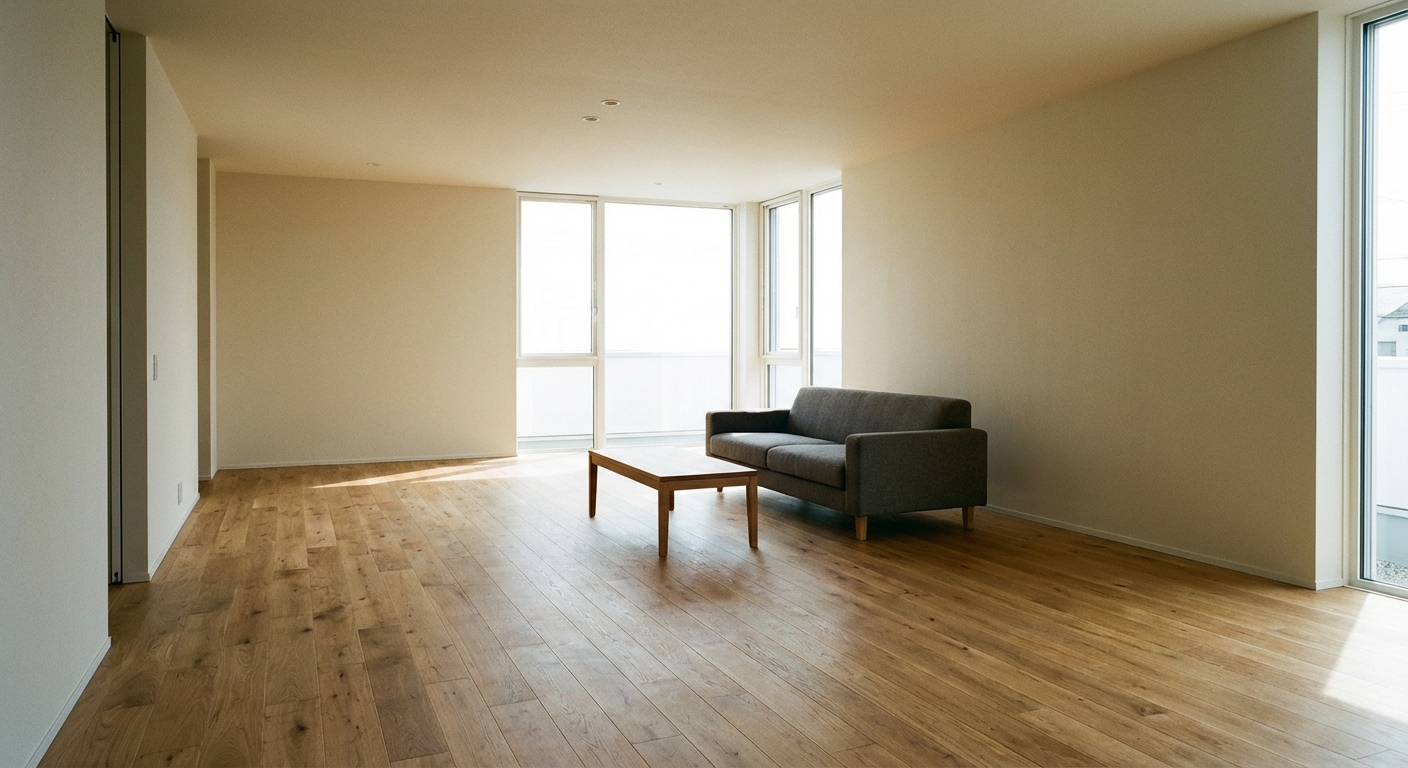
Upload your room photo in the app to see your real transformation
Color Palette
Click any color to copy hex code
Why It Works
Windowless rooms feel oppressive because they lack two things people associate with comfort: natural light and a visual connection to the outdoors. Replacing these with full-spectrum artificial lighting, mirrors that simulate depth, and nature elements like plants and natural materials tricks the brain into feeling less enclosed. Layered lighting at multiple heights prevents the flat, shadowless look that makes windowless rooms feel like offices.
Best for
- people ready to test options on a real photo before buying
- anyone planning a real living room where conversation distance, TV glare, and traffic past the sofa matter more than Pinterest perfection
- projects already thinking about lighting and needing a coherent layout
Skip if
- you will not address conversation distance and only want a filter look
- you refuse to remove anything and only add decor
Common mistakes
People pin designing living room ideas and then shopping object-by-object with no envelope decision. Details like lighting only work if the plan respects conversation distance, TV glare, and traffic past the sofa. Another miss: pushing every seat against the walls and calling the empty middle “open”.
Decide this first
fix the primary seating pair and one clear path before decorative chairs. Lock a coherent material story instead of random catalog picks as a short list, then use Intero on a real photo so scale and light are honest before you spend.
How to Achieve This Look
- 1
Paint walls and ceiling in the lightest warm white available
- 2
Layer multiple warm-toned light sources at different heights
- 3
Install a large mirror to simulate depth and reflect light
- 4
Consider a backlit panel or faux window treatment
- 5
Use daylight-balanced smart bulbs that adjust throughout the day
- 6
Add plants that thrive in low light — pothos, snake plant, ZZ plant
Layout & materials
Install full-spectrum daylight bulbs (5000-6500K) in your primary fixtures to simulate natural light. Layer with warm accent lighting (2700-3000K) at lower levels for evening warmth. Place a large mirror or mirror panel on the wall where a window would logically be, and light it from above with a picture light to create a faux-window effect. Use a light, airy color palette — soft whites, pale blues, or warm creams. Add low-light plants like pothos, snake plants, or ZZ plants to bring life into the space. Consider a small air purifier or fan for air circulation.
A backlit frosted panel mounted on the wall mimics a window and tricks your brain into feeling natural light.
Intero AI lets you preview how different lighting setups, mirror placements, and color schemes transform your windowless room. Upload a photo and compare faux-window techniques, paint colors, and lighting layouts to find the combination that makes your room feel most open.
Frequently Asked Questions
Q1 How do I get fresh air in a windowless room?
Use a combination of a quality air purifier, a ceiling or floor fan for circulation, and keep the door open when possible. For basements, a dehumidifier also helps maintain air quality.
Q2 What is the best lighting for a room without windows?
Full-spectrum daylight bulbs (5000-6500K) in overhead fixtures mimic natural light. Supplement with table lamps, LED strip lighting behind furniture, and backlit mirrors to create depth and avoid the flat look of a single overhead source.
Q3 Can plants survive in a windowless room?
Yes — several plants thrive in low light: pothos, snake plants, ZZ plants, and peace lilies. You can also supplement with a grow light on a timer to keep plants healthy without natural sunlight.
Related searches
These are the next pages people usually open while narrowing this design direction.
You Might Also Like
Ready to See This Style in Your Room?
Download Intero and preview this design on your own room photo.
No credit card. No signup. Just results.
Scan to download
Point your phone camera at a code

