Design a Bunk Room That Kids Fight Over — for the Top Bunk
Whether it is a kids shared bedroom or a vacation house guest room, bunk beds multiply sleeping capacity without multiplying square footage.
What is Bunk Bed Room Design Ideas?
Whether it is a kids shared bedroom or a vacation house guest room, bunk beds multiply sleeping capacity without multiplying square footage.
See the Transformation
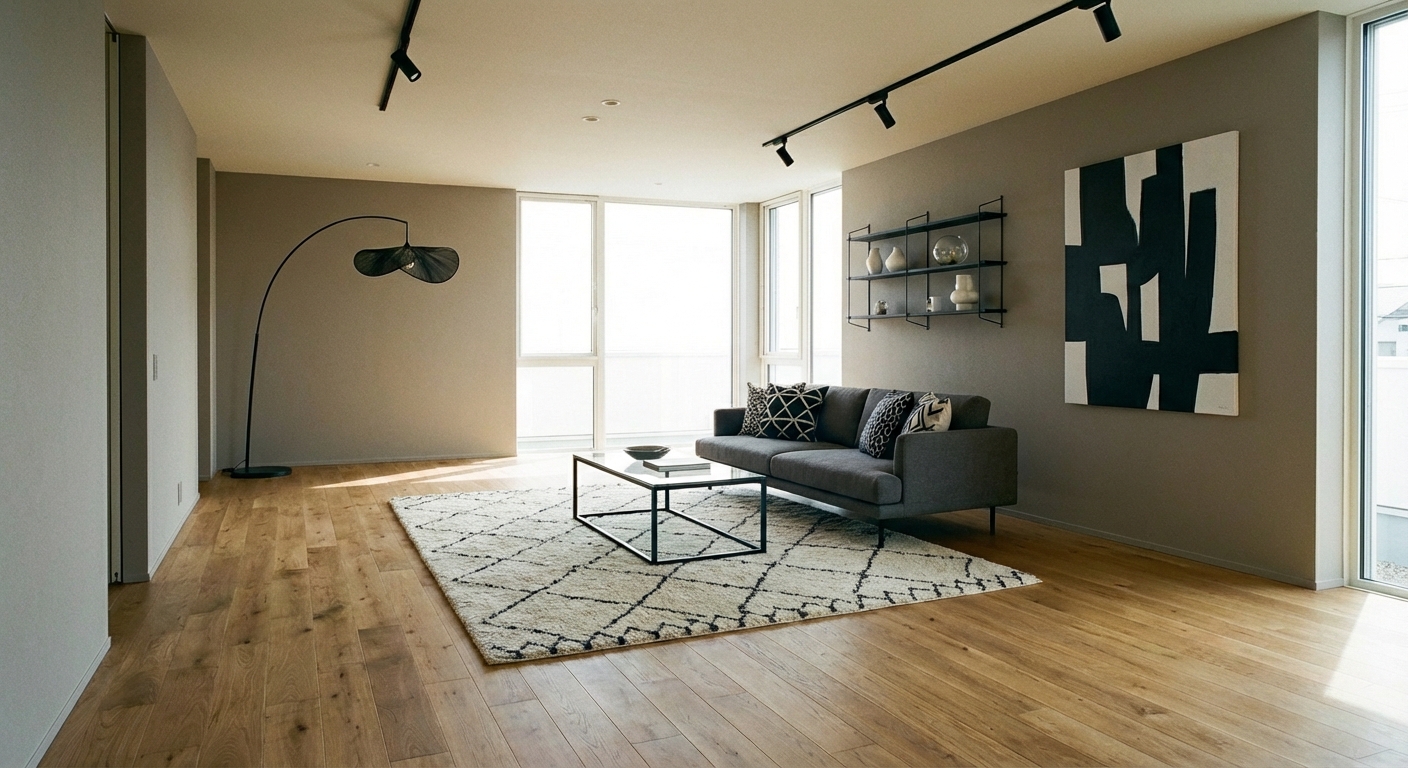
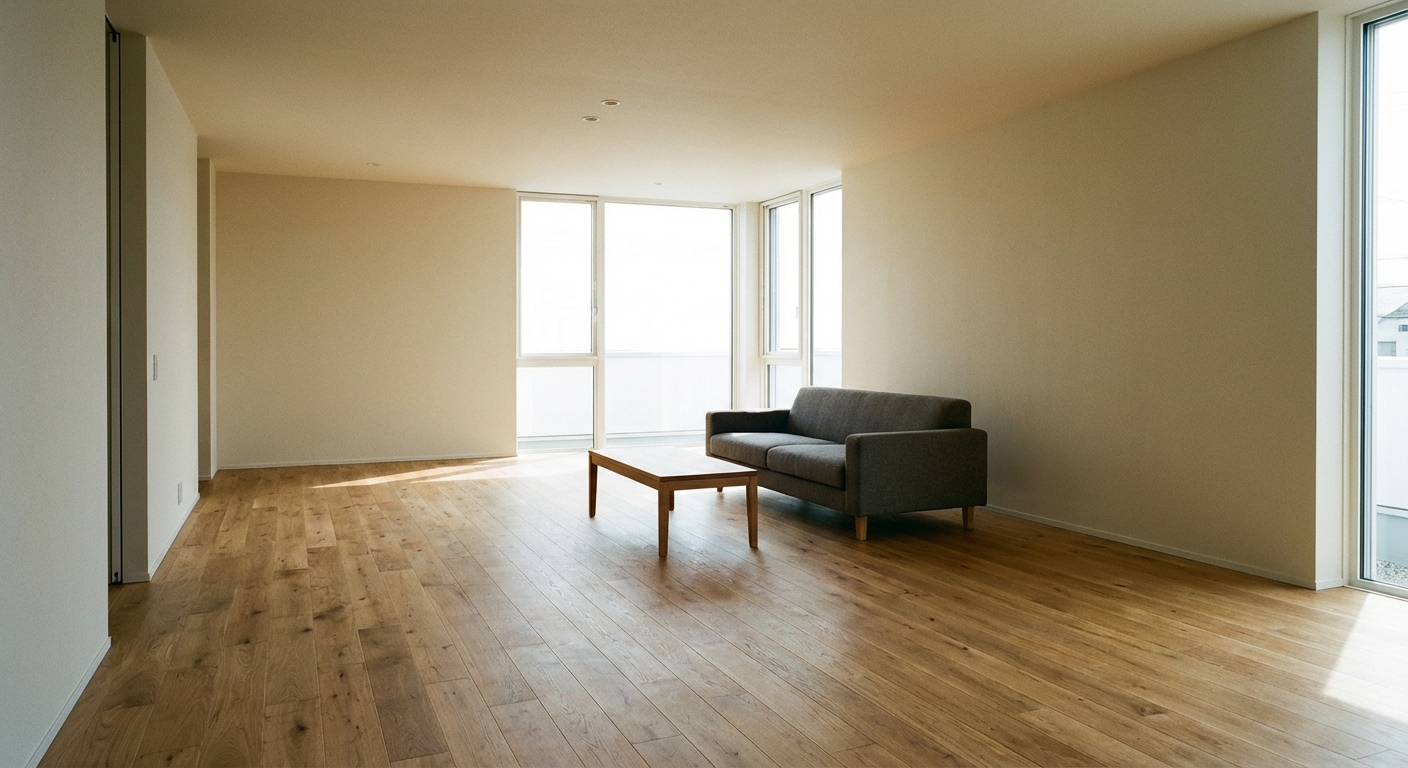
Upload your room photo in the app to see your real transformation
Why It Works
Bunk bed rooms work because they solve the most common space problem in family homes: fitting multiple sleepers into limited bedrooms. Beyond the practical square-footage math, bunk rooms create a camp-like social experience that kids genuinely love — the shared sleeping space becomes a place for whispered conversations and flashlight reading. For vacation homes, a well-designed bunk room means hosting more guests without needing more bedrooms, directly increasing the home utility.
Best for
- people ready to test options on a real photo before buying
- anyone planning a real bedroom where bed as the calm center, storage that closes, and light you can dim matter more than Pinterest perfection
- projects already thinking about bed, curtain and needing a coherent layout
Skip if
- you will not address bed as the calm center and only want a filter look
- you refuse to remove anything and only add decor
Common mistakes
People pin bunk bedroom ideas and then shopping object-by-object with no envelope decision. Details like bed, curtain only work if the plan respects bed as the calm center, storage that closes, and light you can dim. Another miss: office clutter and laundry visible from the pillow.
Decide this first
hide storage and pick bedside light height before wall color arguments. Lock a coherent material story instead of random catalog picks as a short list, then use Intero on a real photo so scale and light are honest before you spend.
How to Achieve This Look
Built-in bunks outperform freestanding models in every way: they feel more permanent, integrate storage drawers below, and can be designed to fit the exact room dimensions. Each bunk should feel like its own zone — individual reading lights (wall-mounted LED), a small shelf or caddy for personal items, and a curtain on a rod for privacy. For kids, incorporate a theme without going overboard: nautical rope ladders, painted accent walls behind each bunk, or individual name plaques. Safety rails on top bunks must be at least 5 inches above the mattress. Include under-bunk storage drawers — they replace the dresser that no longer fits.
Bunk room layouts are extremely sensitive to dimensions — clearance between bunks, distance from ceiling, room for a ladder. Upload your room to Intero and test different bunk configurations: twin-over-twin, twin-over-full, L-shaped, or triple bunks. See exactly how much floor space remains for play or seating after the bunks are placed.
Frequently Asked Questions
Q1 What is the best bunk bed configuration for a small room?
An L-shaped bunk arrangement uses the corner efficiently and opens up floor space in the center. For very narrow rooms, twin-over-twin against the long wall preserves the most floor area. Triple bunks (three high) work in rooms with 9+ foot ceilings. Built-in bunks can be customized to fit odd dimensions that standard freestanding models cannot.
Q2 At what age are bunk beds safe for kids?
The American Academy of Pediatrics and CPSC recommend that children under 6 should not sleep on the top bunk. Bottom bunks are safe for children who have transitioned from a crib (typically age 2-3). Ensure the top bunk has guardrails on all sides with gaps no wider than 3.5 inches, and the mattress sits well below the rail tops.
Q3 How do you make a bunk room feel grown-up for a guest room?
Use twin-over-full or full-over-full configurations for adult comfort. Choose a clean, architectural bunk design in wood or metal rather than a kid-themed model. Hotel-quality bedding, individual reading lights, privacy curtains, and a small shelf per bunk create a boutique hostel experience. A neutral color palette with quality materials keeps it sophisticated.
Related searches
These are the next pages people usually open while narrowing this design direction.
Ready to See This Style in Your Room?
Download Intero and preview this design on your own room photo.
No credit card. No signup. Just results.
Scan to download
Point your phone camera at a code

